AI Dubbing for Multilingual Property Tour Videos
Turn one property tour into clear, localized videos for multilingual buyers without filming the home again. This guide covers script adaptation, pronunciation control, narration timing, compliance checks, and practical AI dubbing fixes for real estate marketing.
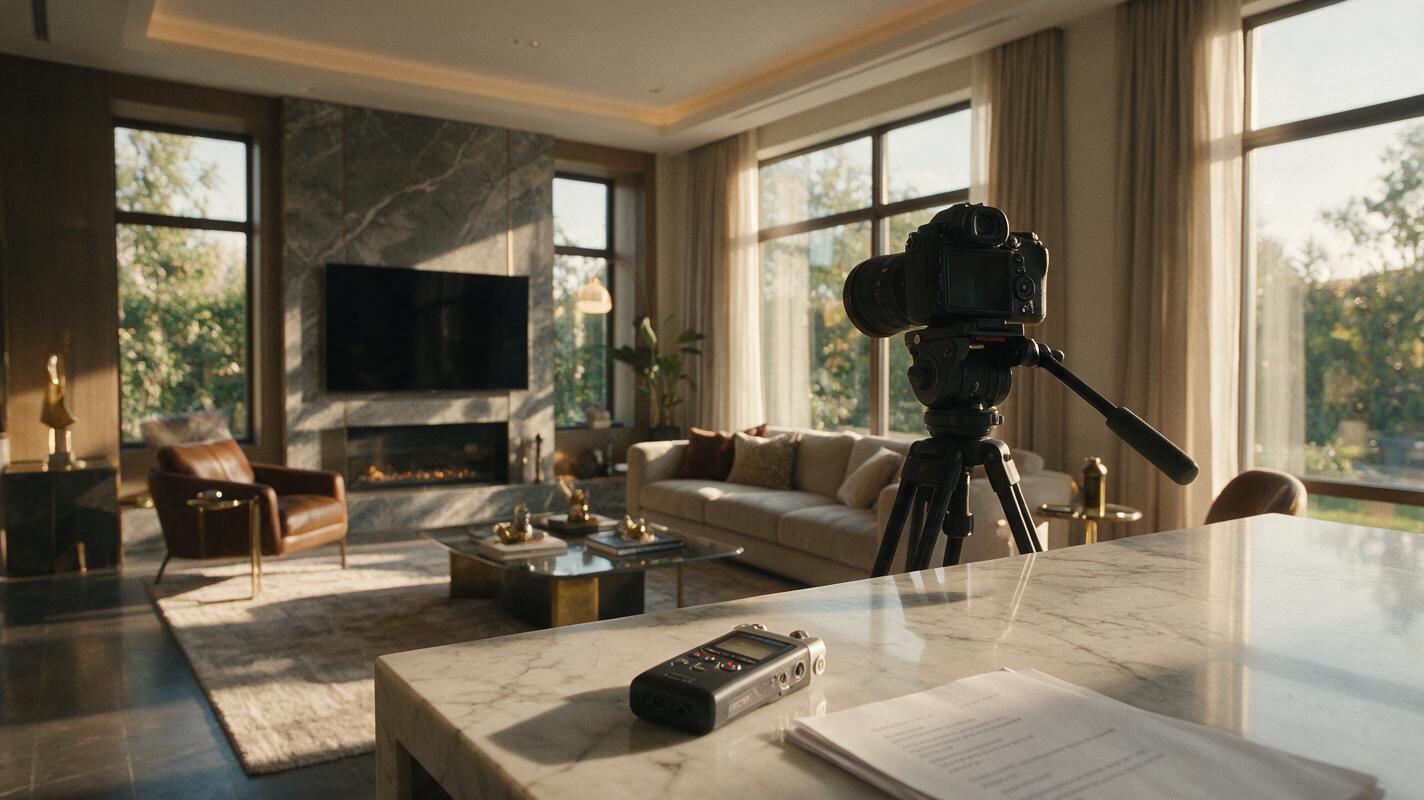
Table of contents
Turn one property tour into multiple buyer-ready versions
A multilingual property tour should sound like a local agent presenting the home—not like a literal translation being read over unrelated footage.
With AI dubbing, a real estate team can localize an existing home tour for different buyer groups without returning to the property or rebuilding the entire edit. The challenge is preserving room timing, property facts, pronunciation, and the tone of the original listing.
The workflow below is designed for narrated walkthroughs, agent-led tours, luxury listing films, new-development previews, and vertical social videos. It assumes that you have permission to use the original speaker's recording and that every translated claim can be verified against the listing.
Prepare a clean master video
Localization works best when the source video has a clear structure and an isolated narration track. Start with the highest-quality master available rather than a compressed copy downloaded from social media.
- Separate narration from music: Keep the voice, music, and ambient sound on different tracks whenever possible.
- Remove temporary text: Replace burned-in captions with editable subtitle layers so each language can use its own text.
- Confirm the facts: Check the price, bedroom count, measurements, school references, amenities, and availability before translating anything.
- Mark visual changes: Note where the video moves from the exterior to the kitchen, bedrooms, outdoor space, and closing shot.
- Preserve natural sound: Door movement, pool water, fireplaces, and neighborhood ambience can make the localized version feel less synthetic.
| Source asset | Preferred condition | Why it matters |
|---|---|---|
| Master video | High resolution without platform watermarks | Prevents visible quality loss after export |
| Narration | Clean, dry, and isolated | Improves speech analysis and replacement |
| Music | Separate instrumental track | Allows the new voice to sit clearly in the mix |
| Script | Time-coded and fact-checked | Keeps translated lines aligned with each room |
Rewrite the translation for room timing
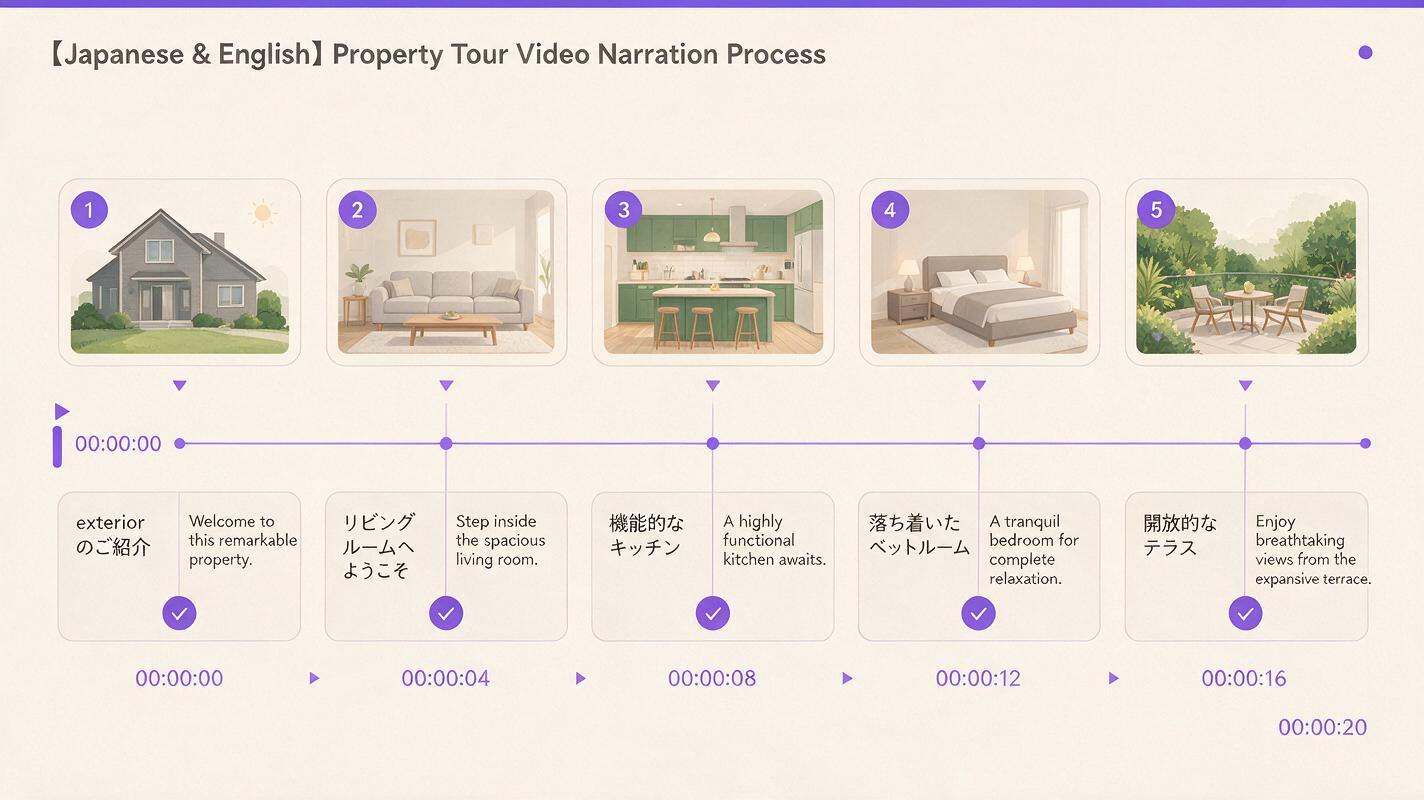
A direct translation can become much longer or shorter than the source narration. Instead of forcing every translated word into the same duration, adapt each line around the visual moment it must describe.
Divide the script by scene, then record the available duration and required property facts. Ask for natural real estate language, concise sentences, and no added claims. The following prompt can create a useful first draft:
Adapt this property-tour narration into [TARGET LANGUAGE].

Audience: prospective home buyers in [MARKET]
Tone: warm, polished, factual, and conversational

Requirements:
- Preserve every verified property fact.
- Do not invent features, views, finishes, or neighborhood claims.
- Keep each scene close to its target duration.
- Use natural local real estate phrasing rather than literal translation.
- Retain the original currency and measurement units unless instructed otherwise.
- Return a table with scene, target duration, translated narration, and back-translation.

Scene script:
[PASTE TIME-CODED SCRIPT]
Review the back-translation with someone fluent in the target language. This makes it easier to catch softened disclaimers, exaggerated adjectives, or altered measurements before generating audio.
Do not translate registered names automatically. Development names, street names, brokerage names, appliance brands, and architectural terms may need to remain unchanged or follow an approved local spelling.
Generate and review the dubbed narration
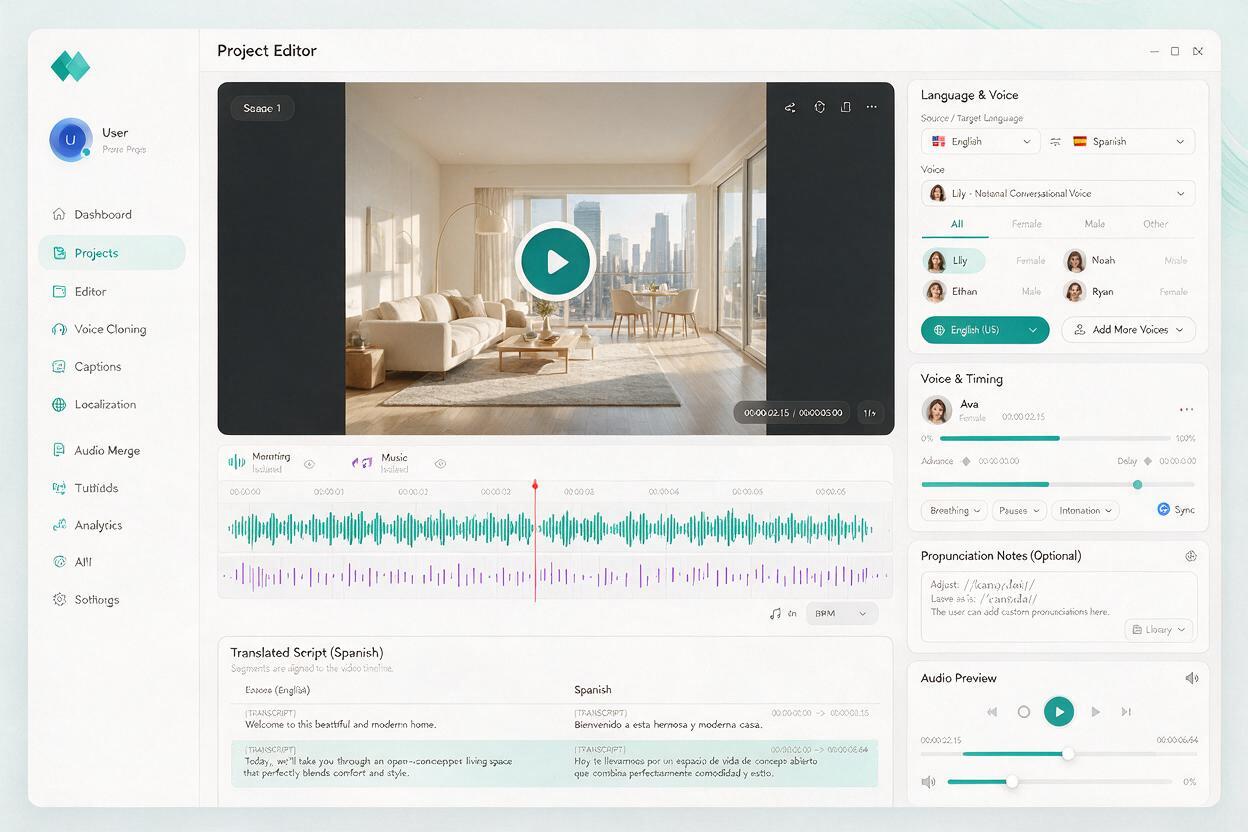
Upload the approved script and clean source audio to an ai dubbing workflow. Choose a voice that matches the listing's intended tone, but do not imitate or clone an identifiable person without explicit permission.
Generate the narration in short scene groups rather than processing the entire tour as one uninterrupted block. Smaller sections make it easier to correct pronunciation, pacing, and emphasis without regenerating otherwise acceptable audio.
- Exterior opening: Use a confident pace and pronounce the address carefully.
- Main living areas: Allow short pauses when the camera reveals important details.
- Feature sequence: Emphasize verified differentiators such as ceiling height, orientation, or named materials.
- Closing invitation: Keep the call to action clear, brief, and appropriate for the market.
Listen once without watching the video. The narration should sound coherent on its own. Then review it with the visuals and confirm that every room is named while it remains on screen.
Match narration to the property visuals
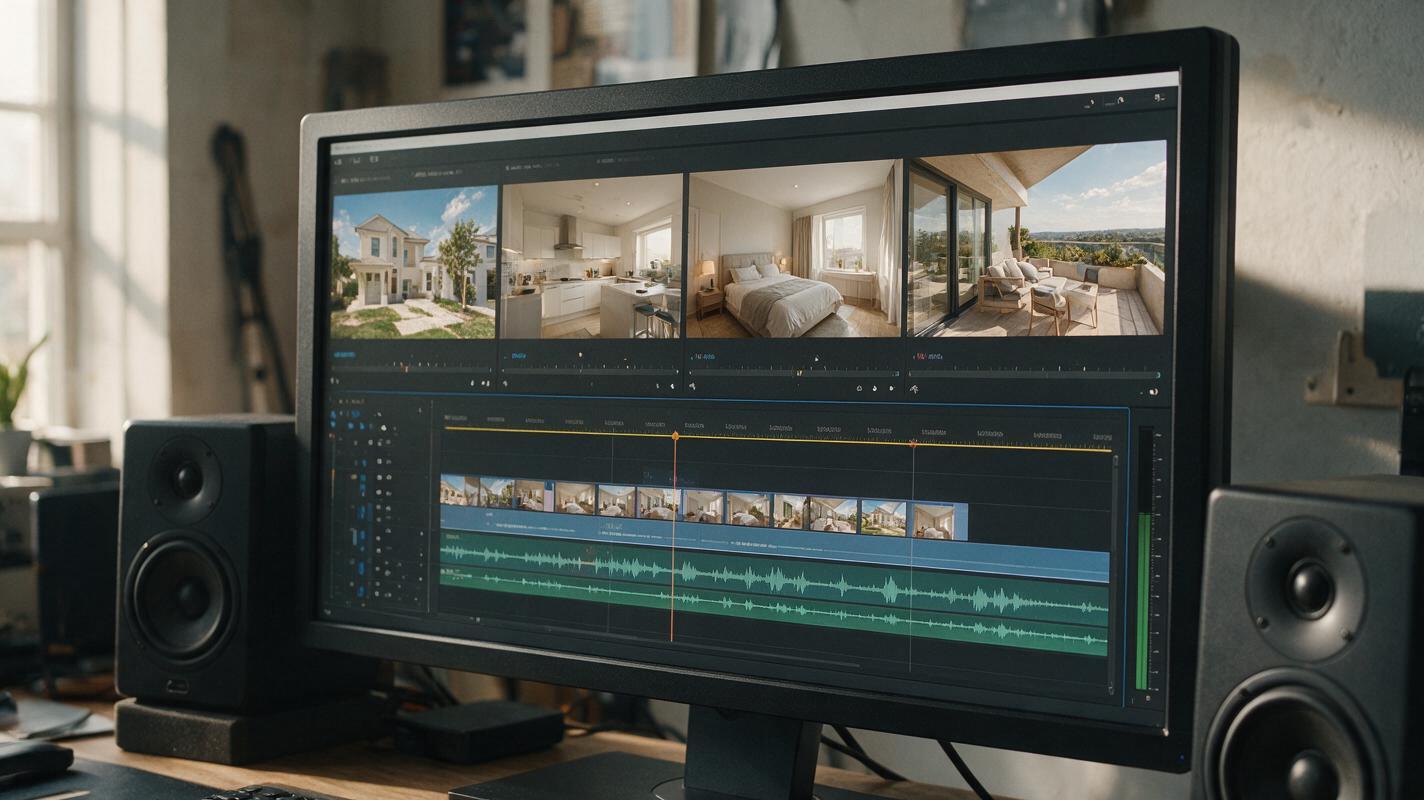
Good synchronization is more important than matching the original speaker word for word. If a kitchen line continues after the edit has moved into a bedroom, viewers may question the accuracy of the entire tour.
| Visual moment | Narration priority | Editing response |
|---|---|---|
| Wide exterior reveal | Location and property type | Delay detailed features until the relevant shot |
| Kitchen movement | Layout, surfaces, and appliances | Shorten adjectives before removing factual details |
| Bedroom transition | Room identity and useful feature | Add a natural pause at the cut |
| Outdoor area | Verified orientation, size, or amenity | Extend ambience if the translated line needs space |
| Agent closing shot | Viewing or contact invitation | Keep the final line compact enough for captions |
Adjust the script before applying aggressive time compression. Slightly shortening a sentence usually sounds better than accelerating the voice until it becomes unnatural. If the video has flexible B-roll, extending a neutral detail shot can create breathing room without changing the tour's meaning.
Protect names, numbers, and compliance language
Property videos contain terms that general language tools may misread. Create a pronunciation and facts sheet before final generation, especially for luxury homes, international developments, and mixed-language place names.
PRONUNCIATION AND FACTS SHEET

Property name: [APPROVED SPELLING]
Street: [PHONETIC GUIDE]
Development: [APPROVED PRONUNCIATION]
Price: [EXACT SPOKEN FORM]
Area: [EXACT NUMBER AND UNIT]
Agent name: [PHONETIC GUIDE]
Brokerage: [APPROVED SPELLING]
Required disclaimer: [EXACT LOCALIZED WORDING]
Words to avoid: [UNVERIFIED OR RESTRICTED CLAIMS]
Pay particular attention to decimals, large prices, square footage, metric conversions, floor numbers, and compass directions. Review them against the listing sheet while listening to the audio—not only by reading the generated transcript.
Localized narration must not make the marketing more definitive than the source. Phrases concerning future views, development completion, rental returns, school access, or travel times should retain all necessary qualifications. When local advertising rules require disclosure that visuals are conceptual or virtually enhanced, keep that disclosure visible and accurately translated.
Build versions for each marketing channel
A single translation can support several deliverables, but each channel needs a different narration density. A long horizontal tour can accommodate room context and lifestyle details, while a short vertical reel needs one clear idea per scene.
- Full property tour: Preserve the complete room sequence and viewing invitation.
- Vertical listing reel: Select the strongest three to five features and remove repeated transitions.
- Paid social ad: Lead with the buyer-relevant result, then identify the property and location.
- Portal preview: Use concise factual narration that remains understandable with captions.
- Agent follow-up: Create a short personalized introduction followed by the existing tour.
If the original video has no usable narration, generate a fresh ai voiceover from the verified time-coded script. Keep the same pronunciation sheet and scene-level review process rather than treating it as a generic commercial read.
Fix the problems viewers notice first
| Problem | Likely cause | Practical fix |
|---|---|---|
| The voice sounds rushed | The translation is too long for the scene | Remove repeated adjectives and simplify sentence structure |
| Room descriptions arrive late | The script was generated as one continuous passage | Regenerate scene by scene using target durations |
| Names sound incorrect | No pronunciation guidance was supplied | Add phonetic spelling and test the term in isolation |
| The mix feels artificial | Narration replaced all original sound | Restore controlled ambience beneath the new voice |
| Captions disagree with speech | Subtitles came from an earlier script draft | Generate captions from the approved final audio |
| The translation overstates a feature | Marketing language was localized too freely | Return to the verified source and use a literal factual correction |
Complete the review on both headphones and a phone speaker. Many buyers will encounter the tour on mobile with limited audio range, so names and critical facts must remain intelligible at ordinary volume.
When your script, timings, and pronunciation notes are ready, try these models for free and produce one short scene first. Approve that sample before localizing the complete property tour.
Final checklist
- The source script matches the current listing information.
- Every translated line describes the room shown on screen.
- Prices, measurements, names, and addresses were checked by a person.
- The voice is licensed or used with the speaker's explicit permission.
- Music and ambience remain below the narration.
- Captions match the final dubbed audio.
- Required disclosures are present in the target language.
- The finished video was reviewed on desktop and mobile.
Keywords
ai dubbing, property tour video, multilingual real estate video, real estate voiceover, listing video translation, home tour narration, real estate marketing