Why AI Pizza Photos Look Soggy (And How to Get Crisp, Melty Results)
AI-generated pizza photos often turn out soggy with limp crust, flat cheese, and sunken toppings that fail to drive orders for restaurants and food brands. This troubleshooting guide breaks down why AI struggles with pizza’s layered textures, provides reusable Seedream 4.5 prompt templates for crisp, realistic results, and shares targeted inpainting fixes for common flaws. It also includes tips for using Kling to turn static pizza photos into engaging social media videos without warping or morphing.
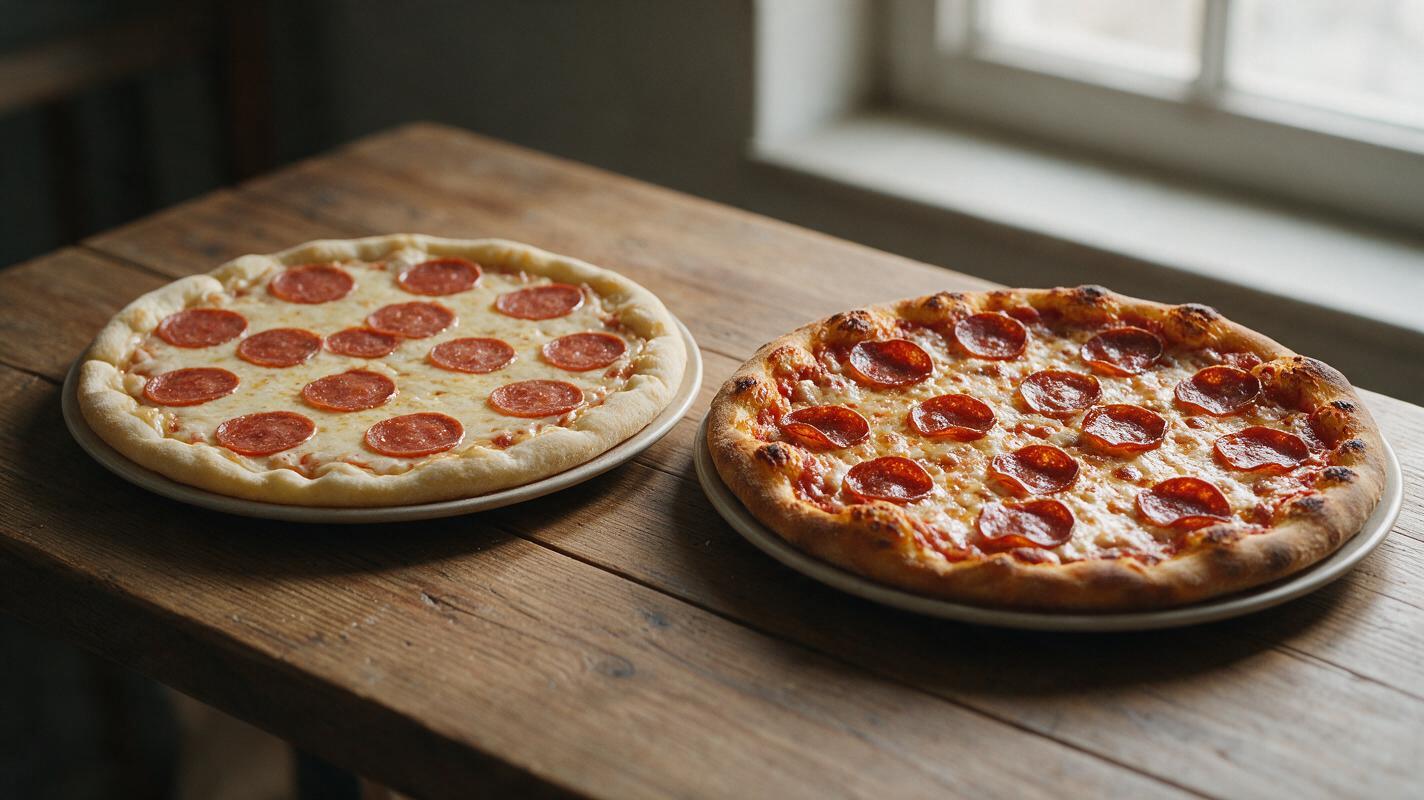
Table of contents
The hidden reasons AI pizza photos look soggy and unappetizing
Pizza is the top-performing menu item for thousands of restaurants and delivery apps, but AI-generated pizza photos rarely live up to the real thing. Instead of crisp, golden crust and gooey, bubbly cheese, you’re often left with limp, pale edges, flat rubbery cheese, and toppings that sink into the sauce like they’ve been sitting out for hours. For food marketers and restaurant owners, these unappetizing visuals can directly cut into conversion rates—customers judge freshness and crispness almost entirely from the photo they see in an app or on a menu.
AI struggles with pizza for three key reasons. First, pizza has four distinct texture layers (crust, sauce, cheese, toppings) that each require different rendering rules, and generic models often prioritize overall shape over fine texture details. Second, the physics of melted cheese and toasted crust are subtle: charred spots, bubble distribution, and pepperoni curl are tiny cues that signal freshness, but AI tends to smooth them out for a “perfect” (and boring) uniform look. Third, toppings have weight—real pepperoni curls at the edges because the fat renders, and veggies sit on top of the cheese, but AI often places them half-submerged, making the whole pie look soggy.
Prompt templates for crisp, melty AI pizza photos
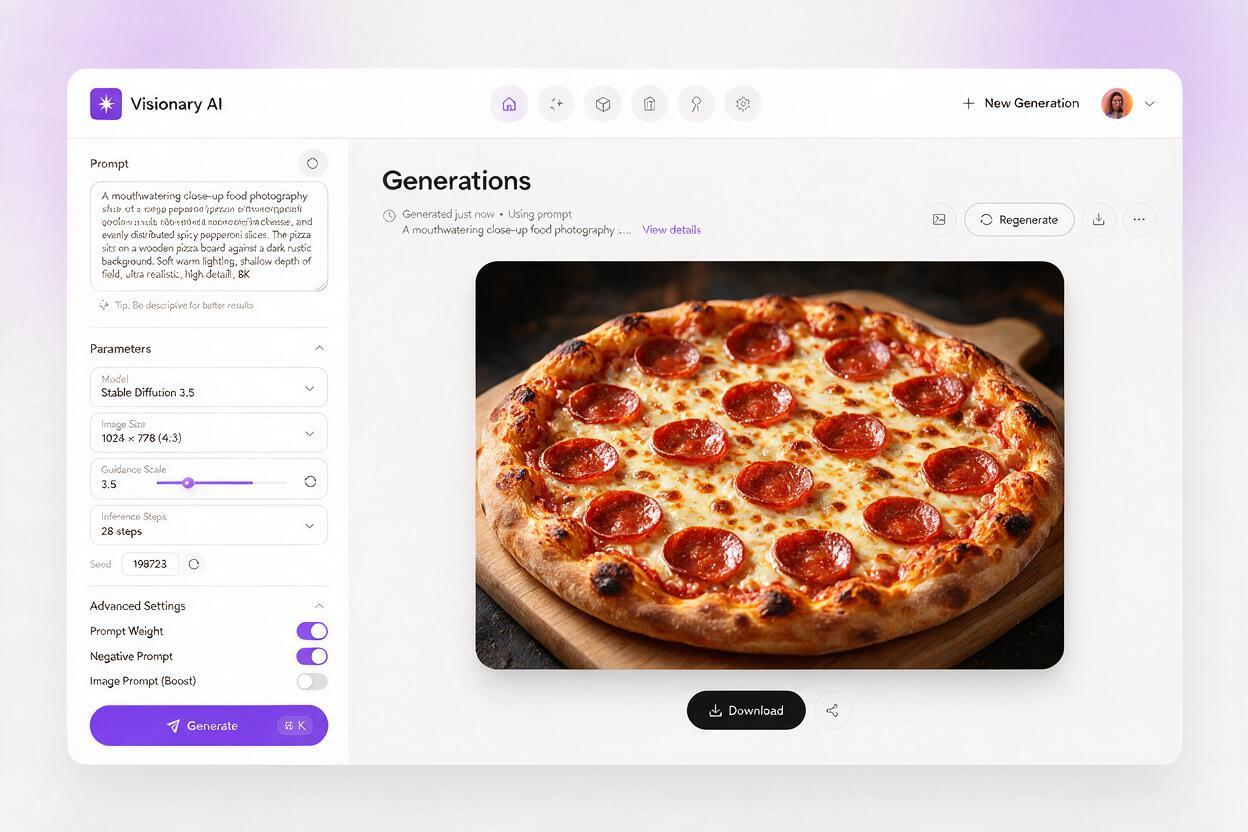
The fastest way to fix soggy AI pizza is to stop using vague prompts like “delicious pizza photo” and explicitly describe every texture layer you want to see. Seedream 4.5 is a reliable ai image generator for food photography because it prioritizes fine texture details and handles layered food items better than many generic models, especially when you give it specific, structured prompts.
Use this base prompt template as a starting point, then swap out toppings and crust types to match your menu:
Professional food photography of a freshly baked pepperoni pizza, thin crust with charred golden crispy rim, slightly bubbly melted mozzarella cheese with uneven golden brown melt spots, curled crispy pepperoni slices with oily sheen, fresh basil leaves scattered on top, resting on a wooden pizza peel, natural soft window light from the side, 45-degree angle, shallow depth of field, sharp focus on the crust edge and cheese bubbles, ultra realistic, 4K

Negative prompt: soggy crust, pale crust, flat cheese, rubbery cheese, sunken toppings, mushy pepperoni, blurry, overexposed, cartoonish, artificial
You can test this prompt yourself to generate a brand-aligned pizza photo in minutes, without needing to book a food photographer or rent a studio. For margherita pizza, swap the pepperoni for “fresh mozzarella pearls, bright red tomato sauce, fresh basil leaves, drizzle of olive oil”. For deep dish, replace “thin crust” with “thick buttery deep dish crust, golden brown edge, layers of cheese and sauce”.
Targeted inpainting fixes for common pizza flaws
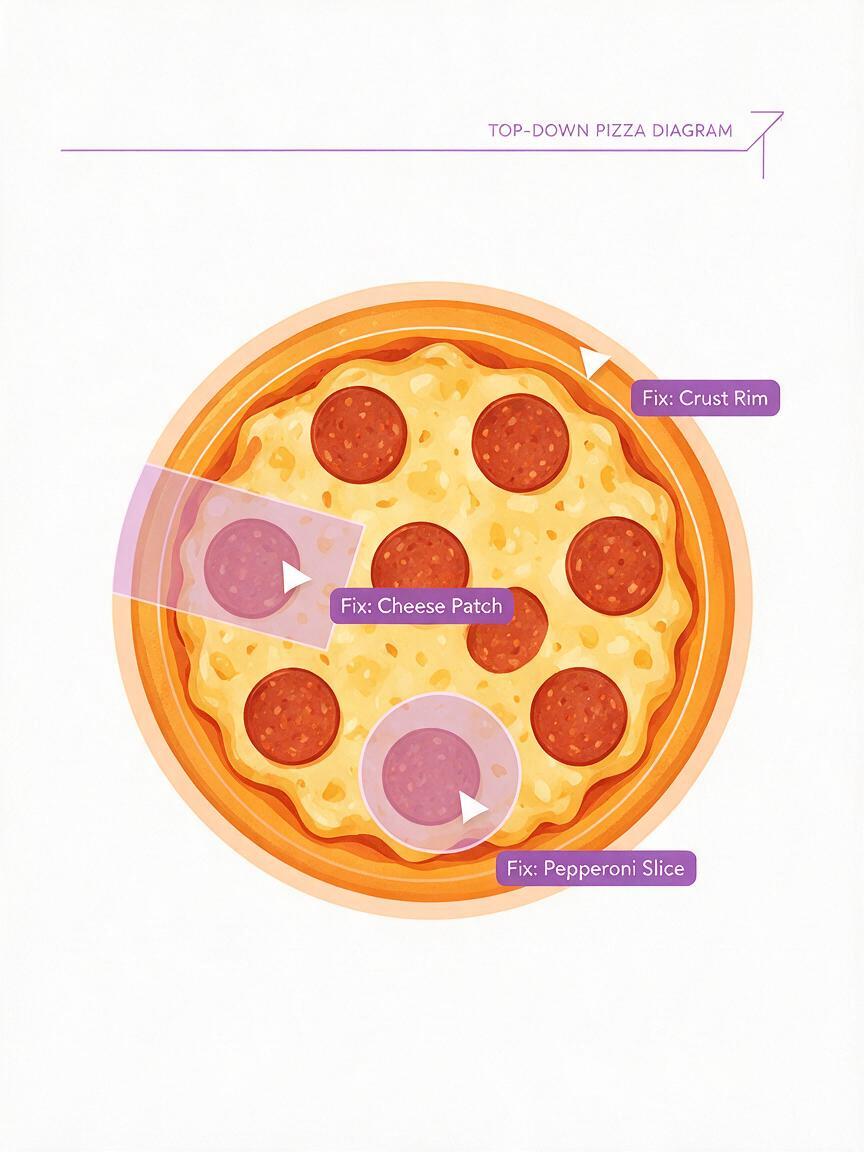
Even with a great prompt, you’ll occasionally end up with small flaws: a pale spot on the crust, a patch of flat cheese, or a pepperoni that’s too smooth and round. Instead of regenerating the entire image (and risking losing the parts you like), use Seedream 4.5’s inpainting tool to fix only the problem area.
For the most common pizza rendering issues, use these targeted inpainting prompts:
- Pale, soft crust edge: Mask only the outer rim of the crust, then use the prompt: charred golden crispy pizza crust edge, slightly bubbly toasted texture, realistic bread crumb, no sogginess, match surrounding lighting
- Flat, rubbery cheese patch: Mask the uneven cheese area (avoiding toppings), then use the prompt: gooey melted mozzarella cheese with golden brown melt spots, slightly bubbly surface, soft stringy texture, match surrounding cheese color
- Sunken or mushy toppings: Mask the individual topping slice, then use the prompt: crispy curled pepperoni slice sitting on top of melted cheese, slightly raised edges, oily sheen, match surrounding lighting and color
Inpainting is especially useful for restaurant chains that need consistent menu photos across multiple locations—you can keep the base pizza the same and adjust only small details to match regional menu variations.
Turn static pizza photos into scroll-stopping social videos
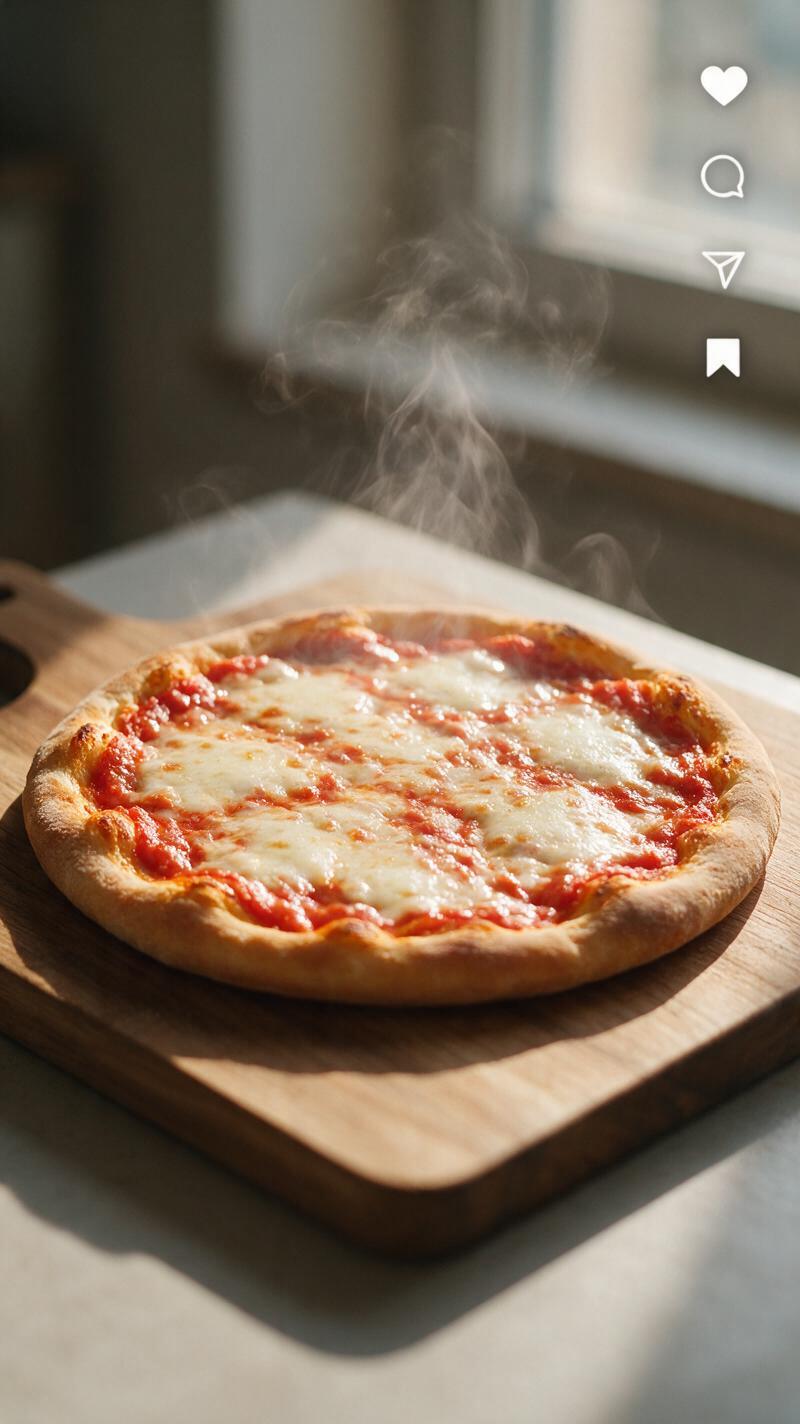
Static pizza photos work great for delivery apps and printed menus, but short-form video drives 2–3x more engagement on restaurant social media accounts. Instead of shooting a whole new video, you can use image to video with Kling to add subtle, realistic motion to your existing AI pizza photo in seconds.
Kling excels at slow, controlled food motion without the warping or morphing that plagues many video generators. The key is to keep motion subtle—big movements like lifting a slice can cause distortion, so stick to gentle pans, soft steam, and light shifts that highlight texture without altering the food itself.
Use this prompt for vertical social media clips:
Slow cinematic 10-second vertical pan across a freshly baked pizza, soft wispy steam rising gently from the melted cheese, warm light glinting off the cheese bubbles, no warping, no morphing, realistic food texture, 4K resolution, 9:16 aspect ratioThese short clips work perfectly for Instagram Reels, TikTok, Facebook ads, and in-store digital menu boards. You can even add text overlays for limited-time offers or new menu items without reshooting.
Final checklist for restaurant-ready pizza visuals
- Crust has a golden, slightly charred outer rim with visible crisp texture (no pale, limp edges)
- Cheese has uneven golden melt spots and a slightly bubbly, gooey surface (no flat, rubbery cheese)
- Toppings sit on top of the cheese (not sunken) and have appropriate texture (curled pepperoni, fresh basil, crisp veg edges)
- Lighting highlights texture without washing out the rich red of the sauce or the gold of the crust
- No distorted slices, mismatched topping counts, or unnatural color shifts
- For videos: motion is smooth and subtle, with no warping or morphing of the pizza itself
Keywords
ai pizza photography, food image generator, restaurant marketing ai, menu photo generator, pizza social media content, ai food video, seedream 4.5, kling