AI Sound Prompts for Logo Animations That Feel On-Brand
A polished logo animation can still feel generic when its soundtrack comes from a random stock effect. These reusable AI sound prompts help brand designers create sonic directions that match a visual identity, motion style and campaign context.
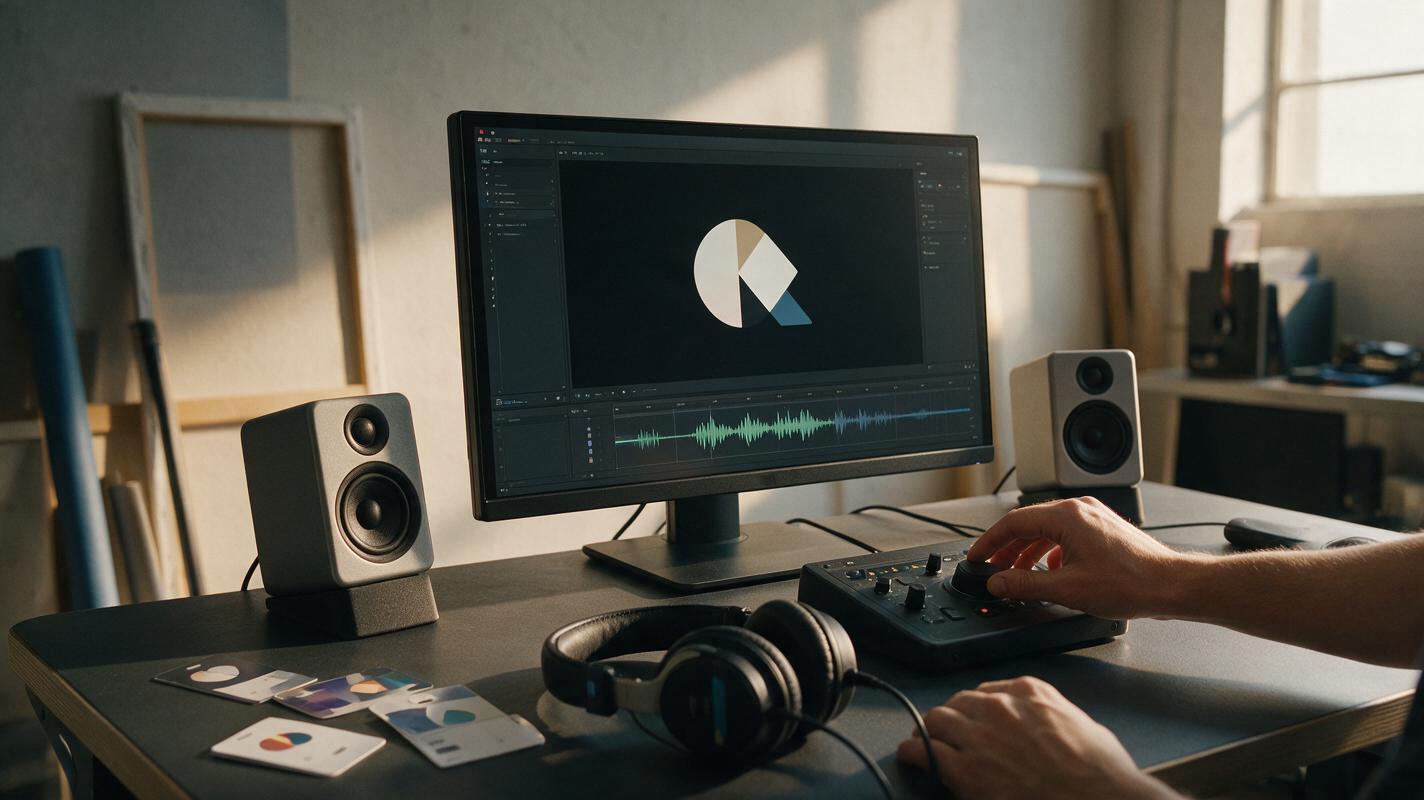
Table of contents
Make the logo move—and sound—like the same brand
A logo animation may look precise but feel completely wrong once generic swooshes, cinematic impacts or fashionable electronic clicks are added. The problem is rarely audio quality alone. The sound has no relationship to the brand’s personality, visual rhythm or material language.
Brand designers can solve this by treating sound generation like key-visual direction: define the role, timing, texture and emotional finish before choosing individual effects. An ai music generator can then produce several sonic territories for evaluation instead of forcing the first plausible result into the final animation.
The objective is not to make the logo sound impressive in isolation. It is to make the motion, image and sound feel as though they belong to one identity system.
Choose a sonic role before writing the prompt
“Create a sound for this logo” gives a model almost no useful direction. It does not describe whether the sound should announce, reassure, reward, energize or disappear quietly into a campaign film.
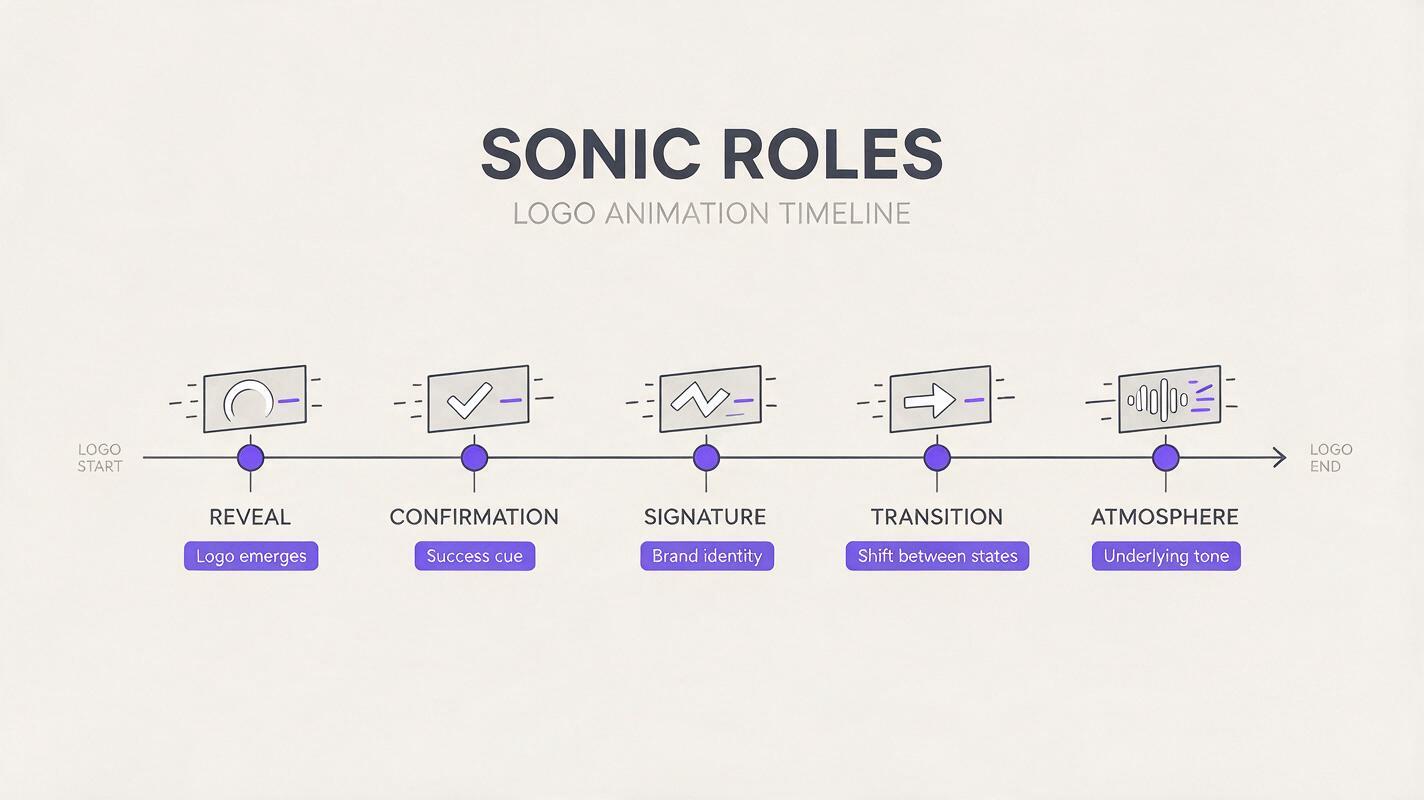
Start by assigning the audio one primary role:
- Reveal: supports a mark assembling, drawing on or emerging from a surface.
- Confirmation: gives a restrained sense of completion at the end of a transition.
- Signature: creates a memorable motif that could recur across branded content.
- Transition: connects the final campaign shot to an end card without becoming a separate event.
- Atmosphere: extends the visual material, such as glass, paper, liquid, fabric or metal, into sound.
A two-second social end card usually needs a different role from a studio ident shown before every film. Decide where the sound will appear, how often audiences will hear it and whether it must work beneath voiceover before generating options.
Build prompts from four audible decisions
A useful prompt describes sound in production terms rather than relying on broad brand adjectives. Translate the creative direction into four audible decisions.
| Decision | What to specify | Useful language |
|---|---|---|
| Timing | The shape and pace of the cue | fast attack, gradual rise, brief pause, clean ending |
| Material | The perceived physical texture | brushed metal, folded paper, soft glass, dry wood, airy fabric |
| Energy | The level and direction of movement | restrained, buoyant, accelerating, grounded, weightless |
| Finish | The emotional impression left at the end | confident, warm, precise, optimistic, calm, premium |
Add practical exclusions when they matter. Phrases such as “no cinematic boom,” “no long reverb,” “no vocal,” “no heroic trailer sound” and “no playful game effects” help prevent familiar but unsuitable defaults.
Short brand ident for a geometric logo reveal.
Fast, precise attack followed by a soft tonal resolution.
Dry glass and muted electronic textures, restrained energy.
Confident and contemporary finish, no cinematic impact,
no vocals, no long reverb, clean ending for video editing.
Six reusable sound prompts for logo animation
Use these prompts as creative-direction starting points. Replace the material, energy and final emotion with language from the actual identity system.
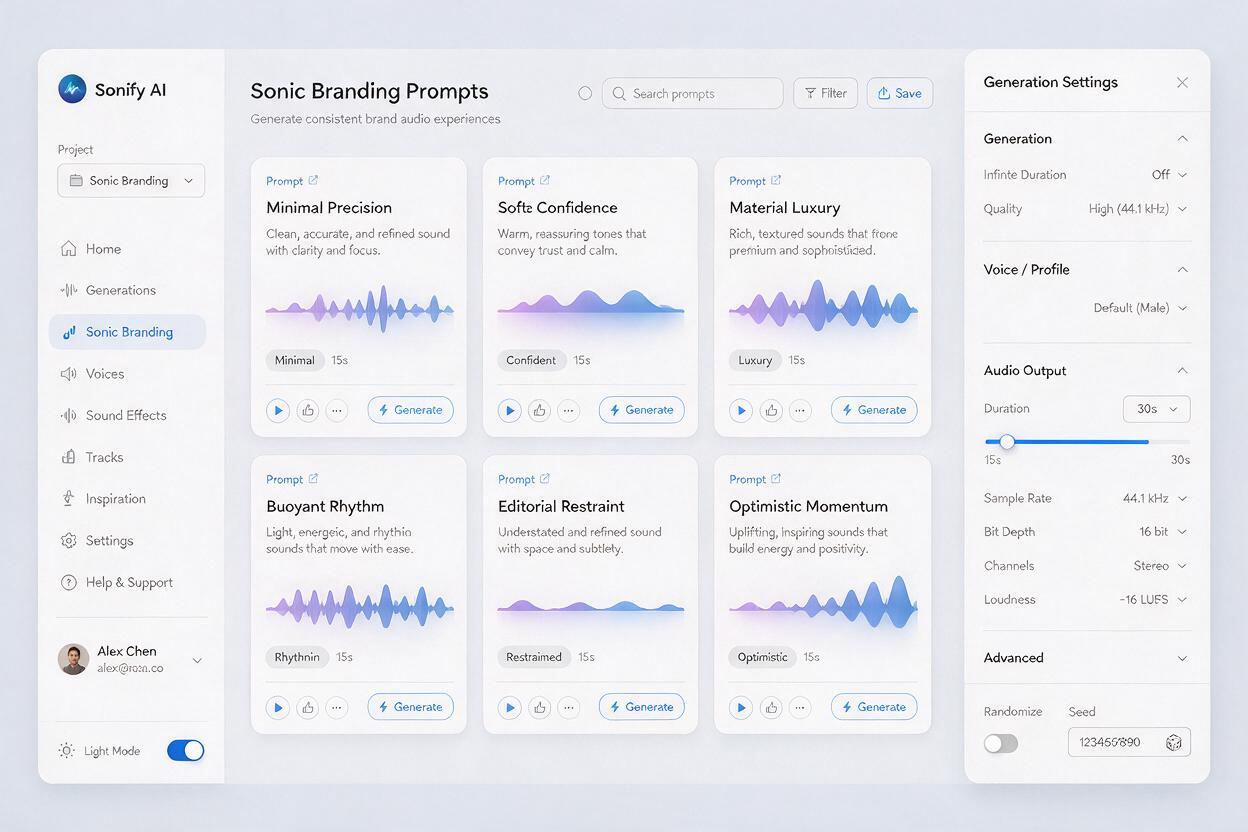
Minimal precision for technology and professional services
Create a compact sonic logo for a precise geometric mark.
Use two crisp digital pulses, a subtle upward tonal movement
and a controlled final note. Minimal, intelligent and assured.
No glitch effects, no bass drop, no cinematic boom, no vocals.
This direction suits motion built from grids, lines, snapping modules or sharply controlled masks. Keep the number of audible events close to the number of major visual events.
Soft confidence for wellness and personal-care identities
Create a gentle brand ident with tactile organic texture.
Begin with a soft breath-like swell, add one warm wooden tone
and resolve with a clear delicate chime. Calm and credible,
not mystical. No spa clichés, no birds, no water ambience.
The exclusions matter here. Without them, “calm” can produce ambient stereotypes that weaken an otherwise contemporary identity.
Material luxury for fashion and premium packaging
Create a refined short ident inspired by folded paper,
brushed metal and embossed packaging. Use a quiet tactile sweep,
a low elegant tonal accent and a polished restrained finish.
No orchestral rise, no heavy impact, no sparkling fairy effects.
Match the sound to the packaging finish or key visual rather than asking for “luxury music.” A matte paper identity should not automatically receive glossy crystal effects.
Buoyant rhythm for food, retail and youth campaigns
Create a playful but designed sonic signature for a colorful logo.
Use three compact percussive notes with a light elastic rhythm
and a satisfying final click. Bright, social and energetic,
but not childish. No cartoon boings, whistles or arcade sounds.
If the logo contains several shapes, map each note to a visible movement. Avoid filling every small animation with another sound; selective accents preserve clarity.
Editorial restraint for culture and design brands
Create a sparse editorial audio ident for a typographic logo.
Use one dry paper-like movement, a brief pause and a single
neutral tonal mark. Sophisticated, quiet and contemporary.
No melody, no dramatic crescendo, no decorative sparkle.
This works best when typography is revealed through cropping, page turns or measured tracking changes. The pause can be as important as the generated sound.
Optimistic momentum for sustainability campaigns
Create a short forward-moving brand cue with natural and modern
textures. Begin with a light fibrous rustle, introduce a warm
ascending pulse and end on an open optimistic tone. Credible and
progressive, not sentimental. No forest ambience or acoustic jingle.
Avoid using obvious nature recordings simply because a brand has an environmental message. Material texture and open tonal movement can communicate the direction more distinctively.
Match the mix to the motion
Generate several variations from one direction, then evaluate them against the finished visual rather than listening in isolation. A sophisticated cue may still fail if its strongest accent lands between two motion events.
| Visual event | Possible audio response | Common mistake |
|---|---|---|
| Elements begin moving | Soft attack or rising texture | Starting with the loudest impact |
| Shapes connect | Compact click, pulse or tonal accent | Adding sound to every small contact |
| Logo becomes complete | Primary resolving note | Letting the sound resolve too early |
| Tagline appears | Silence or a subtle tail | Masking the tagline with another flourish |
Generate a cue with enough surrounding audio to edit cleanly, then trim and mix it in the motion timeline. Use short fades to prevent clicks, reduce excessive low frequencies for mobile playback and test the result through laptop and phone speakers—not only studio monitors.
If the logo presentation is still static, use Seedance for restrained visual movement or turn your image into a video before aligning the audio accents. Keep the approved logo as a separate vector layer whenever exact geometry must remain untouched.
Present sonic directions like visual identity routes
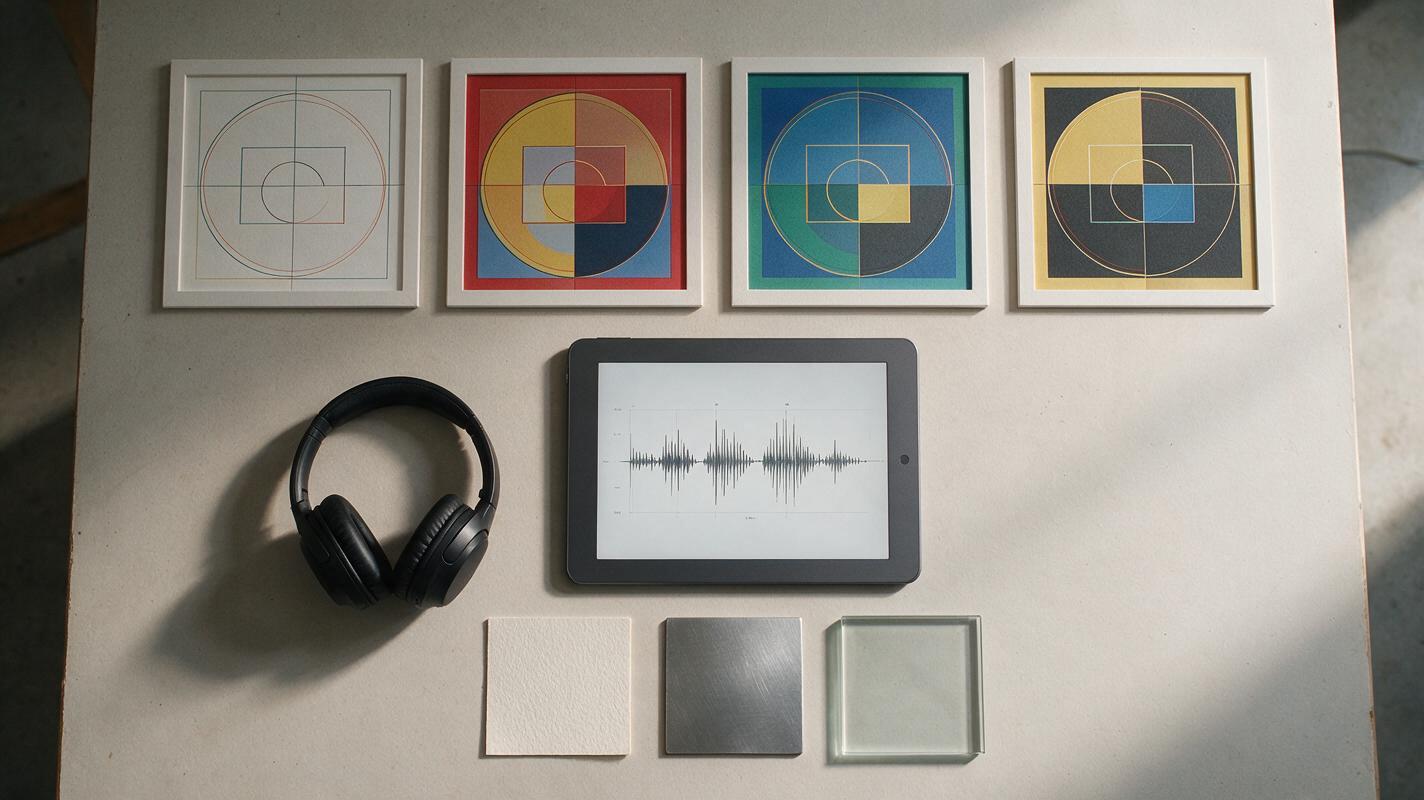
Do not show a client ten nearly identical audio files with technical filenames. Curate two or three distinct routes and explain each in brand language.
- Route name: a concise idea such as Quiet Precision or Tactile Momentum.
- Brand connection: the identity traits expressed by the cue.
- Visual relationship: which movements, shapes or materials the sound follows.
- Usage range: where the cue could appear beyond the current animation.
- Known limit: whether it competes with speech, depends on bass or feels tiring when repeated.
Place each route against the same animation so the comparison stays fair. Once a direction is chosen, refine timing, loudness and edit points instead of repeatedly changing the entire concept.
Before commercial delivery, confirm the generator’s current licensing terms, document the source files and complete any client-specific rights review required for music or sound assets.
Final checklist
- Give the sound one clear role: reveal, confirmation, signature, transition or atmosphere.
- Describe timing, material, energy and emotional finish in the prompt.
- Include exclusions that block unsuitable genre clichés.
- Map only the major audio accents to major visual events.
- Compare every variation against the same logo animation.
- Test playback on phones, laptops and studio speakers.
- Preserve the approved logo as a separate layer when geometry is critical.
- Check licensing and client clearance requirements before delivery.
Ready to audition several sonic territories against your own motion work? Try these models for free and begin with one prompt that reflects the identity’s actual materials and rhythm.
Keywords
AI sound prompts, logo animation, sonic branding, AI music generator, brand motion design, audio logo, brand identity