Imagen Prompts for Nail Polish Swatches Without Warped Fingers
Create realistic AI nail polish swatches while preserving finger anatomy, cuticle detail, finish, and shade consistency. These Imagen prompt templates cover single-shade hero images, shade-range lineups, macro texture shots, and practical fixes for common rendering failures.
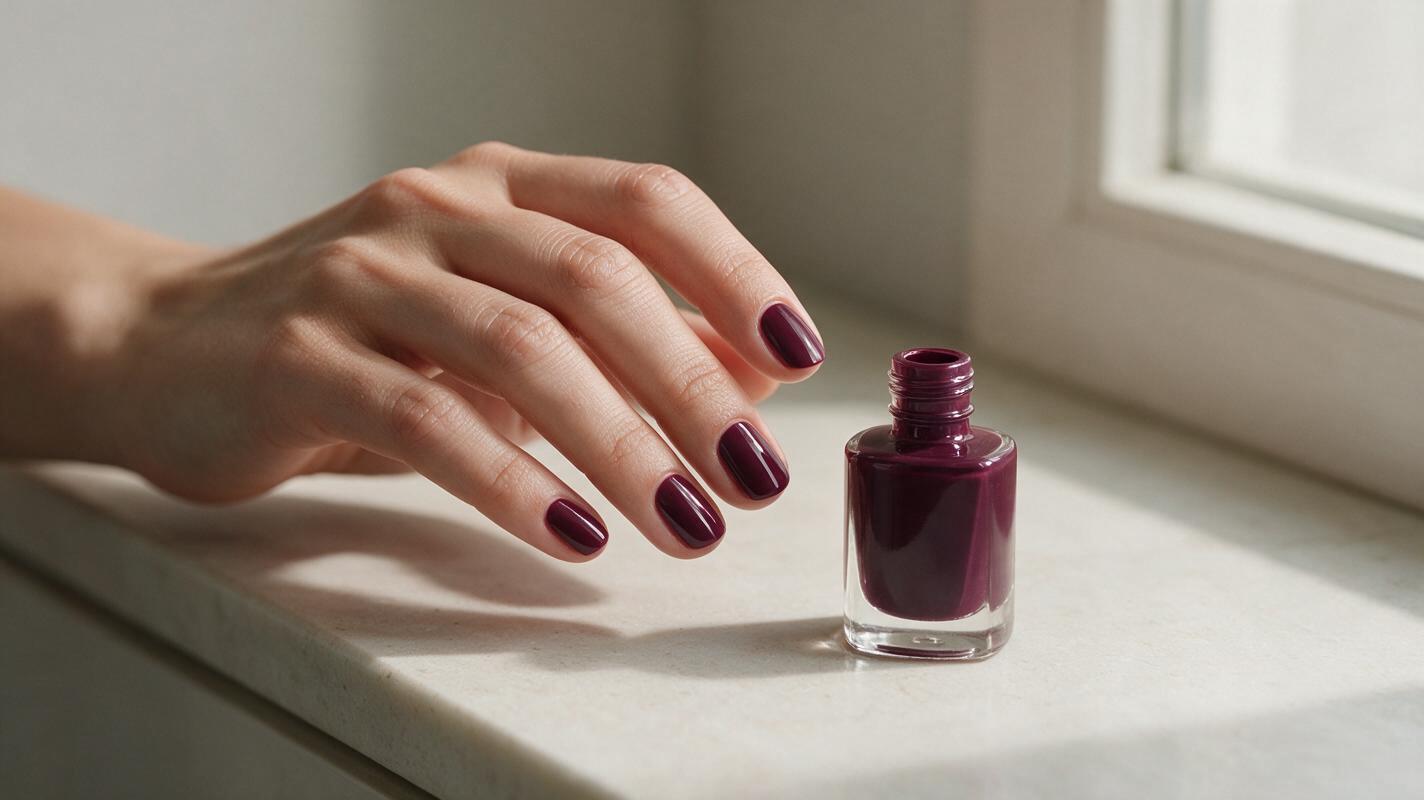
Table of contents
Create believable nail swatches without changing the hand
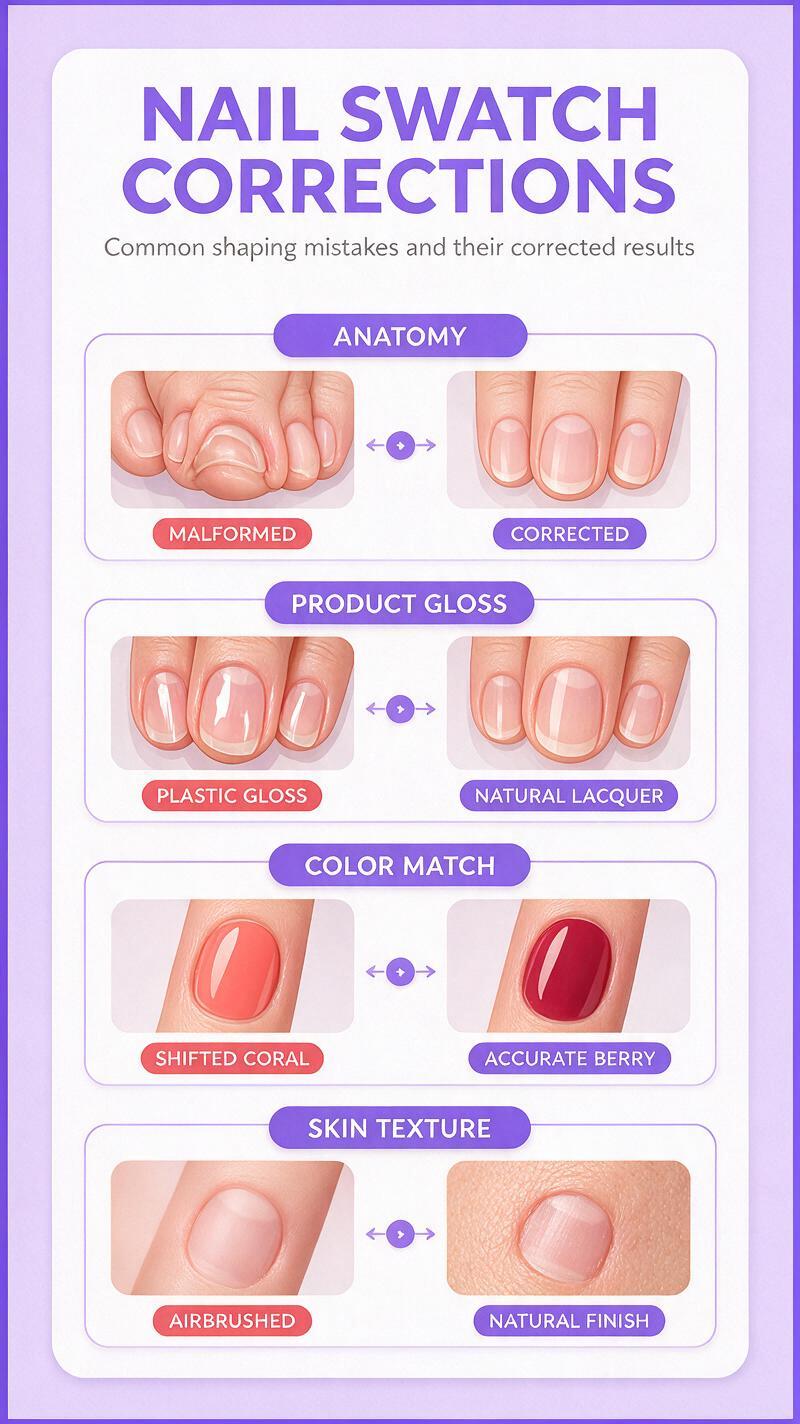
A convincing nail polish swatch needs accurate color, natural finger anatomy, clean cuticles, and a finish that behaves like real lacquer. AI-generated hands often fail on at least one of these details: fingers merge, nails change shape, glossy polish looks like plastic, or every shade appears under different lighting.
Imagen can help beauty teams explore nail campaign concepts quickly, but the prompt must separate what should remain fixed from what is allowed to change. The templates below are designed for product pages, shade launches, social ads, and editorial beauty content—not clinical or literal proof of product performance.
Use AI swatches for concept development and creative production. Before publishing a shade-accuracy claim, compare the final image with the physical polish under controlled lighting and complete your normal brand review.
Build a reference sheet the model can actually follow
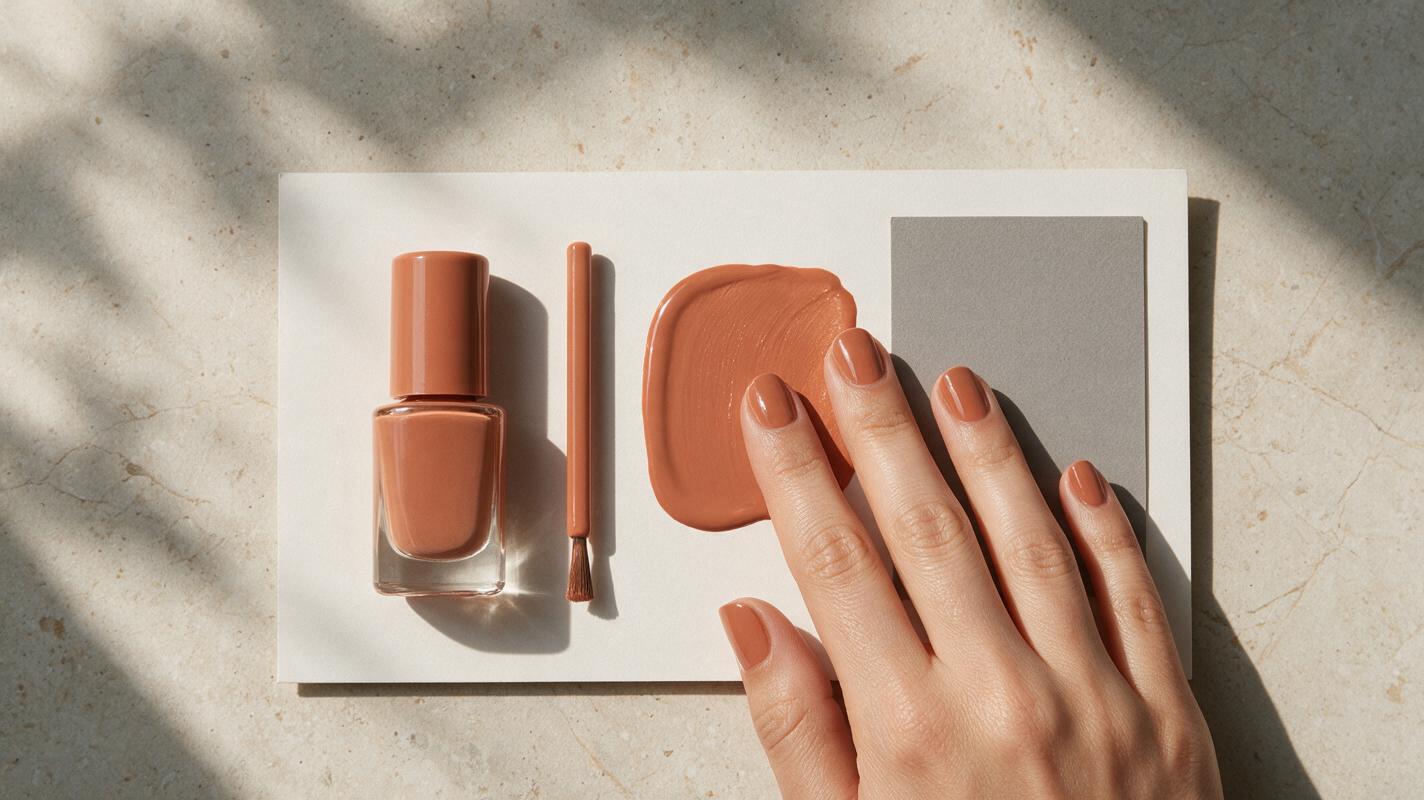
A bottle packshot alone does not fully describe a nail polish. Reflections, colored glass, and printed labels can all mislead the model about the liquid shade. Prepare a compact reference sheet containing:
- A clean bottle image: photograph the front label straight-on against a neutral background.
- A physical swatch: include the polish applied to a neutral swatch stick or one real nail.
- A finish reference: show whether the formula is cream, jelly, shimmer, metallic, glitter, or matte.
- A hand reference: use a well-lit photograph with visible knuckles, cuticles, and five anatomically correct fingers.
- A lighting reference: choose soft daylight or controlled studio light and keep it consistent across the campaign.
For a shade-range campaign, arrange the physical swatches in the intended order and label them outside the image area. Do not ask the model to invent a range from shade names such as “rosewood” or “midnight cherry”; those names can support art direction, but they are not reliable color specifications.
Write prompts around locked and editable details
When using Imagen through ai image generator, describe the hand and photographic setup as locked elements. Treat only the nail color, finish, pose, or background styling as editable. This reduces the chance that a simple shade change also redesigns the fingers.
A useful prompt contains five types of information:
| Prompt component | What to specify | Why it matters |
|---|---|---|
| Subject | Hand pose, visible fingers, nail length, nail shape | Controls anatomy and composition |
| Shade | Reference swatch, undertone, depth, saturation | Reduces color drift |
| Finish | Cream, jelly, shimmer, metallic, glitter, or matte | Defines reflection and surface behavior |
| Light | Source direction, softness, color temperature | Keeps shades comparable |
| Constraints | Five fingers, unchanged cuticles, no extra nails, no text | Blocks common visual errors |
Place the most important constraints near both the beginning and end of the prompt. Avoid vague instructions such as “perfect manicure” because they can produce airbrushed skin, artificial cuticles, and unnaturally identical nails.
Prompt templates for common nail campaign outputs
Single-shade manicure hero image
Use this format when one polish shade is the focus of a product launch or social campaign.
Photorealistic beauty campaign close-up of one anatomically correct human hand with exactly five natural fingers, relaxed elegant pose, short squoval nails with realistic individual variation. Apply the nail polish color from the supplied physical swatch reference without changing its hue, undertone, or depth. Smooth opaque cream finish, two-coat appearance, subtle curved highlights from soft studio light, clean but natural cuticles, visible fine skin texture and knuckle detail. Place the original product bottle beside the hand, keeping its silhouette, cap, label layout, proportions, and colors unchanged. Neutral warm-gray seamless background, premium cosmetic product photography, sharp focus on nails and bottle. No merged fingers, extra digits, duplicated nails, floating bottle, invented lettering, excessive retouching, or plastic skin.Five-shade collection lineup
Generating five different hands at once increases anatomical and lighting variation. For stronger consistency, create each shade with the same approved hand reference and camera description, then assemble the selected images into the final grid.
Create one square nail polish swatch photograph using the supplied approved hand reference. Preserve the same hand identity, skin tone, finger proportions, nail length, squoval nail shape, cuticle condition, camera angle, crop, background, and soft daylight setup used in the collection template. Change only the nail polish to the supplied shade swatch: [SHADE REFERENCE]. Render the finish as [CREAM / JELLY / SHIMMER / METALLIC / MATTE] with physically plausible highlights. Exactly five fingers, natural spacing, no jewelry, no bottle, no text, no added props, no changes to skin tone or nail anatomy.Keep the same seed or reference settings if your interface provides them, but still inspect every result manually. A repeated configuration can improve continuity without guaranteeing identical anatomy.
Macro finish and texture image
This prompt is intended for editorial crops that communicate formula character rather than exact full-hand application.
Extreme macro cosmetic photograph of three natural fingernails wearing the supplied nail polish shade, viewed at a shallow three-quarter angle. Preserve realistic nail plate curvature, fine cuticle edges, tiny natural skin lines, and distinct finger boundaries. Show a translucent jelly finish with controlled depth, subtle color buildup near the edges, smooth wet-look shine, and one soft rectangular studio reflection per nail. Accurate reference color under neutral light, shallow depth of field, luxury beauty editorial quality. No melted cuticles, glass nails, plastic fingers, excessive gloss, duplicate reflections, glitter, bubbles, text, or color shift.Nail polish bottle with a matching manicure
For product-page creative, prioritize bottle integrity before adding a hand. If the label must be perfectly readable, preserve or composite the original packshot instead of relying on regenerated typography.
Premium nail polish product photograph featuring the supplied original bottle packshot in the foreground and one natural manicured hand behind it. Keep the bottle geometry, cap, glass thickness, fill level, label placement, brand colors, and printed design unchanged. Match the manicure to the supplied physical nail swatch, preserving its exact undertone and [FINISH] behavior under soft diffused side light. The hand has exactly five correctly separated fingers, natural cuticles, realistic pores, and relaxed anatomy. Minimal stone surface, restrained shadow, balanced commercial composition. No altered packaging, invented words, deformed fingers, oversized bottle, mirrored label, or mismatched nail color.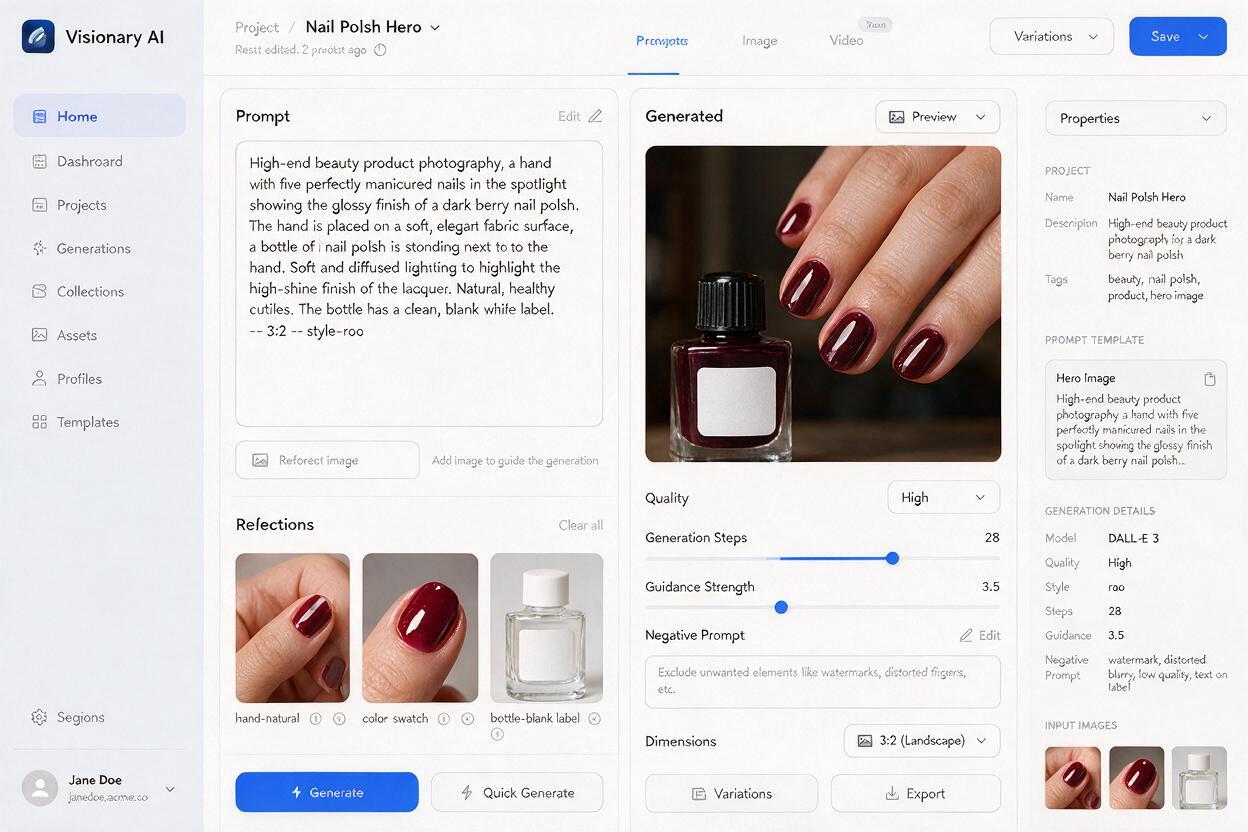
Keep finishes physically believable
Color is only half of a nail swatch. The finish determines how light moves across the curved nail plate, so include material behavior instead of relying on words such as “glossy” or “sparkly.”
- Cream: opaque color with smooth, restrained highlights and no visible particles.
- Jelly: translucent depth, subtle edge buildup, and visible nail curvature beneath the color.
- Shimmer: fine reflective particles that follow the lighting direction rather than covering the nail uniformly.
- Metallic: directional reflection with controlled tonal gradients, not a mirror-chrome surface unless that is the real finish.
- Glitter: particles with varied size, spacing, and brightness embedded in a visible base.
- Matte: broad diffused light with minimal specular shine while retaining natural nail texture.
Do not combine contradictory finish terms. “Matte wet-look jelly chrome” gives the model no coherent material to simulate and usually produces a synthetic surface.
Fix the failures that make nail swatches look synthetic
| Failure | Likely cause | Prompt adjustment |
|---|---|---|
| Extra or fused fingers | Complex pose, overlapping fingers, or too many props | Request a relaxed flat pose, clear finger separation, and exactly five visible fingers |
| Identical artificial nails | “Perfect manicure” language or excessive retouching | Ask for subtle natural variation in nail width, curvature, and cuticle shape |
| Plastic-looking gloss | Too many shine modifiers | Specify one soft reflection per nail and realistic lacquer thickness |
| Wrong undertone | Reliance on a shade name or bottle color | Use a physical applied swatch photographed under neutral light |
| Inconsistent shade lineup | Different lighting or simultaneous multi-hand generation | Generate one shade per image using the same reference, crop, and lighting description |
| Damaged packaging | The model is rebuilding small typography | Protect the original packshot or composite it after generating the scene |
| Airbrushed skin | Beauty-retouching language is too strong | Request visible pores, fine lines, knuckles, and natural tonal variation |
When a result has strong composition but one malformed finger, do not keep regenerating the entire scene immediately. First try a tightly masked edit of the affected area while repeating the anatomy, pose, light, and skin-texture constraints. If the hand continues to drift, return to a simpler pose with less overlap.
Review shade accuracy before publication
Evaluate the image on a calibrated display when possible and compare it with the physical product under a known light source. Check the polish separately from the surrounding skin because warm backgrounds and cool shadows can alter perceived color.
- Compare hue, value, saturation, and undertone with the approved physical swatch.
- Confirm that skin tone has not shifted to make the polish appear brighter.
- Inspect every finger at full resolution for duplicated joints, merged edges, and broken cuticles.
- Confirm that finish behavior matches the actual formula.
- Check packaging against the source packshot, including cap proportions and label placement.
- Review text, claims, disclosure requirements, and platform policies with the responsible brand team.
For the most useful test, begin with one approved hand reference and one physical shade swatch. Then test this prompt yourself before expanding the concept into a complete collection.
Final checklist
- Use a physical applied swatch, not only a poetic shade name.
- Lock hand identity, anatomy, nail shape, crop, and lighting.
- Describe the formula finish through realistic reflection behavior.
- Generate collection shades separately for easier comparison.
- Preserve or composite original packaging when label accuracy matters.
- Inspect fingers, cuticles, highlights, skin texture, and undertone at full size.
- Complete physical-product and brand review before publication.
Keywords
Imagen prompts, nail polish swatches, AI beauty generator, cosmetic product photography, beauty product image, nail polish photography, AI beauty ad