Kling Prompts for Realistic, Ad-Compliant Skincare Before-After Videos
Creating realistic, ad-compliant skincare before-after videos doesn’t require weeks of user trials or expensive production shoots. This collection of Kling prompts delivers natural, consistent transformation clips for five common skincare concerns—from hyperpigmentation to pore refinement—while avoiding the over-the-top edits that trigger ad platform rejections. You’ll also get actionable tips for preserving facial identity, skin texture, and accurate product claims in every generated clip.
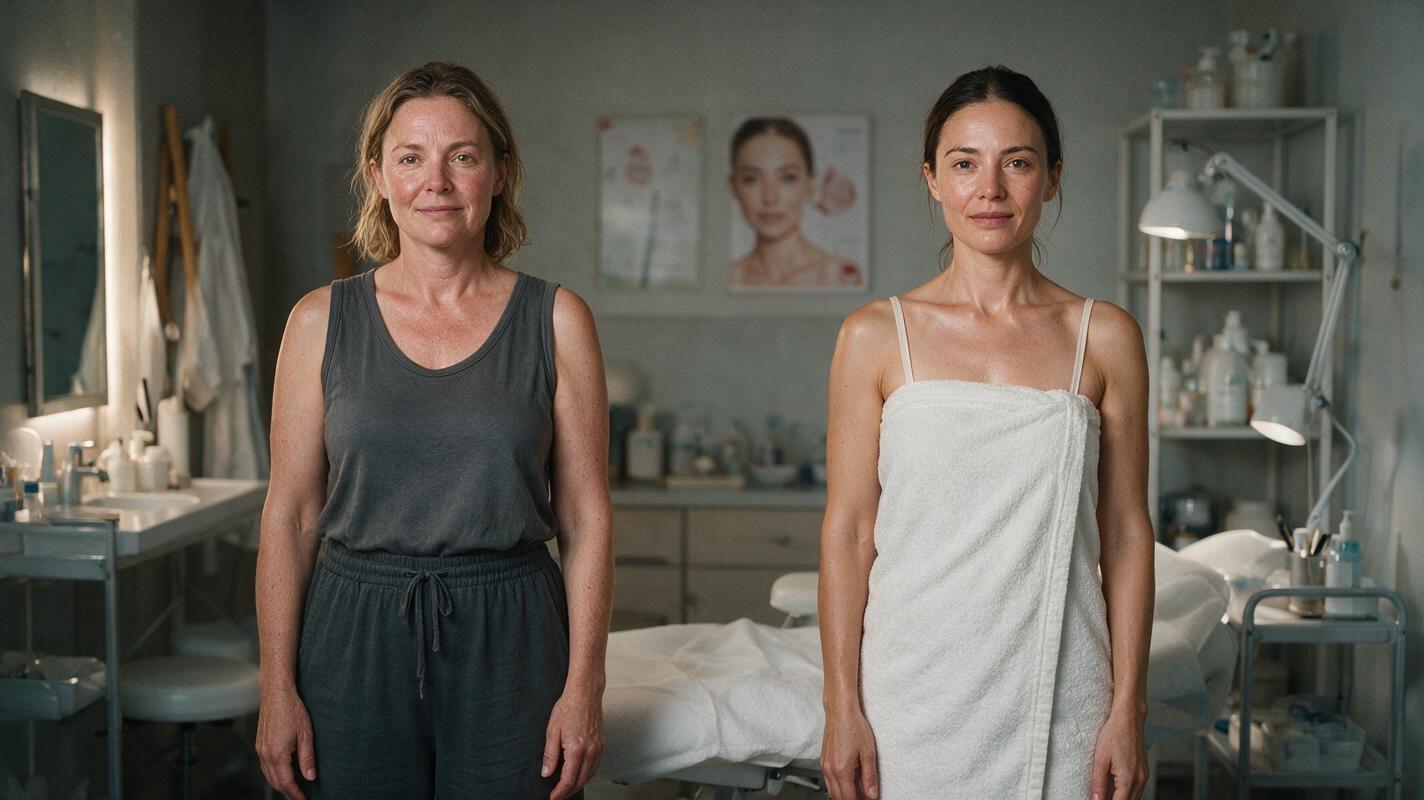
Table of contents
Why Most AI Skincare Before-After Videos Get Rejected
If you’ve ever run a skincare ad, you know the drill: before-after visuals drive clicks and conversions, but creating them takes weeks of user recruitment, controlled lighting, and consistent photography. AI video tools promise to speed this up, but most generate over-the-top transformations—airbrushed plastic skin, shifted facial features, and unrealistic 24-hour miracles—that get flagged by Meta, TikTok, and Google ad policies for misleading claims.
Kling’s text to video model stands out for its stable character consistency and fine-grained control over skin texture, making it possible to generate subtle, believable before-after clips that align with advertising guidelines. Below are reusable prompts for the most common skincare use cases, plus guardrails to keep your output compliant and realistic.
Core Prompt Framework for Ad-Safe Before-After Clips
Every compliant Kling prompt follows the same structure to avoid exaggerated results and preserve realism. Skipping even one component can lead to plastic-looking skin, facial drift, or ad rejection. The five non-negotiable elements are:
- Fixed timeline: A specific, realistic timeframe (2–12 weeks, not "instant" or "overnight") to align with clinical skincare norms.
- Targeted transformation: One clear, specific skincare concern (e.g., "faded dark spots" not "perfect skin").
- Texture preservation: Explicit instructions to keep pores, fine lines, freckles, and natural skin texture intact.
- Consistent conditions: Same lighting, angle, pose, and makeup (or no makeup) across before and after states.
- Compliance note: A line specifying "subtle, realistic results, no over-editing" to rein in the model’s default tendency to over-smooth.
Use this base template as a starting point for any skincare concern:
Vertical 6-second skincare before-after video, side-by-side split screen. Left "before" frame: [describe skin concern], natural skin texture, visible pores, no makeup, soft natural north light, front-facing portrait of a [age range] [ethnicity] woman, neutral expression. Right "after" frame [specific timeline, e.g., 4 weeks of daily serum use]: same woman, identical facial structure, same pose and lighting, subtle [specific improvement, e.g., 25% faded dark spots], pores and fine lines still visible, no airbrushing, no over-editing, realistic results. Slow 1-second cross-fade transition at 3 seconds. No text overlays.Test this prompt yourself to generate a baseline clip for your next skincare campaign, then tweak the transformation intensity to match your product’s clinical data.
5 Reusable Kling Prompts for Common Skincare Concerns
These prompts are calibrated for 6-second vertical clips (ideal for TikTok, Instagram Reels, and ad feeds) and use realistic timelines that match typical skincare product efficacy. Swap in your target age range, ethnicity, and product details to align with your brand audience.
Hyperpigmentation Brightening (4-Week Timeline)
Vertical 6-second skincare before-after video, side-by-side split screen. Left "before" frame: 32-year-old South Asian woman, no makeup, natural skin texture, visible pores, mild brown hyperpigmentation spots on cheeks and upper lip, soft warm window light, front-facing neutral pose. Right "after" frame: same woman, identical face shape, same pose and lighting, 4 weeks of daily brightening serum use, subtle 25% fading of dark spots, slightly more even skin tone, all natural skin texture and pores preserved, no over-smoothing, no filter effect. Slow 1-second cross-fade at the 3-second mark. No text.Pro tip: If the model lightens the overall skin tone instead of just fading dark spots, add "no overall skin lightening, only reduction in hyperpigmentation" to the end of the prompt.
Fine Line Reduction (8-Week Timeline)
Vertical 6-second anti-aging before-after video, side-by-side split screen. Left "before" frame: 45-year-old Black woman, no makeup, natural skin texture, fine lines around eyes and mouth, visible pores, soft neutral studio light, front-facing slight smile. Right "after" frame: same woman, identical facial structure, same pose and lighting, 8 weeks of daily retinol use, subtle softening of fine lines (30% less deep), skin still has natural texture and expression lines, no face lifting, no airbrushing. Slow 1-second cross-fade at the 3-second mark. No text.Pro tip: Avoid phrases like "wrinkle removal"—opt for "softening" or "reduction" to stay compliant with ad policies that ban exaggerated anti-aging claims.
Acne Clearing (6-Week Timeline)
Vertical 6-second acne skincare before-after video, side-by-side split screen. Left "before" frame: 22-year-old Latina woman, no makeup, natural skin texture, mild inflammatory acne on forehead and chin, visible pores, post-inflammatory redness, soft cool daylight, front-facing neutral pose. Right "after" frame: same woman, identical face shape, same pose and lighting, 6 weeks of daily salicylic acid treatment, most active pimples cleared, faint post-acne marks remaining, skin texture and pores still visible, no perfect smooth skin, no over-editing. Slow 1-second cross-fade at the 3-second mark. No text.Pro tip: Leaving faint post-acne marks in the "after" frame makes the result feel far more authentic and reduces the risk of ad rejection for misleading claims.
Dull Skin Radiance Boost (2-Week Timeline)
Vertical 6-second glow skincare before-after video, side-by-side split screen. Left "before" frame: 28-year-old East Asian woman, no makeup, natural skin texture, dull uneven skin tone, visible pores, soft indoor light, front-facing neutral pose. Right "after" frame: same woman, identical facial structure, same pose and lighting, 2 weeks of daily vitamin C serum use, subtle healthy glow, more even skin tone, skin still has natural texture and pores, no shiny filter effect, no over-brightening. Slow 1-second cross-fade at the 3-second mark. No text.Pro tip: If the output looks too shiny or filtered, add "matte natural glow, no dewy filter effect" to ground the result in real skin behavior.
Pore Refinement (4-Week Timeline)
Vertical 6-second pore care before-after video, side-by-side split screen. Left "before" frame: 35-year-old white woman, no makeup, natural skin texture, enlarged pores on nose and cheeks, visible blackheads, soft natural window light, close-up front-facing pose. Right "after" frame: same woman, identical face shape, same pose and lighting, 4 weeks of weekly clay mask use, subtle reduction in pore appearance, pores still visible (not erased), skin texture intact, no airbrushing, no smooth plastic skin. Slow 1-second cross-fade at the 3-second mark. No text.Pro tip: For close-up clips, add "extremely detailed skin texture, 4K macro detail" to ensure pores and fine lines stay sharp and realistic.
How to Keep Facial Identity Consistent Across Before and After
One of the most common issues with AI before-after videos is facial drift: the "after" version looks like a different person entirely, which breaks trust and makes your ad feel fake. Kling’s character consistency features help, but these tweaks will make a bigger difference:
- Start with a reference image: Use Kling’s image-to-video feature with a single high-quality photo of your model as the "before" state. This locks in facial structure, skin tone, and pose far better than text-only prompts.
- Explicitly ban face changes: Add "identical facial structure, no face reshaping, no eye enlargement, no nose alteration" to every prompt to reinforce that the only change should be the skin condition.
- Keep transformation intensity low: The more dramatic the skin change, the more likely the model is to alter other facial features to match. Stick to subtle, 20–30% improvements for the most consistent results.
Ad Compliance Guardrails to Avoid Rejection
Even the most realistic AI before-after video can get rejected if it violates platform policies around skincare claims. Follow these rules to stay on the right side of Meta, TikTok, and Google ad guidelines:
- Always state the timeline clearly: Add a text overlay (either via Kling’s text feature or post-production) that says "Results after X weeks of daily use" to avoid implying instant changes.
- Avoid absolute language: Never use words like "perfect", "flawless", "cured", or "permanent" in your prompt or ad copy. Stick to "improved", "reduced", or "faded".
- Disclose AI generation when required: Some platforms now require disclosure of AI-generated content in advertising. Check your platform’s latest policies and add a small "AI-generated illustrative example" disclaimer if needed.
- Match claims to clinical data: If your product has clinical trial data showing 27% reduction in dark spots after 4 weeks, use that exact number in your prompt to align your creative with your proven efficacy.
Final Checklist
- Use the 5-part prompt framework (timeline, transformation, texture, consistency, compliance) for every before-after clip.
- Stick to subtle 20–30% improvements to avoid fake-looking results and ad rejection.
- Start with a reference image to lock in facial identity and prevent drift.
- Preserve natural skin texture (pores, fine lines, faint blemishes) for authenticity.
- Add clear timeline disclosures and AI labels when required by ad platforms.
Keywords
kling prompts, skincare before after video, ai beauty ad, cosmetic product video, skincare ad creative, realistic ai video, beauty campaign ai