Seedream 4.5 Prompts for Virtual Staging Vacant Listing Photos
Vacant listings take longer to sell and cost thousands in traditional staging fees, but Seedream 4.5 lets real estate marketers generate photorealistic virtual staging from existing listing photos in minutes. This guide includes 4 ready-to-use prompts for popular design styles tailored to different buyer personas, plus quick fixes for common AI staging mistakes like warped walls and mismatched lighting. Use these prompts to create style variants for social testing and listing sites without hiring a professional stager.
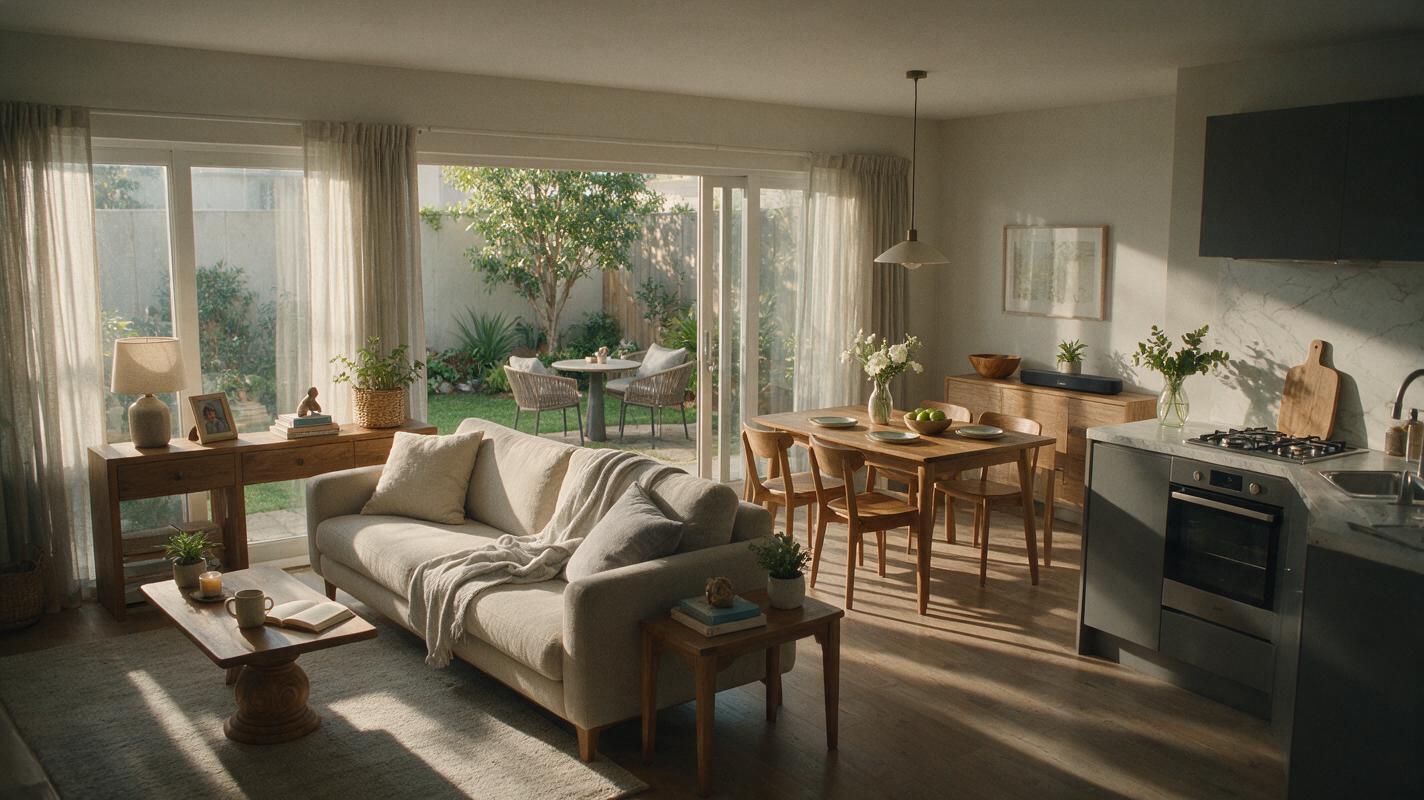
Table of contents
The problem with vacant listing photos (and how AI fixes it)
Vacant listings sell 31% slower than staged homes, according to real estate industry data, and traditional professional staging can cost $500 to $2,000 per room — a huge expense for agents marketing multiple mid-tier or budget listings. Even worse, many generic AI staging tools produce distorted, fake-looking rooms that warp walls, misalign furniture, or ignore the home’s existing natural light, turning off potential buyers instead of drawing them in.
Seedream 4.5 solves this by using your existing vacant listing photo as a structural reference, so the room’s layout, trim, window placement, and lighting direction stay completely intact while you add furniture and decor in any style you want. A high-quality ai image generator can preserve the original room’s character instead of replacing it with a generic stock room that doesn’t match your listing.
Choose the right vacant photo for staging success
Your final staged image is only as good as your base photo. Before you start prompting, pick a vacant listing photo that meets these criteria to get the most consistent, realistic results:
- Shot at eye level from a corner, showing two full walls to give the AI a clear sense of room depth and scale
- Well-lit with natural light (avoid harsh flash, which creates uneven shadows and washed-out walls)
- Landscape orientation (16:9 or 4:3) with the entire room in frame, no cropped doorways or partial furniture
- Completely empty — remove all personal items, trash, or leftover decor before shooting
- Straight, level framing (no tilted walls or distorted perspective from a wide-angle lens)
Pro tip: If you only have wide-angle photos with slight distortion, add "correct perspective, straight vertical walls" to your prompt to fix minor lens issues during staging.
Core prompt structure for consistent staging
The key to realistic virtual staging with Seedream 4.5 is a prompt that balances two goals: preserving the original room’s architecture and guiding the style of the furniture and decor. Use this 5-part formula for every staging prompt, adjusting details to match your specific room and target buyer:
- Base room context: Describe the room’s size, layout, existing finishes, and light direction to lock in the structural details
- Staging style: Name the specific design style (e.g., modern farmhouse, coastal casual) to set the overall aesthetic
- Furniture & decor: List key pieces you want included, plus small details like throw pillows or plants to add warmth
- Lighting match: Explicitly match the light direction and temperature from your base photo to avoid mismatched shadows
- Quality controls: Add photorealism cues and specify what you don’t want (negative prompts) to fix common issues
Always pair your prompt with your vacant listing photo as a reference image, set the reference strength to 70-80% to keep the room structure intact while allowing the AI to add new furniture.
4 ready-to-use staging prompts for popular buyer personas
These pre-written prompts are optimized for Seedream 4.5 and tailored to the most common buyer segments for residential listings. Swap out room-specific details (size, finishes, light direction) to match your exact vacant photo.
Modern Farmhouse (for suburban family buyers)
Positive prompt:
Reference photo of empty 14x16 living room with light oak hardwood floors, white baseboard trim, large picture window on back wall, warm golden afternoon light coming from left side. Staged in modern farmhouse style: plush linen sectional sofa in oatmeal, reclaimed wood coffee table with metal legs, two woven armchairs, white shiplap accent wall on right, jute area rug, potted fiddle leaf fig in corner, knit throw blankets and neutral throw pillows, wooden floating shelves with ceramic decor. Photorealistic, sharp details, textured fabrics, natural wood grain, furniture placed firmly on floor, accurate scale for room size.

Negative prompt:
warped walls, distorted trim, floating furniture, mismatched lighting, blurry details, plastic-looking decor, extra doorways, cartoonish style, cluttered space
Ideal for 3-4 bedroom suburban homes targeted at young families who value cozy, functional spaces.
Mid-Century Modern (for urban professional buyers)
Positive prompt:
Reference photo of empty 12x14 condo living room with polished concrete floors, white walls, floor-to-ceiling window on left wall, bright cool natural daylight. Staged in mid-century modern style: low-profile walnut sofa in charcoal wool, teak media console, two tapered-leg armchairs in burnt orange, round marble coffee table with wooden base, geometric area rug in muted tones, wall-mounted abstract art, small potted snake plants, brass light fixtures. Photorealistic, sharp details, smooth wood finishes, fabric texture, furniture properly scaled for small space, no distortion.

Negative prompt:
bulky furniture, warped walls, mismatched light direction, floating decor, blurry textures, ornate details, cheap plastic look, extra windows
Perfect for downtown condos and townhomes marketed to single professionals or childless couples.
Coastal Casual (for vacation or waterfront listings)
Positive prompt:
Reference photo of empty 13x15 beach house living room with light gray hardwood floors, white walls, sliding glass door on right wall leading to patio, bright warm natural sunlight. Staged in coastal casual style: white slipcovered sofa, two wicker armchairs with blue cushions, light wood coffee table with rope detailing, jute area rug, striped throw pillows in navy and white, potted palm plants, wall-mounted framed seascape art, woven basket decor. Photorealistic, soft natural light, textured fabrics, natural fiber details, furniture placed securely on floor, accurate proportions.

Negative prompt:
dark furniture, warped walls, harsh shadows, floating objects, plastic decor, cluttered space, mismatched window placement, cartoon style
Great for vacation rentals, waterfront homes, or properties in warm coastal markets.
Minimalist Luxury (for high-end urban listings)
Positive prompt:
Reference photo of empty 15x18 luxury penthouse living room with wide-plank white oak floors, floor-to-ceiling windows on back wall with city skyline view, soft warm evening light. Staged in minimalist luxury style: low-profile modular sofa in cream linen, marble burl coffee table, one sleek leather accent chair in charcoal, minimal abstract wall art, small potted bonsai tree, thin brass floor lamp, plush neutral area rug. Clean, uncluttered, high-end finishes, photorealistic, sharp architectural details, furniture scaled correctly, natural light matches reference photo.

Negative prompt:
cluttered decor, bulky furniture, warped walls, distorted skyline view, mismatched lighting, cheap materials, cartoonish look, extra columns
Designed for luxury condos and high-end homes targeted at affluent buyers who prefer clean, uncluttered spaces.
Once you pick a style that matches your target buyer, test this prompt yourself with your own vacant listing photo to see how quickly you can generate a usable staged image.
Fix the most common AI staging mistakes
Even with great prompts, you might run into small issues with your staged images. Use these quick fixes to adjust your prompt and get better results on your next generation:
- Warped walls or distorted trim: Add "preserve original room architecture, straight vertical walls, consistent trim height" to your positive prompt, and increase reference strength by 5-10%.
- Mismatched lighting or shadows: Be extra specific about light direction and temperature (e.g., "warm golden hour light from left window, soft shadows on right wall") and make sure it matches your base photo exactly.
- Floating or incorrectly sized furniture: Add "furniture placed firmly on floor, realistic scale for 12x14 room, no floating objects" to your positive prompt, and include specific furniture dimensions if needed.
- Fake-looking plastic decor: Add "textured fabrics, natural wood grain, subtle wear on furniture, photorealistic material details" to your prompt to add depth and realism to surfaces.
- Extra doorways or windows that aren’t in the original room: List the exact number of windows and doors in your base room context, and add "no extra doorways or windows" to your negative prompt.
Key takeaways
- Start with a high-quality, well-lit vacant listing photo as your reference to get the most realistic staged results.
- Use the 5-part prompt formula to preserve the original room’s architecture while guiding the staging style.
- Test 2-3 different staging styles targeted at your core buyer personas to see which drives more inquiries.
- Fix common AI staging issues with small prompt tweaks instead of starting from scratch.
- Use your staged images across listing sites, social media carousels, and ad campaigns to boost engagement and sell homes faster.
Keywords
seedream 4.5, virtual staging, vacant listing photos, real estate marketing, ai image generator, staging prompts, listing images