AFM 2026 Opens With Federal Film Tax Incentive as Day-One Centerpiece
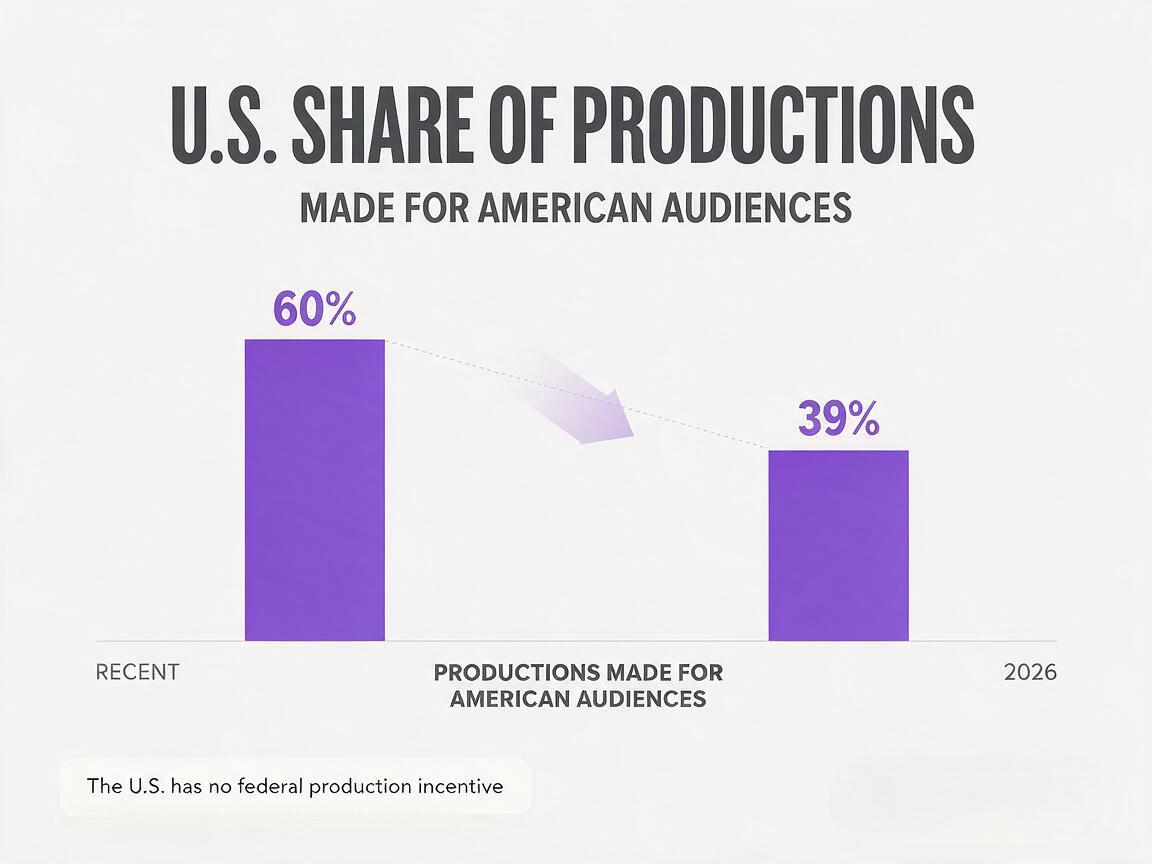
The 2026 American Film Market opened in Los Angeles on November 10 with a proposed federal film production tax incentive as its top priority, as the MPA reports US-shot productions for American audiences have fallen from 60% to 39% in recent years. The industry is pushing for congressional passage by year-end to enable January 2027 production starts, though the Democratic midterm sweep adds uncertainty. This shift highlights how AI content creation tools can give independent creators location-independent production options that bypass traditional cost barriers.
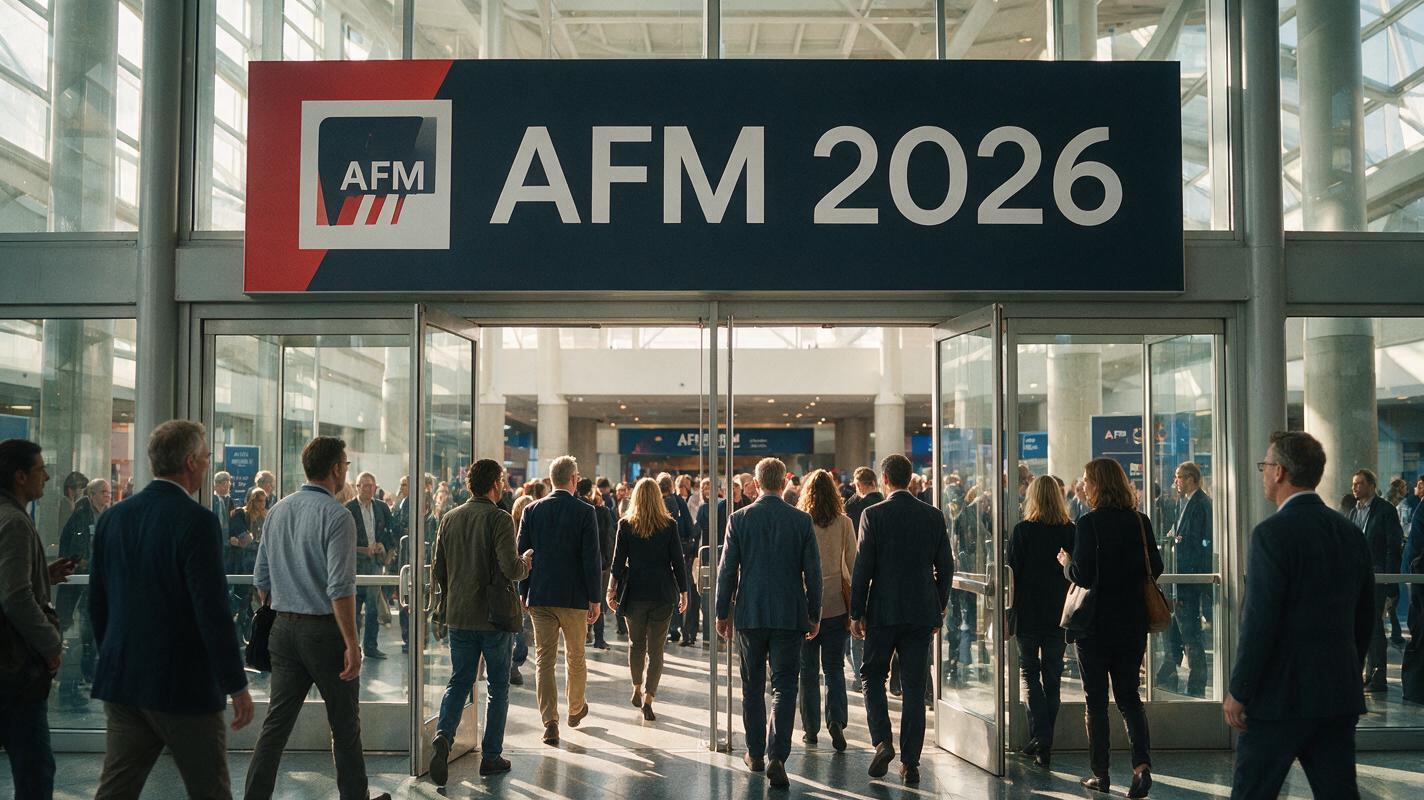
Table of contents
AFM 2026’s Day-One Priority: A Federal Film Production Tax Incentive
The 2026 American Film Market (AFM) opened in Los Angeles on November 10 with an unexpected day-one centerpiece: a proposed federal film production tax incentive, rather than a single high-profile film package. The Motion Picture Association (MPA) is leading the push for the incentive, with SVP for federal affairs Josh Rogin framing the issue bluntly: “we need to bring Tom Cruise home to make movies here.” Rogin noted that when Cruise shoots films in France, the jobs and his tax revenue go to France instead of the US.
The MPA’s key data point underscores the urgency: the share of productions made for American audiences that are shot in the US has fallen from 60% a few years ago to roughly 39% today. Rogin added that the US is “dead last” among major producing nations, with no federal production incentive at all.
The push has high-profile political backing. SP Media Group’s Stephen Paul and Scott Karol recounted their Oval Office meeting with President Trump alongside Hollywood “special ambassador” Jon Voight. Following the meeting, Trump posted on Truth Social that Congress should immediately approve a Federal Production Incentive. Paul told Trump he was ashamed to be filming a Nixon movie in England because he could not afford to shoot it in the US.
The Stakes: Declining US Production Share
The 21-point drop in US-shot productions reflects a long-running trend of film and TV projects chasing more generous incentive programs in other countries and US states. Without a federal incentive to level the playing field, even high-profile, big-budget projects often opt to shoot abroad to maximize their budgets, taking jobs, tax revenue, and creative infrastructure with them.
Political Uncertainty and Indie Optimism
The film industry is pushing for Congress to pass the incentive bill before the end of 2026, so producers can lock in January 1, 2027 start-of-production dates to qualify. However, the recent Democratic midterm sweep has added uncertainty to the timeline, as the balance of power in Congress shifts and legislative priorities are renegotiated.
Despite the political headwinds, The Hollywood Reporter’s AFM preview notes rare optimism across the industry about returning theater audiences and breakout indie hits. One such hit is You Can See Everything, which has grossed $79.8 million worldwide on a modest budget, proving that mid-tier and independent projects can still resonate with audiences when they connect with cultural conversations.
What This Means for AI Content Creators
The fight for a federal film tax incentive highlights a core truth of traditional film production: location and cost are make-or-break factors for most projects. For decades, studios and independent producers have chased tax breaks across states and countries to keep budgets manageable, often shifting jobs and creative work away from communities without incentive programs.
For independent AI content creators, this dynamic presents a clear opportunity. Unlike traditional productions that rely on physical sets, location shoots, and large crews, AI-powered content creation can happen from anywhere in the world, with no need to qualify for regional or federal tax incentives to keep costs low. This levels the playing field for creators who don’t have access to studio budgets or production tax credits.
Building Location-Independent Content Pipelines With AI
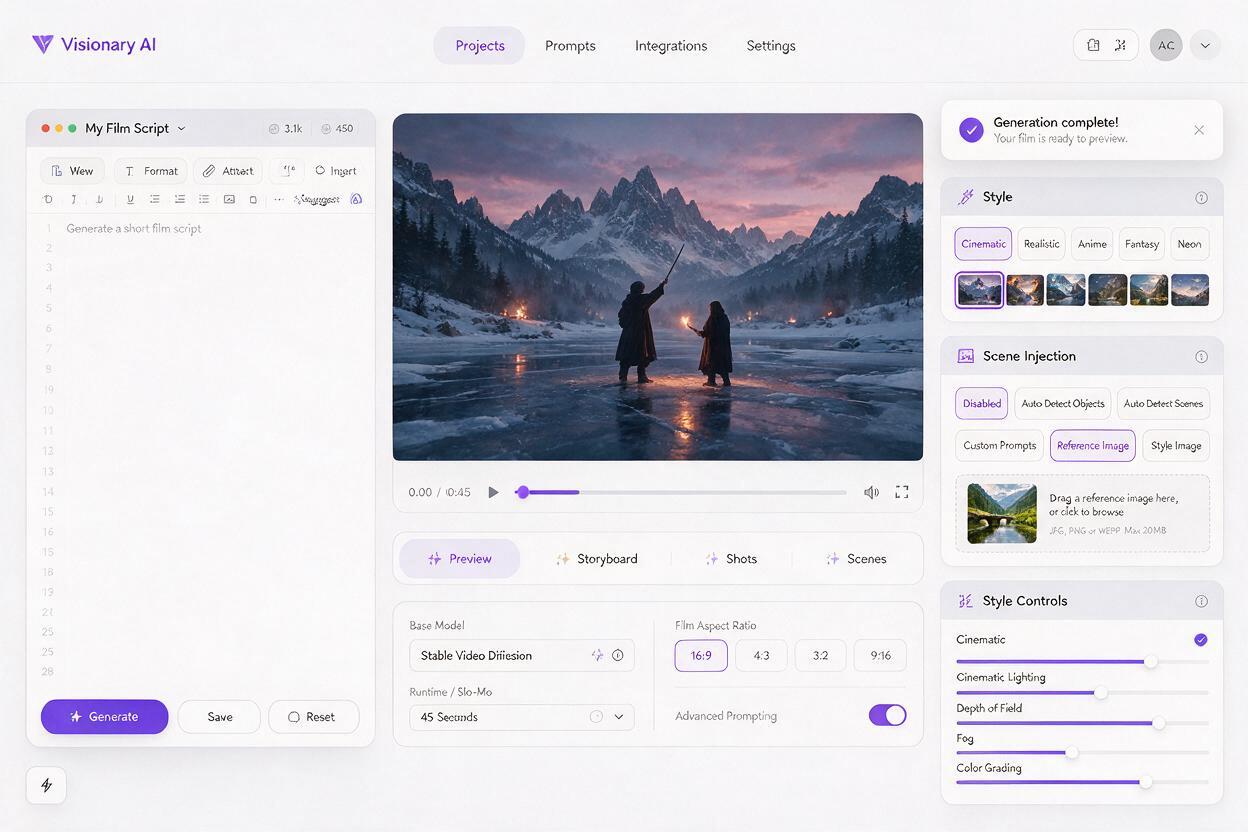
Tools like ai film generator let creators develop entire short films, concept videos, or proof-of-concept footage without scouting locations, hiring crews, or navigating tax incentive applications. With just a script or an idea, creators can generate polished, cinematic footage in hours, iterating quickly without the overhead of traditional production.
For shorter-form content, text to video tools make it easy to turn social media concepts, micro-dramas, or promotional clips into ready-to-publish footage in minutes. These tools eliminate the need for physical production entirely, letting creators focus on story and audience engagement rather than logistics and cost-cutting.
MagicBoat brings these capabilities together in a single platform, with a suite of AI tools tailored for content creators, filmmakers, and storytellers. Whether you’re testing a feature film concept, building a series of ai short drama episodes, or creating social media content, you can try these models for free to see how AI can streamline your production workflow.
Key Takeaways
- AFM 2026 opened with a proposed federal film production tax incentive as its top priority, driven by a 21-point drop in the share of US-shot productions for American audiences.
- The industry aims to pass the incentive bill by year-end to enable January 2027 production starts, though Democratic midterm gains add legislative uncertainty.
- Traditional film production’s reliance on location-based tax incentives creates barriers for independent creators without access to studio budgets or regional programs.
- AI film and text-to-video tools let creators build location-independent content pipelines, bypassing traditional production cost barriers entirely.

Keywords
afm 2026, federal film tax incentive, film production, ai content creation, ai film, text to video, independent film