Study: AI Coding Agents Produce More Code But Gains Lost to Human Review Bottleneck
A recent study reported via Ars Technica finds that AI coding agents produce higher volumes of code than human-only teams, but the expected productivity gains are largely absorbed by human review and validation bottlenecks. For AI video and image creators who use coding agents to automate repetitive workflow tasks, the findings highlight the need for intentional planning to balance speed with reliable output. A unified multi-model platform like MagicBoat helps creators streamline review and access all their creative AI tools in one place.
Table of contents
What the New AI Coding Agent Study Reveals
A new study on AI coding agent productivity is challenging the common narrative that AI code tools automatically translate to faster development and workflow automation.
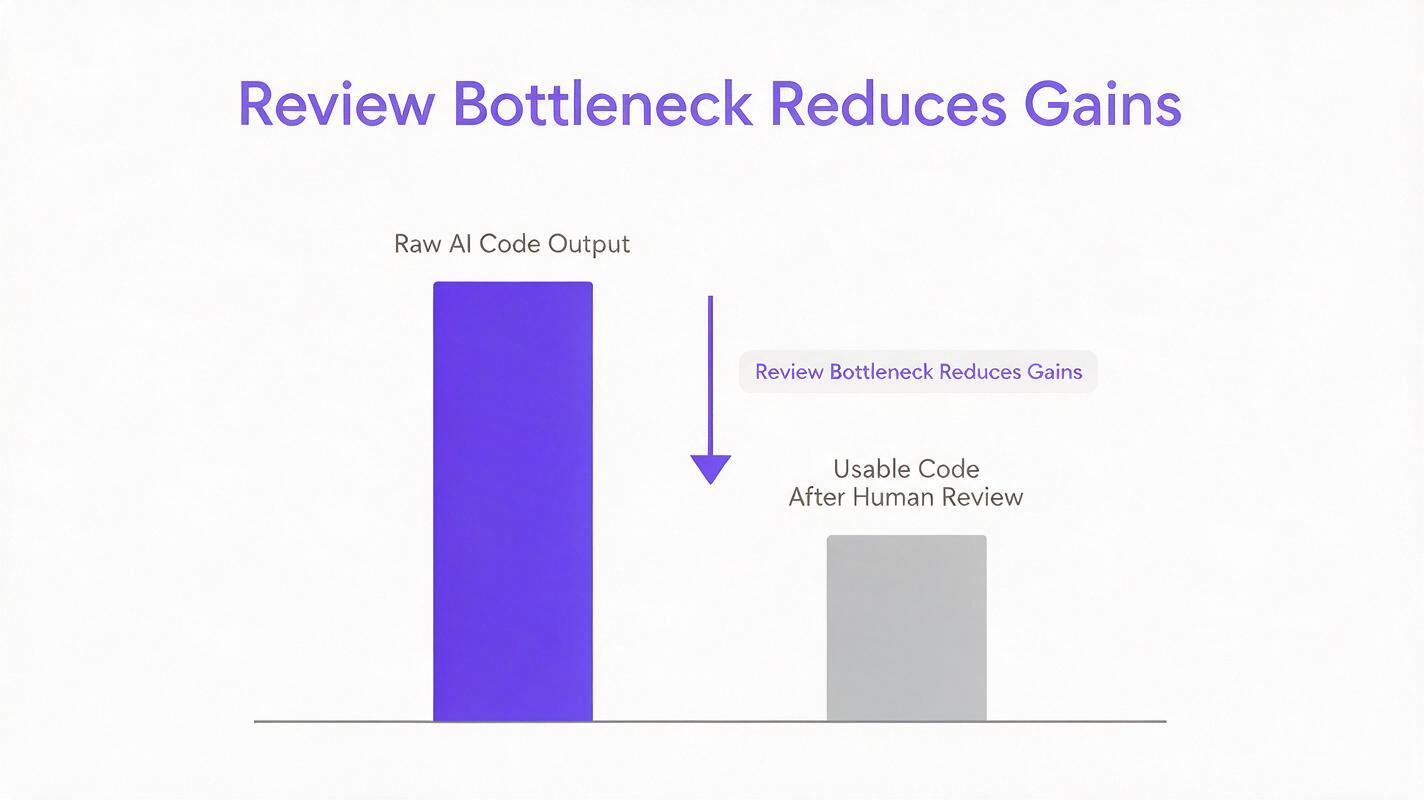
Reported on October 9, 2026 via Ars Technica, the study examines the real-world output of teams using autonomous AI coding agents—tools that can write, edit, and debug code with limited human guidance. Its core finding is clear: while AI coding agents generate a greater volume of code than human developers working alone, the bulk of the expected productivity gains are absorbed by the additional time required for human review and validation.
The result points to a critical distinction between raw output and usable output: code generated by AI agents often requires thorough checking before it can be safely integrated into live workflows, eroding much of the time saved by automated generation.
Why This Matters for AI Video and Image Creators
Though the study focuses on software development teams, its findings are directly relevant to AI video and image creators who rely on coding agents to streamline their creative workflows. Many independent creators and small studios use AI coding tools to build custom automation scripts, batch processing utilities, and integrations between different AI platforms, all to cut down on repetitive technical busywork.
For example, a creator might use a coding agent to build a script that automatically resizes and formats generated images for multiple social media platforms, or that syncs text to video output with audio tracks and video editing software timelines. The core promise is consistent: less time on administrative and technical tasks, more time for creative decision-making.
But the study’s findings suggest that creators who adopt coding agents without planning for review time may not see the time savings they anticipate. A short script that takes an AI agent 10 minutes to generate might take an hour to test, debug, and adjust to fit a specific workflow—especially for creators without a formal software development background.
How to Reduce Review Bottlenecks in Your Creative Workflow
The study’s conclusion is not that coding agents are a poor investment for creators. Instead, it highlights the need for intentional, structured use of AI coding tools to maximize gains while minimizing review overhead. These practical strategies can help you apply the findings to your own creative work:
- Start with small, well-defined tasks. Instead of asking a coding agent to build an entire end-to-end automation tool from scratch, break projects into small, testable chunks. A script that handles one specific task (like renaming a batch of image files) is far faster to review and validate than a complex multi-step system.
- Prioritize review for high-stakes code. Allocate more review time to code that interacts with critical assets, publishes content directly, or modifies core workflow tools. For low-stakes scripts that can be easily rolled back if they fail, you can streamline the review process without risking major disruptions.
- Cross-check output across multiple tools. For particularly important automation tasks, generate code with two different AI agents and compare the results. This can catch errors and inconsistencies faster than reviewing a single output from scratch, while also giving you a better sense of which approach fits your needs best.
For creators who work with ai image generator tools, video generation platforms, and custom workflow scripts, the biggest productivity wins come from combining tools in a way that plays to each one’s strengths: AI for fast draft output, human judgment for validation and creative direction.
The Value of a Unified Multi-Model Platform
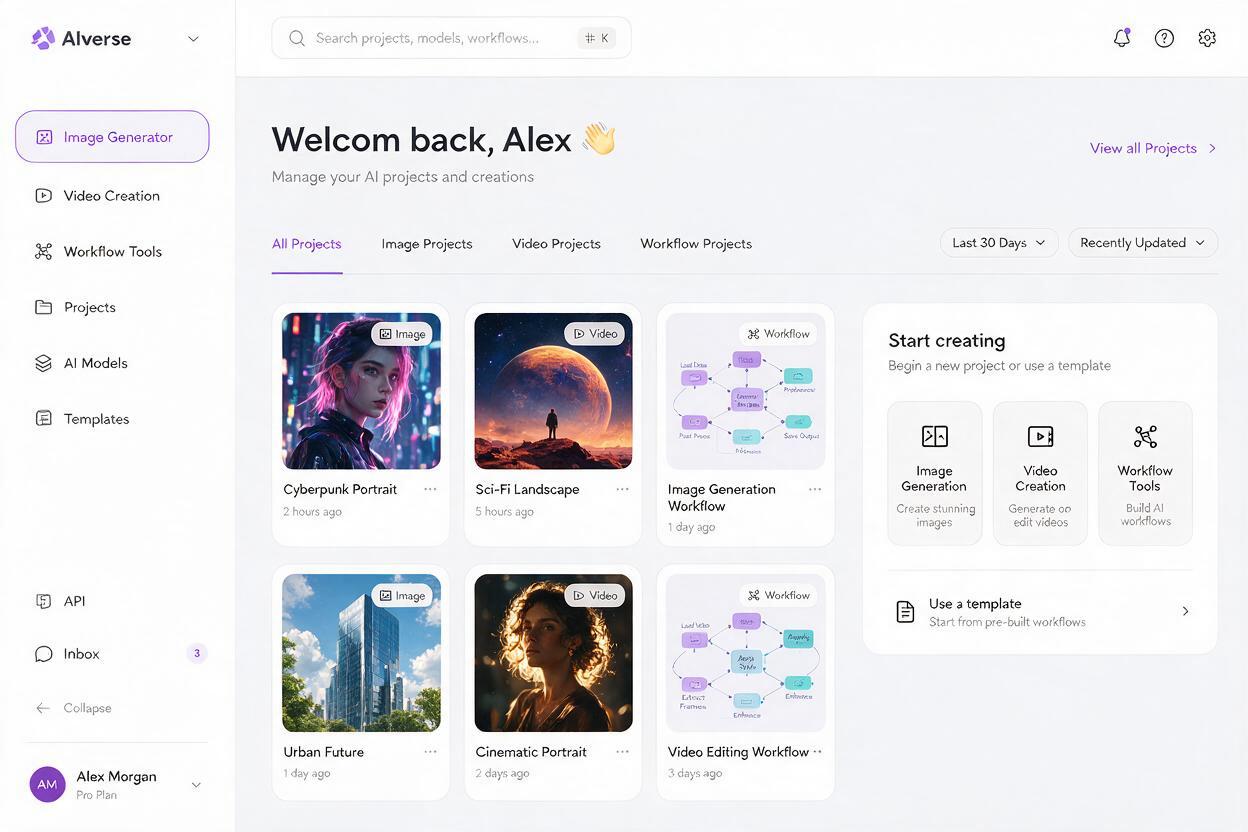
One of the most effective ways to reduce review bottlenecks and build reliable creative workflows is to use a single, unified platform that gives you access to multiple AI tools in one place. Instead of juggling separate accounts for coding agents, image generation, video creation, and audio tools, a unified platform lets you switch between tools, cross-check outputs, and build integrated workflows without constant context switching.
MagicBoat is designed for AI creators who want both flexibility and reliability in a single platform. You can generate visual assets, produce video content, and test automation ideas all from one account, with access to a range of leading AI models. This makes it easier to compare outputs, validate results, and build workflows that balance speed with quality—without the hassle of managing multiple subscriptions and login details.
If you’re ready to explore how multi-model access can streamline your creative workflow, try these models for free and see how they fit into your process.
Key Takeaways
- A recent study finds that AI coding agents produce more code than human-only teams, but most productivity gains are offset by human review and validation time.
- For AI video and image creators, this means coding agents can speed up workflow automation, but require intentional planning for review and testing to deliver real time savings.
- Breaking tasks into small chunks, prioritizing high-stakes review, and cross-checking outputs across tools can help reduce the review bottleneck.
- A unified multi-model platform like MagicBoat makes it easier to balance speed and reliability across all your creative AI tools.
Keywords
ai coding agents, human review bottleneck, ai productivity study, ai workflow automation, ai video tools, ai image generator, free ai tools