'AI Inevitability' Narrative Fails Scrutiny, DeadSimpleTech Opinion Says
A recent October 2026 opinion piece from deadSimpleTech challenges the popular 'AI inevitability' narrative, arguing it does not hold up under close scrutiny. The analysis pushes back against deterministic claims about AI’s unstoppable growth and transformative impact, highlighting gaps between industry hype and real-world implementation. This debate has key implications for content creators navigating AI tools and long-term workflow planning.
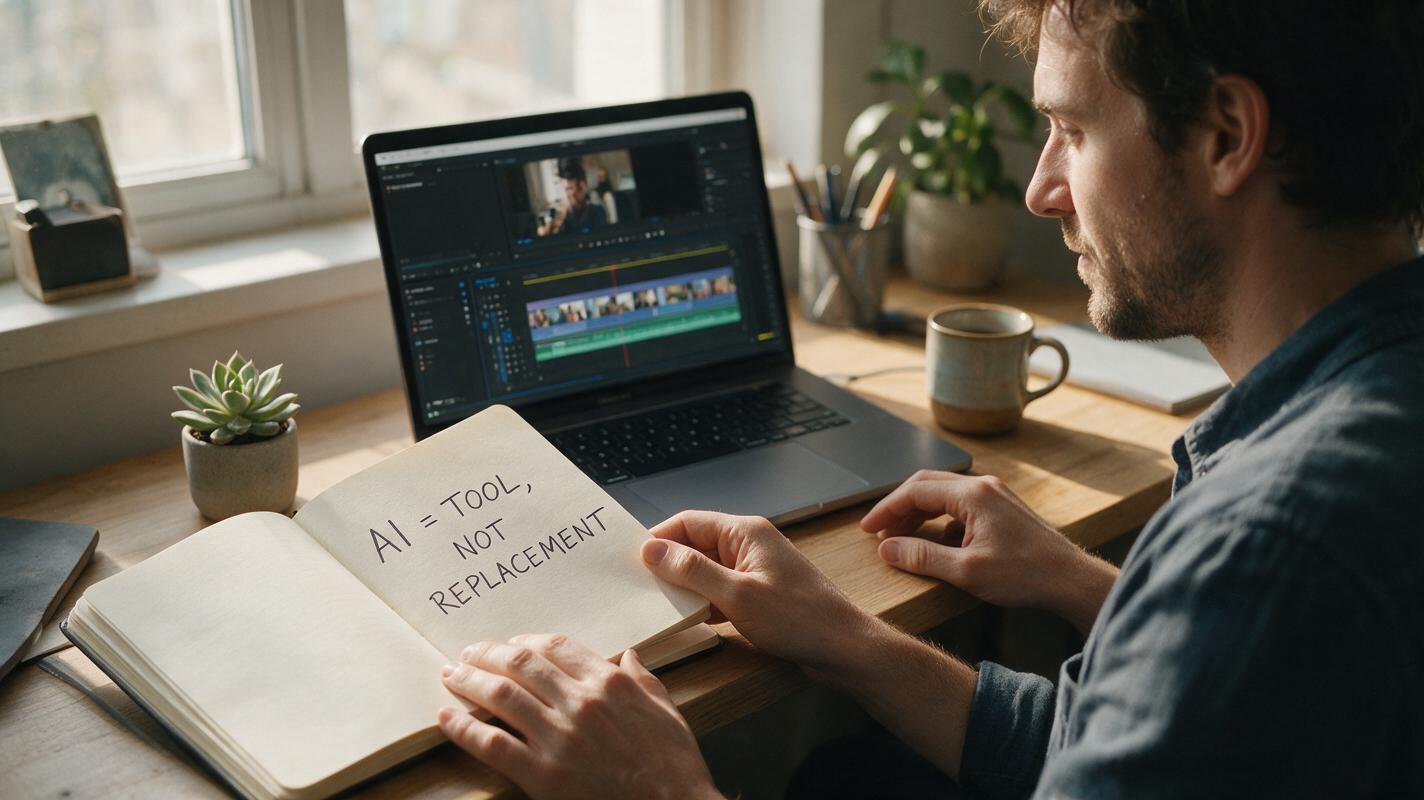
Table of contents
The "AI Inevitability" Narrative Faces New Pushback
On October 10, 2026, tech publication deadSimpleTech published an opinion piece arguing that the widespread "AI inevitability" narrative fails to hold up under close scrutiny. The narrative, which has become a staple of tech discourse in recent years, frames artificial intelligence as an unstoppable, exponentially advancing force that will inevitably reshape every industry, replace large swathes of the workforce, and redefine how society functions. Those who subscribe to the narrative often argue that resistance to AI is futile, and that individuals and organizations must adopt every new AI tool immediately to avoid being left behind.
The deadSimpleTech piece joins a growing body of pushback against this deterministic framing, adding to a debate that has been building as generative AI tools move from experimental launches to mainstream adoption. While the opinion focuses on the narrative’s logical and empirical gaps, its publication comes at a time when many content creators are navigating conflicting messages about AI’s role in their work — from claims that AI will fully replace writers and video creators to arguments that AI is merely an incremental productivity tool.
Why the AI Inevitability Narrative Has Spread So Quickly
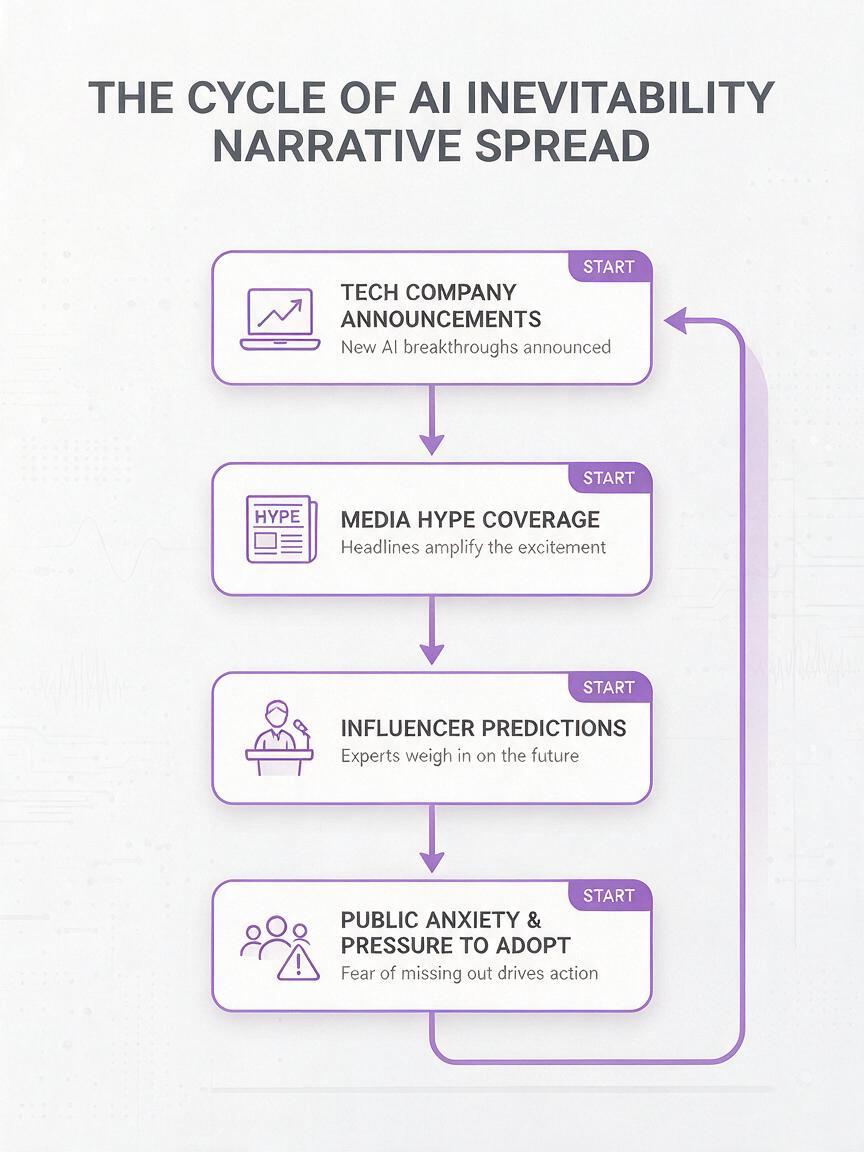
The AI inevitability narrative has gained traction for several understandable reasons. The past half-decade has seen rapid advances in generative AI capabilities, from text generation and image creation to video production and ai agent tools that can automate complex multi-step tasks. High-profile models and ai assistant tools like claude are often held up as examples of this rapid progress, featured in headlines about AI’s growing capabilities. High-profile tech leaders have made bold predictions about AI’s transformative potential, and media coverage often prioritizes breakthrough announcements over nuanced discussions of limitations, deployment challenges, and real-world utility.
For content creators, this narrative has created a persistent undercurrent of anxiety. Many creators report feeling pressure to adopt every new AI tool as soon as it launches, for fear of falling behind peers who leverage AI to produce content faster or at lower cost. Others worry that their skills will become obsolete as AI tools become more capable of generating text, images, and video with minimal human input. This pressure has led to a culture of "AI hustle" where creators prioritize keeping up with the latest tools over refining their craft or building sustainable workflows.
At the same time, the narrative often ignores critical context: AI tools still require human direction and oversight to produce high-quality, original work; many AI capabilities are overstated in marketing materials; and adoption of AI tools in creative industries is often slower than predicted, as teams navigate quality control, copyright concerns, and workflow integration challenges.
What Pushback Against the Narrative Means for Creators
If the AI inevitability narrative fails scrutiny, as the deadSimpleTech opinion argues, the implications for content creators are significant. Instead of viewing AI as an unstoppable force that will either replace them or require them to constantly chase new tools, creators can take a more intentional, human-centered approach to AI adoption. This shift reframes AI from an existential threat or a mandatory upgrade to a set of tools that can be used selectively to augment creative work and streamline ai workflow processes.
For example, a video creator might use an ai video generator to quickly draft visual concepts for a project, streamlining their ai video workflow while retaining full control over the final edit, tone, and creative direction. A writer might use an ai script writer to brainstorm scene ideas or draft initial dialogue, but refine and rewrite the material to match their unique voice and vision.
This approach also reduces the risk of workflow disruption when individual tools change, fail, or become unavailable. Instead of building an entire workflow around a single AI model or platform, creators can use multi-tool setups that let them swap out tools as needed, without derailing ongoing projects. This flexibility is particularly valuable as the AI landscape continues to evolve, with new models launching regularly and existing tools changing their features, pricing, or availability.
Building a Sustainable, Human-Led AI Workflow
Creating a sustainable AI workflow starts with centering human creativity and decision-making, rather than prioritizing AI adoption for its own sake. This means identifying specific, repetitive or time-consuming tasks that can be automated with AI, while reserving high-level creative choices — like concept development, tone setting, and final approval — for human creators.
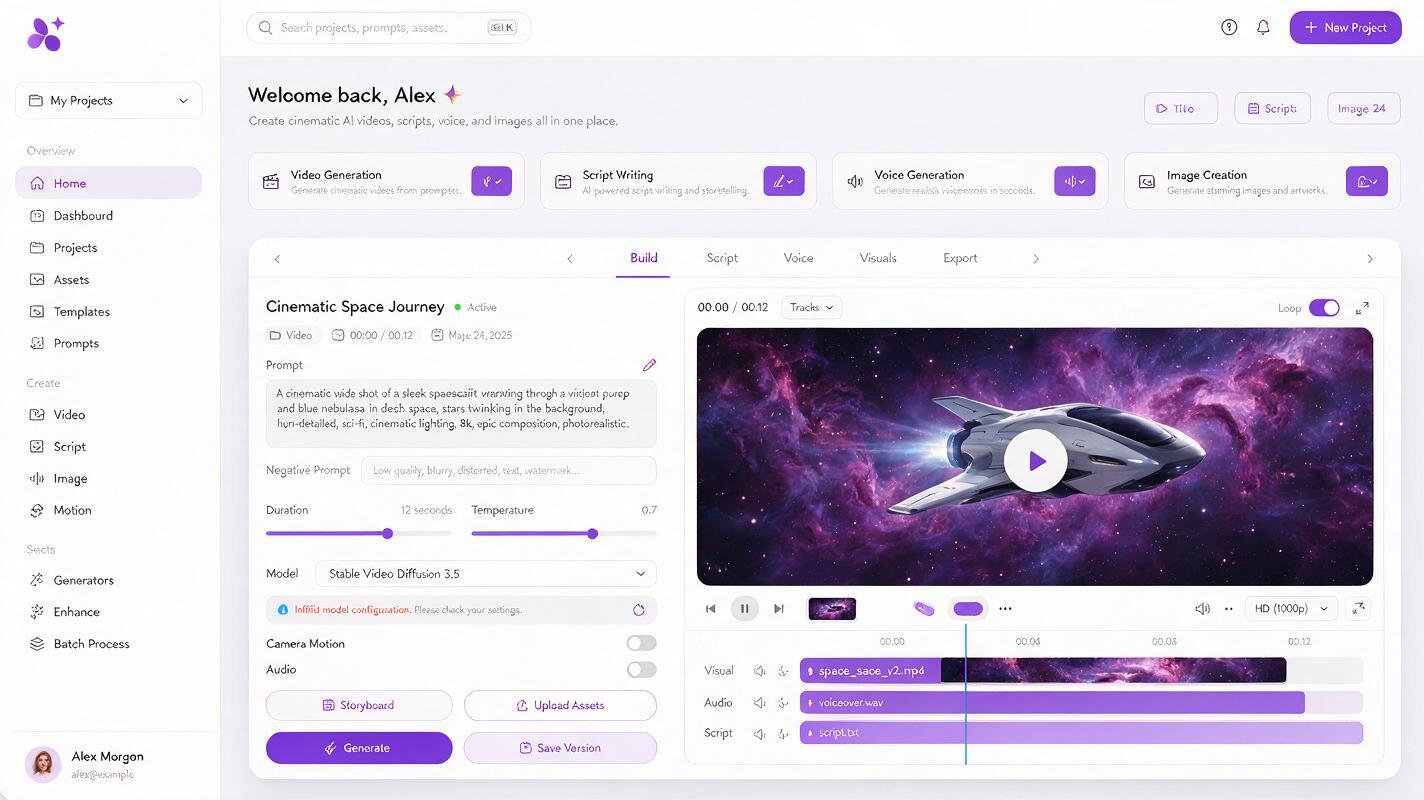
For many creators, working with a unified multi-model platform like MagicBoat simplifies this process, by putting a range of AI tools in one place, accessible through a single account. Instead of managing separate subscriptions and logins for every AI tool, creators can access video generation, script writing, voice generation, and image creation capabilities, all within the same ecosystem. This makes it easy to test different tools for specific tasks, swap between models as needed, and build workflows that leverage the strengths of each tool without being locked into a single provider.
Another key element of a sustainable workflow is setting clear boundaries for AI use. This might include defining which tasks AI can handle independently, which require human review, and which are reserved entirely for human creators. These boundaries help ensure that AI supports creativity rather than overriding it, and that creators retain ownership of their work and their creative voice.
Finally, creators can build resilience by focusing on developing skills that AI cannot easily replicate — like original storytelling, unique artistic vision, emotional intelligence, and audience connection. These skills are the core of creative work, and they remain valuable regardless of how AI tools evolve. When used strategically, AI can free up time for creators to focus on these high-value skills, by handling routine tasks like footage assembly, initial script drafting, or basic audio editing.
Key Takeaways
- A new October 2026 opinion piece from deadSimpleTech argues that the popular "AI inevitability" narrative fails to hold up under scrutiny.
- The narrative, which frames AI as an unstoppable, transformative force, has spread quickly due to rapid tech advances and high-profile hype, but often ignores real-world limitations and adoption challenges.
- For creators, pushback against the narrative means shifting from anxious AI chasing to intentional, human-centered AI adoption that supports creative goals.
- Building a sustainable AI workflow involves selecting tools strategically, using multi-model platforms for flexibility, and retaining human control over core creative decisions.
- Creators can try these models for free to explore how different AI tools can support their unique workflow without locking into a single provider.
Keywords
ai inevitability, ai narrative, ai hype, ai workflow, ai agent, claude, ai video workflow, content creation