What Are the AI-Found NGINX and Java4Shell Flaws? Fixes | MagicBoat
AI-assisted security research uncovered two CVSS 9.2 HTTP/2 remote-code-execution flaws in NGINX and the OpenJDK Java4Shell vulnerability, according to November 2026 reports from Wiz Research and Calif. F5 fixed the NGINX flaws on November 18, while Java4Shell was fixed on November 17, highlighting how faster vulnerability discovery is compressing patch timelines for AI and creative platforms.

Table of contents
AI-assisted vulnerability discovery is accelerating the patch cycle
AI-assisted security researchers have uncovered two critical HTTP/2 remote-code-execution flaws in NGINX and a separate OpenJDK vulnerability called Java4Shell. The NGINX flaws carried CVSS scores of 9.2 and were fixed by F5 on November 18, 2026, while Java4Shell was fixed on November 17, according to November 20 reporting attributed to Wiz Research, Calif and The New York Times.
The striking detail is not only the severity. Calif said Codex found Java4Shell, tracked as CVE-2026-114938, for under $200 and in about one hour. That cost and discovery-time claim is vendor-reported, not independently verified, but it illustrates why AI-driven security research is turning occasional emergency responses into a more continuous patching burden.
For AI video and image creators, the immediate issue is infrastructure reliability rather than vulnerability research itself. Creative platforms, model gateways and asset pipelines can depend on web servers and Java runtimes, so security updates may affect service availability, upload systems and an entire ai video workflow.
What Happened With the NGINX Flaws
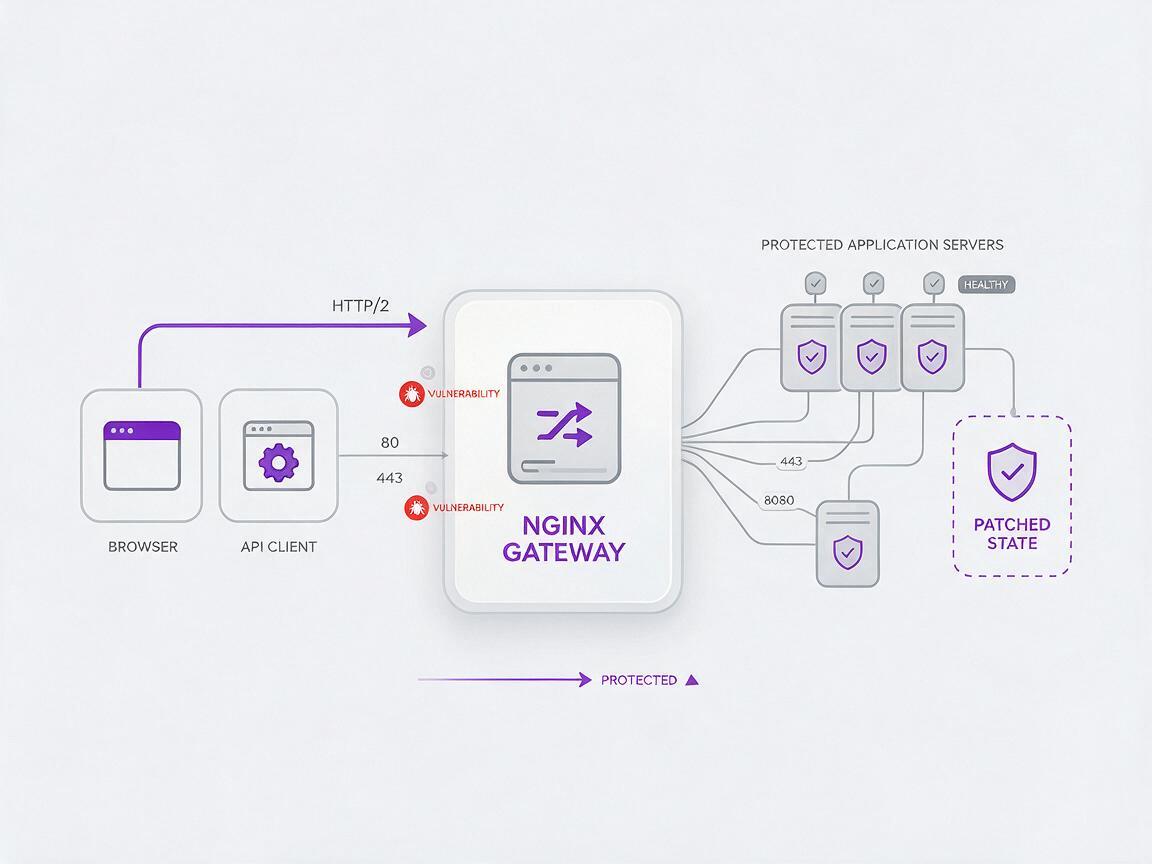
Wiz Research and other security teams used AI-assisted methods to identify two HTTP/2 remote-code-execution vulnerabilities in NGINX, according to the November 20, 2026 report. Both flaws received a CVSS score of 9.2, placing them in the critical severity range reported by Wiz.
F5 fixed the two NGINX vulnerabilities on November 18, 2026, according to Wiz Research. The reported issue class was remote code execution over HTTP/2, making exposed NGINX deployments the first systems administrators were advised to inspect. The report did not disclose affected NGINX version numbers, exploit prerequisites, patch identifiers or confirmed exploitation figures, so those details remain not disclosed.
The practical signal from the November 20 Wiz report is direct: organizations should check NGINX deployments and Java runtimes first rather than assuming that AI-discovered flaws are experimental findings with no operational impact.
Remote code execution is especially consequential for internet-facing infrastructure because it can potentially move a security problem beyond malformed traffic and into server control. The source material does not disclose whether these particular flaws were exploited in the wild, so active exploitation should not be assumed.
What Java4Shell Means for OpenJDK
Calif said Codex discovered an OpenJDK vulnerability named Java4Shell and assigned it CVE-2026-114938, according to the November 20 report attributed to Calif and The New York Times. Calif self-rated the vulnerability at 9.2 and said the finding was produced for under $200 in about an hour. Those cost, timing and severity claims are vendor-reported, not independently verified.
Java4Shell was fixed on November 17, 2026, according to the same report. The source material does not disclose the affected OpenJDK releases, the exact attack path, required configuration, patch build numbers or evidence of exploitation. Those figures and technical details are therefore not disclosed.
The case matters because Java remains part of many backend services, internal production systems and media-processing pipelines. The November 17 fix arriving before the November 20 public discussion also illustrates a security pattern in which researchers and maintainers coordinate remediation before broad attention reaches a critical issue.

Key Figures and Patch Status
| Finding | Reported severity | Discovery detail | Fix date | Source institution |
|---|---|---|---|---|
| Two NGINX HTTP/2 RCE flaws | CVSS 9.2 each | Found with AI assistance by Wiz Research and other teams | November 18, 2026 | Wiz Research |
| Java4Shell, CVE-2026-114938 | Self-rated 9.2 | Calif said Codex found it in about one hour for under $200; vendor-reported, not independently verified | November 17, 2026 | Calif and The New York Times reporting |
| Confirmed exploitation count | Not disclosed | Not disclosed | Not applicable | November 20 source material |
| Affected version ranges | Not disclosed | Not disclosed | Not disclosed | November 20 source material |
The table also shows the limits of the available information. Neither a critical score nor a fast AI-assisted discovery establishes how many systems were exposed. Operators still need vendor-specific release information and their own deployment inventory before deciding which services require immediate maintenance.
Why AI-Driven Discovery Changes Security Operations
The November 20 findings suggest that AI automation can reduce the time and cost required to investigate complex software. Calif's reported one-hour, sub-$200 Java4Shell result is only one vendor-reported case, not independently verified, and should not be generalized into a universal benchmark. Even so, it signals that security teams may receive credible high-severity findings more frequently as AI tools become part of code review and vulnerability research.
That creates a defensive paradox. Faster discovery can help maintainers fix dangerous software sooner, but it also compresses the time available for organizations to test and deploy updates. When NGINX gateways or Java services support an ai assistant, model API or media-processing queue, rushed maintenance can introduce downtime even when the patch itself resolves the security flaw.
The emerging operational priority is therefore not simply adding an ai agent to security research. Teams need clear software inventories, controlled deployment processes, rollback options and reliable communication between security and production owners. Those are organizational conclusions drawn from the reported patch cycle, not features attributed to Codex, NGINX or OpenJDK.
What This Means for AI Video and Image Creators
Creators usually interact with a polished ai video generator or ai image generator, not the underlying web-server and runtime layers. Yet those invisible layers determine whether projects upload correctly, generation jobs complete and finished assets remain reachable.
The November 17 and November 18 fixes reinforce the value of keeping creative work portable. Important prompts, source images, scripts and exported media should not exist only inside one active generation session. If a provider pauses services for emergency maintenance, a creator with organized assets and access to multiple models can move work without rebuilding the entire production concept.
A one-account multi-model platform such as MagicBoat can support that flexibility by reducing dependence on a single model path. This does not replace infrastructure patching or guarantee protection from a specific NGINX or Java flaw; it gives creators a more adaptable production environment when model availability or backend reliability changes.
Availability, Pricing and Access
The November 20 report did not describe a commercial security product associated with the discoveries. Pricing for the NGINX fixes, OpenJDK fix and any related access program was not disclosed. Calif reported spending under $200 on the Codex-assisted Java4Shell discovery, but that figure is vendor-reported, not independently verified, and is not a public product price.
The material also did not disclose a download page, affected release matrix or rollout mechanism. Organizations should rely on the appropriate F5, NGINX and OpenJDK release channels available to their deployments rather than inferring a version number from the severity score alone.
Bottom Line
The two AI-found NGINX HTTP/2 flaws and Java4Shell show that vulnerability discovery is moving faster. According to the November 20 reports, F5 fixed two CVSS 9.2 NGINX flaws on November 18, while the self-rated 9.2 Java4Shell issue was fixed on November 17 after Calif said Codex found it in about an hour for under $200.
For creators, the broader lesson is resilience: secure infrastructure, portable assets and access to more than one model path all matter when emergency maintenance interrupts production. To explore a flexible environment for video and image creation, try these models for free.
Key Takeaways
- Wiz Research reported two AI-assisted discoveries involving NGINX HTTP/2 remote-code-execution flaws, each scored CVSS 9.2.
- F5 fixed the two NGINX flaws on November 18, 2026, according to Wiz Research.
- Calif said Codex found Java4Shell, CVE-2026-114938, in about one hour for under $200; the claim is vendor-reported, not independently verified.
- Java4Shell was fixed on November 17, 2026, according to the November 20 report.
- Affected version ranges and confirmed exploitation counts were not disclosed.
- Creators benefit from portable project assets and flexible multi-model workflows when security maintenance affects availability.
Keywords
ai-found NGINX vulnerabilities, Java4Shell, NGINX security, OpenJDK vulnerability, Codex security research, ai automation, ai video workflow