CNBC Analysis: AI Race Has Clear Winners, Remaining Firms Are Bystanders
A new October 2026 CNBC analysis concludes the global AI race has already produced clear winners, with most remaining firms operating as bystanders that capture no share of the core market prize. The report raises concerns about capital expenditure returns for non-top-tier AI firms and signals a shift in AI sector valuation logic. For AI video and image creators, this consolidation underscores the importance of multi-model platforms that reduce reliance on any single provider.

Table of contents
What the October 2026 CNBC AI Race Analysis Found
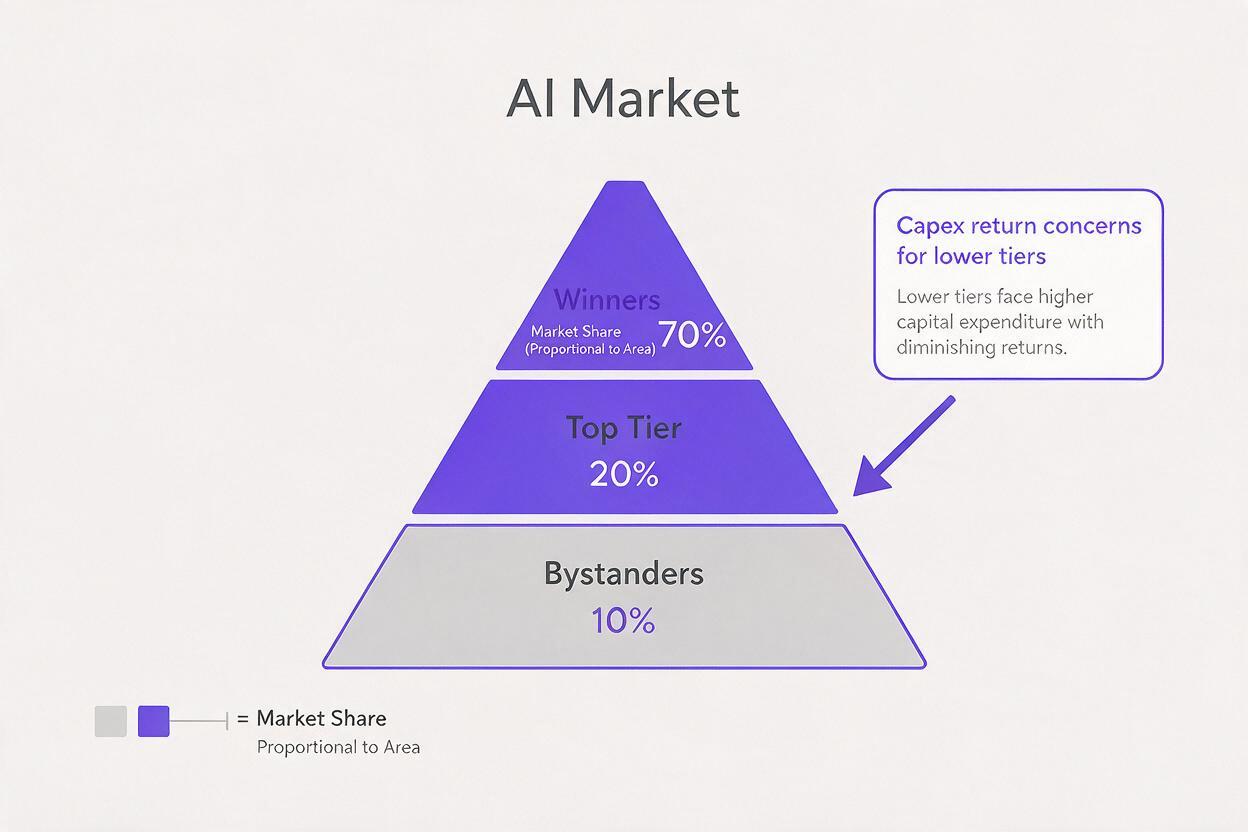
A new analysis published by CNBC on October 18, 2026, frames the global artificial intelligence race as a competition that has already produced clear winners, with most remaining firms operating as bystanders rather than active contenders. The report argues that these bystander firms are not necessarily "losers" in a traditional sense, but they capture no meaningful share of the core prize driving AI sector growth. The analysis also raises fresh doubts about capital expenditure returns for firms that have invested heavily in AI infrastructure and model development but failed to break into the top tier, and it signals a broader shift in how the market values AI companies.
The shift in valuation logic marks a notable turn from the earlier years of the AI boom, when firms could command high valuations based solely on AI-related promises or moderate model performance. According to the CNBC analysis, investors are now prioritizing firms with proven frontier capabilities, scalable infrastructure, and clear paths to revenue, rather than speculative plays.
Core Findings of the Report
- Clear winner-takes-most dynamic: A small set of firms have locked in the majority of market share, revenue, and frontier model mindshare in the AI space.
- Bystander status for most firms: Remaining AI firms are not failing outright, but they hold no significant share of the high-value AI market, limiting their long-term upside.
- Capex return concerns: Heavy investments in AI training infrastructure and model development may not pay off for firms that have not reached the top tier, raising questions about the sustainability of their spending.
- Shifting valuation framework: Market valuations of AI companies are moving away from speculative growth metrics and toward tangible performance, revenue, and market leadership.
What This Means for AI Video and Image Creators
For creators working with text to video tools, ai video model platforms, and image generation software, this consolidation in the AI race has direct, practical implications. The leading frontier models — including GPT-6, Claude Opus, and Gemini 4 — are developed by the firms that have established themselves as the clear winners in this race, and these models tend to set the bar for quality, speed, and capability in creative AI tools.
Relying on tools from bystander firms carries greater risk of service disruptions, stagnant feature updates, or even platform shutdowns if those firms cannot justify continued AI investment amid poor capex returns. For creators who build their workflows around a single tool or model provider, this volatility can derail projects, delay deadlines, and force costly last-minute migrations to new platforms.
This dynamic also makes it more important than ever to have access to a range of top-tier models in one place, rather than being locked into a single provider’s ecosystem. Whether you’re working on a short film that needs high-fidelity ai image generator outputs for concept art or a social media clip that relies on fast image to video conversion, having multiple leading models available ensures you can pick the best tool for each task and switch seamlessly if one provider experiences issues.
How Multi-Model Platforms Reduce Workflow Risk
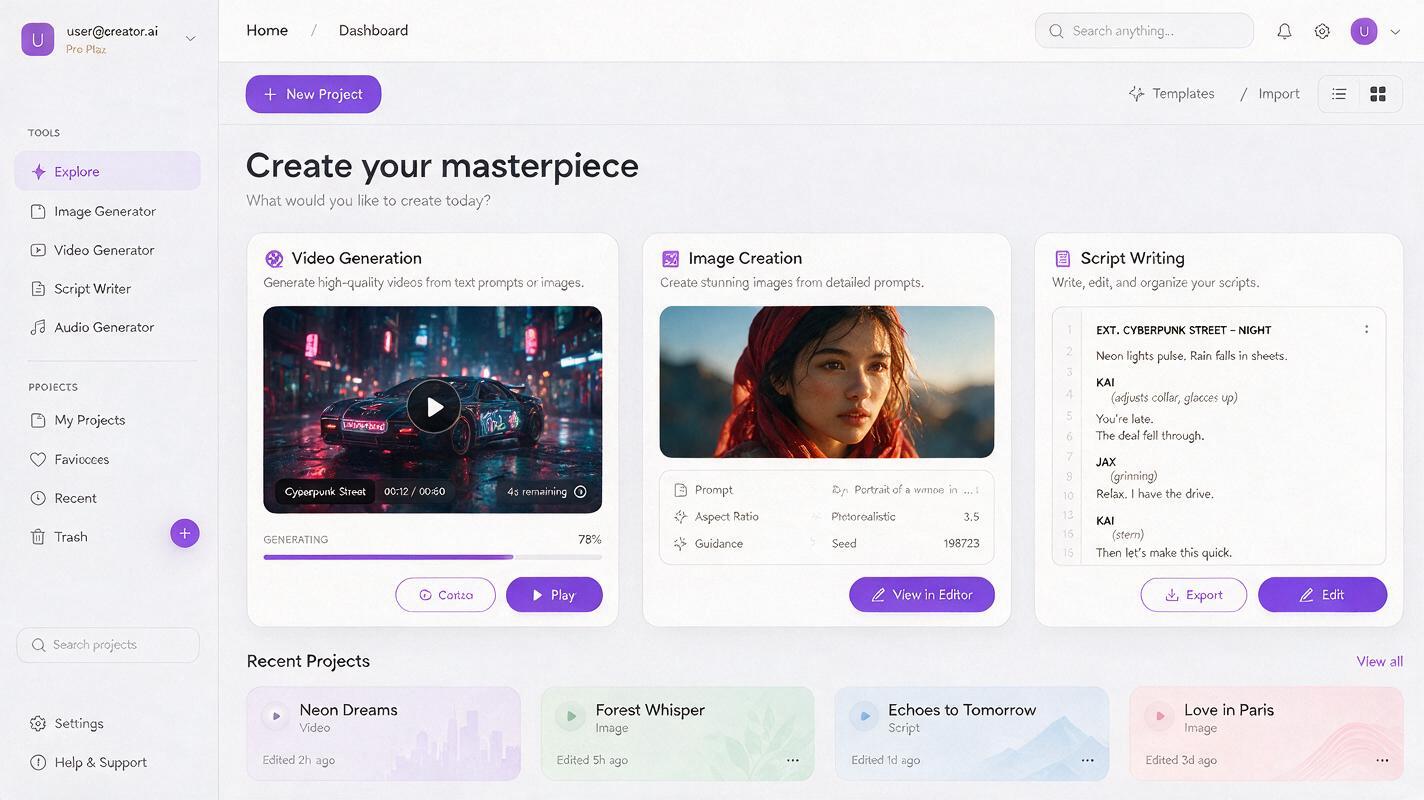
Multi-model creative platforms like MagicBoat address many of the risks highlighted by the CNBC analysis by aggregating access to leading AI models from top-tier firms in a single, unified interface. Instead of managing separate subscriptions, accounts, and billing for each AI tool provider, creators can access a full suite of text to video, image to video, image generation, and script writing tools from one dashboard.
This approach also gives creators flexibility to choose the best model for each specific task, rather than being limited to the capabilities of a single provider. For example, you might use one model for photorealistic image generation and another for dynamic video animation, all within the same workflow. This not only improves output quality but also insulates your workflow from disruptions if any single model provider changes pricing, updates features, or faces service issues.
try these models for free to see how a multi-model platform can streamline your creative workflow and reduce reliance on any single AI provider.
Key Takeaways
- The October 2026 CNBC analysis finds the AI race has clear winners, with most remaining firms acting as bystanders with no share of the core market prize.
- Shifting valuation logic and capex return concerns raise workflow risks for creators relying on tools from non-top-tier AI firms.
- Leading frontier models like GPT-6, Claude Opus, and Gemini 4 are backed by the winning firms in the AI race, setting the standard for creative AI capabilities.
- Multi-model platforms like MagicBoat help creators mitigate workflow risk by providing access to multiple top-tier tools in one place.
Keywords
ai race winners, gpt-6, claude opus, gemini 4, ai video model, text to video, free ai tools