CNBC: AI Race Has Clear Winners, Bystanders Face Capex Doubts
A new October 2026 CNBC analysis argues the global AI race has produced a small set of clear winners, with most remaining firms acting as bystanders that hold no share of the sector’s core economic prize. The report raises doubts about capital expenditure returns for bystander companies and signals a fundamental shift in AI-sector valuation logic. For AI video and image creators, this consolidation trend underscores the value of flexible multi-model platforms that avoid overreliance on any single provider.

Table of contents
CNBC’s AI Race Analysis: Clear Winners, Bystanders, and Shifting Valuations
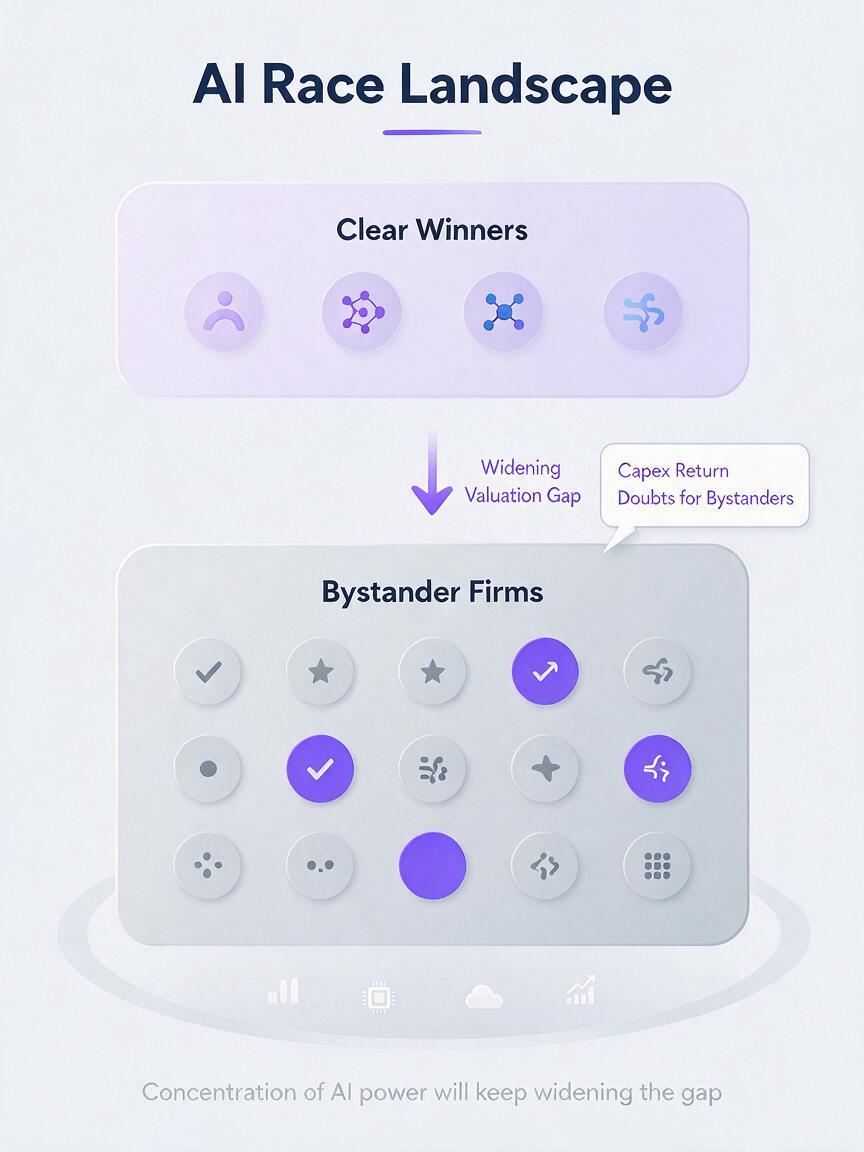
A new analysis from CNBC published October 18, 2026, argues the global AI race has already produced a small set of clear winners, with the vast majority of remaining firms acting not as competitors but as bystanders with no claim to the sector’s core economic prize. The report frames the shift as a turning point for the AI industry, after years of widespread investment and hype that lifted valuations across the entire sector. According to the analysis, bystander firms face growing doubts about their ability to earn returns on the massive capital expenditures required to build and operate frontier AI models, a dynamic that is already beginning to reshape how investors value AI companies.
The CNBC analysis stops short of naming specific winners, but the current frontier AI landscape is dominated by a handful of large players that have released top-tier models in recent months. OpenAI’s GPT-6 family, Anthropic’s Claude Opus 5.5 and Sonnet 5.5, Google’s Gemini 4 Argon, and Meta’s Muse series of models have all emerged as leading options for developers and enterprise users, capturing the majority of high-value API and consumer subscription revenue. For smaller firms attempting to compete at the frontier, the cost of training state-of-the-art models and building the necessary data center infrastructure runs into billions of dollars, with no guarantee of capturing enough market share to justify the spending.
The report notes that this consolidation is driving a fundamental shift in AI-sector valuation logic. Earlier in the AI boom, nearly any company with an AI-focused product or model could command a premium valuation, as investors bet on a wide range of potential winners. Now, according to CNBC, investors are increasingly concentrating their capital on the small set of firms that have already proven they can capture and hold frontier market share, leading to wider valuation gaps between leading players and the rest of the field. Bystander firms that fail to carve out a sustainable niche may face declining valuations, difficulty raising additional capital, or even shutdowns as the market matures.
What This Means for AI Video and Image Creators
For AI video and image creators who rely on third-party AI models to produce content, the AI race’s consolidation into a small set of winners carries both opportunities and risks. On the opportunity side, the leading players are likely to continue investing heavily in model capabilities, potentially accelerating improvements in areas like text to video generation, image quality, and multimodal workflow support that directly benefit creators. On the risk side, overreliance on any single model provider can leave creators vulnerable to sudden pricing increases, service disruptions, or even the sunsetting of tools if a provider exits the market or deprioritizes a specific feature.
The CNBC analysis also highlights that bystander firms, which often compete on lower pricing or specialized features, may struggle to maintain their offerings as the market consolidates. Creators who have built their workflows around tools from smaller, less established AI providers may face unexpected disruptions if those firms are unable to sustain their capex spending or attract enough users to stay viable. This makes workflow flexibility and the ability to switch between models increasingly important for creators who want to protect their production pipelines and avoid costly rework.
Navigating AI Consolidation With a Multi-Model Platform
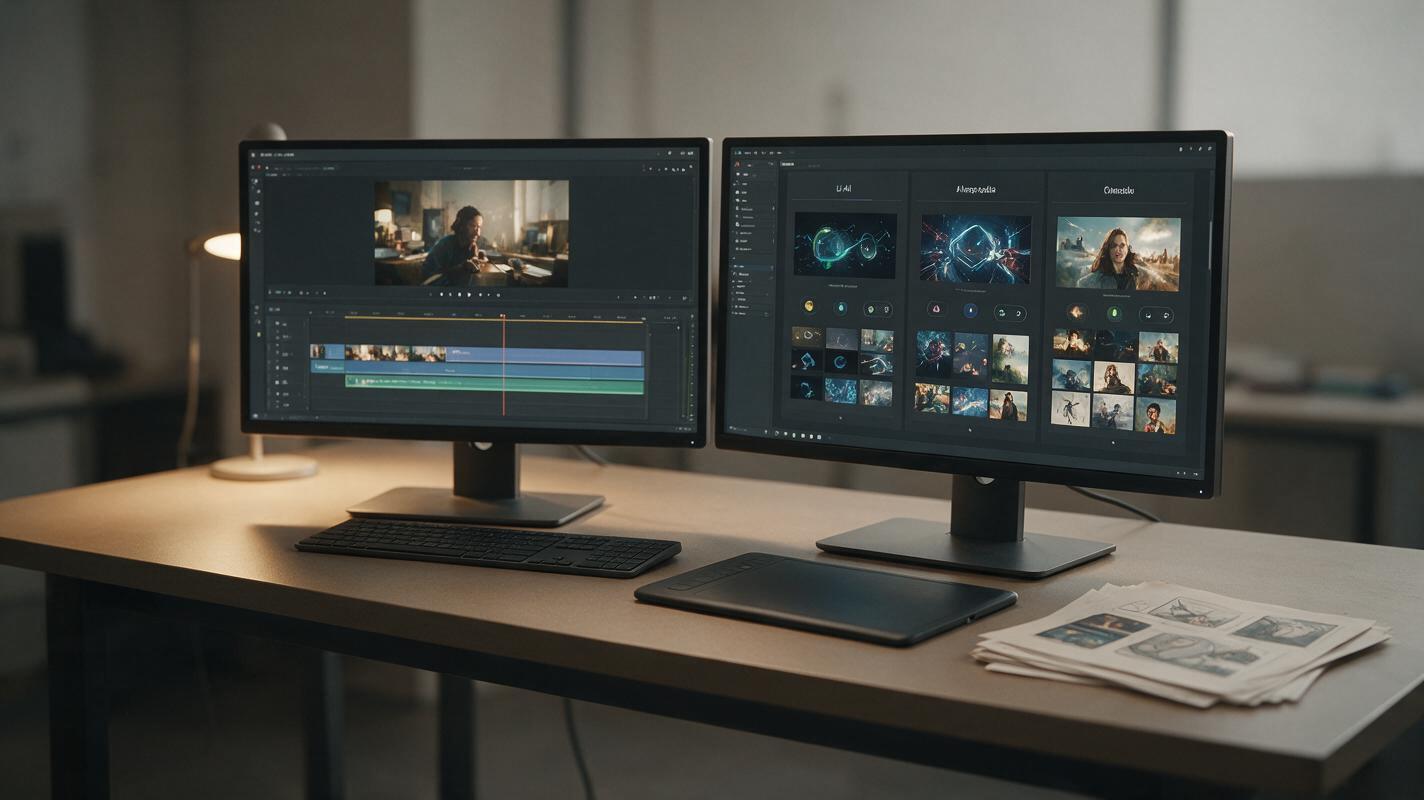
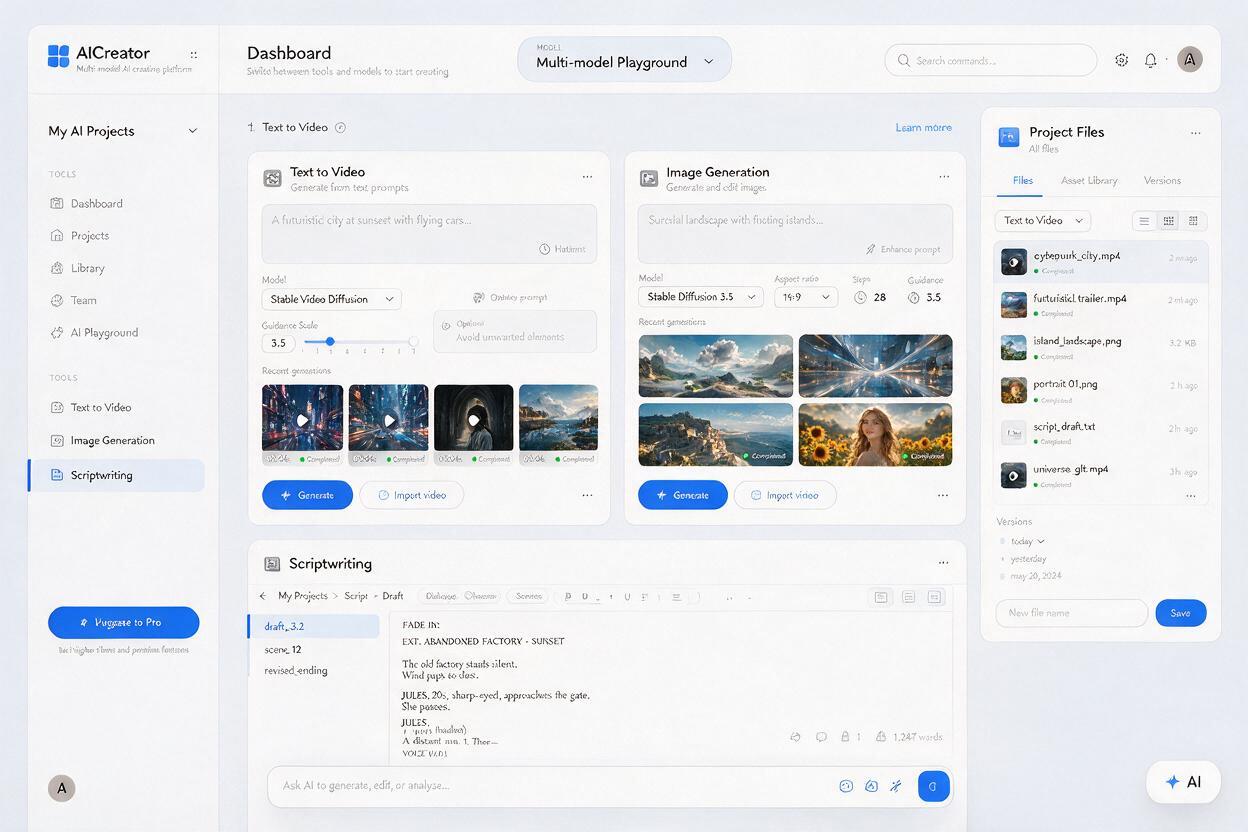
One of the most effective ways for creators to mitigate the risks of AI market consolidation while still accessing the latest and most capable models is to use a multi-model creative platform like MagicBoat. Instead of locking into a single provider’s ecosystem, a multi-model platform gives creators access to a range of leading AI tools in one place, making it easy to switch between models based on task needs, pricing, or availability. For example, a creator might use one model for scriptwriting, an ai image generator from another provider for concept art, and a video generation model from a third for final output, all within the same workflow.
This approach also insulates creators from the risks highlighted by the CNBC analysis. If a model provider raises prices, changes its terms of service, or discontinues a tool, creators can simply switch to an alternative model from a different provider without rebuilding their entire production pipeline. MagicBoat integrates leading models from multiple top-tier providers, so creators can take advantage of the latest capabilities from the AI race’s clear winners while maintaining the flexibility to adapt as the market evolves.
Whether you’re working on short-form social media content, full-length AI films, or custom visual assets, you can access a full suite of leading AI creative tools and try these models for free to build a flexible, resilient production workflow.
Key Takeaways
- An October 2026 CNBC analysis argues the AI race has produced a small set of clear winners, with most remaining firms acting as bystanders with no share of the core economic prize.
- Bystander AI firms face growing doubts about their ability to earn returns on massive capital expenditures, driving a shift in AI-sector valuation logic.
- AI video and image creators benefit from the faster innovation of leading models but face risks from overreliance on any single provider, including price hikes and service disruptions.
- Using a multi-model creative platform helps creators mitigate consolidation risks, access the best tools for each task, and maintain flexible, resilient workflows.
Keywords
ai race, ai valuation, gpt-6, claude opus, gemini 4, ai video model, free ai tools