Alex Gibney’s Musk Documentary Expands to 472 Theaters, X and TikTok Block Ads
Alex Gibney’s Elon Musk documentary has expanded to 472 North American theaters, grossing $307,000 over its expansion weekend, while facing ad blocks on X and TikTok — with TikTok permanently banning the film’s official ad account. The distribution challenge highlights how social platform content policies can disrupt promotional strategies for independent film projects. For AI content creators, the situation offers actionable lessons about diversified promotion and audience building for original AI-generated film and short drama.
Table of contents
What Happened With Alex Gibney’s Musk Documentary
Alex Gibney’s Elon Musk documentary has expanded to 472 North American theaters, grossing $307,000 over the weekend of its wider rollout. The theatrical expansion represents a significant scale-up for the film, which is aiming to reach broader audiences across the U.S. and Canada. But the rollout comes alongside a major promotional setback: both X and TikTok are blocking paid ads for the documentary, and TikTok has taken the additional step of permanently banning the film’s official ad account.
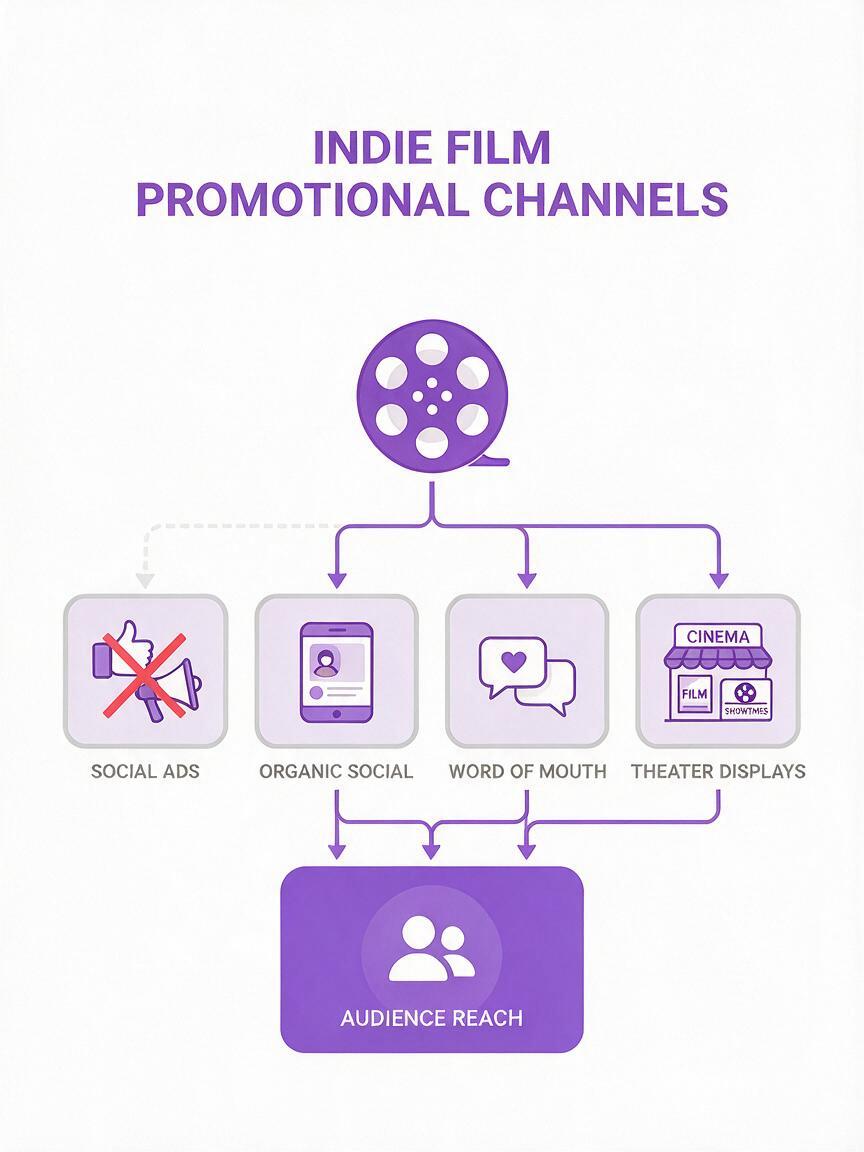
The dual development — a growing theatrical footprint paired with restricted social media promotion — highlights a growing tension between independent film distribution strategies and the content policies of major social platforms. For a documentary relying on word-of-mouth and targeted promotion to drive ticket sales, losing access to two of the largest social advertising platforms creates a notable barrier to reaching potential viewers.
Why Social Ad Blocks Disrupt Independent Film Distribution
For independent documentary releases broadly, social media ads are a critical promotional tool, offering targeted reach to niche audiences without the massive marketing budgets allocated to major studio franchise films. Paid social campaigns allow distributors to pinpoint viewers with a documented interest in a film’s subject matter, director, or genre, driving ticket purchases or streaming views at a relatively low cost compared to traditional television or billboard ads.
When platforms block ad access for a specific title, that release loses a direct line to the viewers most likely to seek out its content — a gap that is hard to fill with organic posts alone, especially for films in the middle of a theatrical expansion. TikTok’s permanent ban of the film’s ad account is an even more significant hurdle, as it prevents the distribution team from running any future promotional campaigns on the platform for this title, even if they adjust their ad creative or messaging.
While organic social posts may still reach some audiences, algorithmic changes and platform-specific content policies can limit their reach, making it far harder to cut through the noise of thousands of other posts competing for user attention.
What This Means for AI Content Creators
For independent creators who create ai film and produce ai short drama, the Gibney documentary’s promotional setbacks are a timely reminder that social platform policies can shift or restrict reach without warning, making diversified distribution and promotion strategies essential. Many AI-generated film and short drama projects are built with viral social discovery in mind, with creators designing short clips and narrative hooks specifically for TikTok and X feeds to drive viewers to full-length content.
Relying solely on paid social ads or even organic reach on a single platform can leave creators vulnerable to sudden policy changes, account bans, or algorithm shifts that cut off their primary audience pipeline. This risk is especially pronounced for independent creators who don’t have the resources of a major studio or distribution company to pivot quickly when a promotional channel is disrupted.
Creators can mitigate this risk by building a cross-platform presence from the start, cultivating owned audience channels like email lists or dedicated community spaces, and testing organic content formats that don’t depend on paid ad approval. For AI-generated projects, this also means building a recognizable creative identity and consistent brand so audiences seek out your work directly, instead of only discovering it through algorithmic feeds.
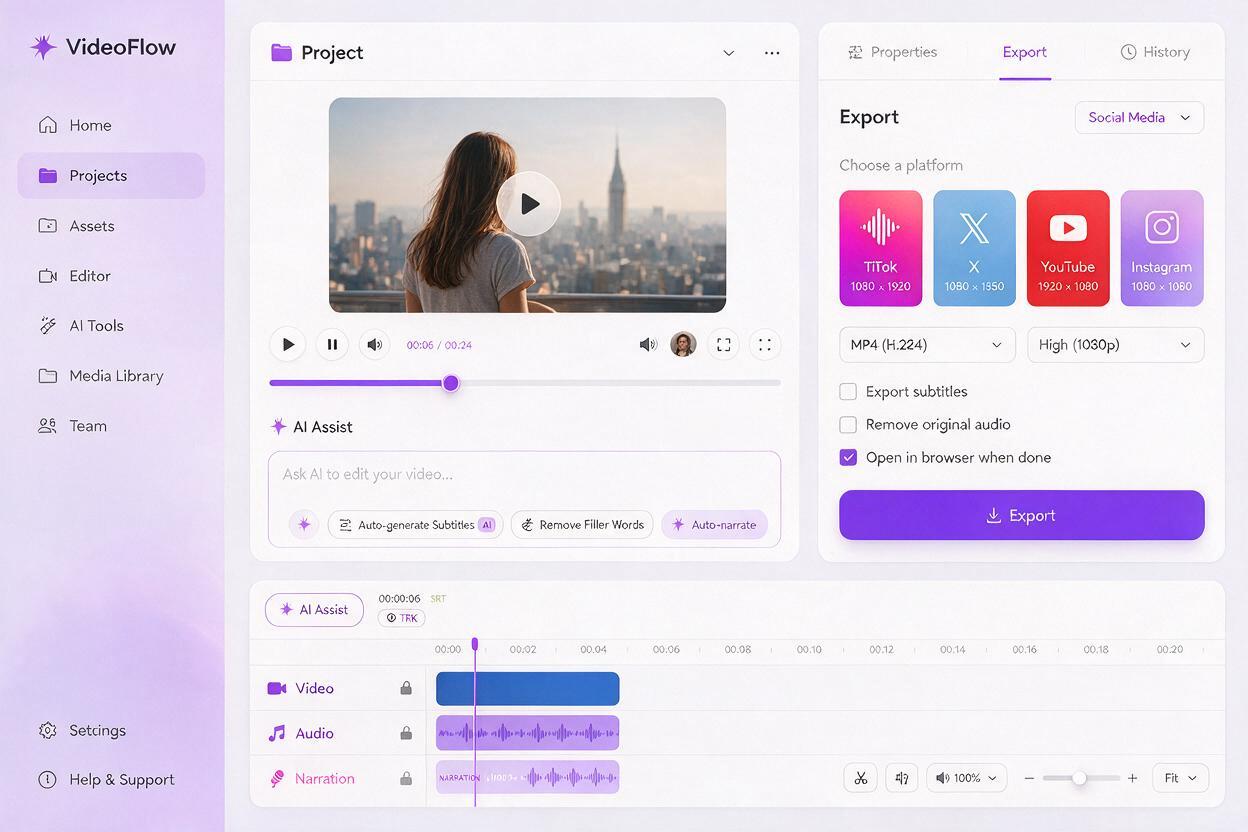
Modern AI tools make it easier than ever for independent creators to iterate on content, test different promotional clips, and build a diverse library of assets across formats without massive production budgets. With the right tools, creators can produce multiple versions of promotional content tailored for different platforms, reducing their reliance on any single channel.
Key Takeaways for Independent Creators
- Diversify your promotional channels: Don’t rely on a single social platform for audience growth; build a presence across multiple platforms to reduce risk from sudden policy changes or ad bans.
- Prioritize owned audience channels: Cultivate email lists, community groups, or direct traffic sources so you can reach your core audience even if one platform restricts access to your content.
- Test organic content first: Use organic posts to validate what resonates with viewers before investing in paid ads, so you have a proven hook that can work across multiple channels.
- Build a recognizable creative identity: Develop a distinct visual or narrative style for your projects so audiences seek out your work directly, instead of only discovering it through algorithmic recommendations.
If you’re ready to develop original film or short drama content with AI tools, you can try these models for free on MagicBoat, with integrated tools for scriptwriting, storyboarding, video generation, and more all in a single platform.
Keywords
alex gibney musk documentary, x ad ban, tiktok ad ban, documentary distribution, ai film, ai content creation, ai short drama