Alex Gibney’s Musk Documentary Expands to 472 Theaters, X and TikTok Block Ads
Alex Gibney’s Elon Musk documentary has expanded to 472 North American theaters, grossing $307,000 over the October 18 weekend, but X and TikTok have blocked all advertising for the film, with TikTok permanently banning its ad account. The distribution setback highlights the risks of platform-dependent promotion for independent films, offering key lessons for AI content creators building audience reach for original ai filmmaking and text to video projects.
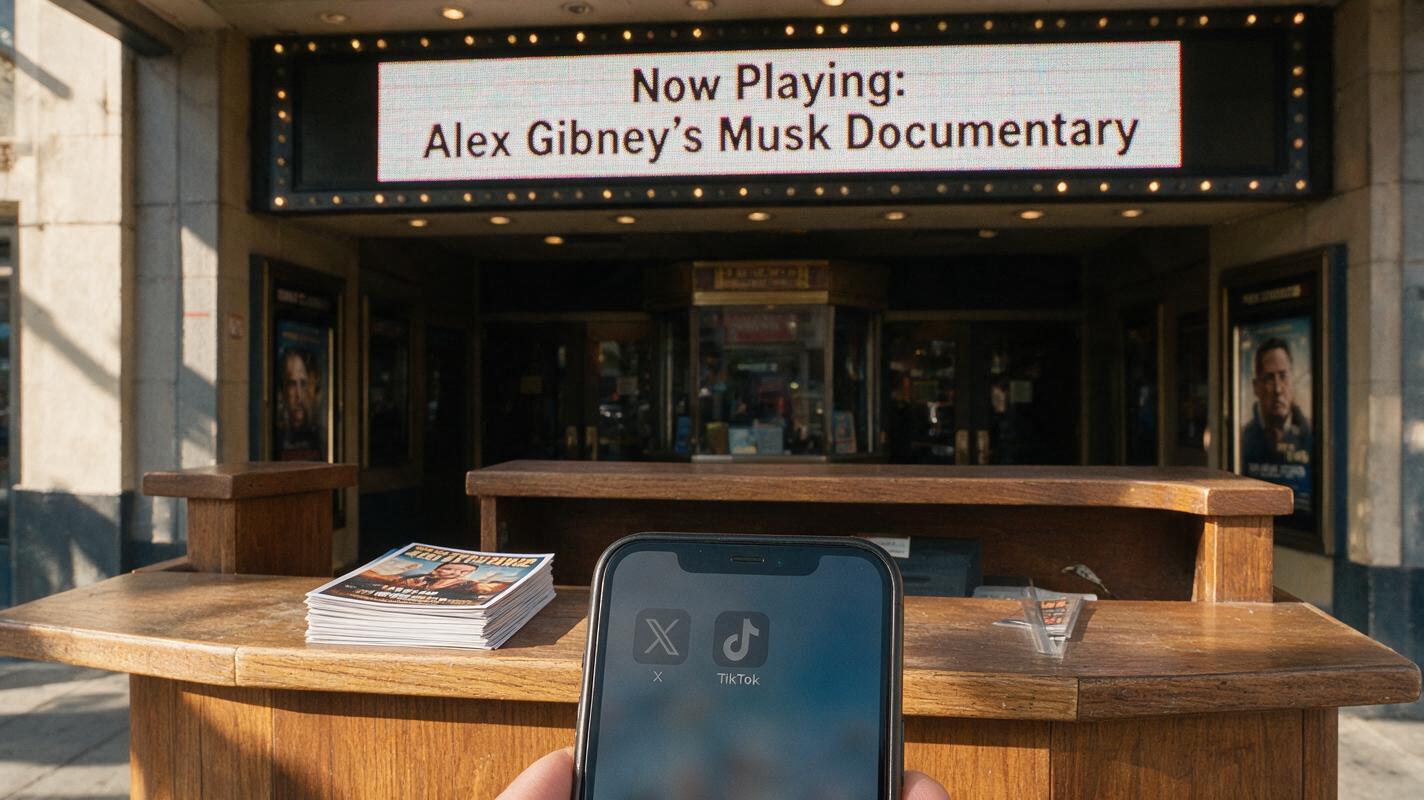
Table of contents
The News: Alex Gibney’s Musk Documentary Expands Theaters Amid Social Ad Bans
Alex Gibney’s Elon Musk-focused documentary has expanded its North American theatrical run to 472 theaters, grossing $307,000 over the October 18 weekend, according to distribution updates from Bleecker Street. The expanded release comes amid growing public interest in the film, which explores the tech entrepreneur’s career and influence across multiple industries.
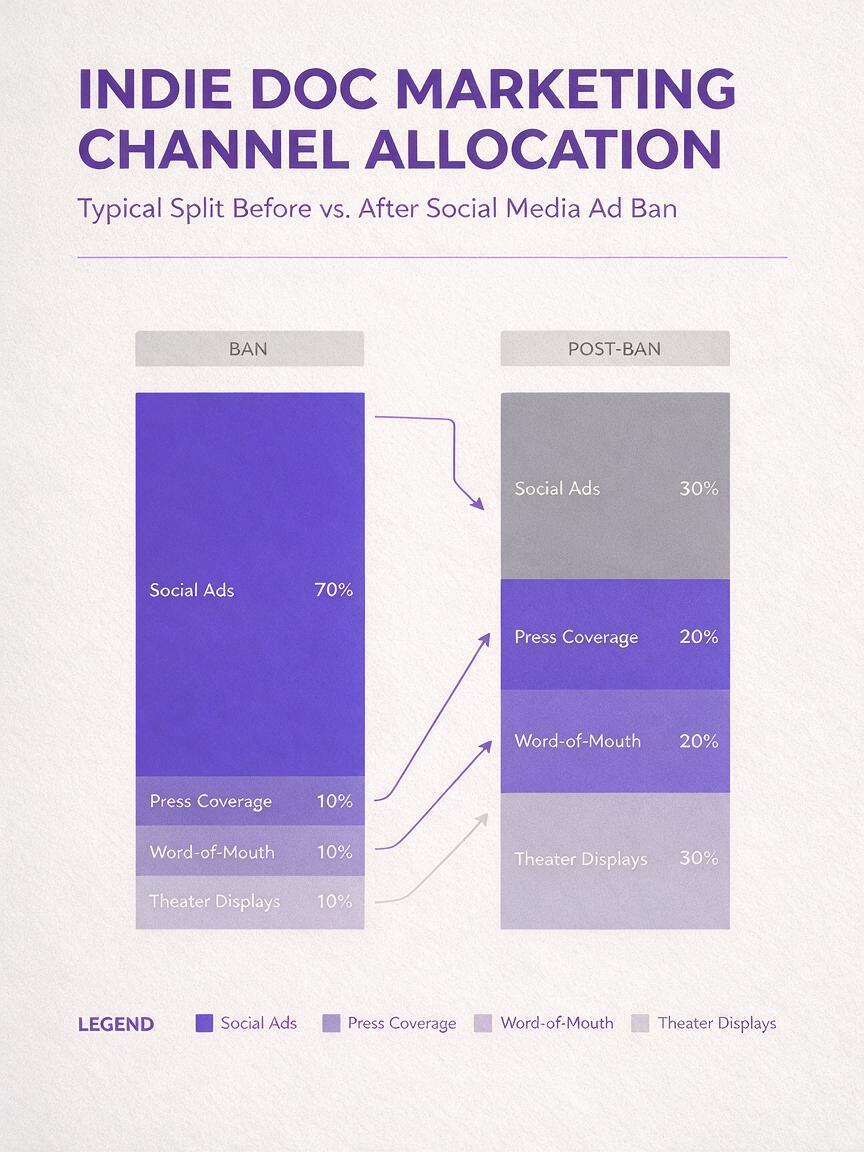
Despite the theatrical expansion, the film has hit a major promotional roadblock: social platforms X and TikTok have blocked all advertising for the documentary, with TikTok issuing a permanent ban on the film’s official ad account. The ban eliminates two of the largest social media ad platforms from the distributor’s marketing strategy, forcing a rapid shift to alternative promotion channels for the expanded theatrical run.
Why the Ad Ban Is a Significant Distribution Hurdle
For independent and documentary films, social media advertising is often the most cost-effective way to reach targeted audiences, especially younger viewers who discover most of their entertainment content through platforms like TikTok and X. Unlike major studio blockbusters, which have massive marketing budgets for TV ads, billboards, and press tours, documentaries typically rely on niche, digital-first promotion to drive ticket sales.
The ban also highlights the unpredictable nature of platform content and ad policies, particularly for projects centered on high-profile, polarizing public figures. Even with a well-known director like Gibney and a widely covered subject, a film can lose access to critical promotional channels overnight, with little recourse or transparency about the specific policy violations that led to the ban.
Lessons for Independent AI Content Creators
For independent creators working in ai filmmaking, this situation offers a critical lesson about platform dependency and risk mitigation. Just as the Musk documentary’s distribution team saw a core promotional channel cut off without warning, AI content creators who rely solely on one social platform for audience building or monetization can see their entire business disrupted by policy changes, algorithm shifts, or account restrictions.
This risk is especially relevant for creators using text to video tools to produce short-form content, commentary, or documentary-style pieces about tech, business, or other potentially sensitive topics. Platform ad policies and content moderation rules are often vague and inconsistently applied, so building a promotional strategy that depends entirely on paid social ads or organic reach on a single platform leaves creators vulnerable to sudden setbacks.
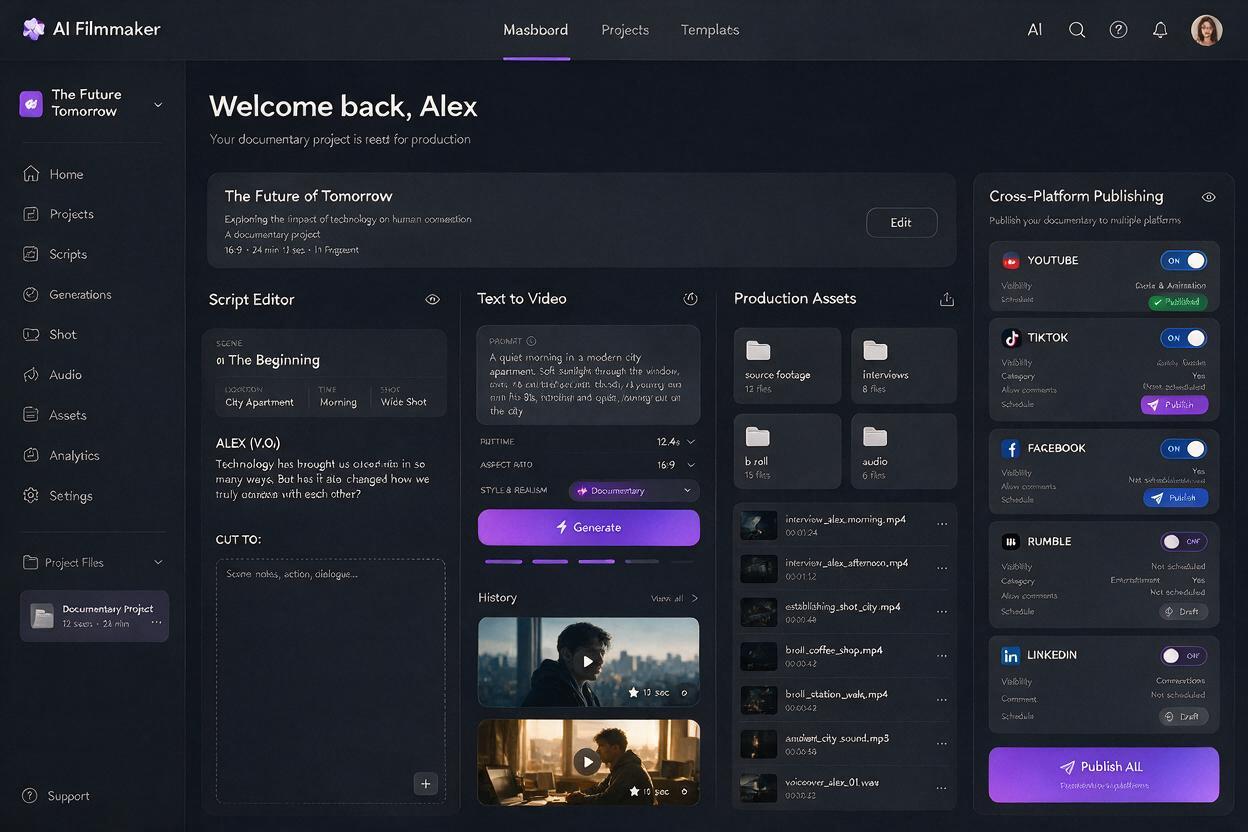
The good news is that AI tools have lowered the barrier to producing consistent, high-quality content, making it easier for creators to diversify their audience across multiple platforms. Instead of pouring all their effort into one platform, independent creators can build a presence across TikTok, YouTube Shorts, Instagram Reels, niche video platforms, and even owned channels like email newsletters to create a safety net against platform-specific bans or algorithm changes. Organic word-of-mouth, driven by compelling, well-crafted content, can also carry a project to wider audiences even without paid ad support — as the Musk documentary’s theatrical expansion shows, audience demand can still drive growth even when promotional channels are limited.
If you’re ready to develop your own documentary, narrative short, or serialized content, you can try these models for free on MagicBoat, with access to AI script writing, video generation, voiceover, and editing tools all in one unified platform.
Key Takeaways
- Social platform ad bans can disrupt even high-profile, professionally distributed film campaigns, making diversified promotion strategies essential for all creators.
- AI filmmaking tools reduce production costs and timelines, allowing independent creators to build a consistent content catalog and grow organic audiences without large marketing budgets.
- Cross-platform content distribution minimizes the impact of a single platform ban or policy change, ensuring you retain access to your audience even if one channel is restricted.
- Compelling, well-executed content can generate organic word-of-mouth momentum that drives viewership and distribution opportunities, even with limited paid promotion.
Keywords
alex gibney musk documentary, musk documentary ad ban, theatrical documentary distribution, ai content creation, ai filmmaking, text to video, independent film marketing