Alex Gibney’s Musk Documentary Faces X and TikTok Ad Blocks
Alex Gibney’s Musk documentary expanded to 472 theaters and reported a $307,000 weekend, even as X and TikTok blocked its advertising. TikTok also permanently banned the film’s ad account, highlighting how platform access can shape documentary distribution and promotion.
Table of contents
A Wider Theatrical Release Meets a Digital Advertising Barrier
Alex Gibney’s Musk documentary expanded to 472 theaters and reported a $307,000 weekend, but its advertising campaign faced resistance from two major social platforms.
According to the October 18 news entry, both X and TikTok blocked advertisements for the documentary. TikTok went further by permanently banning the film’s advertising account. The restrictions arrived as the release was trying to support a significantly wider theatrical footprint, creating an unusual contrast between physical availability and constrained digital promotion.
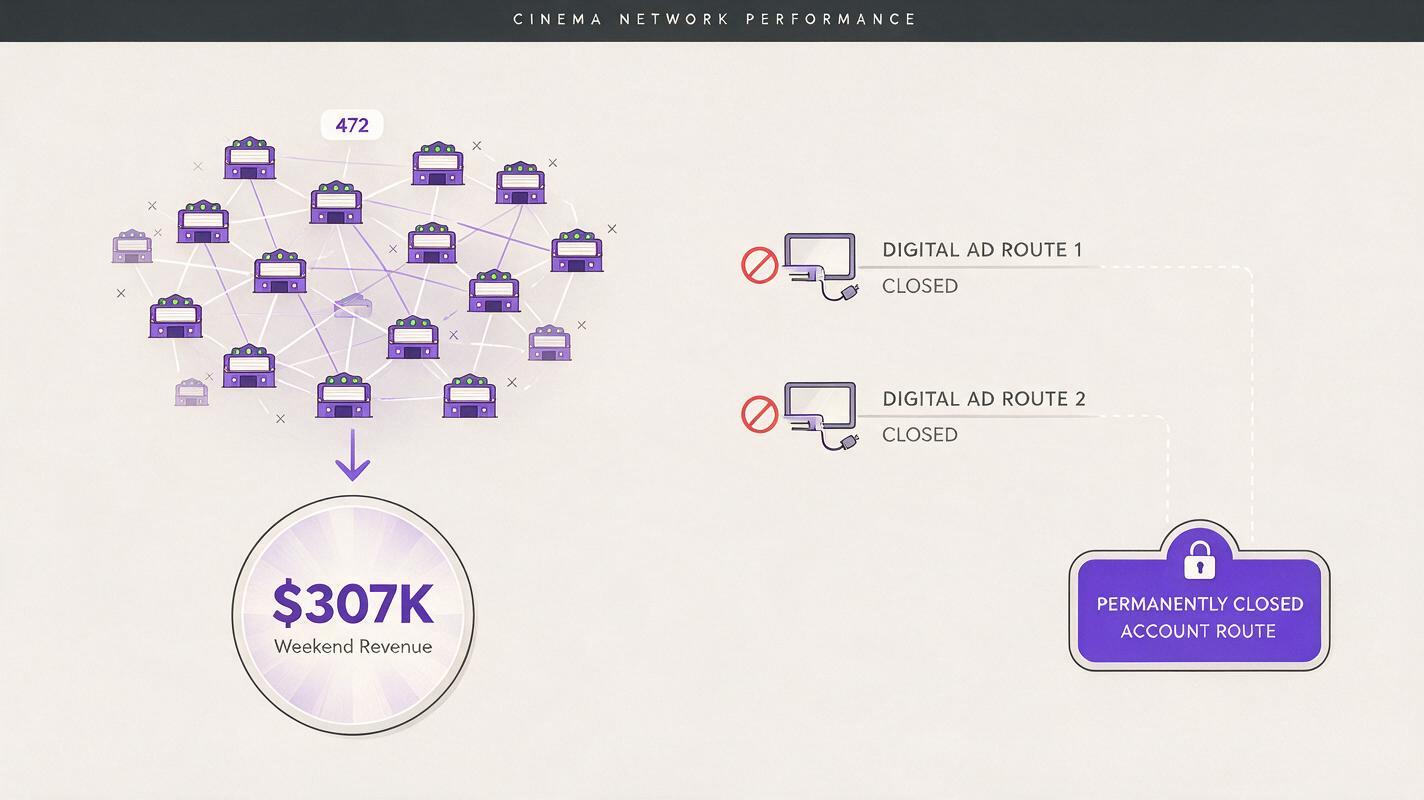
The known figures establish the scale of that contrast: 472 theaters, a $307,000 weekend, advertising blocked on X and TikTok, and a permanent TikTok ad-account ban. The entry identifies Bleecker Street and iNFOnews in connection with the report, but it does not provide additional campaign spending, audience, or conversion data.
For independent filmmakers and content teams, the episode is a reminder that finishing an AI film or documentary is only one part of release planning. A campaign also needs creative assets and distribution options that can adapt when a major promotional channel becomes unavailable.
What the Reported Numbers Reveal
The theatrical expansion shows that the documentary was not limited to a token engagement. Reaching 472 theaters requires awareness across many local markets, while the reported $307,000 weekend offers a concrete measure of theatrical performance during that expansion.
| Reported element | Known detail | Campaign significance |
|---|---|---|
| Theatrical reach | 472 theaters | The campaign needed to support many simultaneous locations. |
| Weekend result | $307,000 | The release generated a measurable theatrical return during its expansion. |
| X advertising | Ads blocked | One major promotional route was unavailable. |
| TikTok advertising | Ads blocked | Paid promotion was restricted on another major platform. |
| TikTok account | Permanently banned | The film could not simply resume advertising through the same account. |
These details do not establish why the platforms made their decisions, and the available entry does not describe the specific advertisements involved. The important documented point is the outcome: the campaign encountered blocks on both services while TikTok imposed a permanent account-level penalty.
A film can be available in hundreds of theaters and still face a serious discovery challenge if key promotional channels are closed.
Why Platform Dependence Becomes a Release Risk
Film campaigns often need multiple versions of the same core message: a concise premise, a vertical clip, a theater-focused announcement, a longer trailer, a still image, and localized material. When access to one channel disappears, campaigns with only one asset type or one audience route have fewer alternatives.
The Gibney documentary report makes that vulnerability visible. The theatrical release continued across 472 venues, but the advertising restrictions reduced the campaign’s ability to use two named digital platforms. A permanent ad-account ban is especially consequential because it affects more than the approval of an individual advertisement.
Independent teams can take a broader lesson from the event without assuming that every release will encounter the same restrictions. Promotional planning is more resilient when it includes:
- Several campaign formats suited to different publishing environments.
- Owned communication channels that are not dependent on a single advertising account.
- Alternative creative packages that can be deployed quickly if one campaign route closes.
- Clear factual messaging that separates confirmed release information from interpretation.
- Reusable source material for trailers, short clips, posters, and editorial outreach.
AI Content Creation Can Support Campaign Adaptation
AI content creation cannot guarantee platform approval, reverse an account ban, or replace a distribution agreement. Its practical value is speed and flexibility during the preparation of original promotional concepts.
A filmmaker could use an ai film generator to explore visual treatments for an original project, then develop distinct campaign directions around its central theme. A text to video workflow can also help visualize original teaser concepts for review before a team commits to a final production direction.
The strongest approach is not to duplicate protected material or imitate a living filmmaker’s signature. Instead, teams can define their own visual language through concrete choices such as setting, framing, pacing, typography, color, and emotional tone. That makes each asset part of a coherent original campaign rather than a generic AI video disconnected from the film.
A Useful Campaign Brief
A compact brief can keep several promotional variations aligned while allowing each version to serve a different audience context.
Project: original investigative documentary
Core promise: one clear unanswered question
Visual material: licensed interviews and original location footage
Campaign variants: theatrical teaser, vertical preview, editorial clip
Tone: restrained, factual, urgent
Continuity: consistent title treatment and central image
Review: rights, accuracy, platform policy, final human approval
This kind of brief is particularly useful for an ai short drama or documentary-style AI film because short-form assets can drift away from the main story when they are produced without a shared message.

MagicBoat’s Role in a Flexible Creative Pipeline
MagicBoat can serve as a working environment for developing original visual concepts across AI content creation formats. The goal is not to predict whether a platform will accept an advertisement. It is to help teams prepare multiple creative directions so that one rejected route does not leave an entire campaign without usable material.
For example, the same original documentary premise can inspire a restrained theatrical concept, a character-centered vertical clip, and a visually led social teaser. Each version should preserve factual accuracy, use properly authorized material, and receive human review before publication.
This flexibility also benefits small teams making an ai short drama. A release may need different hooks for festivals, direct audience outreach, short-form publishing, and a landing page. Building that variation into the production plan can make adaptation less disruptive when distribution conditions change.
What Filmmakers Should Take From the Ad Blocks
The central lesson is not that theatrical distribution and social advertising are interchangeable. They solve different problems. Theater count describes physical availability, while advertising helps potential viewers discover that availability. The Gibney documentary’s reported experience shows how those two systems can move in opposite directions at the same time.
It also demonstrates why campaign infrastructure deserves attention before release. A finished film, hundreds of venues, and a paid promotional plan do not eliminate platform risk. Filmmakers benefit from having original assets, alternative communication routes, and a clear record of approved source material ready before a campaign goes live.
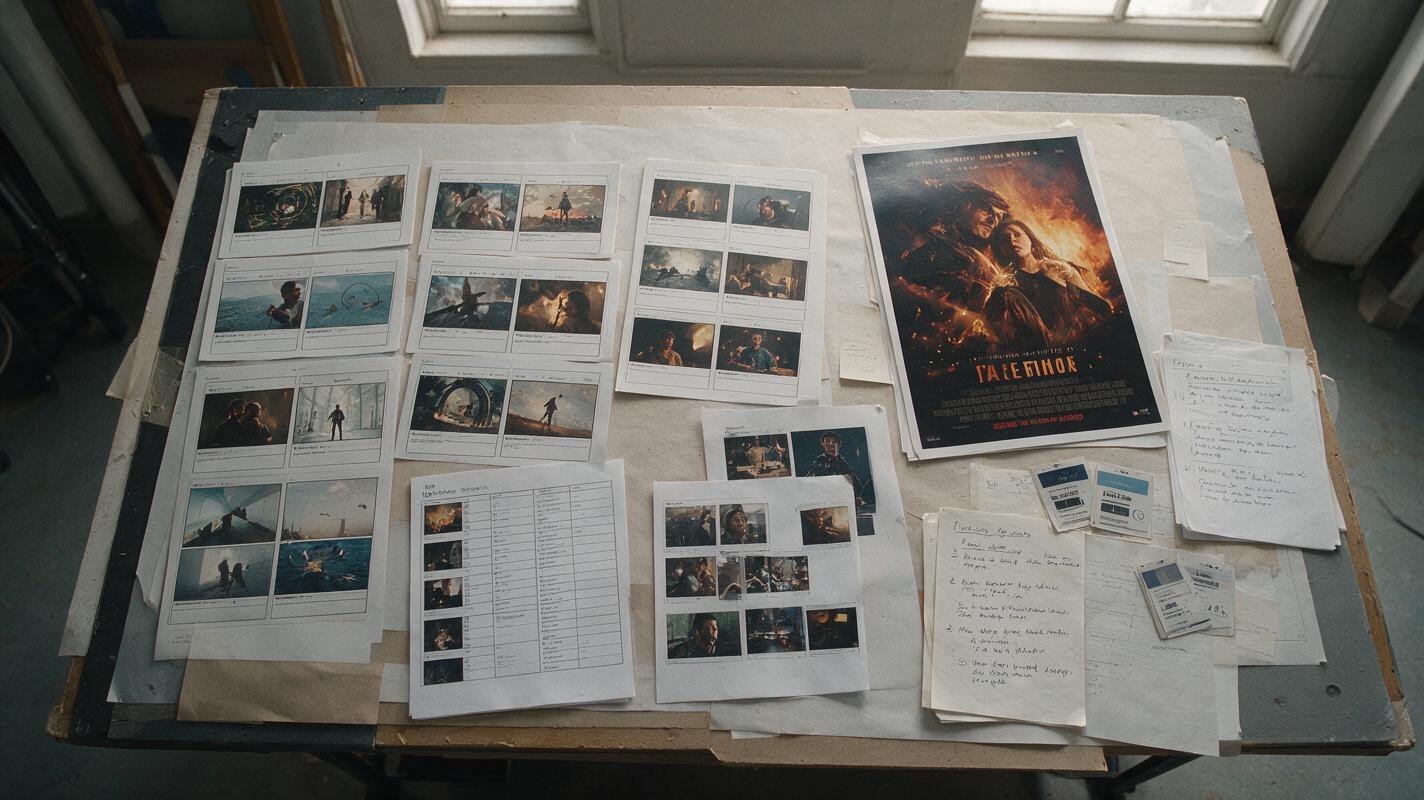
AI tools fit this process best as creative support. They can assist with concept exploration, storyboarding, and original visual variations, but rights checks, factual review, platform compliance, and publication decisions remain human responsibilities.
Final Checklist
- Record the confirmed campaign facts: 472 theaters, a $307,000 weekend, blocked ads on X and TikTok, and TikTok’s permanent ad-account ban.
- Avoid speculating about motives not included in the reported entry.
- Prepare multiple original campaign formats rather than relying on one advertising channel.
- Keep theatrical messaging, vertical video, still imagery, and editorial material visually consistent.
- Review rights, factual accuracy, and platform policies before publication.
- Visit MagicBoat to try these models for free and explore original campaign concepts.
Keywords
alex gibney musk documentary, tiktok ad ban, x ad block, documentary marketing, ai film, ai video, film distribution