Amazon Drops Data-Center NDAs: Implications for AI Tools
An October 2026 AI news report indicates Amazon has dropped data-center non-disclosure agreements, a notable shift in cloud infrastructure transparency from one of the world’s largest cloud providers. While full details of the change are not yet public, the move could lead to more reliable AI tool performance and lower costs for creators who use AI video generators and text-to-video platforms. Multi-model AI creation platforms help creators reduce workflow disruption risk by centralizing access to multiple tools and models in one place.
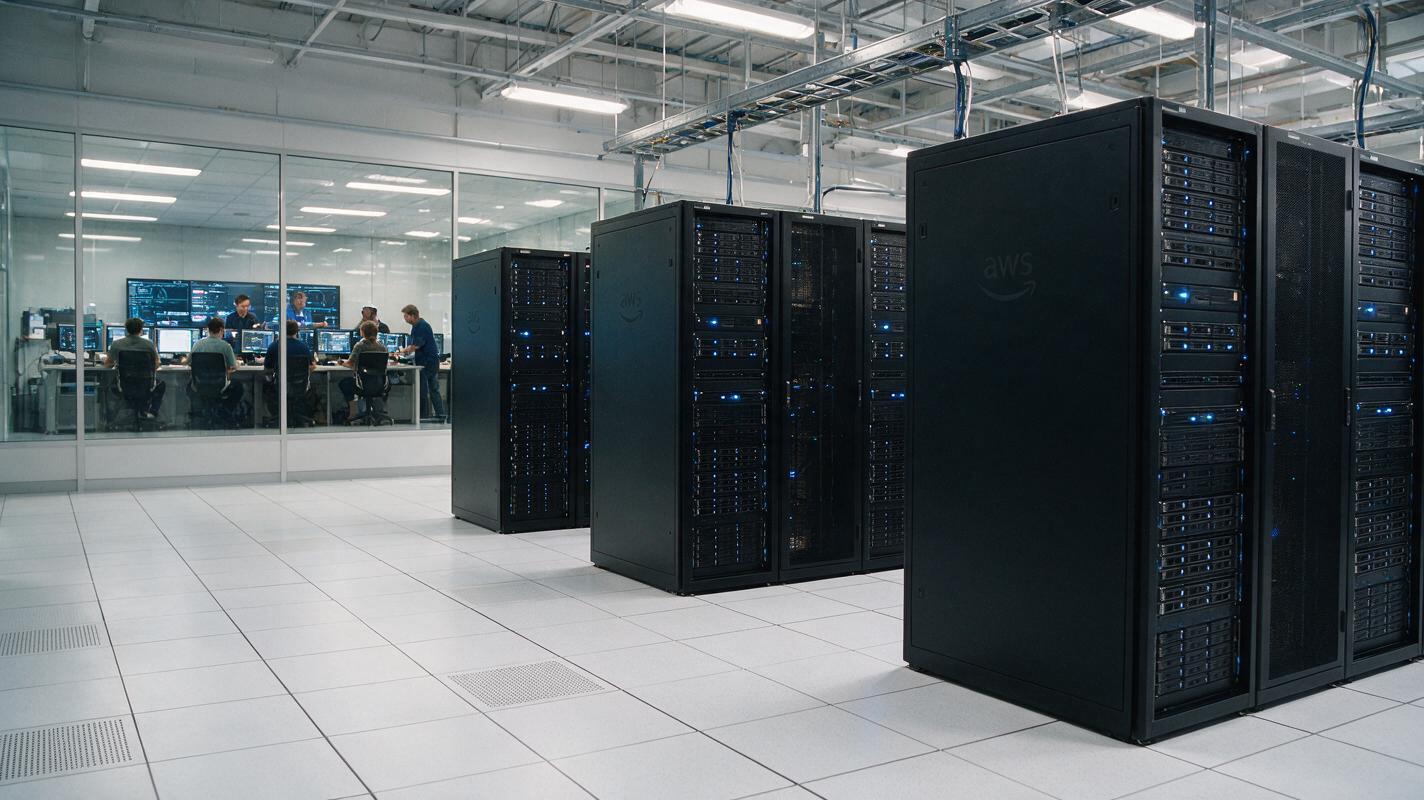
Table of contents
Amazon Drops Data-Center NDAs: What We Know So Far
An October 10, 2026 AI news report indicates Amazon has dropped data-center non-disclosure agreements (NDAs). The headline announcement does not include additional confirmed details on which data center offerings are affected, the exact timeline for the policy change, or the specific terms of the NDAs being eliminated. Even with limited initial information, the move represents a notable shift in cloud infrastructure transparency from one of the world’s largest cloud service providers.
Data-center NDAs are common across the cloud industry, where providers may require customers to sign confidentiality agreements before accessing certain infrastructure details such as on-site security protocols, performance benchmarks, regional capacity limits, or custom hardware configurations. These agreements typically restrict public disclosure of that information, limiting the ability of customers to compare offerings across providers or share insights about infrastructure performance with broader communities.
Amazon’s cloud division, Amazon Web Services (AWS), is a leading global provider of cloud infrastructure for a wide range of AI services, from large language model training and inference pipelines to content delivery for creative AI platforms. As AI tools become more computationally intensive and more central to creator workflows, infrastructure choices have an increasing impact on end-user experience.
Why Infrastructure Transparency Matters for AI Tools
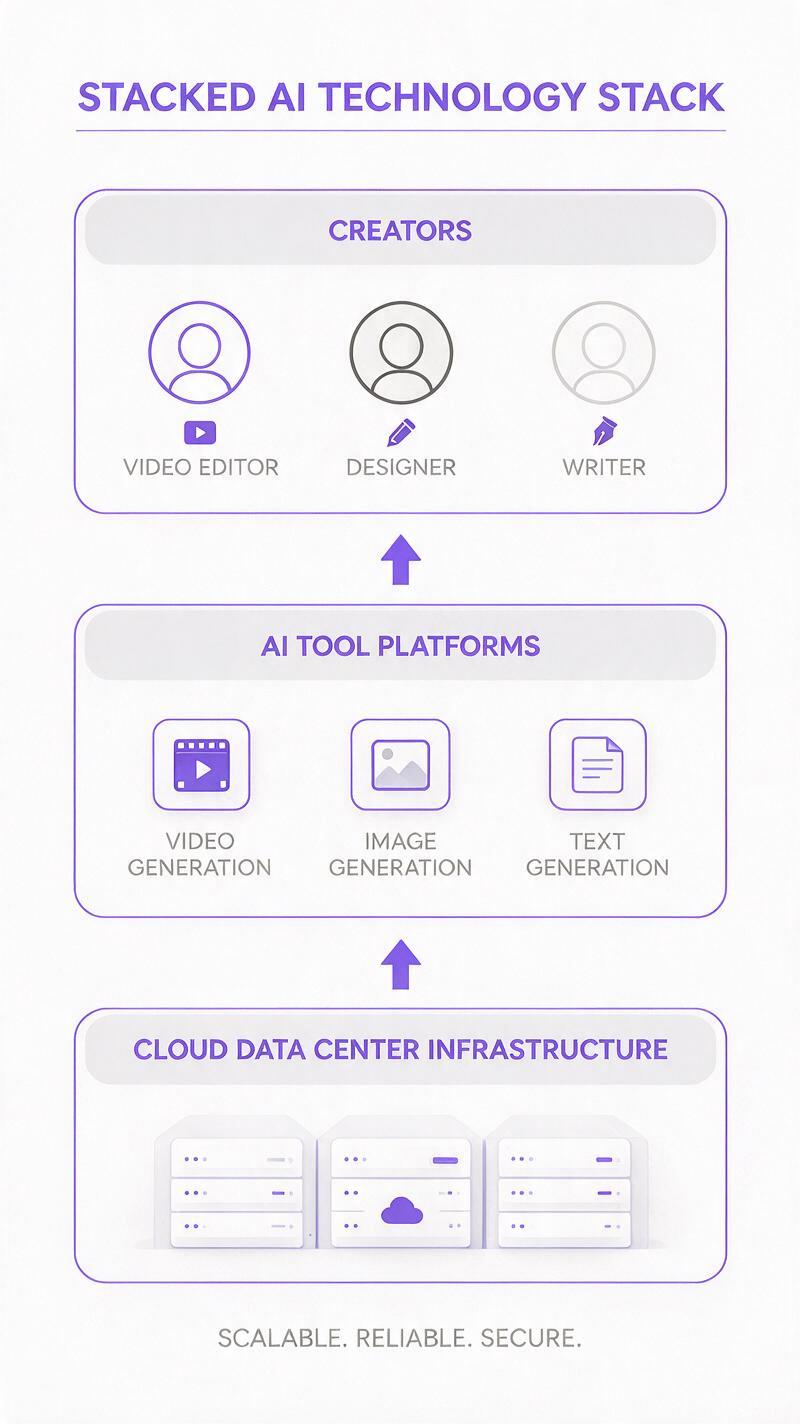
AI tools rely on massive cloud data center capacity to run complex machine learning models, from ai video generator pipelines that synthesize high-resolution video clips to natural language processing models that draft scripts and edit text. The performance, reliability, and scalability of these tools are directly tied to the underlying cloud infrastructure that powers them.
When cloud providers require NDAs for detailed infrastructure information, AI tool operators have limited visibility into the factors that affect their service quality. They may be unable to verify uptime claims, compare real-world performance across different cloud regions, or plan for capacity constraints during peak usage periods. This lack of transparency can make it harder for AI tool teams to optimize their setups for consistent performance.
More open infrastructure information can help AI tool providers make more informed decisions about which cloud services to use, how to distribute their workloads across regions, and how to plan for future growth. For creators, this translates to more reliable tool access, faster generation times, and fewer unexpected disruptions to their workflows.
Infrastructure transparency is especially critical for media-focused AI tools, which process large files and run computationally heavy models. Video generation, in particular, requires significant GPU and storage resources, so even small variations in infrastructure performance can have a noticeable impact on how long it takes to generate a clip or how consistent the output quality is.
What This Shift Means for Content Creators
While the Amazon data-center NDA change may seem like a behind-the-scenes infrastructure development, it has tangible implications for creators who use AI tools to produce content. Even creators who never interact directly with cloud infrastructure can feel the effects of changes in how cloud providers operate.
First, increased infrastructure transparency can lead to more reliable AI tool performance over time. When AI platform teams have better access to data center performance metrics and capacity information, they can optimize their infrastructure configurations to reduce downtime and speed up generation for text to video, image to video, and other AI-powered creative tasks. This means fewer failed generation jobs, shorter wait times, and more consistent output quality for creators working on tight deadlines.
Second, greater transparency could drive more competition among cloud providers. When customers can openly compare performance, reliability, and pricing across different providers, it becomes easier for them to switch to the provider that offers the best value for their needs. This competition can lead to lower infrastructure costs for AI tool providers, which may be passed on to creators in the form of lower subscription prices, higher usage limits, or additional features at no extra cost.
Third, more open infrastructure information can help creators make better choices about which AI tools to invest in. When tool providers can openly discuss their infrastructure setups and performance track records, creators can more easily evaluate which platforms are most reliable for their specific workflow needs, rather than relying on marketing claims alone.

How Multi-Model Platforms Mitigate Infrastructure Risks
Even with increased infrastructure transparency, AI tool performance can still vary due to unforeseen outages, model updates, regional capacity constraints, or other factors outside a creator’s control. That’s why many professional creators rely on multi-model AI creation platforms to reduce the risk of workflow disruptions.
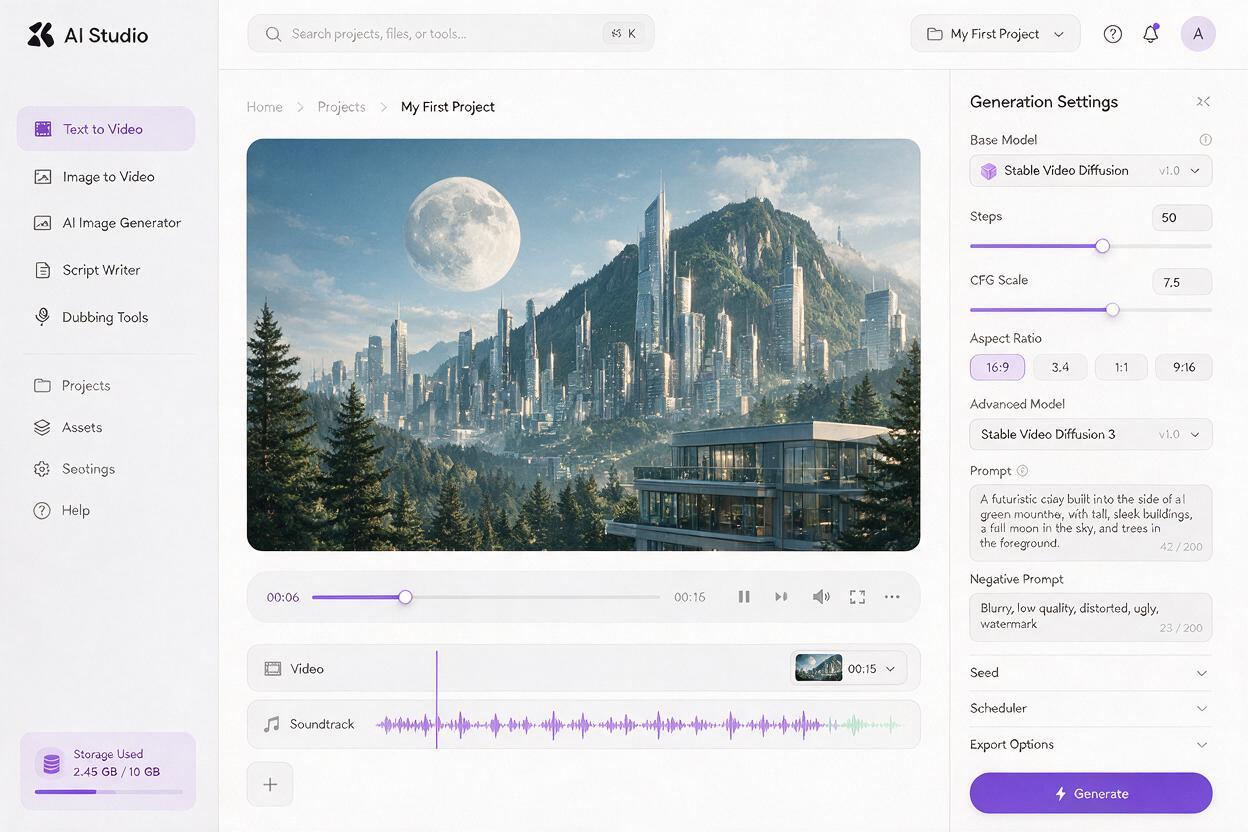
Multi-model platforms host a range of AI tools and models under a single user account, so if one model or tool experiences performance issues, creators can switch to an alternative without having to set up a new account, learn a new interface, or transfer their project assets manually. This flexibility is especially valuable for creators working on time-sensitive projects, such as social media content, marketing campaigns, or client deliverables with hard deadlines.
MagicBoat’s platform includes access to a wide range of AI creation tools, from image generation and script writing to dubbing and storyboard creation, all in one centralized workspace. This centralized access makes it easy for creators to pivot between tools as needed, without worrying about infrastructure disruptions on any single model derailing their entire project.
If you want to test a range of reliable AI creation tools in one place, you can try these models for free on MagicBoat.
Key Takeaways
- Amazon’s reported move to drop data-center NDAs marks a notable shift in cloud infrastructure transparency, though full details of the change have not yet been publicly released.
- Increased infrastructure transparency can lead to more reliable AI tool performance, faster generation times, and potentially lower costs for creators over time.
- Multi-model AI platforms provide an extra layer of workflow resilience by giving creators access to multiple tools and models under a single account, reducing the impact of any single tool outage.
- Creators should prioritize platforms with proven reliability and diverse tool options to minimize workflow disruptions and keep their projects on track.
Keywords
ai news, ai tools, ai video generator, text to video, image to video, ai roundup, cloud infrastructure