Amazon Forms New Home Robotics Team Around Fauna’s Sprout Robot
Amazon has formed a new home-robotics team inside its Personal Robotics Group, moving most Astro staff into the effort and building on its acquisition of Fauna Robotics. The reset centers attention on Sprout, a 3.5-foot, 59-pound biped priced at about $50,000 for development partners, as investment in robotics and physical AI accelerates.
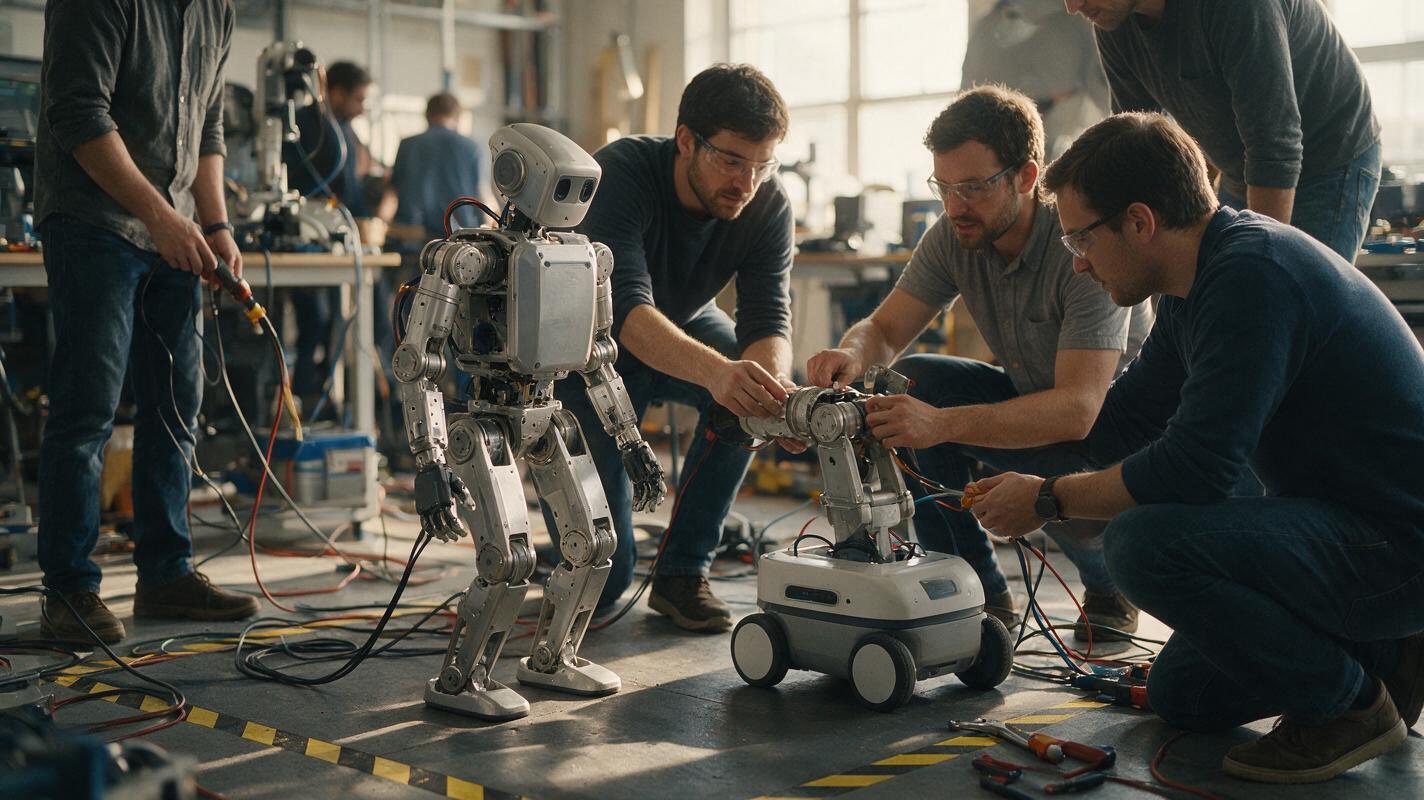
Table of contents
Amazon Reorganizes Its Home-Robotics Ambitions
Amazon has established a new home-robotics team inside its Personal Robotics Group, moving most of the staff from its Astro project into the new organization and hiring an MIT robotics specialist. The restructuring builds on Amazon’s March 24 acquisition of Fauna Robotics, a company with approximately 50 people.
Fauna’s central product is Sprout, a bipedal robot measuring 3.5 feet tall and weighing 59 pounds. The robot is scheduled to ship to development partners from January 2026 at a price of about $50,000, with Disney identified among its early customers.
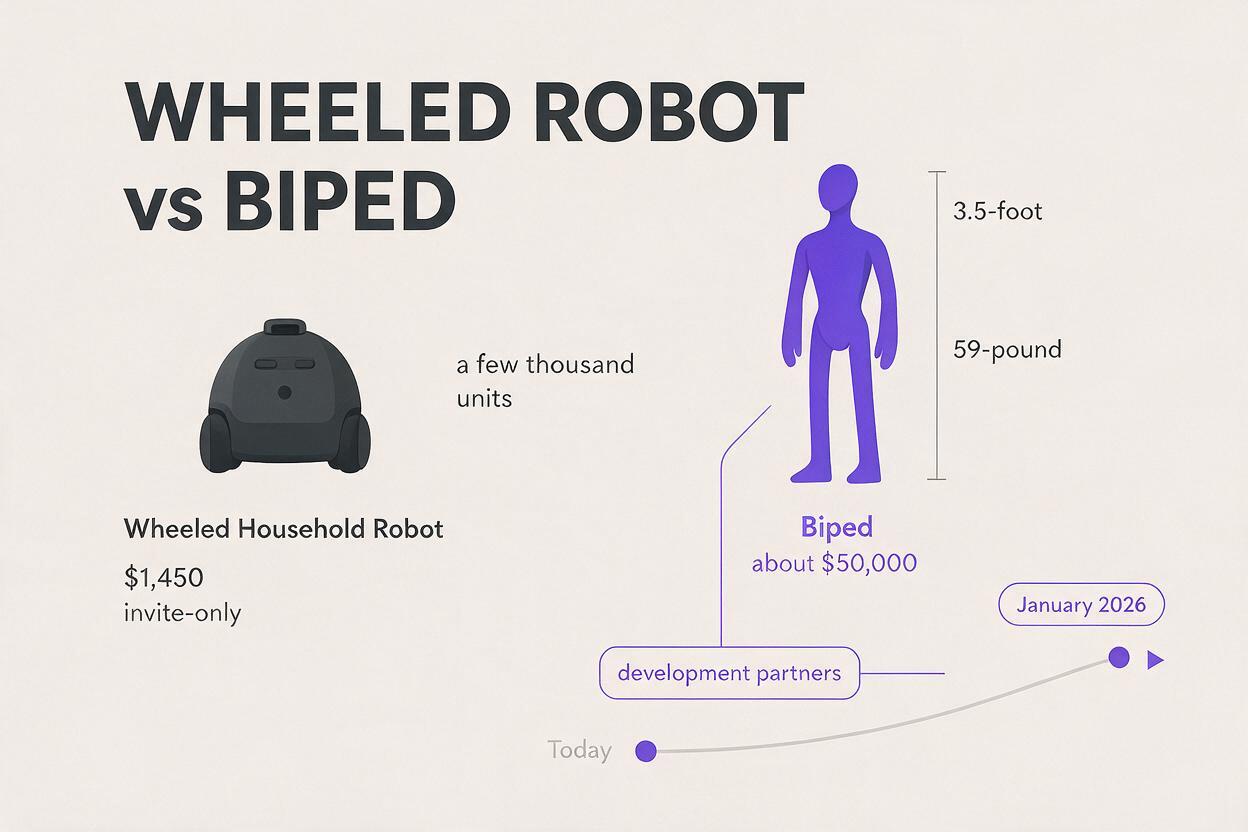
The new organization follows a difficult first chapter for Amazon’s household robotics effort. Astro, priced at $1,450, remained available by invitation and reached only a few thousand units. An enterprise edition introduced in 2023 was discontinued within a year. Amazon’s decision to transfer most Astro employees rather than disperse the team indicates that the company is reorganizing its robotics work rather than abandoning the category.
The wider financing environment is also changing quickly. Robotics and physical-AI startups raised $33.4 billion in venture capital during the first half of 2026, already exceeding the $28.7 billion raised throughout all of 2025. For content teams, the combination of a recognizable technology company, a humanoid form factor and a rapidly expanding investment category creates a news story that can support explainers, visual comparisons and short-form commentary without speculating about unannounced consumer products.
Why Fauna Robotics Changes the Shape of the Project
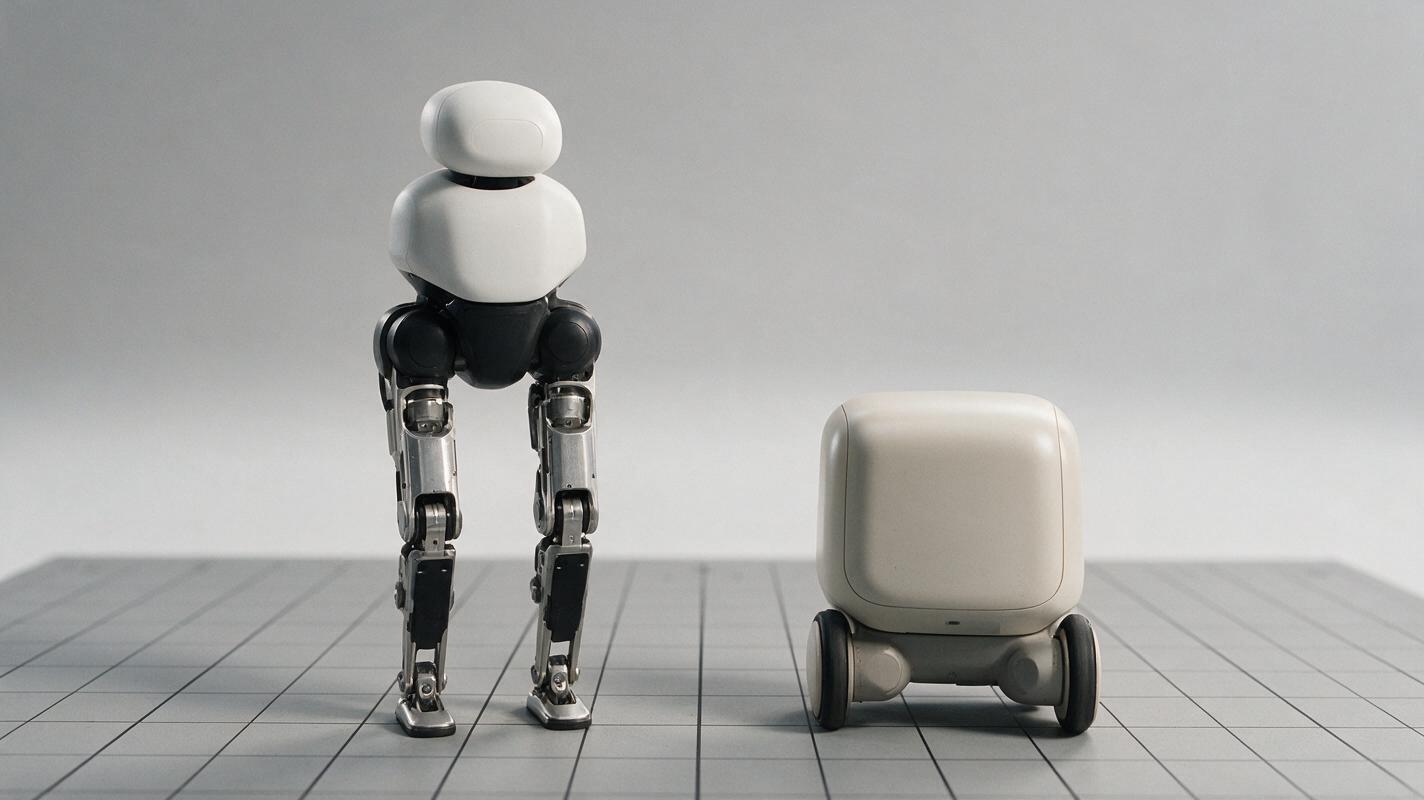
Amazon’s earlier Astro project was a wheeled household device. Sprout is a biped intended for development partners, placing the newly assembled group around a notably different physical design and initial market.
The confirmed details provide three important boundaries for interpreting the news:
- Sprout is a development-partner product. Its reported January 2026 shipping schedule applies to development partners.
- The reported price is about $50,000. That is materially different from Astro’s $1,450 price and does not establish a mass-market household price.
- Amazon acquired Fauna Robotics. The transaction brought in a team of approximately 50 people and should not be confused with a simple supplier agreement.
The clearest reading is that Amazon is combining retained Astro experience with Fauna’s biped platform inside a newly organized home-robotics effort. The available facts do not confirm a consumer release for Sprout.
That distinction matters because bipedal robots can attract exaggerated headlines. Responsible coverage should separate what Amazon has organized, what Fauna has already scheduled and what remains unknown.
Astro’s Record Explains the Organizational Reset
Astro’s history supplies essential context for the new team. The $1,450 robot stayed invite-only, reached a few thousand units and did not become a broadly available household product. Amazon also introduced an enterprise edition in 2023, but that effort ended within a year.
| Confirmed point | Astro | Sprout |
|---|---|---|
| Physical format | Wheeled household robot | 3.5-foot biped |
| Weight | Not stated in the reporting | 59 pounds |
| Reported price | $1,450 | About $50,000 |
| Initial availability | Invite-only | Development partners from January 2026 |
| Reported reach | A few thousand units | Disney among early customers |
The comparison does not prove that Sprout will replace Astro or become a consumer product. It shows why Amazon may need a different development structure: the form factor, price and initial customer group are all different from those associated with Astro.
Moving most Astro personnel into the new group may preserve experience accumulated during the earlier program. Adding a robotics specialist and integrating the acquired Fauna team gives Amazon a new organizational base from which to continue its work.
Physical AI Is Attracting More Capital
The funding figures place Amazon’s move within a larger market shift. Robotics and physical-AI companies raised $33.4 billion during the first half of 2026, compared with $28.7 billion across all of 2025.
That comparison is striking because the 2026 total covers only half a year. It signals strong investor interest in systems that connect software intelligence with machines operating in physical environments. It does not, by itself, indicate which robot designs or companies will succeed.
For publishers, this is an opportunity to explain physical AI using concrete facts rather than generic images of futuristic machines. Sprout’s dimensions, weight, price and development-partner positioning offer a clear visual framework, while Astro’s limited rollout provides relevant commercial context.
What the News Means for AI Content Production
Robotics coverage often requires several content formats at once: a concise news post, a comparison graphic, a narrated short video and a longer explainer that separates confirmed specifications from assumptions. An effective ai workflow should keep those outputs aligned around one evidence set.
A useful editorial structure could contrast the two reported programs without implying that they are direct substitutes. Astro represents Amazon’s earlier invite-only household effort, while Sprout represents a biped platform shipping to development partners at a much higher price.
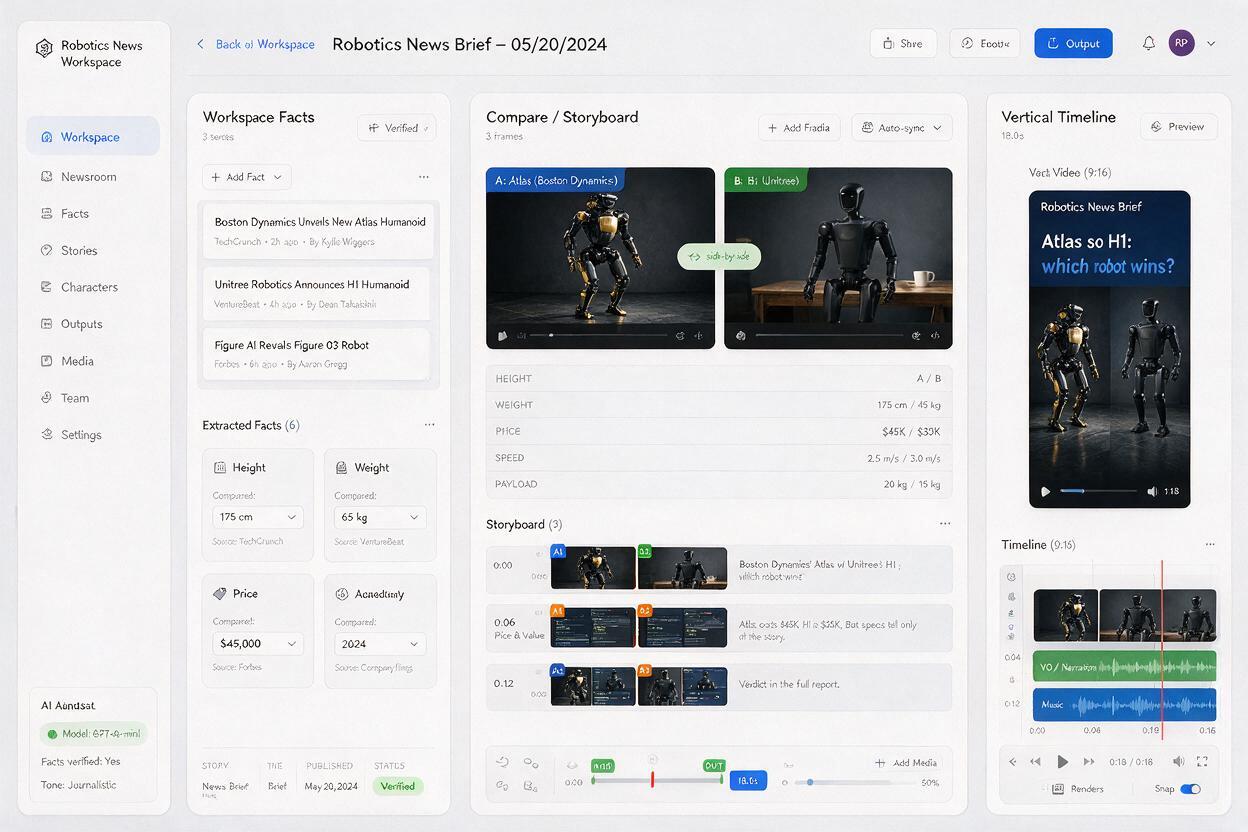
Visual teams can map that contrast with an ai storyboard before developing scenes. An ai video generator can then support an ai video workflow built around verified dimensions, pricing and organizational context rather than invented demonstrations.
The broader lesson is that the model or tool used for one asset should not become a single point of dependency for the entire production pipeline. A multi-model platform can help teams keep research, scripting and visual production connected while adapting their tool choices to each format.
Editorial Angles That Stay Within the Evidence
The strongest commentary is available directly from the confirmed record. A report can examine why Amazon retained most Astro staff, how the Fauna acquisition adds a biped platform or why the physical-AI funding total has accelerated.
Several claims should remain outside the story unless Amazon supplies further information:
- That Sprout will receive a broad consumer launch
- That its development-partner price will become a household retail price
- That Disney’s early involvement defines a specific deployment
- That the new team has announced a successor to Astro
- That a particular AI model or assistant will control the robot
A disciplined distinction between confirmed facts and open questions makes robotics content more credible. It also gives audiences a clearer understanding of why this is an organizational and platform story, not yet a mass-market product announcement.
Build a Flexible Production Workflow
Amazon’s new team illustrates how quickly major technology programs can be reorganized when an earlier product does not achieve broad distribution. Content operations need similar flexibility: preserve the useful research and creative assets, but avoid locking every deliverable to one model or format.
MagicBoat brings AI creation tools into one account so teams can develop scripts, storyboards and visual assets without rebuilding their workflow around every platform change. To explore a flexible approach for your next robotics explainer, try these models for free.
Key Takeaways
- Amazon has created a new home-robotics team inside its Personal Robotics Group.
- Most Astro staff have moved into the new organization, which also hired an MIT robotics specialist.
- The effort builds on Amazon’s March 24 acquisition of Fauna Robotics and its approximately 50-person team.
- Fauna’s Sprout is a 3.5-foot, 59-pound biped priced at about $50,000 for development partners.
- Sprout is scheduled to ship from January 2026, with Disney among its early customers.
- Astro remained invite-only, sold a few thousand units and had a short-lived enterprise edition.
- Physical-AI and robotics startups raised $33.4 billion in the first half of 2026, above the $28.7 billion raised in all of 2025.
Keywords
amazon home robotics, sprout robot, fauna robotics, astro robot, personal robotics group, physical ai, ai workflow