Amazon Kuiper Passes 1,000 Satellites for 3,236-Satellite LEO Constellation
Amazon has announced that its Kuiper low-Earth-orbit satellite production line has passed the 1,000-satellite milestone, as the company builds out its planned 3,236-satellite global broadband constellation. The expansion of LEO satellite internet is set to improve access to cloud-based AI tools for creators in underconnected regions, supporting more flexible and geographically distributed content workflows. Browser-based multi-model AI platforms are well positioned to serve this growing base of remote creators.
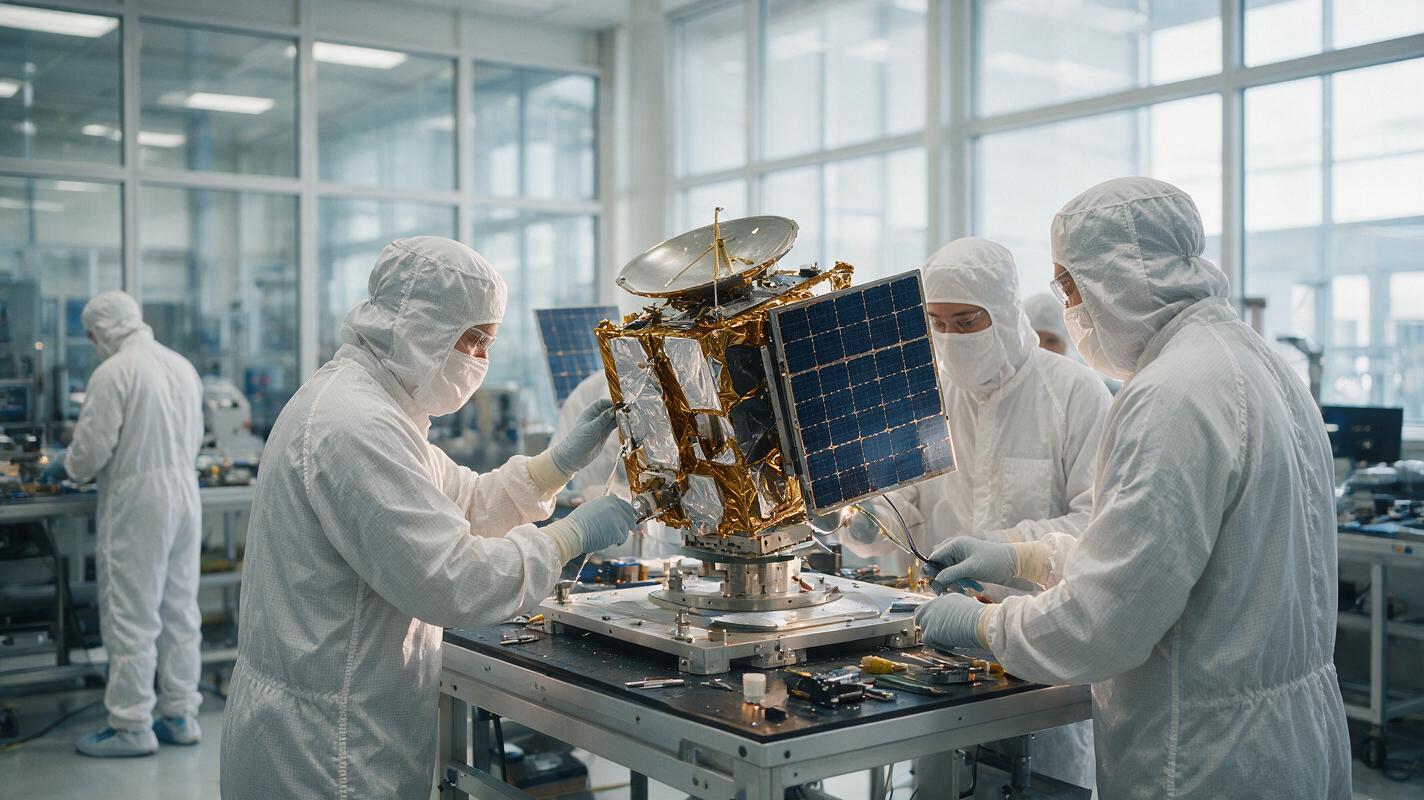
Table of contents
Amazon Kuiper LEO Production Line Passes 1,000 Satellites
Amazon has hit a key manufacturing milestone for its Kuiper low-Earth-orbit (LEO) satellite internet constellation, with its production line now having completed more than 1,000 satellites. The Kuiper program is building out a planned constellation of roughly 3,236 satellites designed to deliver high-speed broadband internet to locations around the world where fixed or mobile internet access is limited, unreliable, or unavailable. Once operational, Kuiper will compete directly with SpaceX’s Starlink as one of the largest LEO satellite broadband providers globally.
The production milestone marks a notable step forward for Amazon’s long-planned satellite internet effort, which the company has positioned as a critical piece of its broader cloud and connectivity infrastructure strategy. Kuiper satellites are built at Amazon’s dedicated production facility, with scaled manufacturing designed to support the full constellation deployment over coming years.
Satellite Broadband and the Growing AI Industry
The expansion of LEO satellite internet comes at a time when the ai industry is increasingly reliant on cloud-based delivery for consumer and professional tools alike. Most modern AI content creation tools — from large language models to ai video generator platforms — run on remote cloud servers, with users accessing them through a web browser or lightweight desktop app. That model delivers powerful capabilities without requiring local high-end hardware, but it depends on consistent, high-speed internet access to function well.
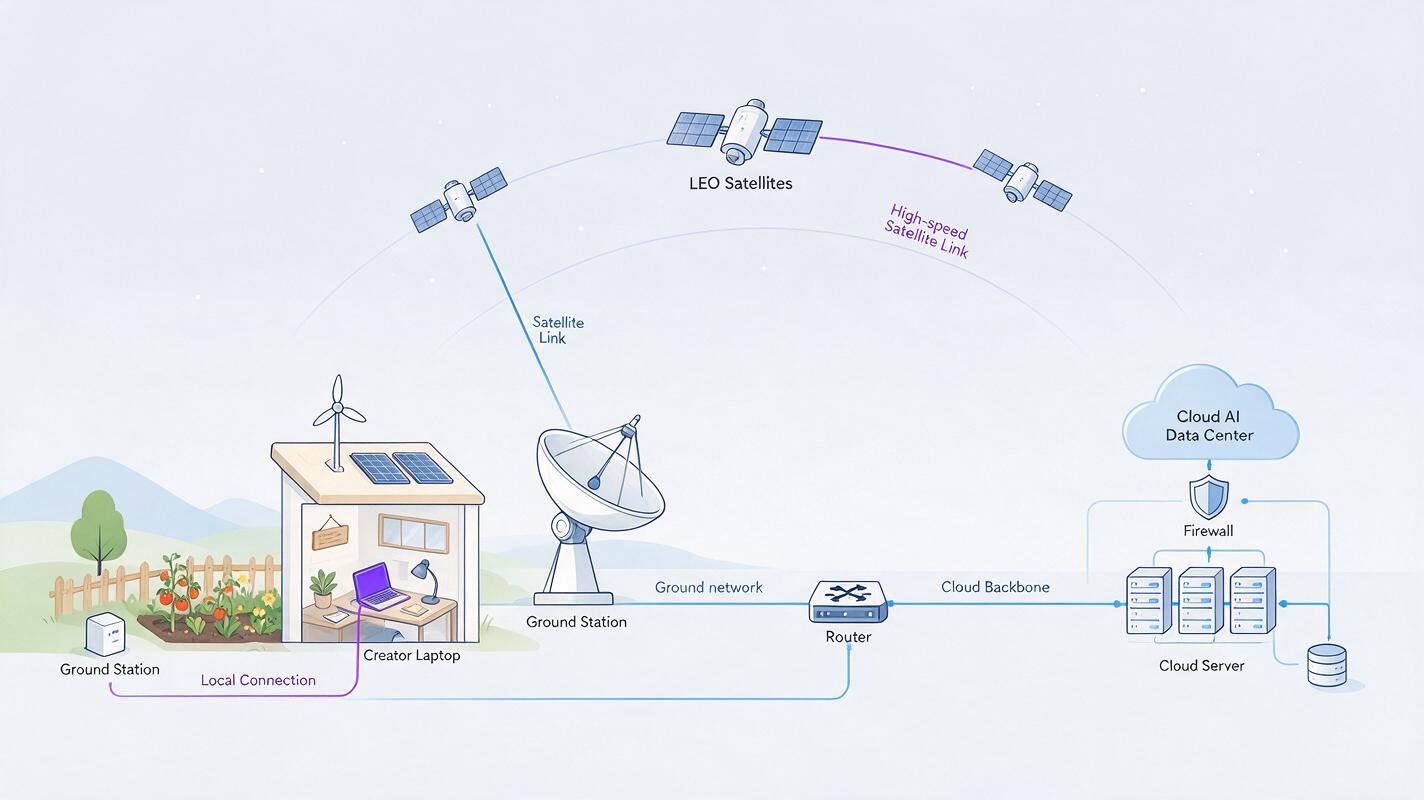
For regions without robust fiber or cable broadband infrastructure, cloud AI tools have often been out of practical reach. Slow upload and download speeds make it difficult to work with large media files, run real-time AI generations, or collaborate on content projects with remote teams. LEO satellite constellations like Kuiper aim to close that gap by delivering high-speed, low-latency internet to nearly any location on the planet, unlocking access to cloud AI tools for millions of potential users.
What This Means for Content Creators
Content creators working in rural, remote, or underconnected areas stand to benefit the most from expanded satellite broadband access. Many independent creators and small content teams operate outside of major urban centers, where high-speed internet is not always available or affordable. With reliable satellite internet, those creators can use the same cloud-based AI tools as teams in large cities, leveling the playing field for content production.
Practical use cases are broad. A creator working from a remote location can use an ai image generator to produce visual assets for social media, run full video generation workflows, or edit and upload long-form content without waiting hours for file transfers. Teams spread across multiple locations can collaborate on AI-assisted projects in real time, regardless of local internet infrastructure quality.

Why Browser-Based Multi-Model Platforms Fit This New Connectivity Landscape
As internet access becomes more geographically flexible, creator tools that run entirely in the browser become even more valuable. Unlike downloadable software that requires local installation, regular updates, and powerful on-device hardware, browser-based AI platforms work on any device with a decent internet connection and a modern web browser. That makes them a natural fit for creators using satellite internet, who may be working from a range of devices and locations.
Multi-model platforms take that value a step further by consolidating multiple AI capabilities into a single account. Instead of managing separate subscriptions, logins, and billing for image generation, video creation, voiceover, and scriptwriting tools, creators can access all of those capabilities from one dashboard. That reduces administrative overhead, makes it easier to test different tools for specific tasks, and avoids the security risks of downloading multiple third-party applications.
MagicBoat is built for this flexible, cloud-first creator workflow, with a full suite of AI content tools accessible directly in a web browser. Creators can try these models for free to test how well they fit their workflow, whether they’re working from a city apartment with fiber internet or a remote studio connected via satellite broadband.
Key Takeaways
- Amazon’s Kuiper LEO satellite production line has passed the 1,000-satellite milestone as part of its planned ~3,236-satellite broadband constellation.
- Expanded satellite internet access will reduce barriers to cloud-based AI tools for creators in underconnected regions, supporting more equitable access to professional content creation capabilities.
- Browser-based multi-model AI platforms are well suited to this more distributed connectivity landscape, offering flexible access without local hardware or installation requirements.
Keywords
amazon kuiper, leo satellites, satellite internet, ai industry, ai video generator, cloud ai tools, remote content creation