Amazon Market Cap Tops $2 Trillion for First Time
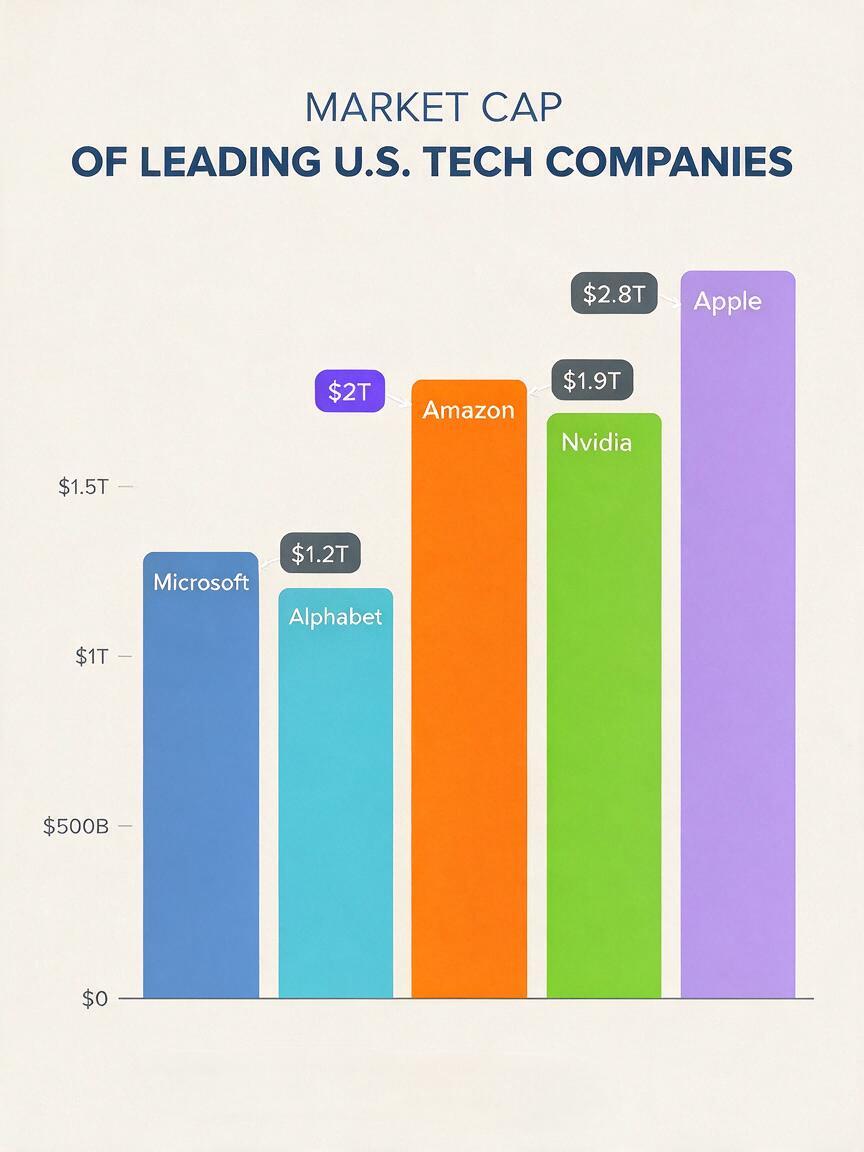
Amazon’s market capitalization crossed $2 trillion for the first time in October 2026 following a 3.9% daily gain, driven by strong growth in its AWS cloud and AI businesses. The milestone reflects broader AI industry expansion and rising capital expenditure across the cloud sector, with direct implications for creator tool pricing and reliability. Multi-model AI platforms help content teams mitigate risk and manage costs by providing access to multiple tools through a single account.

Table of contents
Amazon Hits $2 Trillion Market Cap: The Details
Amazon’s market capitalization crossed $2 trillion for the first time in October 2026, following a 3.9% gain in its stock price on October 14. The milestone makes Amazon one of only a handful of public companies to reach the valuation threshold, joining other tech giants in the exclusive $2 trillion+ club.
The surge is driven in large part by investor optimism around Amazon’s cloud computing and artificial intelligence businesses, which have seen accelerating demand as companies of all sizes adopt AI tools and infrastructure. Amazon Web Services (AWS) remains the global leader in cloud market share, and has expanded its AI offerings throughout 2026 including an open-source Physical AI Toolchain for robotics and manufacturing with NVIDIA stack integration.
Why the Milestone Reflects Broader AI Industry Growth
Amazon’s $2 trillion valuation is more than a corporate milestone — it’s a signal of how deeply AI is reshaping the global technology landscape and driving ai capital expenditure across the sector. Cloud providers like AWS are the backbone of the modern AI ecosystem, providing the compute power needed to train large language models, run inference for consumer and enterprise tools, and support the growing wave of generative AI applications used by creators and businesses alike.
The valuation surge comes amid a broader wave of ai funding across the industry, with both startups and established cloud giants investing heavily to capture a share of the fast-growing AI market. Goldman Sachs recently projected that five major cloud giants’ AI capex will grow 50% or more to $1.2 trillion next year, a figure that underscores the scale of investment flowing into AI infrastructure.
For Amazon, this investment has paid off as businesses and AI startups increasingly rely on AWS to host their models and services. Even fast-growing AI players like DeepSeek, which recently reported roughly $1 billion in annualized revenue, rely on cloud providers to deliver their models to users globally. Even as competitors like Microsoft and Google expand their own cloud AI offerings, AWS has maintained its lead by focusing on a broad ecosystem of tools, open-source integrations, and scalable compute options.
What This Means for Creator Tool Pricing and Availability
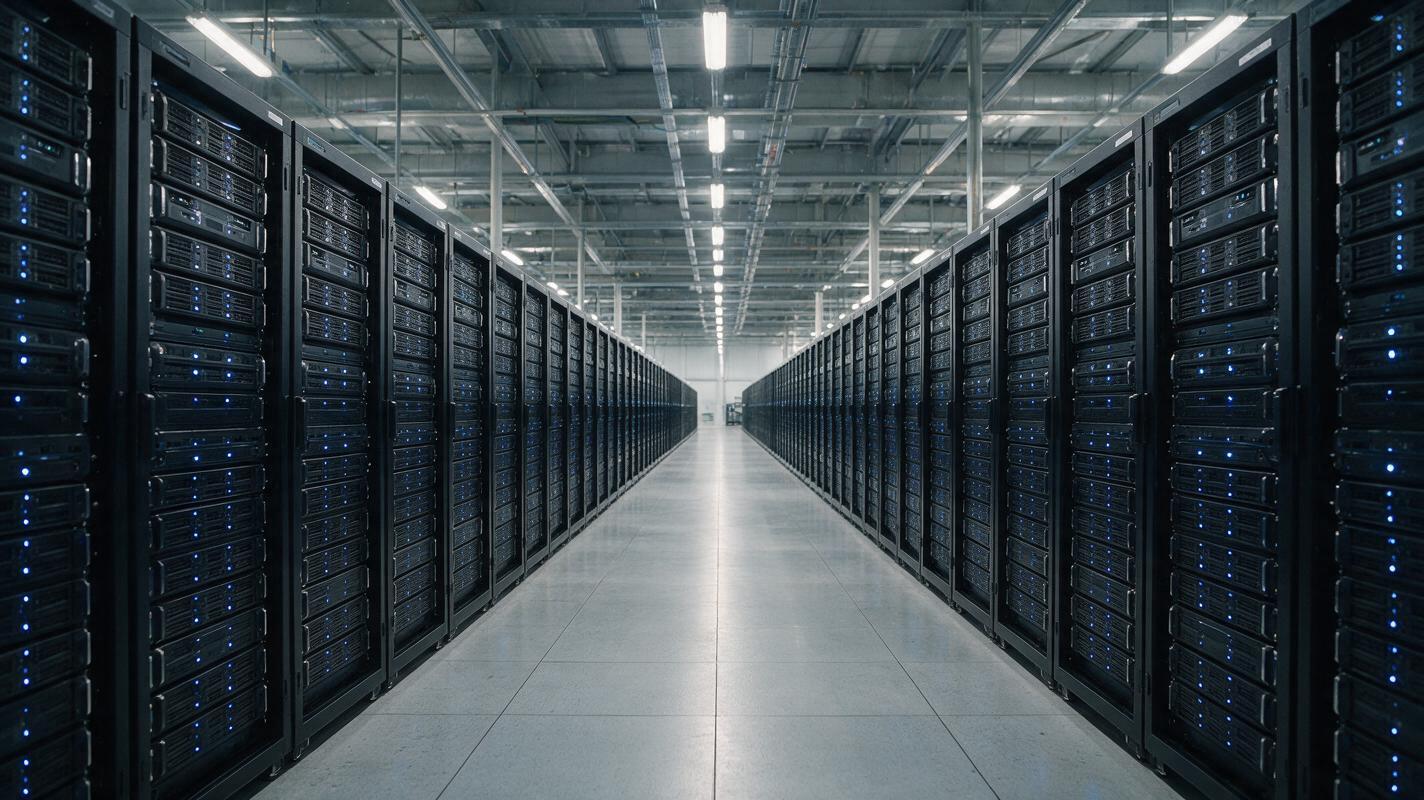
For content creators and content teams, Amazon’s growing AI infrastructure footprint has direct implications for the tools they use every day. Many popular AI content tools — from ai image generator platforms to ai video generator services — run on AWS infrastructure, meaning the scale and cost of AWS compute directly affects the pricing, speed, and reliability of these tools.
As AWS continues to invest in capacity, creators may see more stable performance and lower ai video cost over time, as economies of scale drive down per-unit compute costs. However, the rapid growth in AI demand can also create supply constraints, as seen in recent AI-driven memory chip shortages that have pushed up prices for both consumer devices and data center components. These shortages can ripple through the creator ecosystem, affecting everything from device upgrade costs to subscription pricing for cloud-based AI tools.
For example, a creator using a cloud-based image generation tool may notice faster generation times if their provider has access to expanded AWS GPU capacity, but may also see price fluctuations if compute costs rise during periods of high demand. This volatility makes it important for content teams to have flexibility in their tool stack, rather than relying on a single provider or model for all their creative needs.
Why Multi-Model Platforms Reduce Creator Risk
Amazon’s $2 trillion milestone highlights how concentrated AI infrastructure is among a small number of large cloud providers. While this concentration drives significant investment and rapid innovation, it also creates meaningful risk for creators: a single provider’s price hike, service outage, or policy change can disrupt entire workflows overnight, leading to missed deadlines and lost revenue.
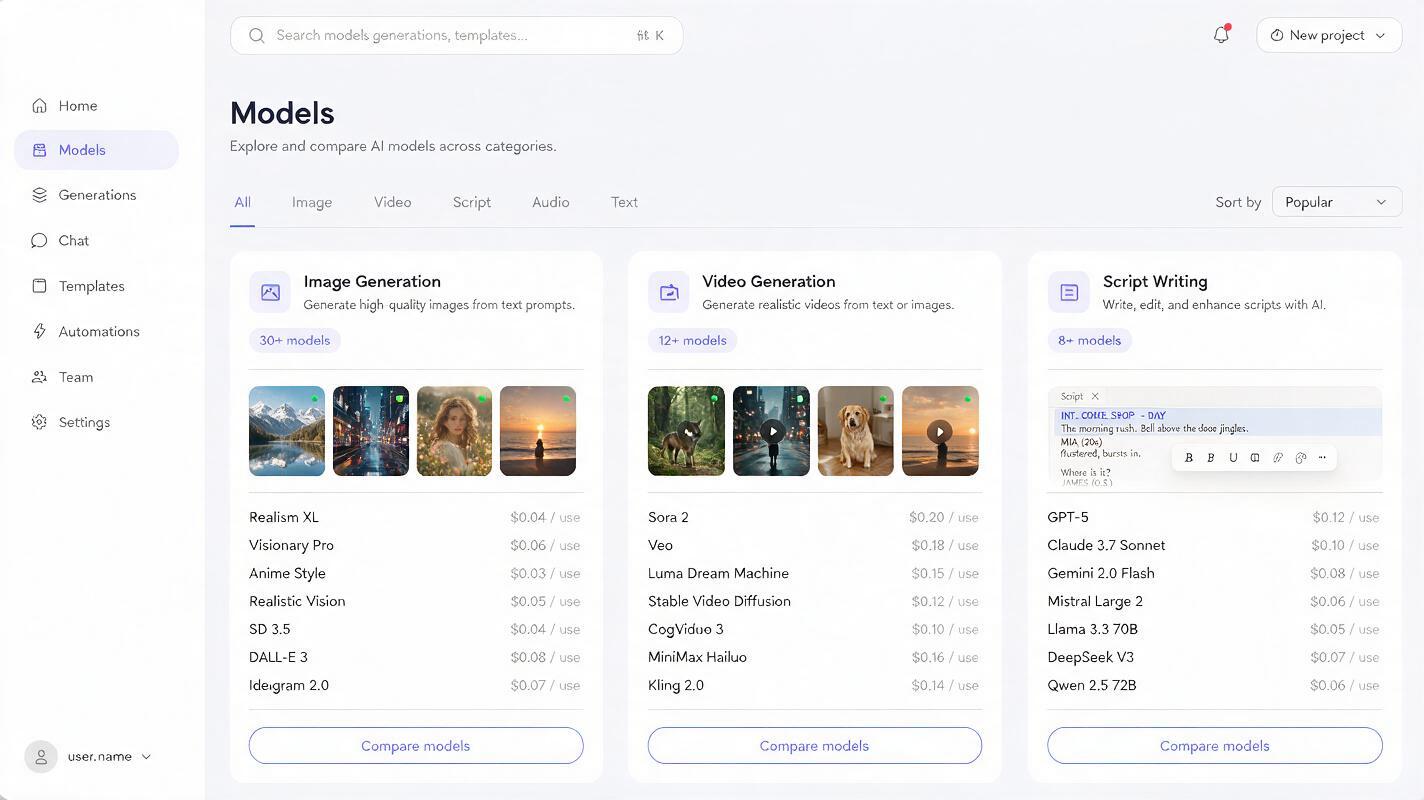
That’s where multi-model AI platforms like MagicBoat come in. By giving creators access to a wide range of AI tools and models through a single account, MagicBoat reduces dependence on any single infrastructure provider or model vendor. If one video generation tool experiences slowdowns or price increases, creators can switch to another option without having to set up new accounts, learn new interfaces, or migrate their existing assets.
Multi-model platforms also help creators manage costs more effectively. With access to multiple models at different price points and performance levels, content teams can choose the most cost-effective tool for each specific task — for example, using a faster, cheaper model for draft work and a higher-quality model for final client deliverables. This targeted approach can significantly reduce overall ai video cost and image generation costs, especially for teams producing high volumes of content on a regular basis.
Another key benefit is consistent access to tools, even during periods of peak demand or unexpected service disruptions. If one model is unavailable or running slowly, creators can switch to an alternative in seconds, minimizing downtime and keeping projects on schedule. This reliability is especially critical for teams working on tight client deadlines or time-sensitive content campaigns. You can try these models for free on MagicBoat to find the best fit for your workflow without committing to a single provider.
Key Takeaways
- Amazon’s market capitalization crossed $2 trillion for the first time in October 2026, driven by strong growth in its AWS cloud and AI businesses.
- The milestone reflects broader ai industry expansion and rising ai capital expenditure, with major cloud giants on track to spend $1.2 trillion on AI infrastructure next year.
- For creators, Amazon’s infrastructure expansion can lead to more stable and affordable AI tools over time, but also carries risk from concentrated infrastructure and supply chain constraints.
- Multi-model platforms like MagicBoat help creators reduce risk, manage costs, and maintain workflow flexibility by providing access to multiple tools in one centralized account.
- Content teams should evaluate tools based on actual cost per approved asset and real-world performance, rather than relying on vendor hype or valuation metrics alone.
Keywords
amazon market cap, ai industry, ai capital expenditure, ai funding, deepseek, ai video cost, ai image generator