What Is the AMD Hunterbrook Capital Short? Allegations & Details | MagicBoat
On November 19, 2026, short seller Hunterbrook Capital targeted AMD with allegations of circular customer financing and ongoing sales to blacklisted Chinese server maker IEIT Systems, with over 20% of AMD’s revenue coming from China and Hong Kong. AMD’s stock fell up to 11% intraday before closing roughly 7.7-8% lower, and the company denied the claims, stating it complies with export controls. The report adds fresh uncertainty to the AI hardware supply chain, with potential ripple effects for cloud-based AI creative tools used by content creators.
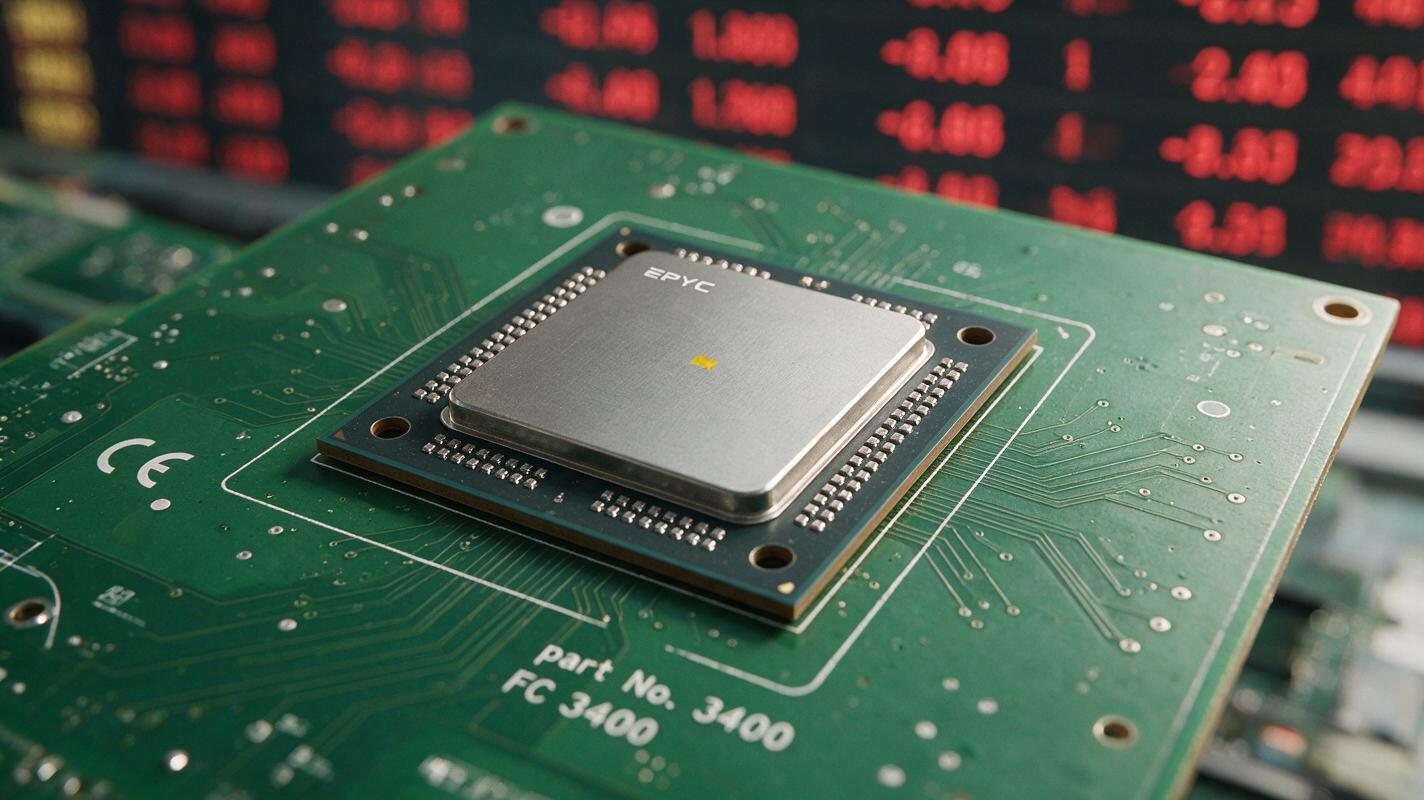
Table of contents
What Happened With AMD and Hunterbrook Capital?
On November 19, 2026, short seller Hunterbrook Capital released a report targeting chipmaker Advanced Micro Devices (AMD), sending the company’s stock sharply lower in intraday trading. The report raises allegations of improper customer financing and ongoing sales to a blacklisted Chinese server manufacturer, claims that AMD has publicly rejected. For AI content creators and platform operators, the news adds a new layer of uncertainty to the already volatile AI hardware supply chain, which underpins most cloud-based creative tools available today.
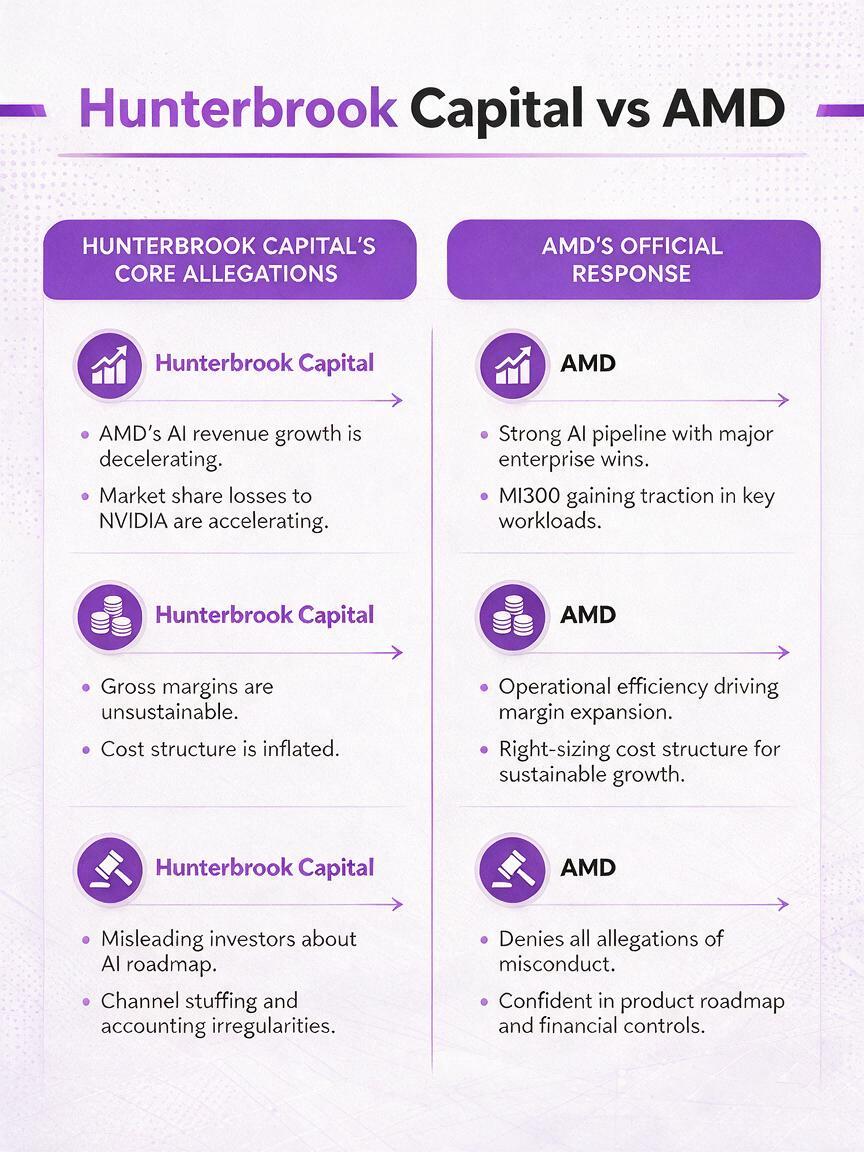
The short attack, covered by CNBC TV18 and the Straits Times, centers on two core claims against AMD. First, Hunterbrook alleges AMD has engaged in circular customer financing arrangements that inflate reported revenue. Second, the firm claims AMD continues to sell products to IEIT Systems, a Chinese server maker that appears on U.S. export blacklists. The report notes that over 20% of AMD’s total revenue comes from China and Hong Kong, a figure that has drawn heightened scrutiny amid ongoing U.S.-China trade tensions around advanced chip technology critical to AI infrastructure.
Key Allegations and AMD's Response
The circular financing claim suggests AMD has structured deals with certain customers in ways that allow both parties to inflate their respective revenue figures, without corresponding real economic demand for the chips being sold. Such arrangements, if proven, could call into question the integrity of AMD’s reported financial results, particularly its high-growth data center segment which has been a key beneficiary of the global AI boom. Data center chips are the backbone of cloud AI services, powering everything from large language model inference to ai video generator and ai image generator tools used by millions of creators.
The second allegation, regarding sales to IEIT Systems, carries significant regulatory and trade policy implications. IEIT Systems is a blacklisted entity under U.S. export control rules, meaning U.S. companies are generally prohibited from selling certain advanced technologies to it without explicit government approval. Hunterbrook’s claim that AMD continues to do business with the firm could expose the chipmaker to heavy regulatory penalties and further restrictions on its ability to operate in the Chinese market, one of its largest revenue sources.
AMD has pushed back aggressively against the short report, stating that the document misrepresents the company’s business practices and financial standing. The chipmaker emphasized that it fully complies with all applicable export control regulations, including those governing sales to Chinese customers and restricted entities. AMD did not provide a detailed point-by-point rebuttal of the circular financing claim in its initial response, but its broad denial has left investors weighing the credibility of the short seller’s claims against the company’s public track record and regulatory compliance statements.
Stock Impact and Market Reaction
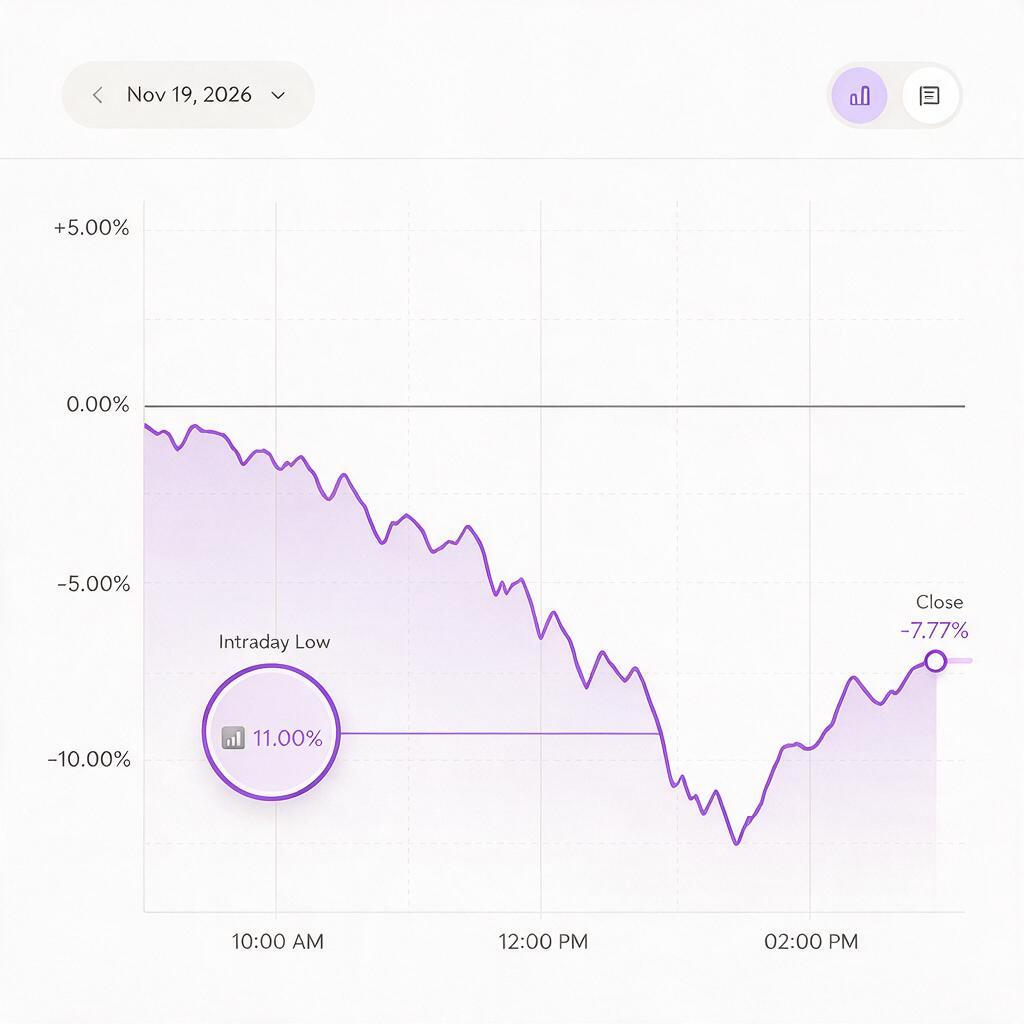
AMD’s stock fell as much as 11% during intraday trading on November 19, erasing billions of dollars in market value in a matter of hours as investors reacted to the short report. The stock recovered slightly from its intraday low by the close of regular trading, finishing the session down roughly 7.7% to 8%. The sharp selloff came amid a broader period of volatility in AI-related stocks, driven by rising interest rate expectations, new export control rules, and leadership upheaval at other major industry players including Nvidia.
The market reaction reflects investor concern about the potential impact of the allegations on AMD’s core growth engine: its data center chip business. AMD has been steadily gaining market share in the AI server chip market in 2026, with its 6th-generation EPYC “Zen 6” SP7 server CPUs launching earlier in November and seeing immediate adoption from major cloud providers including Microsoft Azure and Oracle OCI, as well as ongoing platform validation by Meta. Any disruption to AMD’s data center revenue stream or export capabilities could have ripple effects across the broader AI ecosystem, as cloud providers rely on a diverse supply of chips to meet surging demand for AI services.
What This Means for AI Content Creators
For AI content creators, the AMD short report is a timely reminder that the AI tools they depend on for their work are built on a complex, often fragile global hardware supply chain. Most cloud-based AI creative tools — from video generation platforms to image editing assistants and large language model writing tools — run on server hardware powered by chips from AMD, Nvidia, and other semiconductor manufacturers. If supply chain disruptions, regulatory penalties, or production constraints reduce the availability of these chips, it could lead to higher pricing, slower inference speeds, or reduced service reliability for the creative tools creators use every day.
This uncertainty underscores the value of building a flexible, multi-model creative workflow that distributes workloads across multiple providers and hardware ecosystems. Instead of relying on a single tool or cloud provider, creators can use platforms like MagicBoat to access a range of AI models and creative tools, reducing their exposure to any single supply chain disruption, vendor outage, or pricing change. For example, if one video generation tool experiences slowdowns due to hardware shortages, creators can switch to an alternative model within the same platform without disrupting their project timeline or creative process.
If you’re looking to build a more resilient and efficient creative workflow, you can try these models for free on MagicBoat and explore a full suite of AI-powered creative tools in one centralized platform.

Key Takeaways
- On November 19, 2026, short seller Hunterbrook Capital released a report targeting AMD with allegations of circular customer financing and ongoing sales to blacklisted Chinese server maker IEIT Systems.
- Over 20% of AMD’s total revenue comes from China and Hong Kong, making the company particularly exposed to U.S.-China trade tensions and export control scrutiny.
- AMD’s stock fell up to 11% during intraday trading before closing roughly 7.7-8% lower, and the company has denied the allegations, stating it fully complies with all applicable export control regulations.
- The report adds fresh uncertainty to the global AI hardware supply chain, with potential ripple effects for cloud-based AI creative tools used by content creators worldwide.
- Building a flexible, multi-model creative workflow can help creators reduce their exposure to single-vendor risks, supply chain disruptions, and service outages.
Keywords
amd, hunterbrook capital, short selling, ai hardware, export controls, ai ecosystem, server chips