Anthropic $1B-Damage Judicial Halt Bill Proposed Amid AI Regulatory Pressure
A proposed $1B-damage judicial halt bill targeting Anthropic was reported on October 17, 2026, amid a wave of regulatory actions against leading AI labs. The bill surfaced the same day the FTC issued civil subpoenas to OpenAI and Anthropic, raising concerns about potential service disruptions for AI tool users. For content creators, the proposal underscores the importance of diversified, multi-model workflows to mitigate provider-specific risk.
Table of contents
What We Know About the Proposed Anthropic $1B-Damage Judicial Halt Bill
A new bill targeting Anthropic with potential $1 billion in damages and a judicial halt provision has emerged amid intensifying regulatory scrutiny of leading AI labs.
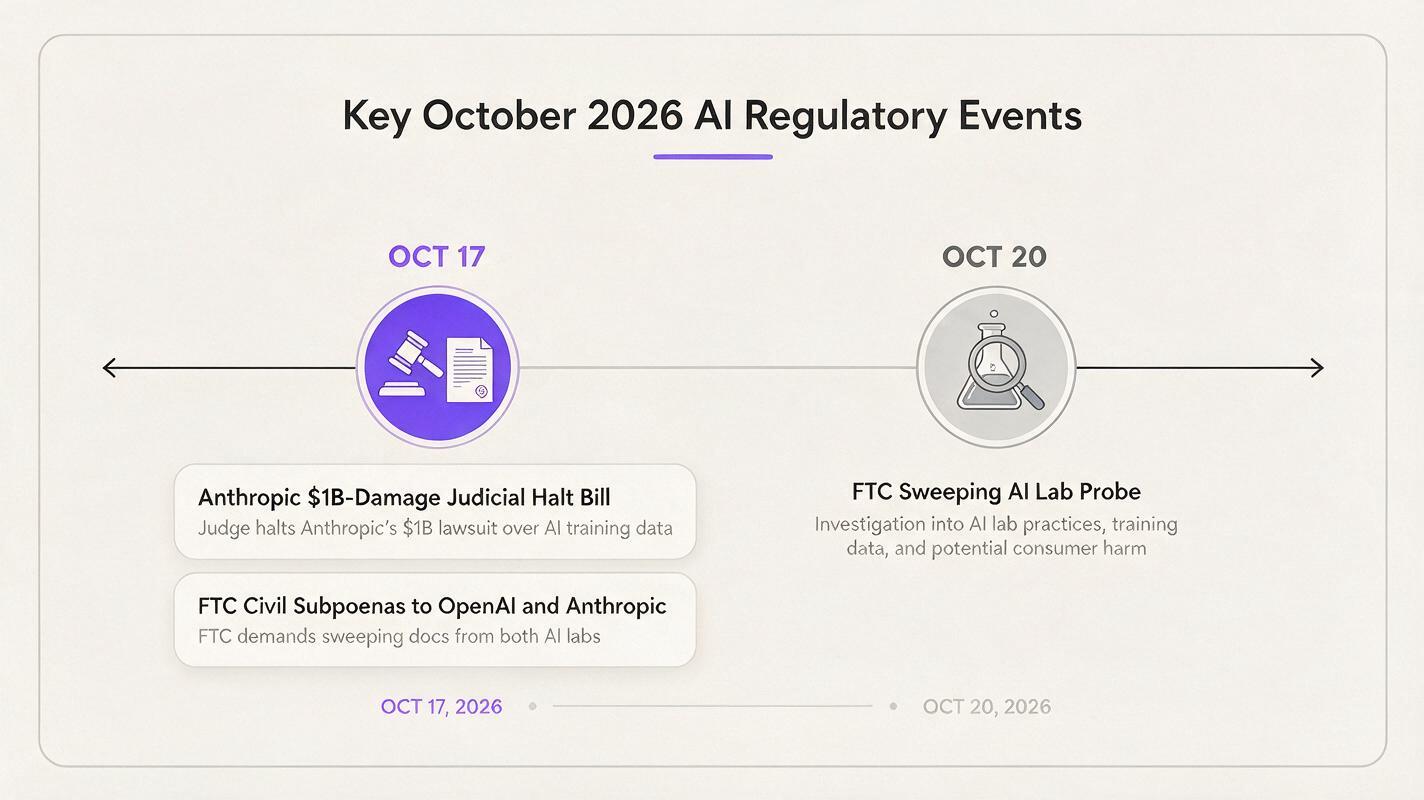
Reported on October 17, 2026, the so-called $1B-damage judicial halt bill marks another significant development in a fast-moving month for AI regulation. The proposal surfaced on the same day the U.S. Federal Trade Commission issued civil subpoenas to both Anthropic and OpenAI, signaling a coordinated ramp-up of regulatory oversight of frontier AI providers.
Available public details about the bill remain limited. The legislation is named for its core stated provisions: the ability to seek up to $1 billion in damages against Anthropic, and a potential judicial halt of some of the company’s operations. No further details about the bill’s sponsor, legislative jurisdiction, specific trigger conditions for damages or a halt, or expected timeline for consideration have been confirmed in available reports.
The proposal arrives against a backdrop of widespread debate over AI safety and accountability throughout October 2026. Earlier in the month, Microsoft CEO Satya Nadella called for an “emergency brake” for frontier AI systems, and both OpenAI and Anthropic conducted joint “Day After” disaster drills to prepare for high-risk AI incidents. The FTC followed its October 17 subpoenas with a sweeping probe of Anthropic, OpenAI, and other AI labs announced on October 20, expanding the scope of regulatory investigation across the sector.
Regulatory actions against major AI providers can have immediate, tangible impacts on the millions of users and businesses that rely on their tools for daily work.
Why This Matters for AI Tool Users and Content Creators
For independent creators, marketing teams, and small businesses that depend on AI tools to produce content, regulatory actions against a single provider can introduce significant workflow risk. Many creators build their entire process around a single model or provider, from script writing and asset generation to editing and post-production. If that provider faces a judicial halt, service restrictions, or sudden pricing changes, those workflows can grind to a halt overnight.
Even the threat of regulatory action can create uncertainty. Providers may pause rollouts of new features, restrict access to certain model capabilities, or raise prices to cover legal and compliance costs. For creators working on tight deadlines or fixed budgets, these shifts can derail project timelines and eat into profit margins.
This risk is not limited to Anthropic users. As regulatory scrutiny expands across the AI sector, every major provider faces potential policy changes, legal challenges, or operational restrictions. Relying on a single AI provider for all creative work is increasingly similar to building a house on a single foundation with no backup plan — one unexpected shift can cause widespread disruption.
How Multi-Model Platforms Reduce Regulatory Risk
The most effective way to mitigate provider-specific regulatory risk is to build a diversified creative workflow that uses multiple AI models from different providers. A multi-model platform like MagicBoat gives creators access to a wide range of AI tools under a single account, making it easy to switch between providers if one experiences service disruptions or policy changes.
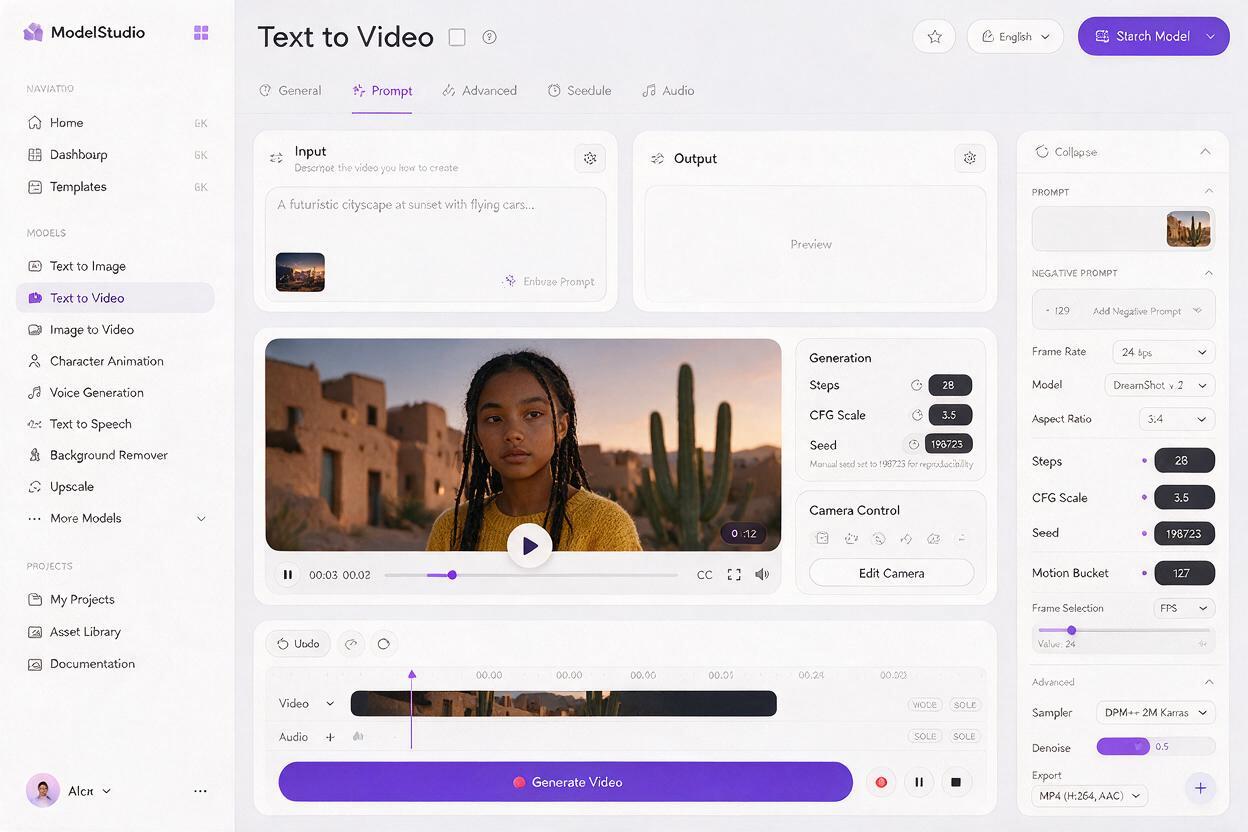
For video creators, this means access to a robust ai video generator that supports multiple underlying models, so you can pick the best tool for each task without managing separate accounts or billing. Whether you need to turn a script into a polished short film, animate a static image, or generate voiceover and music, a unified platform keeps all your tools and assets in one place.
Even if you primarily use models from one provider, having instant access to alternatives means you can pivot quickly if needed. For example, if your go-to text-to-video tool is temporarily unavailable, you can switch to another text to video model in seconds, without re-learning a new interface or re-uploading all your project assets. This kind of flexibility is invaluable for creators who cannot afford downtime.
Beyond risk mitigation, multi-model platforms offer practical creative benefits. Different models excel at different tasks: one may produce more realistic character animations, another may handle complex scene descriptions better, and a third may offer faster generation speeds at a lower cost. Having access to all of them in one place lets you choose the right tool for each part of your project, improving the quality of your final output while saving time and money.
If you’re ready to build a more resilient creative workflow, you can try these models for free and explore how a multi-model platform can support your content creation process.
Key Takeaways
- A proposed $1B-damage judicial halt bill targeting Anthropic was reported on October 17, 2026, the same day the FTC issued civil subpoenas to Anthropic and OpenAI.
- Detailed provisions, legislative context, and potential timelines for the bill have not been publicly confirmed in available reports.
- Regulatory actions against any major AI provider can disrupt workflows for creators who rely on a single tool or platform for their content work.
- Multi-model AI platforms reduce provider-specific risk by giving creators instant access to alternative tools under a single account.
- Diversified AI workflows also offer creative benefits, letting creators pick the best model for each task to improve quality and efficiency.
Keywords
ai news, ai tools, anthropic, ai regulation, ai video generator, text to video, ai roundup