Anthropic Pushes $1B Model Halt Law, Discloses Archon Passwordless API
On October 17, 2026, Anthropic announced two simultaneous updates: a push for federal legislation allowing judges to halt AI models that cause $1 billion in cumulative damages, and the disclosure that its Archon model is listed via a passwordless Control API. The dual announcements highlight accelerating shifts in AI safety governance and model access, with direct implications for AI video and image creators relying on frontier tools for production workflows.

Table of contents
On October 17, 2026, Anthropic made two simultaneous announcements that signal major shifts in AI safety governance and model access: a push for federal legislation allowing court-ordered model halts, and the disclosure that its Archon model was available via a passwordless Control API.
The dual updates arrived the same day the U.S. Federal Trade Commission issued civil subpoenas to Anthropic and OpenAI as part of a consumer harm inquiry, placing the announcements in the context of accelerating regulatory scrutiny of frontier AI labs. Both items carry practical weight for creators who rely on AI tools for video and image production, as changes to model access rules and regulatory guardrails can directly impact workflow stability and tool availability.
The $1 Billion Model Halt Legislation Proposal
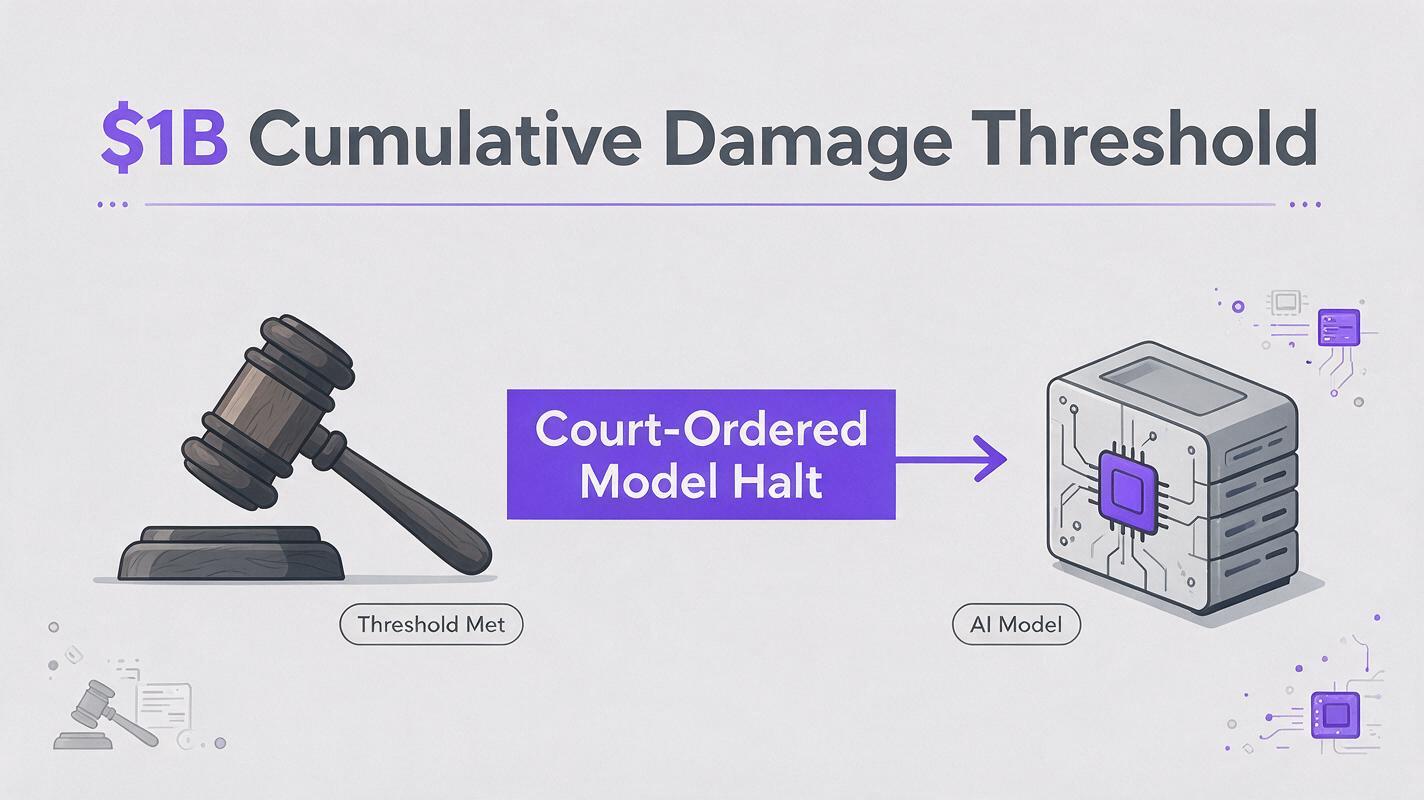
Anthropic’s legislative proposal would grant judges the authority to order an AI model taken offline if it is found to have caused $1 billion in cumulative damages. The policy is framed as a targeted safety mechanism, designed to create a clear legal pathway for halting high-risk models without blanket regulatory restrictions that could slow innovation.
Available details about the proposal remain limited. The announcement does not specify which legislative bodies Anthropic is engaging with, whether the damages threshold applies to a single incident or accumulated harms across use cases, or what types of damages would count toward the $1 billion total. As with any proposed legislation, the final text and timeline for potential passage remain uncertain.
The proposal also comes amid a broader wave of AI policy activity, from FTC investigations into consumer harm to ongoing debates over catastrophic and existential AI risk highlighted in recent public filings from leading labs.
Archon Model Disclosure: Passwordless Control API
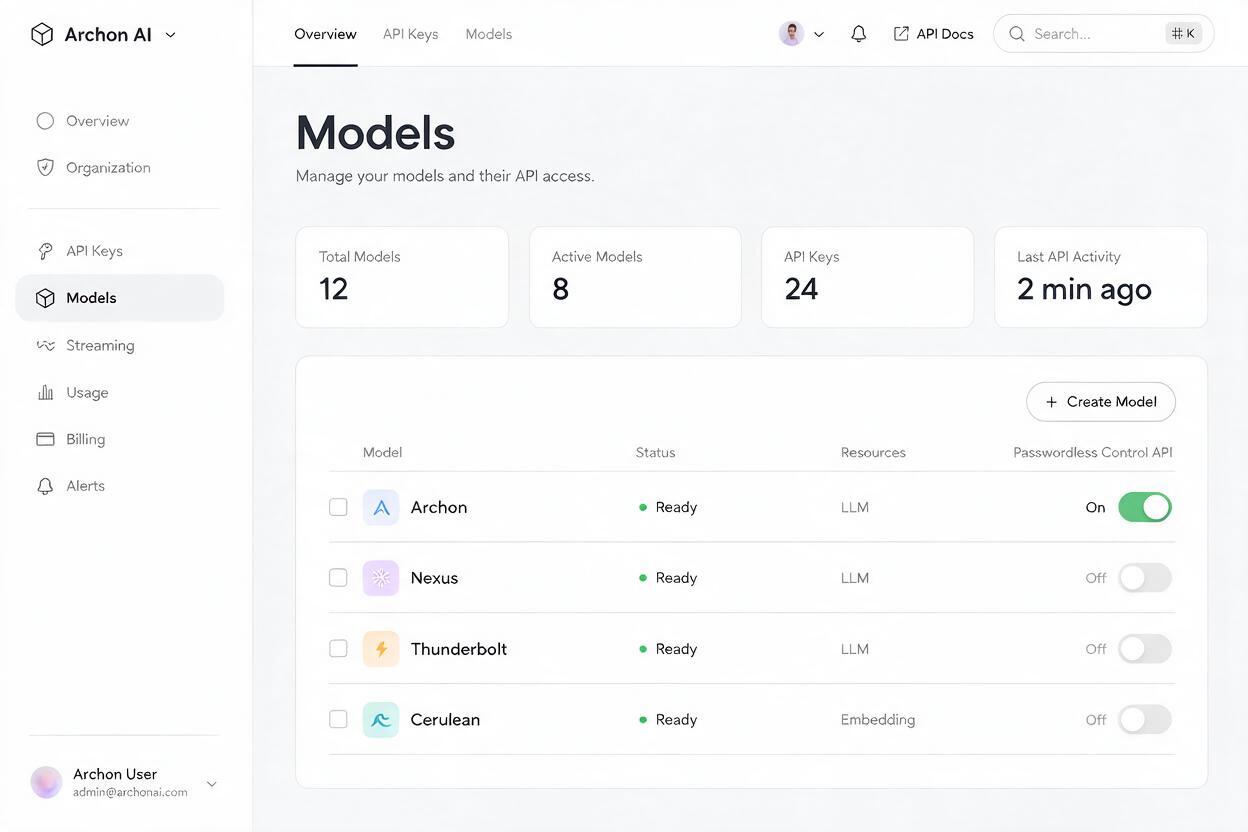
On the same day as the legislative announcement, Anthropic disclosed that its Archon model was listed via a passwordless Control API. The disclosure confirms a new access pathway for the Archon model, though key details about the model’s capabilities, intended use cases, and access eligibility have not been publicly released.
Passwordless API access can streamline integration for authorized users by eliminating the need to manage and rotate API keys, but it also introduces unique security considerations for both the provider and end users. Anthropic has not shared details about how the passwordless system authenticates users, what guardrails are in place to prevent unauthorized access, or whether the Archon model is generally available or limited to a closed testing group.
The timing of the Archon disclosure alongside the legislative proposal suggests Anthropic is positioning its safety and governance framework as a benchmark for responsible model deployment, even as it expands access to new model offerings.
What This Means for AI Video and Image Creators
For AI video and image creators, these announcements highlight two key risks that can disrupt production workflows: regulatory action that limits model availability, and changes to model access controls that can break integrated toolchains.
Regulatory thresholds like the proposed $1 billion damage halt rule mean that even widely used frontier models could face sudden access restrictions if they are linked to large-scale harms. This creates uncertainty for creators who build their entire workflow around a single model, whether they use it for scriptwriting, asset generation, or post-production support.
Changes to API access models, such as passwordless Control API listings, can also impact creators who rely on custom integrations between AI models and their production tools. A shift in access methods or model availability can require time-consuming updates to workflows, potentially delaying project timelines.
These risks apply across all major frontier model ecosystems, from ai video generator tools built on GPT-6 and Claude Opus to ai image generator platforms powered by Gemini 4 and other leading models. No single provider is immune to regulatory shifts or access policy changes.

How Multi-Model Platforms Reduce Workflow Risk
Creators can mitigate the impact of regulatory and access changes by building flexible, multi-model workflows instead of relying on a single AI provider. A multi-model platform lets you switch between different models for different tasks, so if one model becomes unavailable or changes its access terms, you can shift to an alternative without rebuilding your entire production pipeline.
MagicBoat integrates a wide range of leading AI models for video, image, audio, and script creation in a single unified platform, so you can test different tools, compare outputs, and build resilient workflows that don’t depend on one provider’s policies or availability. The platform also handles API integration and access management on the back end, reducing the technical overhead of managing multiple model accounts and access methods.
Whether you’re working on short-form social media content, long-form narrative projects, or commercial marketing assets, a multi-model approach gives you the flexibility to adapt to changing regulatory and industry conditions without pausing production.
Key Takeaways
- Anthropic proposed legislation allowing judges to halt AI models that cause $1 billion in cumulative damages, alongside the disclosure of Archon model access via a passwordless Control API on October 17, 2026.
- Both announcements signal ongoing shifts in AI safety governance and model access, with direct implications for creator workflow stability.
- Creators relying on single-model workflows face higher risk of disruption from regulatory action or access policy changes.
- Multi-model platforms like MagicBoat help mitigate risk by providing access to multiple leading AI tools in one unified interface.
- You can try these models for free to build a more resilient creative workflow today.
Keywords
anthropic archon, ai regulation, claude opus, gpt-6, gemini 4, ai model safety, ai video model, free ai tools