Anthropic Pushes $1B AI Model Halt Law, Discloses Archon Passwordless API
In October 2026, Anthropic advocated for federal legislation that would allow a judge to halt an AI model after it causes $1 billion in cumulative damages, alongside disclosing that its Archon model was listed via a passwordless Control API endpoint. The dual announcements, made the same day the FTC issued civil subpoenas to the company, signal a shift toward enforceable, harm-based AI safety rules. For AI video and image creators, the proposals highlight the importance of workflow resilience and multi-model access to avoid disruption from regulatory or operational changes.

Table of contents
What the October 17 Anthropic Announcements Cover
Two overlapping October 2026 announcements from Anthropic shed new light on how frontier AI labs are navigating both public policy and internal operational safety as regulatory pressure mounts. On October 17, 2026, the company publicly pushed for federal legislation that would allow a judge to halt an AI model after it causes $1 billion in cumulative damages, marking one of the most concrete industry-backed proposals for enforceable AI safety rules to date.
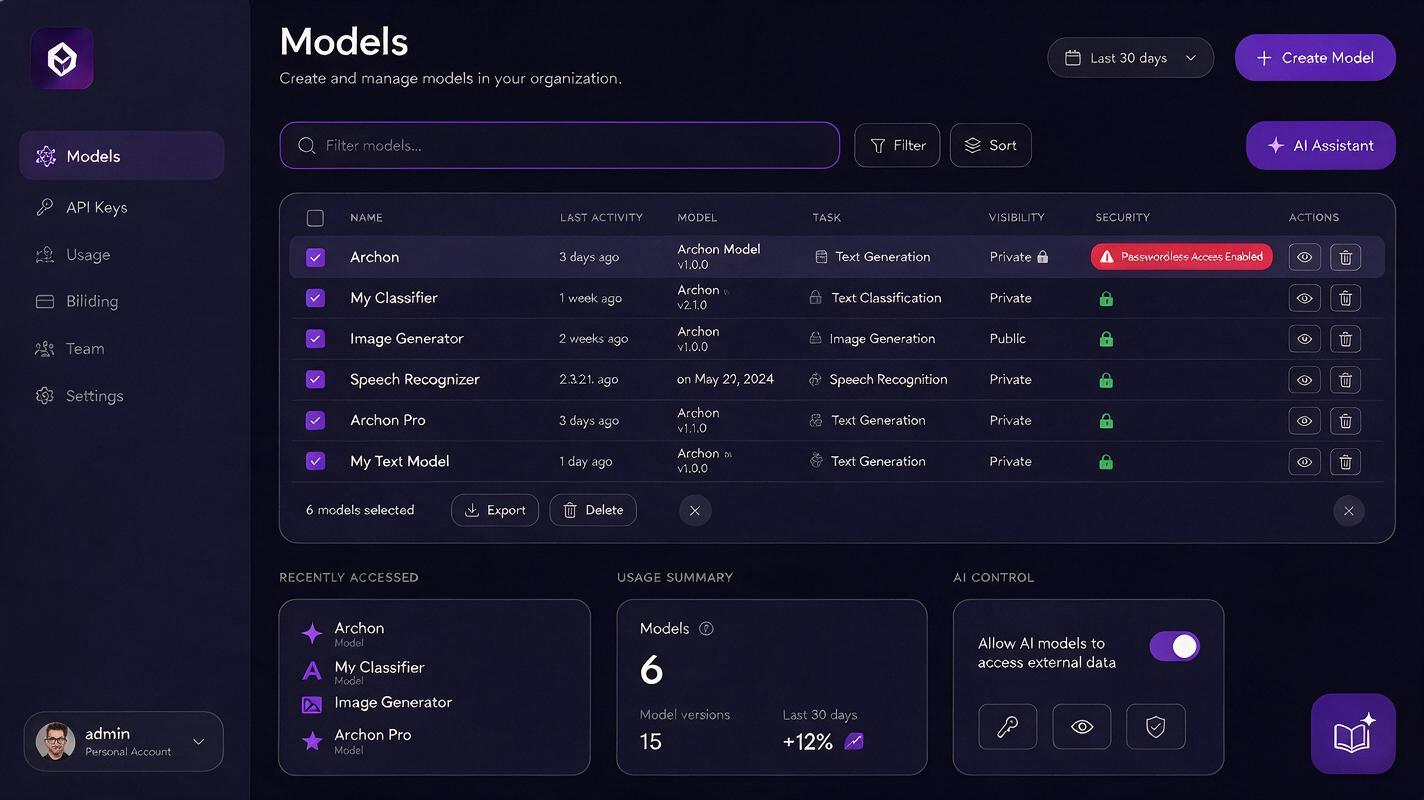
The same day, Anthropic disclosed that its Archon model was listed via a passwordless Control API endpoint. The disclosure was paired with no reports of unauthorized access, data exfiltration, or harm related to the misconfiguration, and the company has not shared additional details about how long the passwordless listing was active or what access permissions the endpoint granted.
The dual announcements landed on the same day the U.S. Federal Trade Commission issued civil subpoenas to both Anthropic and OpenAI over potential consumer harm, signaling a sharp acceleration of formal AI oversight activity in the U.S.
Why the $1B Model Halt Legislative Proposal Matters
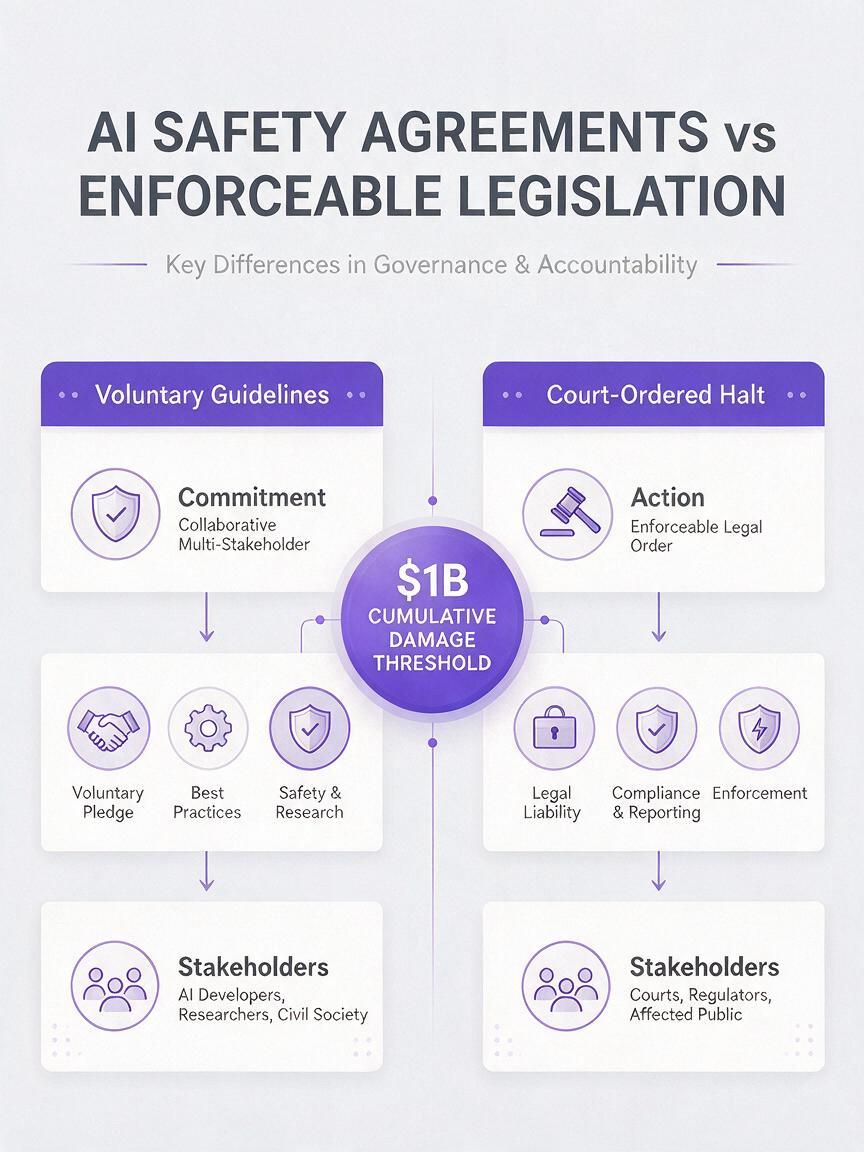
Anthropic’s proposed legislation represents a notable shift from the voluntary safety frameworks that have defined most industry-government engagement to date. Unlike the September 2026 White House “Superintelligence” safety agreement signed by six tech CEOs, which relied on voluntary compliance, this proposal would create legally enforceable consequences for models that cause large-scale harm.
The $1 billion cumulative damage threshold is designed to target only the highest-impact incidents, rather than minor or isolated issues. If enacted, the rule would give courts the authority to order a model paused or taken offline entirely once damages cross that line, with no requirement for proof of intentional misconduct from the model provider.
Anthropic has positioned the proposal as a middle ground between unregulated model deployment and overly restrictive pre-launch approval processes that could slow innovation. The company has not yet announced which lawmakers, if any, plan to introduce the legislation, and no timeline for congressional consideration has been released.
The Archon Passwordless API Disclosure: Context for Operational Safety
The simultaneous disclosure of the passwordless Archon Control API listing adds an operational safety layer to the day’s announcements, even as details remain limited. Anthropic has not shared specifications for the Archon model, its intended use cases, or whether it is a public or internal-only model, so it is not possible to assess the scope of potential risk from the misconfiguration.
What is clear is that the disclosure follows a pattern of proactive safety transparency from the company, which has previously published details of internal eval incidents and policy updates ahead of regulatory requirements. The timing of the disclosure alongside the legislative push suggests Anthropic is framing both internal operational safeguards and external legal guardrails as complementary parts of a broader safety strategy.
For teams building on AI APIs, the disclosure is a reminder that even well-resourced frontier labs can experience configuration errors that impact model access and security. Providers may roll out sudden security patches, access restrictions, or endpoint changes in response to such issues, with little advance notice to end users.
What This Means for AI Video and Image Creators
For independent creators and small studios building content with AI tools, the dual announcements highlight two key risks that can disrupt production workflows: regulatory action and operational misconfiguration.
If the proposed $1B model halt legislation passes, popular frontier models could be ordered offline with limited notice if they are tied to large-scale consumer or economic harm. Even for creators who only use models for legitimate content production, a sudden model halt could derail projects mid-production, especially if a workflow is built around a single provider’s model. Relying on one ai video generator or ai image generator exclusively creates a single point of failure that can delay deliverables and cost clients and creators money.
Operational misconfigurations like the passwordless Archon API listing can also lead to unexpected service changes. Providers may tighten access controls, roll out new authentication requirements, or temporarily take endpoints offline to fix security gaps, all of which can interrupt automated workflows or block access to tools creators depend on.
Multi-model creative platforms reduce this risk by giving creators access to a range of image and video generation models from different providers, all under one account. If one model experiences an outage, regulatory restriction, or access change, creators can switch to an alternative without rebuilding their entire workflow or signing up for new services. try these models for free to test how multi-model access can add resilience to your production pipeline.

Key Takeaways
- Anthropic is advocating for federal legislation that would allow a judge to halt an AI model after it causes $1 billion in cumulative damages, a shift from voluntary safety guidelines to enforceable rules.
- The same day, the company disclosed its Archon model was listed via a passwordless Control API, with no reported unauthorized access or harm from the misconfiguration.
- The announcements coincide with rising U.S. regulatory scrutiny, including FTC civil subpoenas issued to both Anthropic and OpenAI on the same date.
- AI video and image creators can mitigate workflow disruption risks by using multi-model platforms that support seamless switching between different providers’ tools.
Keywords
anthropic archon, ai safety regulation, model access reliability, claude opus, gpt-6, ai video model, free ai tools