Anthropic Launches Claude Managed Agents with Up to 1000 Sub-Agents
Anthropic launched Claude Managed Agents on October 9, 2026, a dynamic workflow system supporting up to 1000 specialized sub-agents for complex multi-step tasks. In internal defect detection testing, a multi-agent configuration found 66 of 70 hidden defects — roughly 2.4 times more than a single agent’s 27 detected issues. The multi-agent architecture has clear implications for AI video and image creators, particularly for quality control and modular creative pipelines.
Table of contents
Claude Managed Agents: 1000 Sub-Agents for Dynamic Workflows
On October 9, 2026, Anthropic launched Claude Managed Agents, a new system for building dynamic, multi-step AI workflows with support for up to 1000 sub-agents. The announcement, reported by Data Cube AI and The Decoder, includes early performance data showing a dramatic gap between multi-agent and single-agent performance on complex detection tasks.
In a controlled test measuring the ability to find hidden defects, a multi-agent configuration of Claude Managed Agents identified 66 out of 70 total hidden defects. A single agent working on the same task found only 27 defects, meaning the multi-agent setup detected roughly 2.4 times as many issues. The test highlights a core advantage of distributed AI workflows: specialized sub-agents can focus on narrow parts of a problem, reducing blind spots and improving overall accuracy.
Claude Managed Agents are designed for dynamic workflows that require coordination across many discrete tasks, rather than relying on a single generalist model to handle every part of a project. This orchestrated approach allows each sub-agent to specialize in a specific role, leading to better overall performance on complex, multi-faceted work.
How Claude Managed Agents Structure Complex Tasks
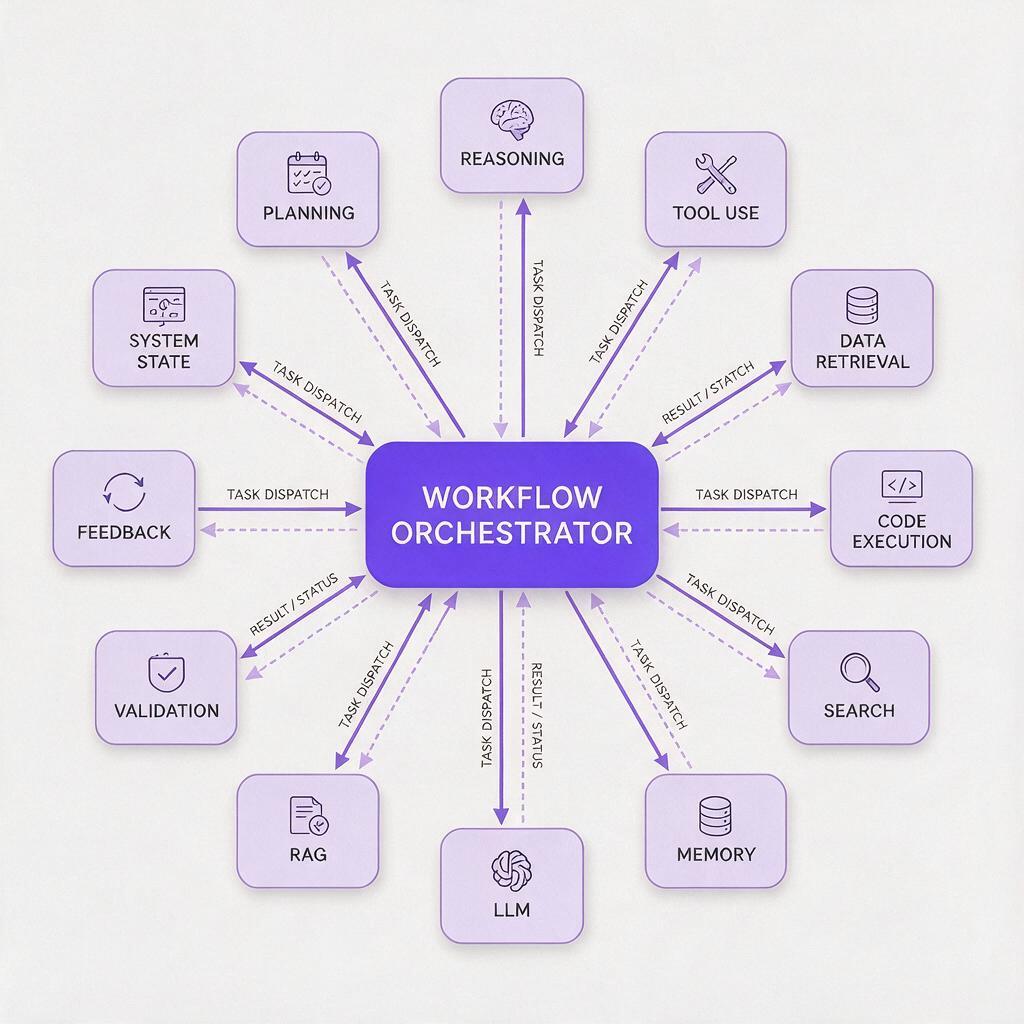
At its core, Claude Managed Agents uses an orchestration layer to assign tasks to specialized sub-agents, coordinate their work, and combine their outputs into a single final result. Sub-agents can work in sequence, where one agent’s output feeds into the next, or in parallel, where multiple agents work on different parts of a task at the same time.
The 66-of-70 defect detection result demonstrates the value of this approach for tasks where missing even a small number of issues can have significant consequences. By distributing the work across many focused agents, the system reduces the chance that a single model’s blind spots will allow errors to slip through.
While the initial public test focused on defect detection, the same architecture can be applied to any multi-step task that benefits from specialized roles, from software development to research to creative production.
Implications for AI Video and Image Creators
Though Claude Managed Agents’ initial use cases are not focused on creative work, the multi-agent pattern it exemplifies translates directly to AI video and image production, which relies on complex, multi-step pipelines with many potential points of inconsistency or error.
- Quality control at scale: For creators working on long-form video or large batches of assets, multi-agent review can assign each sub-agent to check for a specific type of issue — like character design continuity, lighting consistency across scenes, or dialogue coherence — leading to fewer missed errors than a single generalist review.
- Modular pipeline orchestration: Different sub-agents can handle discrete parts of a creative workflow, from initial concept writing and prompt refinement to asset generation, color grading, and final export prep, reducing the manual work of moving files and settings between tools.
- Specialized role matching: Instead of forcing one model to handle every part of a project, multi-agent setups let creators use the best tool for each task — a model strong at dialogue for script writing, a model strong at composition for visual art, a model strong at reasoning for continuity checks.
- Reduced repetitive work: Sub-agents can take over routine, time-consuming tasks like resizing assets for different platforms, generating captions and descriptions, or flagging content that might violate platform policies, freeing creators to focus on high-level creative decisions.
These benefits align with a broader trend in AI creative tools: moving away from single-model, one-size-fits-all workflows toward modular, composable systems that mix specialized tools for different jobs.
Multi-Model Platforms Bring Multi-Agent Value to Creators Today
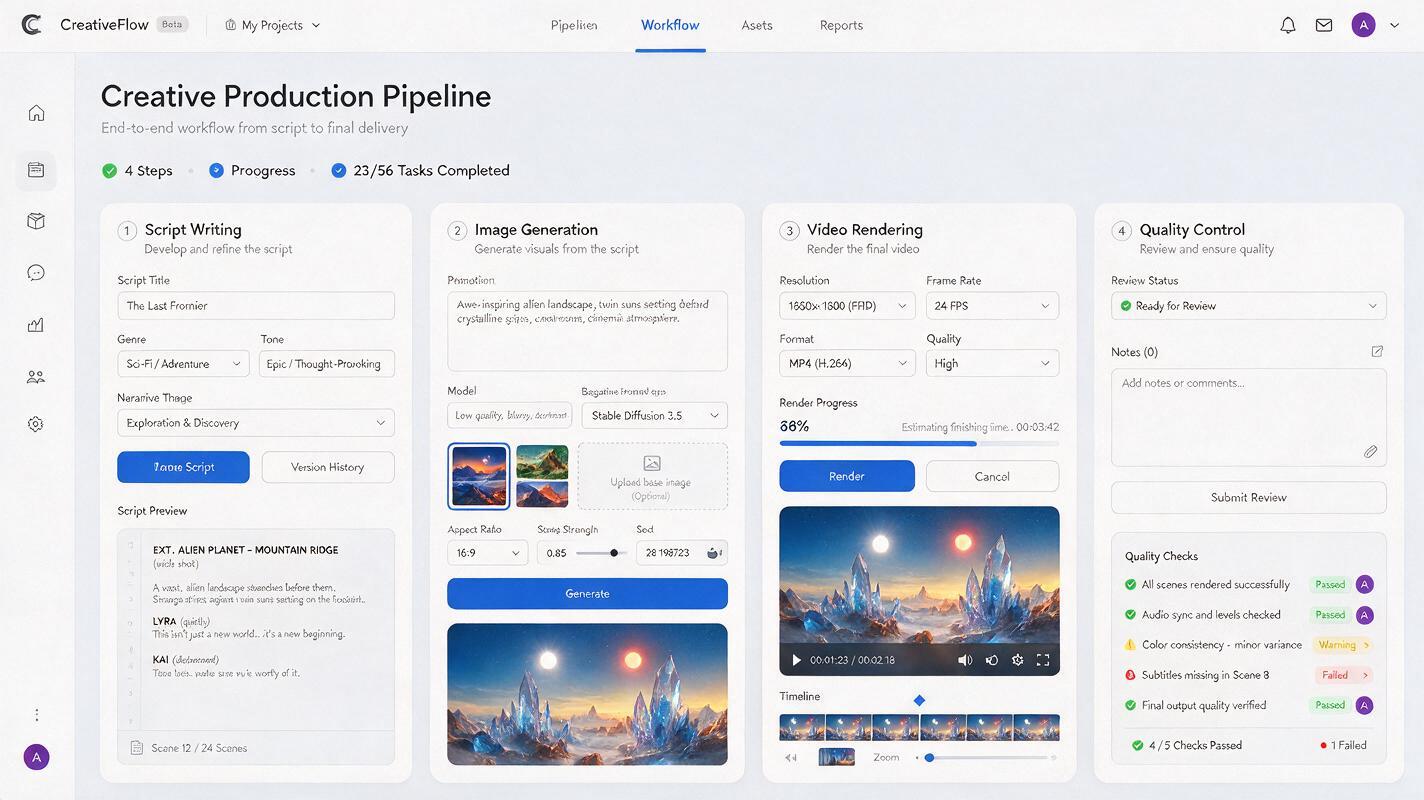
While Claude Managed Agents represent a new tier of orchestrated AI workflow tools, creators can already access many of the same benefits by using a multi-model creative platform that brings together specialized tools in one unified interface.
For example, a creator building a short animated film can use a dedicated ai image generator for concept art and character designs, a text to video model for animating scenes, and a separate reasoning model for script review and continuity checking — all within one platform, without managing multiple accounts, billing plans, or file transfer workflows.
This modular approach mirrors the sub-agent model: each tool acts as a specialized “agent” for a specific part of the project, and the creator acts as the orchestrator, coordinating work across tools to get the best final result. You can try these models for free to build your own modular creative workflow without multiple subscriptions.
Key Takeaways
- Claude Managed Agents support dynamic AI workflows with up to 1000 specialized sub-agents for complex multi-step tasks.
- In controlled defect detection testing, multi-agent configurations found roughly 2.4 times more hidden issues than single agents (66 vs 27 out of 70 total defects).
- The multi-agent architecture has clear applications for AI video and image creators, including quality control, pipeline orchestration, and specialized task matching.
- Multi-model creative platforms deliver similar modular benefits today, letting creators mix and match the best tool for each part of their workflow.
Keywords
anthropic, claude managed agents, multi-agent ai, ai workflow automation, ai video production, creative ai tools, quality control