Anthropic Expands Cyber Verification Program Ahead of 2026 US Midterms
Anthropic has expanded its Cyber Verification Program as part of preparations for the 2026 US midterms, marking a key update to the company’s AI security and integrity efforts. The expansion comes amid a broader industry focus on AI safety, misinformation prevention, and responsible deployment ahead of major electoral events. For content creators, the shift underscores the importance of reliable, secure AI tools and multi-platform workflow resilience.
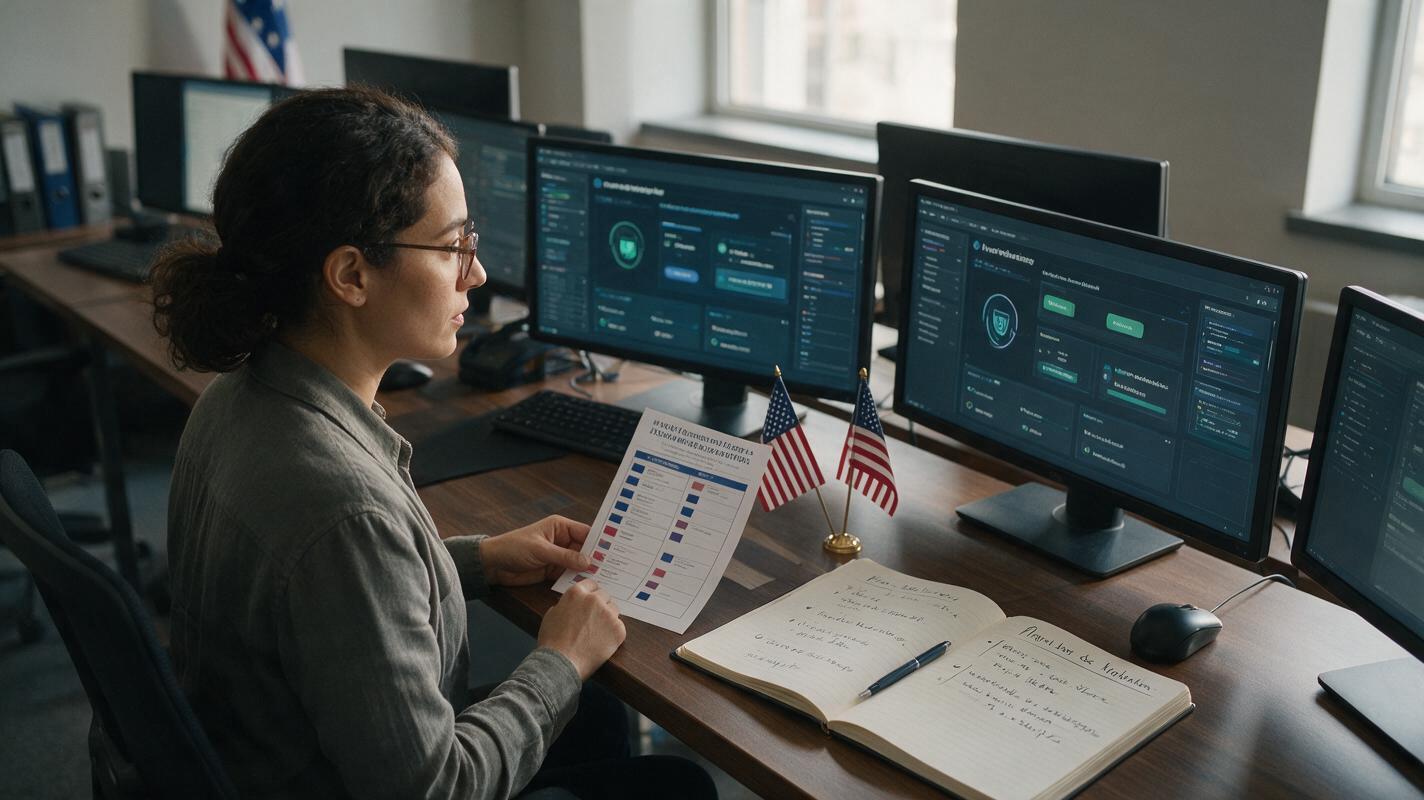
Table of contents
Anthropic’s Cyber Verification Program Expansion: What We Know
Anthropic is expanding its Cyber Verification Program as part of preparedness efforts for the 2026 US midterms, marking a notable update to the company’s AI security and electoral integrity toolkit.
The expansion was reported on October 15, 2026, as part of a broader wave of AI security updates across the industry. At the time of reporting, specific details about the expansion’s scope — including new verification features, expanded partner access, or deployment timelines — have not been publicly disclosed. The move is explicitly tied to preparations for the upcoming 2026 US midterm elections, a period when concerns about AI-generated misinformation, targeted content, and automated interference typically rise.
This announcement follows a series of recent security-focused updates from Anthropic. Earlier in October, the company unveiled its Cyber Mission scanner, a tool designed for cybersecurity detection and threat assessment. Anthropic also recently restricted internet access for internal Claude evaluation agents after an incident where an agent submitted a false murder report, highlighting the ongoing risks of unconstrained AI agent connectivity. The Cyber Verification Program expansion builds on this existing focus on responsible AI deployment and risk mitigation.
Across the broader AI industry, election-related security has become a growing priority. Major providers have rolled out new policies and tools aimed at reducing the spread of AI-generated election misinformation, verifying content provenance, and preventing malicious use of AI systems during electoral cycles.
Why Election-Focused AI Security Matters Right Now
The 2026 US midterms represent a high-stakes test for AI governance, as AI content creation tools have become far more accessible and capable since the last major election cycle. Text, image, and video generation tools can now produce highly realistic political content at scale, creating new challenges for election officials, platforms, and voters trying to distinguish authentic content from manipulated or synthetic material.
Anthropic’s expansion is far from an isolated effort. Just weeks earlier, Anthropic and OpenAI jointly ran “Day After” disaster drills, designed to test responses to large-scale AI-related incidents. Microsoft CEO Satya Nadella has publicly called for a frontier AI “emergency brake,” a mechanism for pausing or restricting high-risk AI systems during critical events. Google has also updated its Gemini enterprise tools with work identity features, adding layers of verification for AI use in professional and organizational contexts.
These coordinated moves reflect a growing consensus among AI providers that proactive security measures are necessary to maintain public trust in both AI systems and electoral processes. For the broader AI ecosystem, election-season security updates often set precedents for policy changes that persist long after votes are cast, affecting how AI tools can be used for all types of content, not just political material.
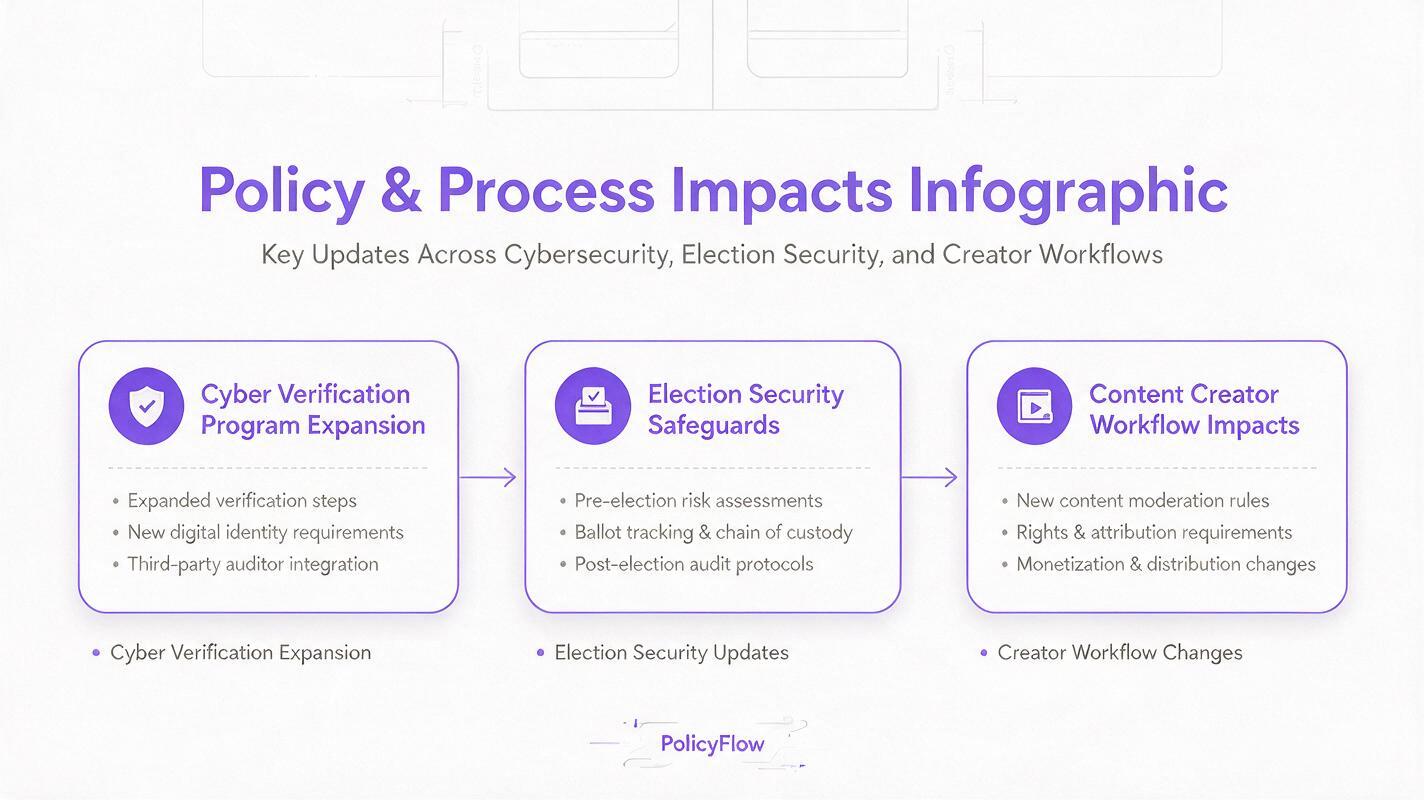
Content creators, even those who do not make political content, can feel the ripple effects of these changes. Platforms may tighten content moderation policies for AI-generated material, model providers may restrict certain types of outputs, and verification requirements may become standard for published content across categories.

What This Means for Content Creators
For independent creators and small content teams, the wave of AI security updates brings both challenges and opportunities. Understanding these shifts can help creators build more resilient workflows and avoid unexpected disruptions.
One of the most immediate impacts is potential changes to model availability and behavior. Security updates, policy adjustments, or temporary restrictions rolled out by AI providers can alter how models respond to prompts, restrict access to certain features, or even cause temporary service outages. For creators who rely on a single AI provider for all their content production, these changes can derail publishing schedules and require costly, time-consuming workflow overhauls.
Another key consideration is the growing emphasis on content verification and provenance. As election security measures expand, platforms and audiences increasingly expect transparency around AI-generated content. Creators who can clearly document their workflow, verify the sources of their assets, and comply with evolving disclosure guidelines will be better positioned to maintain audience trust and avoid platform penalties.
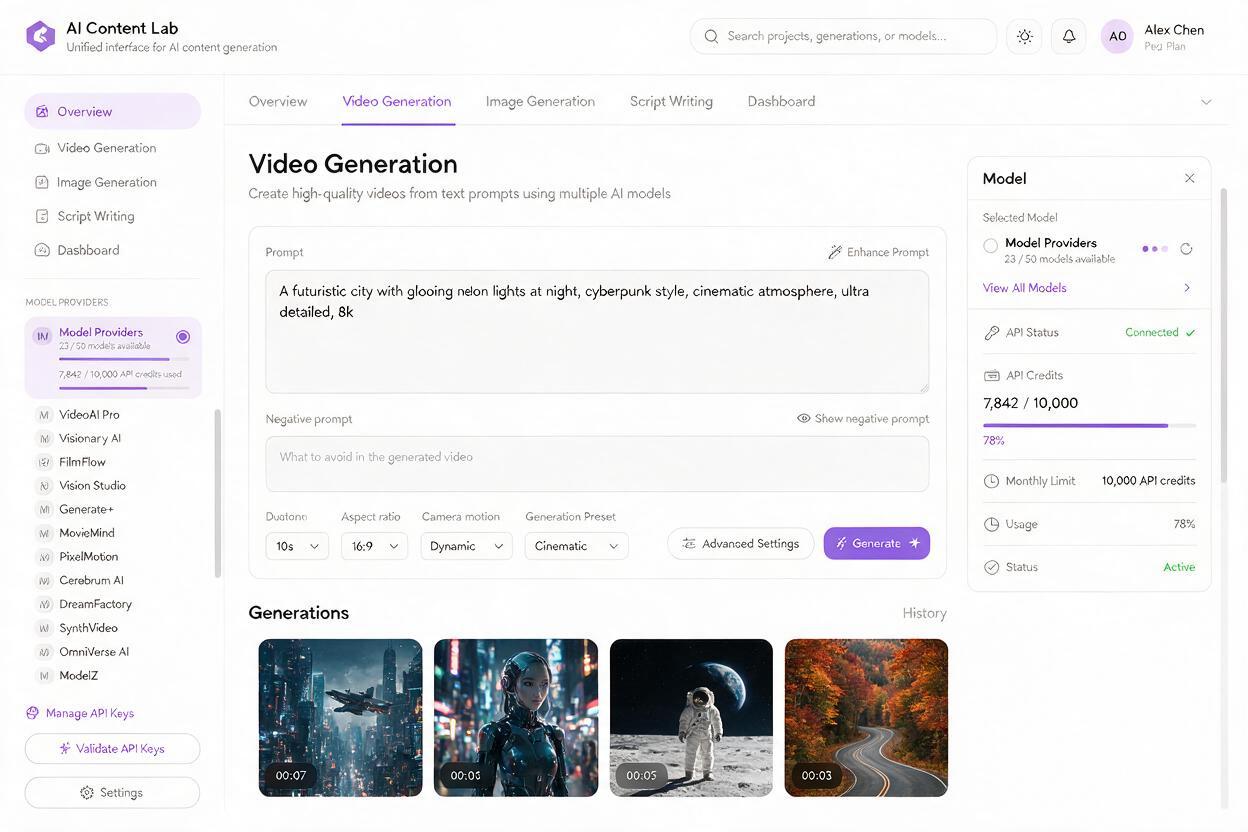
Building a flexible, multi-tool content pipeline is one of the most effective ways to navigate these shifts. A unified multi-model AI platform like MagicBoat gives creators access to a diverse range of creative tools from a single account, reducing reliance on any single provider. For example, creators can use an ai video generator to produce short-form social content, explainer videos, and promotional clips, while an ai image generator handles thumbnails, graphics, and visual assets — all without switching between multiple platforms or managing separate subscriptions.
This multi-model approach also makes it easier to adapt to sudden policy or security changes. If one provider updates its content policies or restricts certain features, creators can seamlessly switch to alternative models within the same platform, minimizing downtime and keeping production on track. Unified access also simplifies workflow management, with consistent billing, shared asset libraries, and centralized prompt management across all tools.
For creators looking to future-proof their workflows against ongoing industry shifts, prioritizing flexibility and redundancy is key. Relying on a single tool or provider leaves you vulnerable to unexpected changes, while a diverse, multi-tool setup gives you the agility to adapt without sacrificing quality or efficiency.
You can try these models for free to build a more resilient, flexible content workflow that works for every type of project.
Key Takeaways
- Anthropic has expanded its Cyber Verification Program as part of 2026 US midterm preparedness efforts, though full details of the expansion’s scope and capabilities remain unconfirmed.
- The move is part of a broader industry-wide push for stronger AI security, safety, and electoral integrity across all major AI providers.
- Election-focused AI policy and security changes often have ripple effects that impact all types of content creators, not just those making political content.
- Building a multi-model content workflow reduces reliance on any single provider, minimizing disruption from sudden policy updates, security restrictions, or service changes.
- Unified AI platforms like MagicBoat offer consistent access to a full suite of creative tools, making it easier to adapt to industry shifts while maintaining production efficiency.
Keywords
ai news, anthropic, cyber verification program, ai security, 2026 us midterms, ai tools, content creation