Anthropic Expands Cyber Verification Program Ahead of 2026 US Midterms
Anthropic has expanded its Cyber Verification Program as part of preparations for the 2026 United States midterm elections, the company announced in mid-October 2026. The move signals a broader industry focus on AI safety and election integrity ahead of high-stakes political events. For AI video and image creators, this update highlights the value of multi-model creative platforms that reduce workflow disruption risk when provider policies shift.
Table of contents
Anthropic’s Cyber Verification Program Expansion: What We Know
On October 15, 2026, Anthropic announced an expansion of its Cyber Verification Program as part of the company’s preparations for the 2026 United States midterm elections, according to an update from the Anthropic Newsroom. The program is part of Anthropic’s broader trust and safety portfolio, focused on mitigating risks associated with AI use during high-stakes political events and critical infrastructure contexts.
Specific details of the expansion — including new verification tools, partner organizations, expanded scope of monitored use cases, or timeline for rollout — have not been publicly disclosed in the initial announcement. The update follows a broader industry trend of AI providers ramping up safety and moderation efforts ahead of major electoral cycles, as policymakers and the public raise concerns about AI-generated misinformation, deepfakes, and deceptive political content.
For AI video and image creators who regularly use Anthropic models like Claude Opus for script development, storyboard outlining, concept art prompts, or workflow planning, this announcement signals a period of potential policy adjustments that could impact how these models can be used in the months leading up to the election.
Why Election Season AI Policy Shifts Impact Creators
Tightened Content Guardrails and Use Case Restrictions
Major electoral cycles consistently lead to updated content policies across social platforms, cloud services, and AI model providers. These changes are designed to reduce the spread of harmful content such as voter suppression materials, fake candidate endorsements, and manipulated media that could interfere with election outcomes. For AI providers, this often means tightening content moderation thresholds, adding new prohibited use cases, or increasing scrutiny of prompts related to political figures, voting processes, or election events.
Creators working on a wide range of content can feel the ripple effects of these changes, even if they are not producing overtly political material. Educational creators making explainer videos about election processes, fictional creators writing political thriller scripts, and even marketing creators making public service announcement-style content may find that prompts that previously worked are now rejected or flagged for review. In some cases, providers may roll out temporary feature restrictions or slower response times as they scale up safety monitoring.
Workflow Disruption Risks for Single-Provider Users
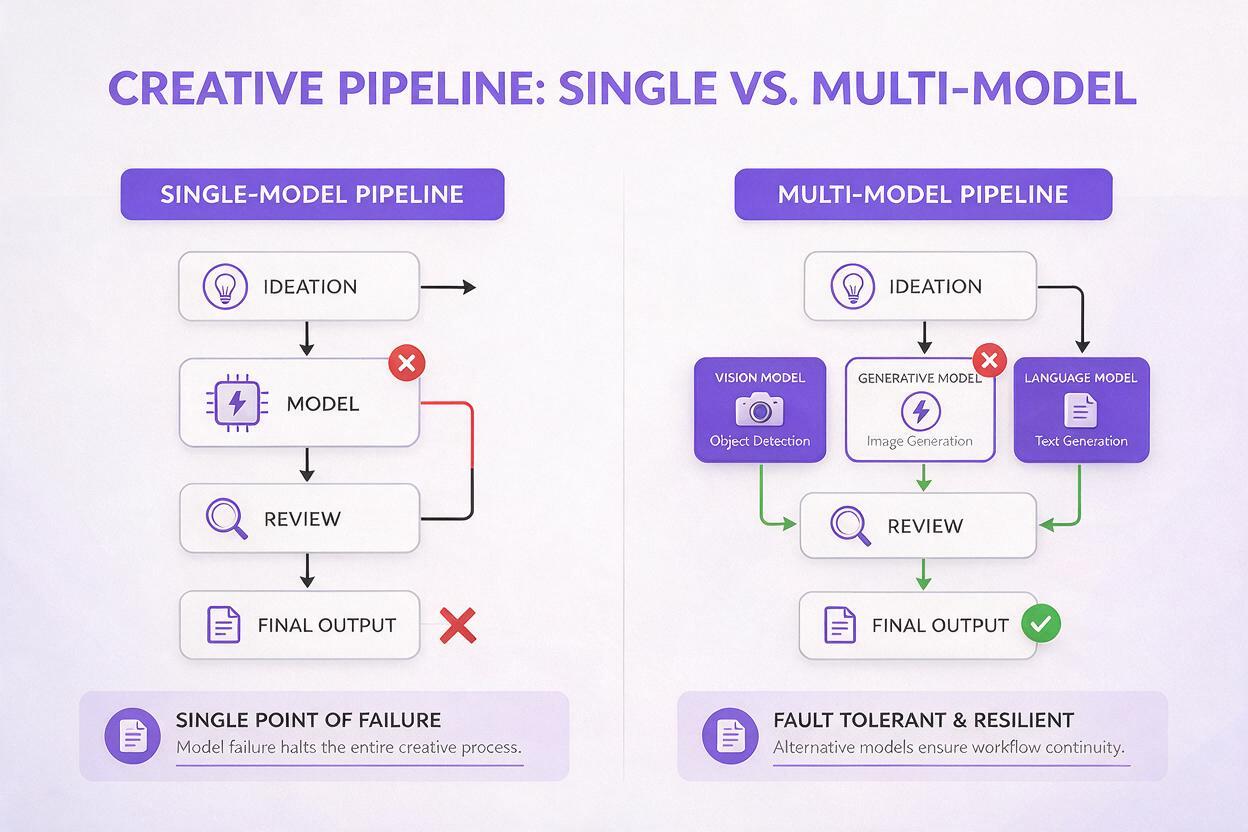
Creators who build their entire workflow around a single AI model provider face the greatest risk of disruption when policy changes roll out. If a model you use for scriptwriting suddenly rejects prompts about political topics, or if an image generation tool tightens its rules around realistic depictions of public figures, you may be forced to pause your project, rewrite dozens of prompts, or even switch to a new tool mid-production — all of which eat into deadlines and budget.
This risk is not limited to election-related content. Broad safety policy updates can sometimes have unintended side effects, flagging legitimate creative content as high-risk. For example, a creator working on a historical documentary about past elections may find their prompts blocked by updated filters designed to target current election misinformation, even though their content is factual and non-deceptive.
How Multi-Model Platforms Reduce Creative Workflow Risk
One of the most effective ways to insulate your creative workflow from sudden policy changes or service disruptions at a single AI provider is to use a multi-model creative platform like MagicBoat. Instead of relying on one company’s models for every part of your production pipeline, you get access to a suite of leading AI tools in a single account, so you can pivot quickly if one tool experiences restrictions or downtime.
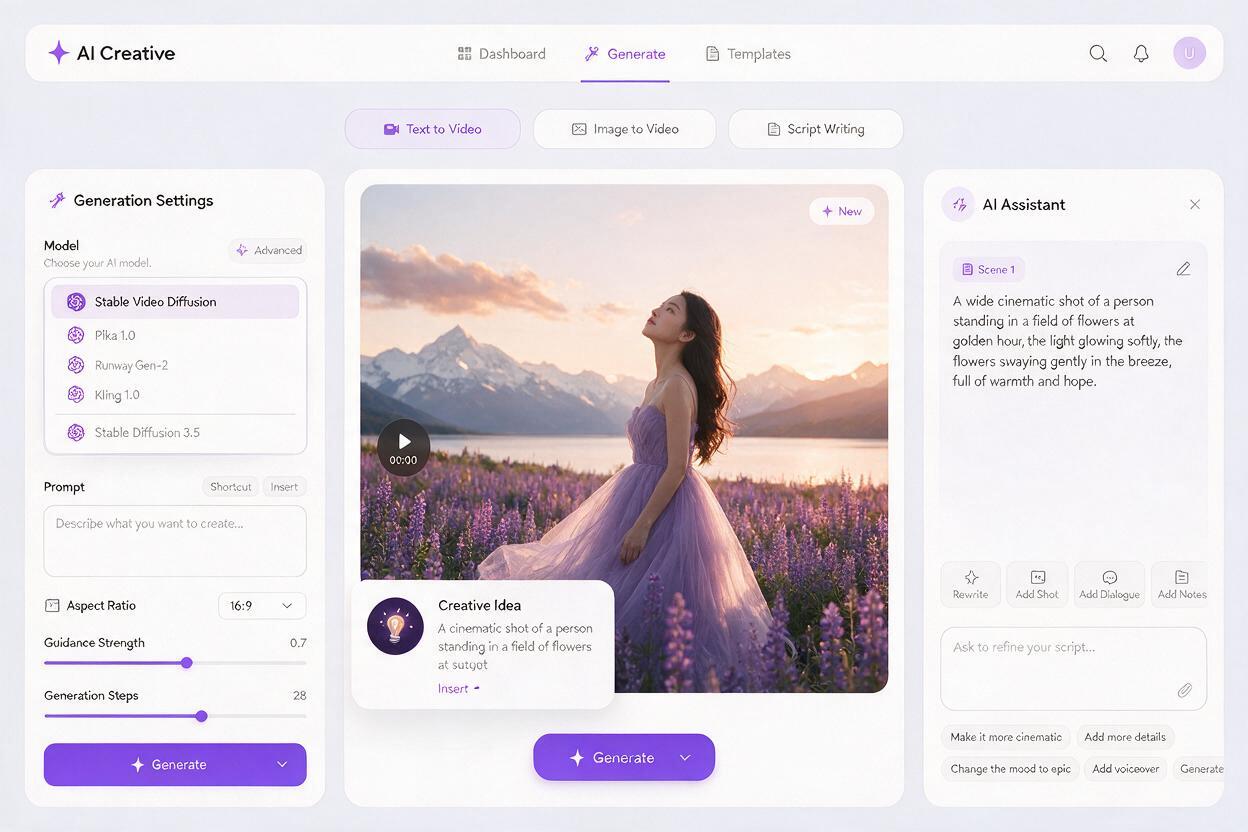
For text to video projects, this flexibility is especially valuable. You might use one model for drafting and refining your script, another for generating concept art and reference images, and a third for animating your final video. If one provider tightens its content policies during election season, only one part of your workflow is affected, and you can switch to an alternative model without losing all of your existing work or starting from scratch.
image to video workflows also benefit from multi-model access. If your go-to animation model suddenly restricts depictions of certain public figures or locations, you can test alternative models with your existing reference images to find one that meets your content needs and complies with your project’s editorial standards. This eliminates the need to recreate assets or rebuild entire scenes just because of a single provider’s policy update.
Beyond election season, multi-model platforms offer ongoing benefits for creators: you can compare output quality across models for different use cases, take advantage of pricing variations to stay within budget, and access specialized tools for niche tasks like lip syncing, voiceover generation, or storyboard creation — all without managing separate accounts and billing for every provider.
If you want to test how multi-model access can stabilize your creative workflow, you can try these models for free and explore which tools work best for your specific project needs.
Key Takeaways
- Anthropic has expanded its Cyber Verification Program as part of preparations for the 2026 US midterm elections, signaling increased focus on AI safety and election integrity across the industry.
- Election season policy updates can create unexpected workflow disruptions for AI video and image creators, even those working on non-political content, due to tightened content guardrails and use case restrictions.
- Creators who rely on a single AI model provider face the highest risk of downtime and project delays when policy changes roll out.
- Multi-model creative platforms reduce risk by giving creators access to multiple tools in one account, making it easy to switch between models if one provider experiences restrictions.
- Text to video and image to video workflows benefit especially from multi-model flexibility, as policy changes typically only impact one part of the production pipeline at a time.
Keywords
anthropic cyber verification, 2026 us midterms, ai safety, claude opus, ai video model, image to video, free ai tools