Anthropic IPO Could Top $1T, Q3 Revenue Rises 45% YoY to $16.8B
Reports from October 20, 2026 indicate Anthropic’s potential IPO could reach a valuation of over $1 trillion, with Q3 2026 revenue growing 45% year-over-year to $16.8 billion. The milestone comes amid a wave of public benefit commitments and increasing regulatory scrutiny across the AI industry. For creators, the growth underscores the importance of flexible, multi-model AI workflows that can adapt to rapid market shifts.

Table of contents
Anthropic IPO Valuation Could Top $1T as Q3 Revenue Jumps 45% YoY
On October 20, 2026, new reports emerged indicating Anthropic’s upcoming initial public offering could reach a valuation of more than $1 trillion, making it one of the largest IPOs in tech history. The same update also revealed the company’s third-quarter 2026 revenue grew 45% year-over-year, hitting $16.8 billion. The figures underscore the explosive growth of the frontier AI developer, which has emerged as one of the leading players in the generative AI market alongside OpenAI, Google, and Meta.
The $1 trillion valuation projection would place Anthropic among the most valuable technology companies in the world, a remarkable milestone for a firm that launched just a few years ago. The 45% year-over-year revenue growth in Q3 also signals sustained demand for the company’s Claude family of AI models, enterprise solutions, and agent-based tools. No additional details about the IPO timeline, underwriters, or share structure were included in the initial report.
For creators and AI tool users, the rapid growth and potential public listing raise important questions about future model pricing, access, and feature development — all factors that directly impact day-to-day creative workflows.
Context for Anthropic’s Q3 Growth Trajectory
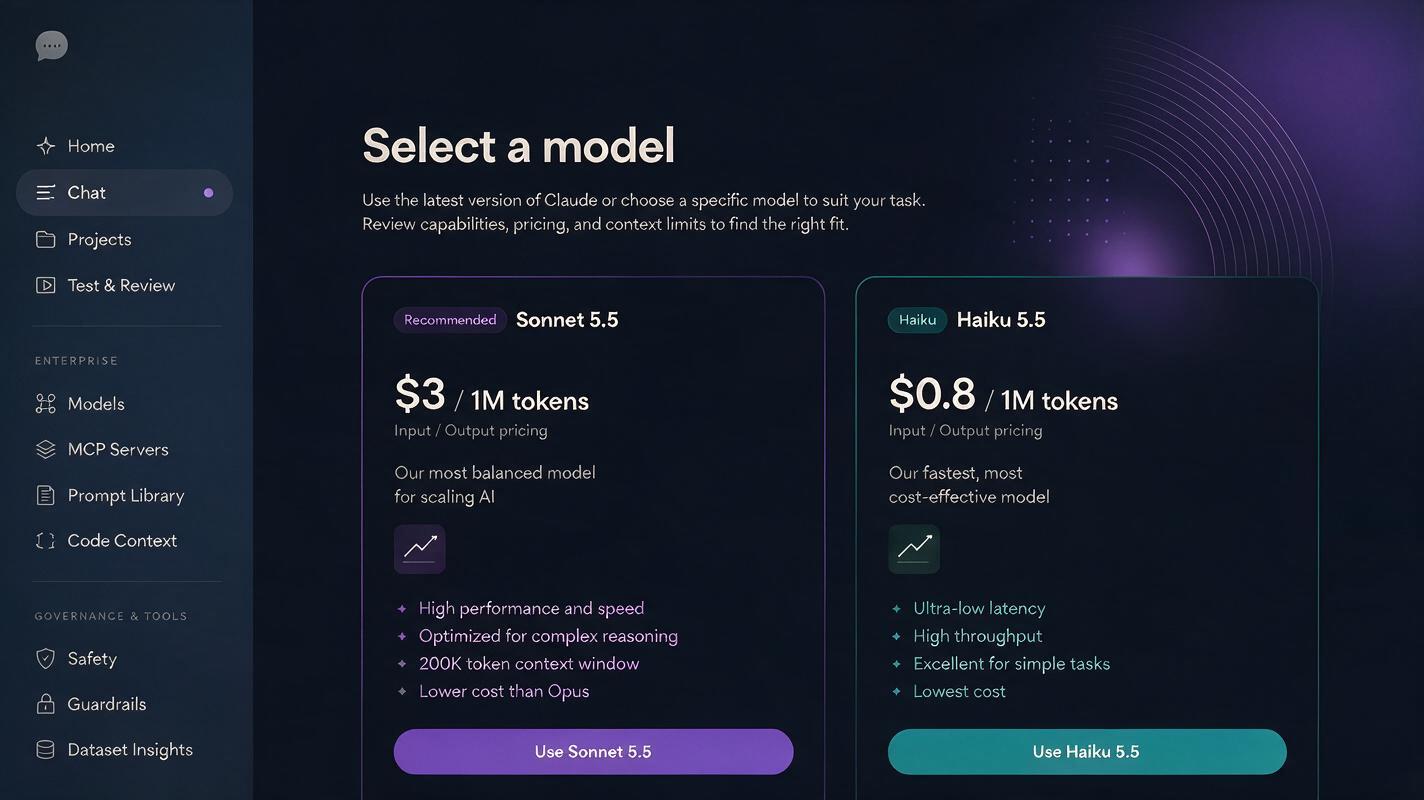
The strong Q3 revenue figures come on the heels of a series of product launches and strategic initiatives from Anthropic throughout October 2026. Earlier in the month, the company announced Claude Haiku 5.5, positioned as its cheapest small model, expanding its portfolio to serve use cases ranging from fast, low-cost tasks to high-complexity frontier work. The September launch of Claude Sonnet 5.5 also likely contributed to Q3 momentum, as the model gained traction among enterprise and creative users alike.
Anthropic also expanded its public benefit commitments in mid-October, announcing a Public Benefit Fund structure that allocates 5% of shares upfront plus an additional 2% for every 50% increase in the company’s valuation. The structure is designed to direct a growing portion of the company’s value toward public good as it scales, a unique model among frontier AI labs that may have factored into investor interest ahead of the IPO.
Beyond consumer and creative tools, Anthropic has also expanded its enterprise and public sector offerings. The company recently expanded its Cyber Verification Program in preparation for the 2026 US midterms, focusing on election security and misinformation mitigation. It also launched Claude for Government in late September, targeting public sector use cases — a segment that typically drives large, recurring revenue streams.
Broader AI Industry Market Shifts
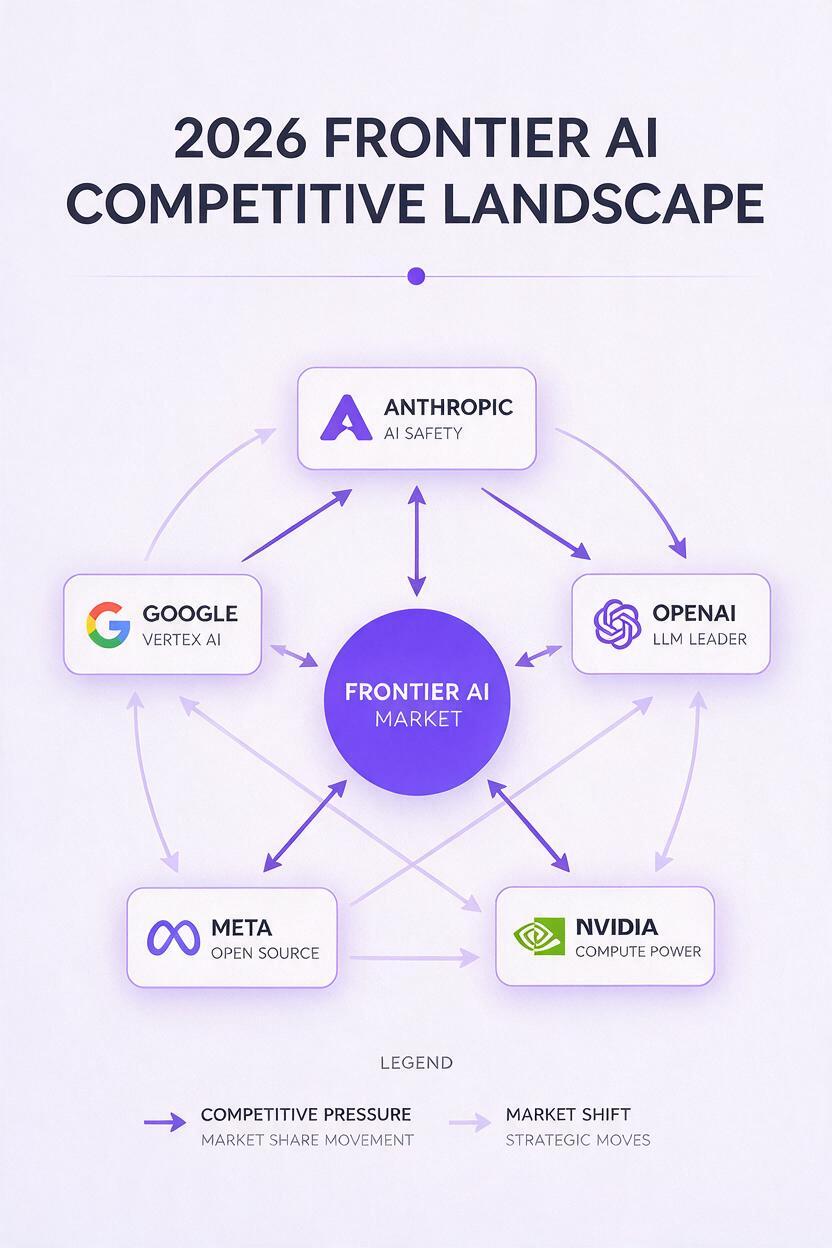
Anthropic’s projected $1T IPO and strong Q3 revenue arrive amid a rapidly shifting frontier AI landscape, where competition has intensified significantly in recent months. Industry analysis from mid-October concluded that the combined frontier push from Google and Meta has ended the absolute lead previously held by OpenAI and Anthropic, creating a more fragmented and competitive market.
Meta has made particularly aggressive moves, launching its Muse Wonder frontier model in mid-October at twice the pricing of competing models, alongside the open-weight Muse Spark Open 81.6B-parameter mixture-of-experts model and a partnership with Apple to bring its AI tools to Mac devices. Google’s Gemini 4 Argon also hit a major benchmark milestone in mid-October, scoring 97.5% on the ARC-AGI-3 benchmark, and rolled out globally to Pro and Ultra subscribers with promotional pricing and a new Task Mode.
OpenAI has also continued to expand its portfolio, releasing open-weight GPT-OSS-120B and 20B models in mid-October, expanding the GPT-6.1 Sol context window to 1.05 million tokens with no long-text surcharge, and making GPT-6 and its Intelligent UI available to all users earlier in the month. NVIDIA has also entered the frontier model space with its Nemotron 3.5 Super VL vision-language model and Bolt local-agent model family, adding another major player to the market.
At the same time, regulatory scrutiny of leading AI labs has intensified. The US Federal Trade Commission opened a sweeping probe of Anthropic, OpenAI, and other AI labs on October 20, the same day the IPO and revenue reports emerged. The probe follows civil subpoenas sent to both OpenAI and Anthropic earlier in the month, signaling growing regulatory attention to the practices and impact of frontier AI developers.
What This Means for AI Content Creators
For creators relying on AI tools for content production, the combination of rapid industry growth, intensifying competition, and increasing regulatory scrutiny creates both opportunities and risks. On one hand, growing investment and competition are driving faster model improvements, lower prices, and more specialized tools — including better options for an ai video generator, image generation, scriptwriting, and audio production.
On the other hand, rapid market shifts and public listing transitions can lead to unexpected changes to model access, pricing structures, API rate limits, or feature availability. A creator who builds their entire workflow around a single model or provider may face disruption if that provider raises prices, retires older models, or changes its terms of service — a risk highlighted by recent moves like GitHub Copilot’s retirement of six underlying models in mid-October.
That’s why many creators are shifting to multi-model platforms that let them access a range of leading AI tools through a single account. With MagicBoat, you can use text to video tools, image generation, scriptwriting, voiceover, and more — all from one dashboard, with no need to manage multiple API keys or accounts. This flexibility lets you switch between models as pricing, features, or availability change, ensuring your creative workflow stays consistent even as the broader AI market evolves.
You can try these models for free to explore which tools work best for your creative process, and build a resilient workflow that isn’t tied to any single AI provider.

Key Takeaways
- Anthropic’s potential IPO could reach a valuation of over $1 trillion, with Q3 2026 revenue growing 45% year-over-year to $16.8 billion.
- The growth is driven by expanding product offerings, including the Claude 5.5 model family, enterprise and government solutions, and public benefit commitments that have attracted investor interest.
- The broader frontier AI market is becoming more competitive, with Google, Meta, and NVIDIA all launching new models that challenge the previous lead of OpenAI and Anthropic.
- Regulatory scrutiny is intensifying, with the FTC opening a sweeping probe of leading AI labs alongside earlier civil subpoenas.
- Creators can mitigate workflow disruption risks by using multi-model AI platforms that offer access to multiple tools through a single account.
Keywords
anthropic ipo, ai news, ai roundup, ai tools, anthropic revenue, frontier ai, ai market