Apple Closes at $5 Trillion Market Cap for First Time
Apple became the second public company in history to close with a $5 trillion market capitalization in October 2026, joining Nvidia in the exclusive valuation tier. The milestone arrives amid investor enthusiasm for Apple’s expanding AI and smart-home product roadmap, following the recent 'Welcome Home' product event. For content creators, the sustained market growth underscores the importance of adaptable, multi-platform AI content workflows that scale alongside expanding device ecosystems.

Table of contents
Apple has hit a historic valuation milestone, becoming only the second public company in the world to close trading with a $5 trillion market capitalization.
The record close was reported in mid-October 2026, with Apple joining Nvidia as the only two public companies to reach the $5 trillion threshold. The milestone caps a period of renewed investor enthusiasm for Apple’s product roadmap, which has increasingly centered on artificial intelligence and connected home devices.
The valuation surge follows Apple’s recent “Welcome Home” smart-home event, where the company unveiled the $299 HomeView hub with Siri AI, a new HomePod mini, and an updated Apple TV 4K. Apple also has a slate of upcoming AI-powered features and hardware on the way, including the Apple Intelligence beta rolling out in China later this month and a rumored late-October hardware event with new Macs and iPads.
What the Milestone Signals About Apple’s AI Strategy
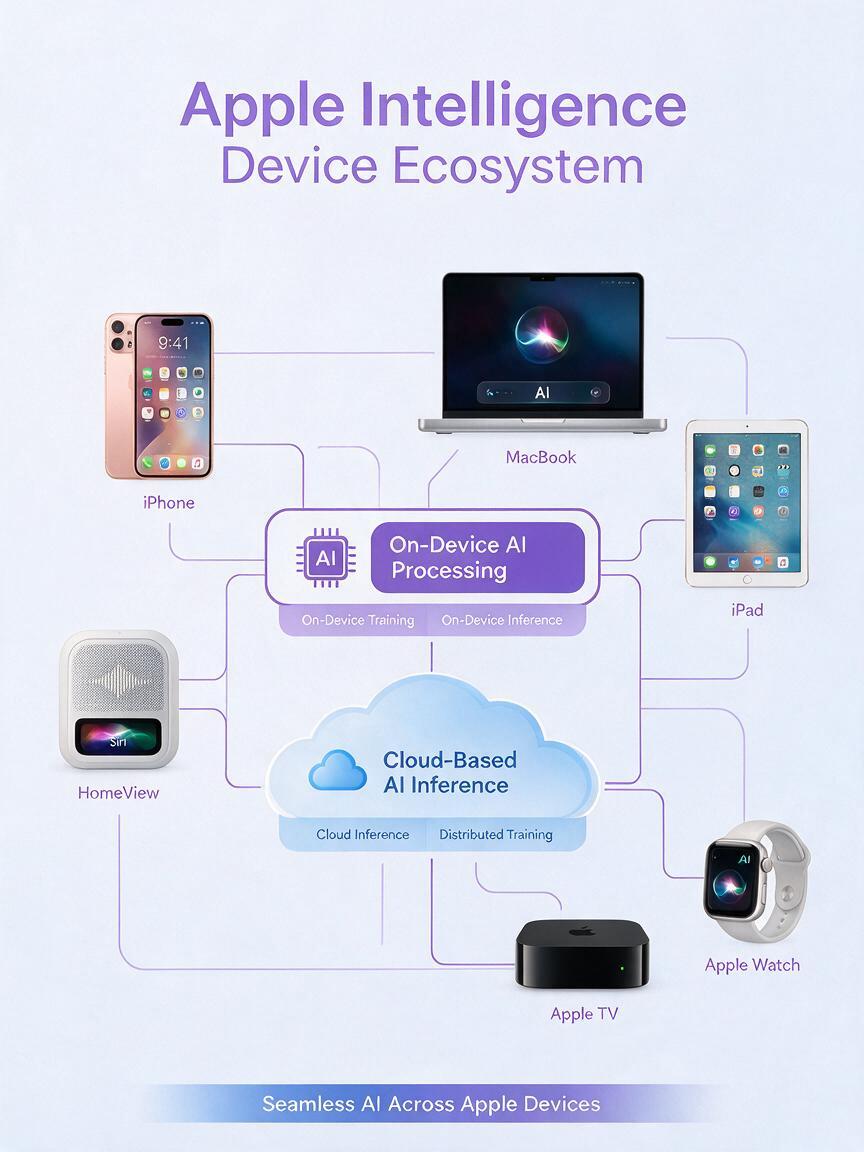
Investor confidence driving Apple’s $5 trillion valuation is closely tied to the company’s expanding AI ambitions, which span on-device intelligence, cloud services, and AI-integrated hardware. Unlike some peers that focus heavily on cloud-based large language models, Apple has prioritized on-device AI features that integrate seamlessly across its ecosystem of iPhones, Macs, iPads, wearables, and home devices.
This ecosystem approach is a key differentiator for Apple, as it allows the company to roll out AI features to billions of existing users without relying solely on costly cloud infrastructure. That said, Apple is also investing in backend AI capacity: reports from earlier this year noted the company is evaluating commercial AI-inference servers built with M-series chips and NVLink Fusion technology to support its growing AI service needs.
The $5 trillion milestone also aligns with broader ai capital expenditure trends across the tech industry. Analysts have projected that the five largest cloud and tech giants will increase AI-related capital spending by more than 50% to $1.2 trillion next year, as companies race to build out the infrastructure needed to support generative AI tools and services.
Broader AI Industry Context for Big Tech Valuations
Apple’s $5 trillion close comes amid a broader AI-driven market rally that has pushed valuations of leading AI companies to record highs. Nvidia, the first company to hit the $5 trillion mark, has seen its stock surge on the back of booming demand for its AI accelerators, which power most of the world’s generative AI training and inference workloads.
The AI industry’s growth is not limited to the largest tech giants, either. Recent ai funding rounds include a $7.5 billion raise for Chinese AI firm DeepSeek at a $74 billion valuation, highlighting the global scale of investment in AI technology. Startups focused on AI infrastructure, tooling, and applications are also attracting record levels of capital, as investors bet on AI reshaping nearly every sector of the economy.
For context, not all AI-related market moves are positive. Recent weeks have seen periods of volatility, including a single-day drop where Meta and Nvidia fell 3% and Oracle dropped 8.8% amid broader market concerns. Even so, the long-term trajectory for AI investment remains strong, with companies across industries pouring resources into AI development and deployment.

What This Means for Content Creators and Content Teams
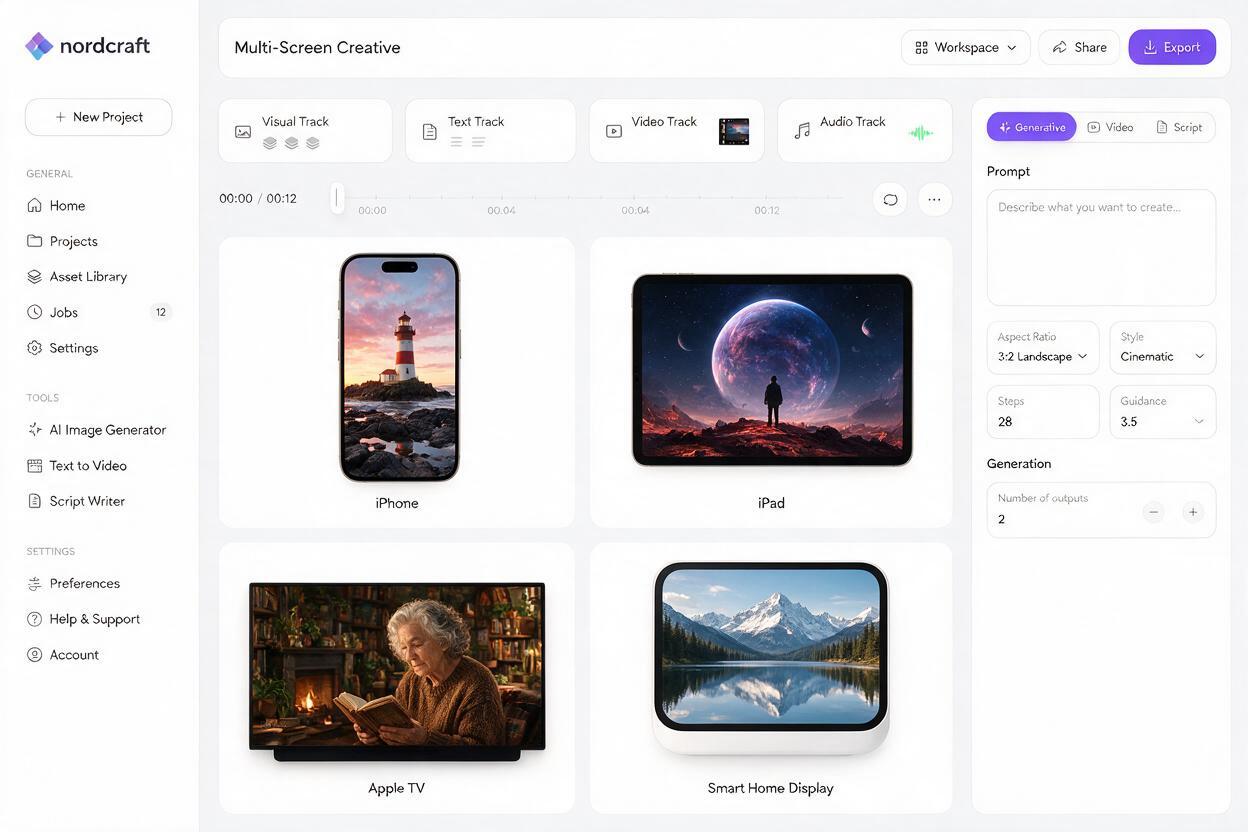
For content creators and digital content teams, Apple’s $5 trillion valuation and expanding AI ecosystem carry several important implications. First, a larger, more valuable Apple ecosystem means more devices and platforms to create content for — from iPhones and iPads to Macs, Apple TV, and the new HomeView smart-home display. Each of these devices has different screen sizes, aspect ratios, and use cases, creating demand for tailored content formats.
Second, Apple’s growing focus on on-device AI and AI-powered tools means creators will have more built-in AI features available on their devices, from photo cleanup and writing tools to live translation. At the same time, relying solely on one company’s AI tools can limit creative flexibility and increase vulnerability to pricing changes or feature cuts. That’s why many creators are turning to multi-model AI platforms that give access to a wide range of tools in one place.
For example, an ai image generator built into a multi-model platform can be used to create visuals optimized for every screen size, from social media posts on iPhones to large-format displays on Apple TV. Teams working on video content can use text to video tools to quickly draft clips tailored for different platforms, without switching between multiple subscriptions or tools.
Working with a unified platform also helps teams manage ai video cost and image generation budgets more effectively, since all usage is consolidated into a single account with transparent pricing. This is especially valuable for small teams and independent creators who need to keep a close eye on production costs while scaling their output.
Key Takeaways
- Apple became the second public company in history to close with a $5 trillion market capitalization, joining Nvidia in the exclusive valuation tier.
- The milestone reflects investor optimism around Apple’s AI and smart-home product roadmap, which includes the HomeView hub, Apple Intelligence, and upcoming hardware releases.
- Expanding device ecosystems create new content opportunities for creators, but also increase the need for flexible, cross-platform AI tools.
- Multi-model AI platforms help creators and teams produce content for every device format while managing costs and avoiding vendor lock-in.
- try these models for free to build a flexible AI content workflow that works across every platform and device.
Keywords
apple market cap, ai industry, ai capital expenditure, ai content creation, smart home ai, ai image generator, ai video cost