Apple Bans AI Deepfake Generator Apps From App Store
Apple has banned AI deepfake generator apps from the App Store, tightening governance of synthetic-content tools. The policy shift underscores growing platform and regulatory risk for creators relying on mobile AI tools, and highlights the stability of web-based multi-model platforms like MagicBoat for video and image production workflows.
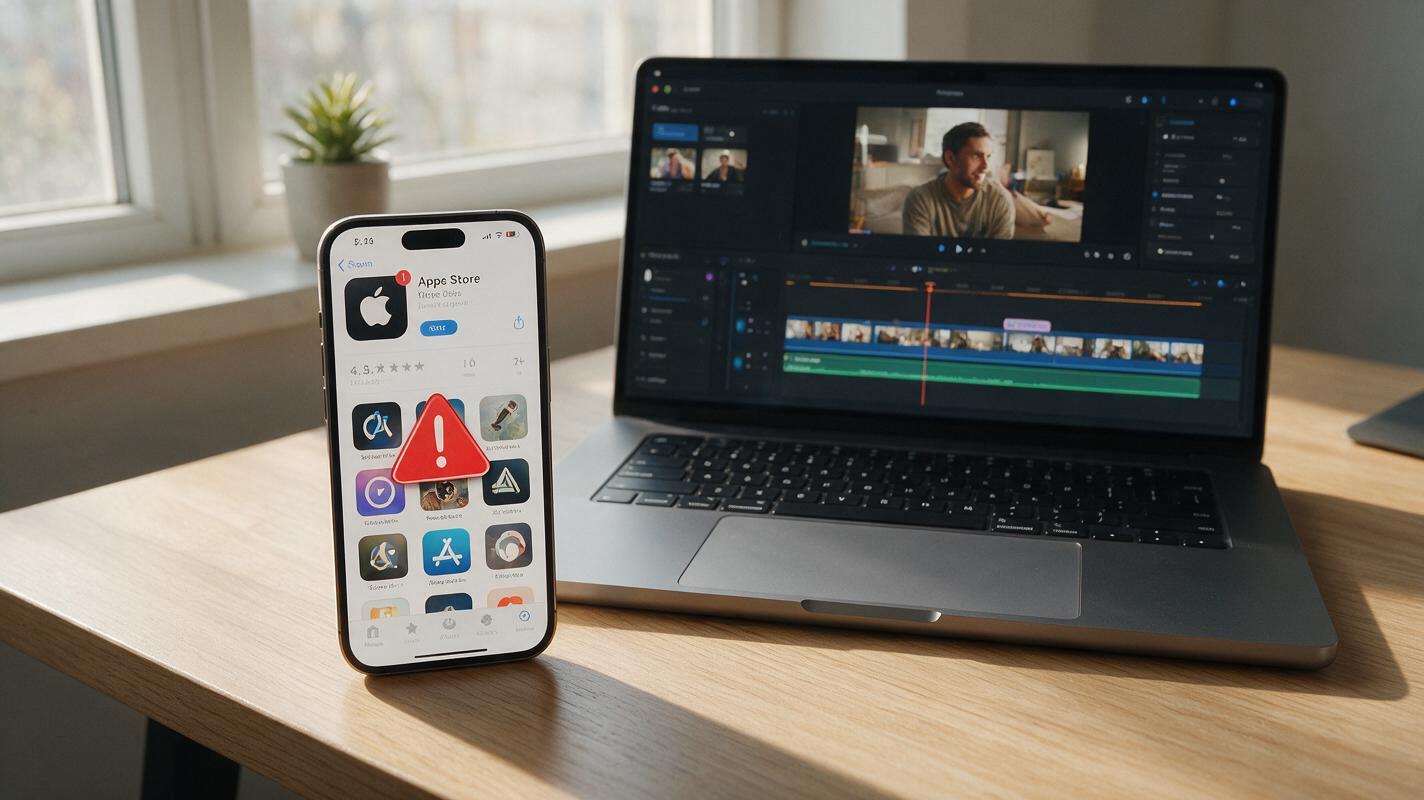
Table of contents
Apple’s App Store Deepfake Ban: What Happened
In a move tightening governance of synthetic-content tools, Apple has banned AI deepfake generator apps from the App Store. The policy change, reported in mid-October 2026, targets applications designed specifically to produce deepfake content — AI-generated videos, images, or audio that realistically replace or impersonate a person’s likeness without consent.
While exact criteria and the full list of removed apps have not been publicly detailed, the ban reflects Apple’s escalating stance on AI-generated media and its potential for harm. The action aligns with a broader industry trend of platform operators imposing stricter rules on synthetic content tools, particularly those that could facilitate non-consensual explicit material, identity fraud, or misinformation.
For creators and developers, the ban introduces new uncertainty about what kinds of AI generation apps are permitted on iOS. It also signals that mobile app stores are becoming more selective about AI tools, even as demand for creative AI applications continues to surge among independent creators, studios, and marketing teams.
Why This Matters for AI Video and Image Creators
AI video and image creators depend on a diverse toolkit of models and platforms to produce content efficiently. Many creators use mobile apps for quick generation tasks, on-the-go editing, or brainstorming ideas when away from their main workstations. The removal of deepfake generator apps from the App Store narrows the field of available mobile AI tools and raises questions about future restrictions.
The ban also highlights a broader risk for creators who rely on single-platform or single-vendor tools: policy changes, regulatory action, or business decisions can disrupt workflows overnight. A creator who built their content pipeline around a specific iOS app may find that tool gone, with no immediate replacement and lost access to saved projects, presets, or generated assets.
It is important to distinguish between malicious deepfakes — which the ban primarily targets — and legitimate creative uses of synthetic media. Many creators use AI face-swap, lip-sync, and character-generation tools for ethical purposes: short films, marketing campaigns, educational content, and artistic expression. Platform-wide bans can lump legitimate creative tools together with harmful ones, leaving creators caught in the crossfire.
For AI content creators, the takeaway is clear: diversifying tooling across multiple access points and providers reduces the risk that a single policy change will derail production schedules. Web-based platforms, in particular, offer a layer of insulation from app store policy shifts because they run directly in a browser and do not require App Store approval.
Web-Based Multi-Model Platforms Reduce Disruption Risk
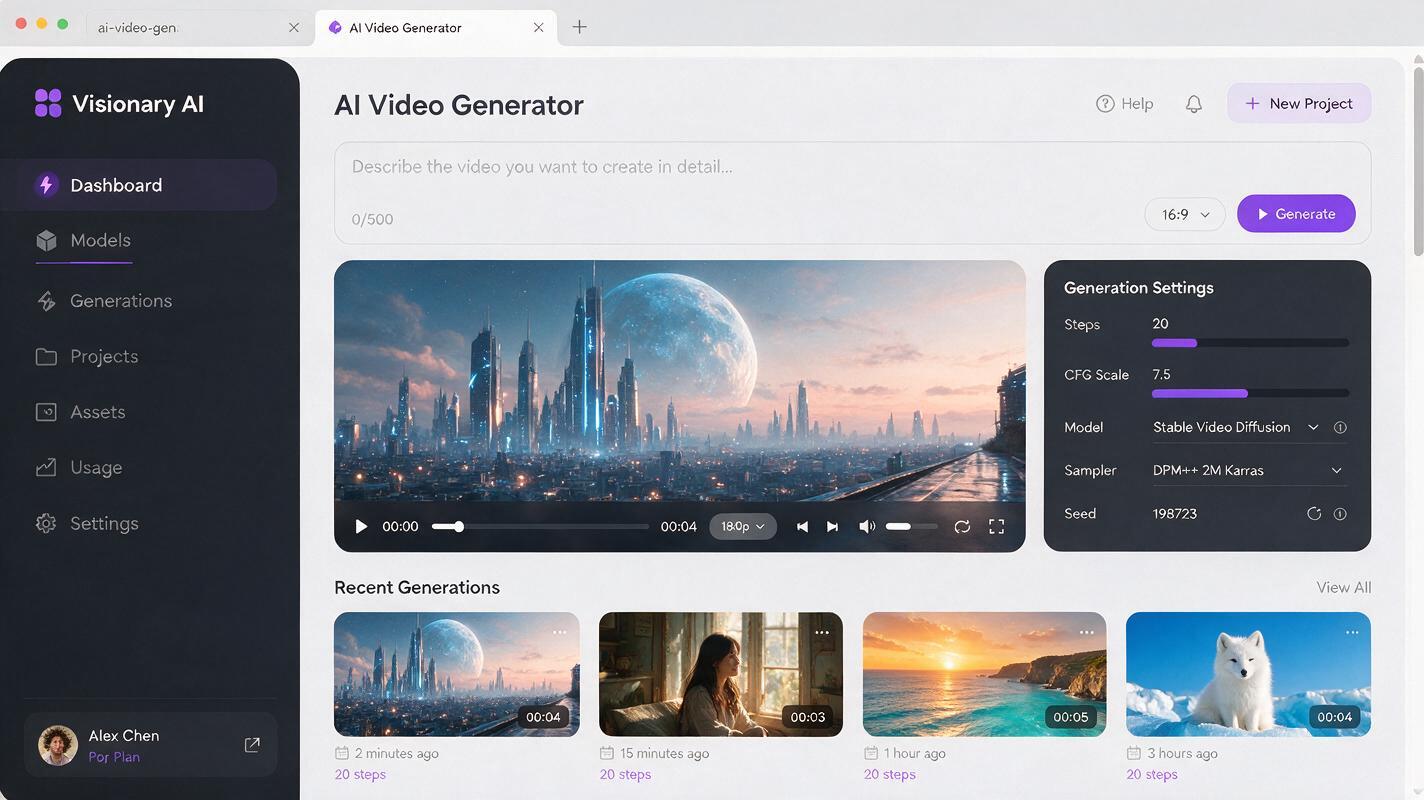
Creators looking to maintain consistent access to AI generation tools can turn to web-based platforms that host multiple models under one account. MagicBoat is one such platform, offering an ai video generator with text to video and image-to-video capabilities, plus an ai image generator, all accessible through a browser on any device — desktop, tablet, or mobile.
Because web platforms operate independently of app store policies, they are not subject to the same removal risks that face iOS apps. Creators can log in from any device with a browser and continue their work without worrying about app availability or sudden delistings. This flexibility is especially valuable for creators who travel, work across multiple devices, or collaborate with distributed teams.
Multi-model platforms also offer another key benefit: choice. Instead of being locked into a single model or provider, creators can compare outputs from different AI models side by side, selecting the best tool for each specific task — whether that is generating a photorealistic scene, animating a character, or producing a short social media clip. If one model undergoes changes or becomes unavailable, others remain accessible within the same interface.
For creators building long-term content strategies, the combination of web-based access and multi-model diversity creates a more resilient production pipeline. Rather than betting on a single app or model, creators can spread their work across tools and access methods, reducing downtime and maintaining creative flexibility.
What Creators Can Do Right Now
If you have been relying on iOS apps for AI generation, consider auditing your current toolkit and identifying which tasks depend on apps that could be affected by future policy changes. For each critical workflow, test a web-based alternative to ensure you can reproduce comparable results without the app.
It is also wise to back up any generated assets, presets, and project files stored in mobile apps locally or in cloud storage. App removals can happen without warning, and having backups ensures you do not lose access to your own creative work.
Finally, explore platforms that combine multiple AI tools in one place. The ability to generate images, animate them into video, add voiceover, and edit within a single web interface can streamline your workflow and reduce your dependence on any single app store ecosystem. You can try these models for free on MagicBoat to see how web-based generation fits into your process.
Key Takeaways
- Apple has banned AI deepfake generator apps from the App Store as part of tighter synthetic-content governance.
- Creators who rely on mobile AI tools face growing platform risk, as app store policies can change without notice.
- Web-based AI platforms are not subject to app store approval and offer more stable access across devices.
- Multi-model platforms like MagicBoat reduce workflow disruption by giving creators multiple generation options under one account.
- Backing up assets and diversifying your toolset helps protect your creative pipeline against sudden policy shifts.
Keywords
apple deepfake ban, ai deepfake generator, app store policy, synthetic content, ai video model, text to video, image to video