Apple Bans AI Deepfake Generator Apps From App Store
In October 2026, Apple banned AI deepfake generator apps from its App Store as part of broader tightening of synthetic content tool governance, per a 5 Minute AI News podcast report. The policy shift impacts mobile-first creators who rely on iOS apps for AI image and video generation, and underscores the value of portable, web-based creative workflows independent of app store rules. This analysis breaks down the ban’s key details, its implications for content creators, and practical ways to maintain stable access to AI generation tools.
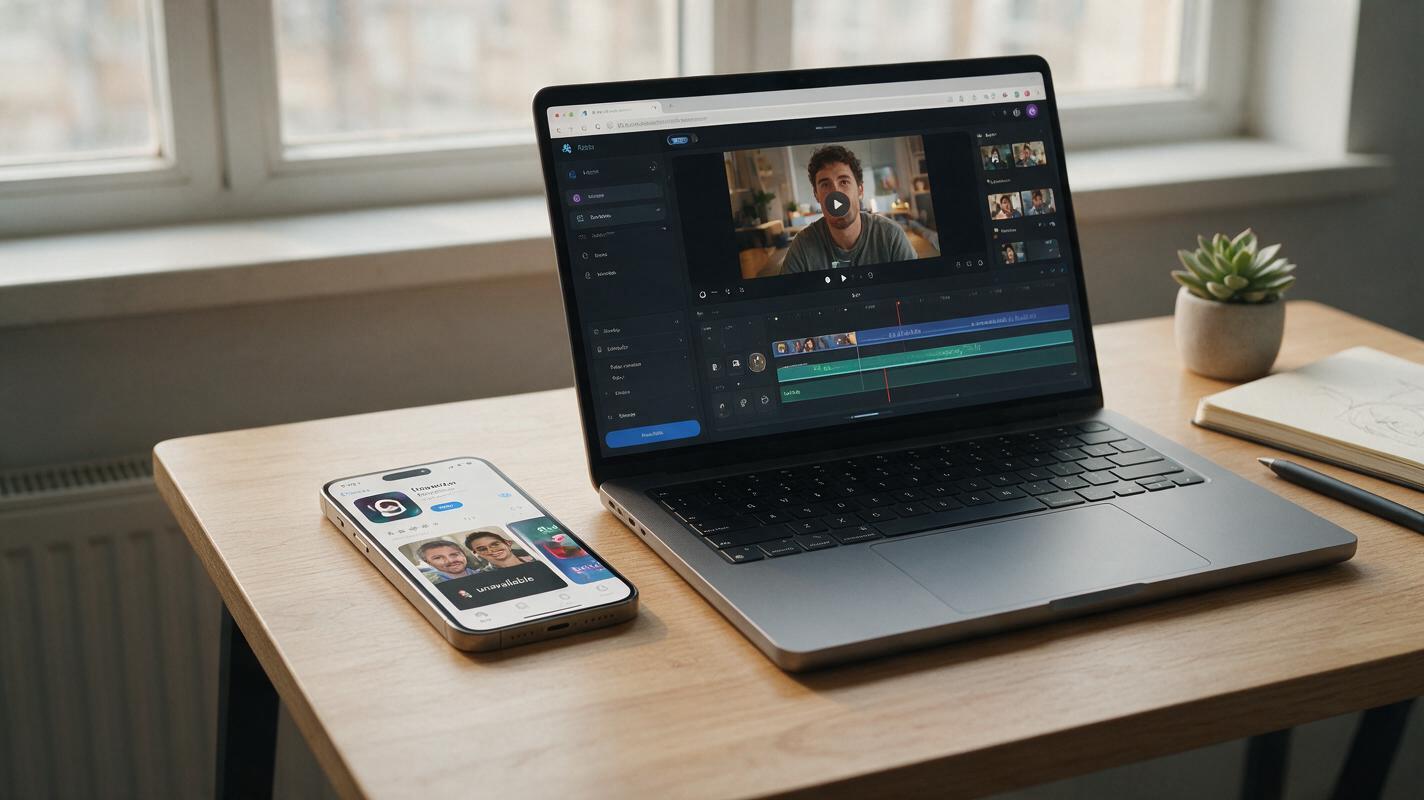
Table of contents
Apple’s October 2026 ban of AI deepfake generator apps from the App Store marks a major escalation in synthetic content governance, with direct consequences for creators who rely on iOS tools for AI image and video work.
What the App Store AI Deepfake Ban Covers
Reported by the 5 Minute AI News podcast in mid-October 2026, the policy change removes AI deepfake generator apps from Apple’s official App Store as part of broader tightening of rules governing synthetic-content tools. The ban targets apps designed explicitly to create deepfake content, which uses AI to swap faces, alter voices, or generate realistic fake footage of people.
While exact details of which apps were removed or the full scope of the policy update have not been fully disclosed, the move aligns with growing industry pressure to regulate AI-generated content that could be used for misinformation, non-consensual content, or other harmful purposes. It follows a wave of similar policy updates across social platforms and app stores as AI video model capabilities become more accessible to everyday users.
Rapid advances in frontier models including GPT-6, Claude Opus, and Gemini 4 have made high-quality synthetic media creation possible without advanced technical skills, pushing platform operators like Apple to update their governance frameworks to address potential harms.
Why This Matters for AI Video and Image Creators
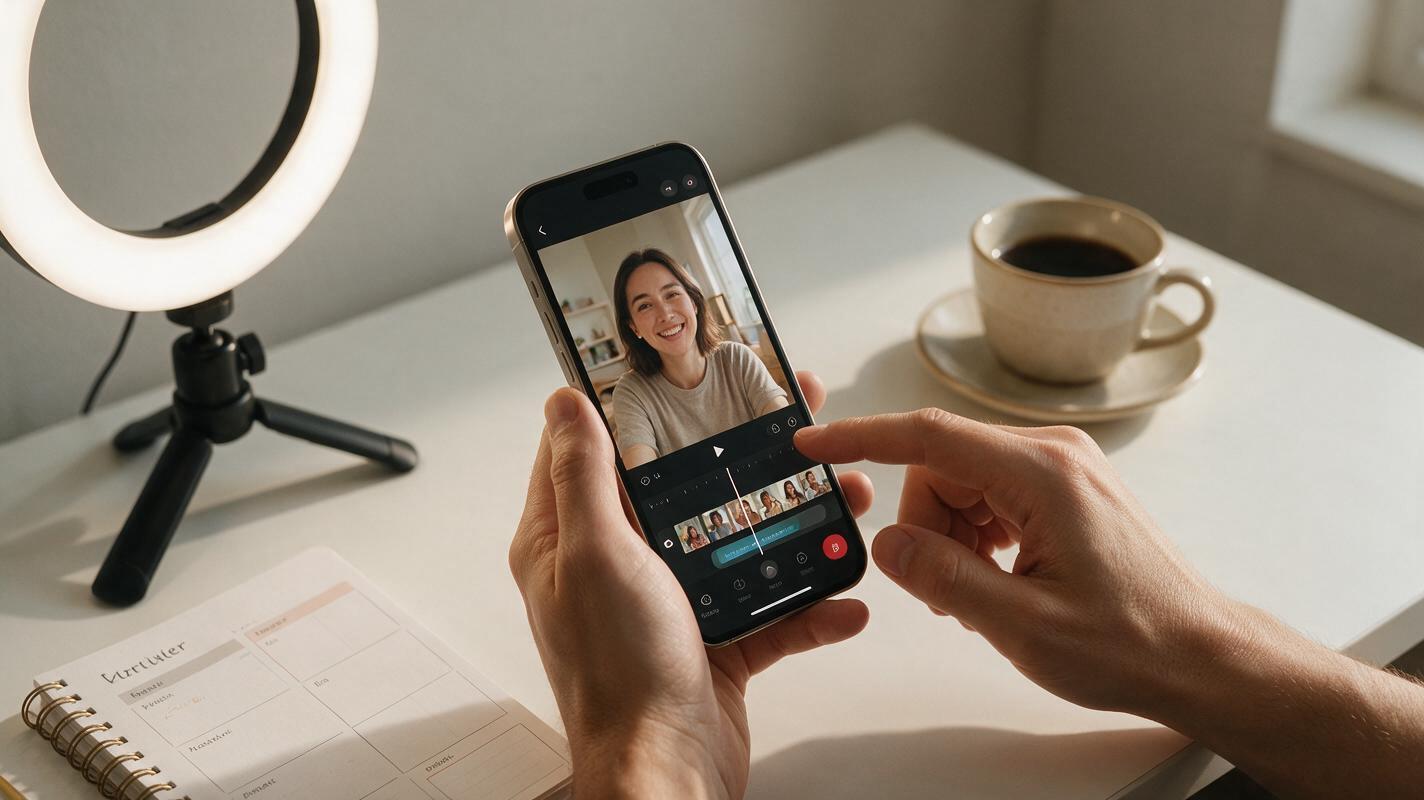
For many mobile-first creators, App Store apps are a core part of their creative workflow, especially for quick edits, on-the-go content creation, and casual synthetic media projects. The sudden removal of deepfake generator apps means creators who relied on these tools for face swaps, character animation, or stylized portrait generation may lose access to their go-to solutions overnight, with no clear timeline for replacement or appeal.
This disruption is not limited to deepfake-specific tools. As AI content governance tightens across app stores and social platforms, creators who build their entire workflow around a single app or platform face growing risk of sudden tool loss, content takedowns, or policy changes that render their work non-compliant. This is particularly true for creators who make content for social media, where platform rules around synthetic media are evolving rapidly.
Even creators who focus on legitimate creative work—like short films, branded content, or educational materials—may feel the impact, as broad policy bans can sometimes sweep up legitimate use cases alongside harmful ones. For example, a creator using a deepfake app to swap an actor’s face for a historical figure in a documentary short could lose access to their tool even if their work is fully compliant and ethical.
How Web-Based AI Platforms Avoid App Store Restrictions
One of the most reliable ways to insulate your creative workflow from app store policy changes is to use web-based AI creation platforms, which run directly in your browser and don’t require App Store approval or installation. These platforms operate independently of mobile app store rules, so you don’t have to worry about sudden removals of core tools or features.
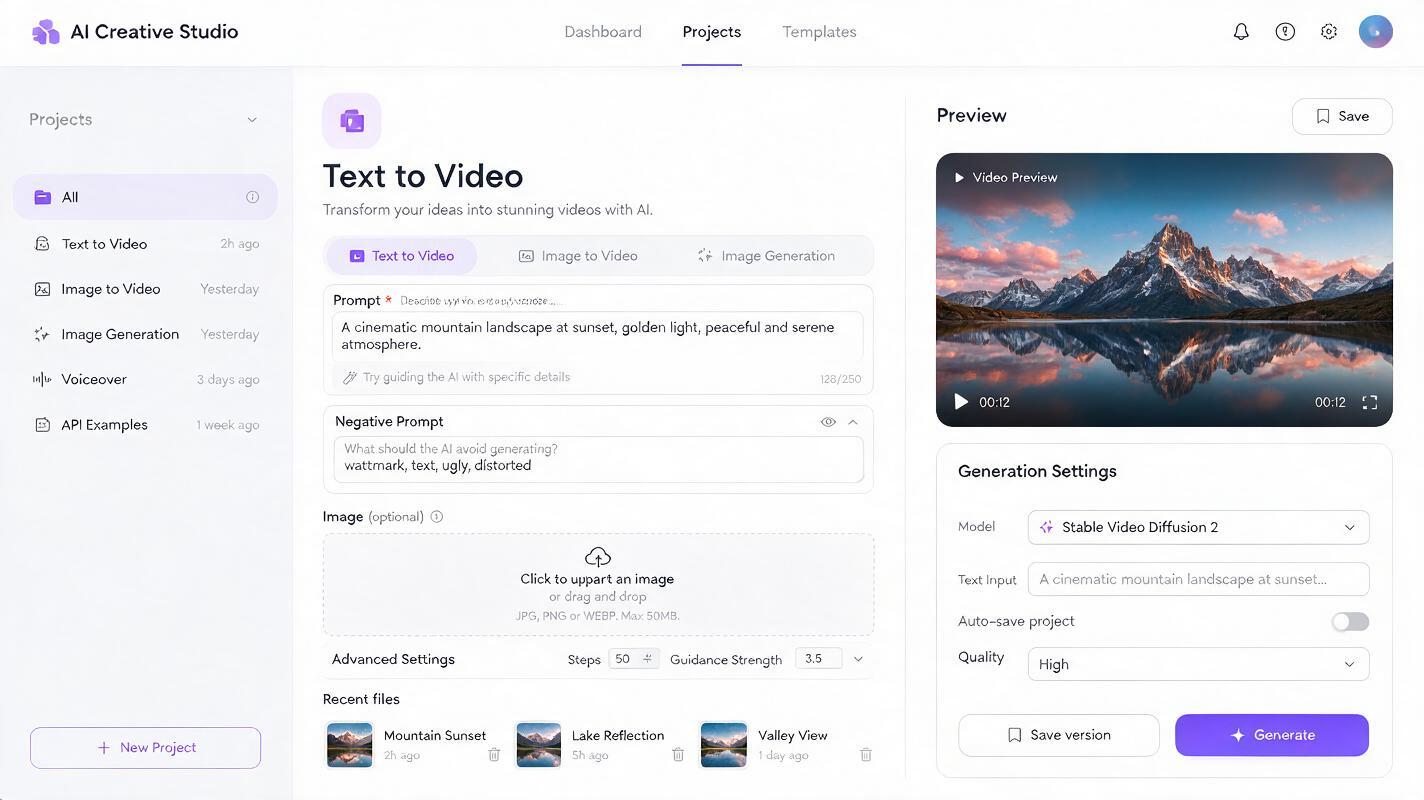
Multi-model platforms like MagicBoat bring together a full suite of AI creation tools under one account, so you can handle everything from initial concept to final export without relying on multiple third-party apps. For example, you can use text to video to generate base footage from a script, then use image to video to animate static reference art, all in the same browser-based workspace.
Because web-based platforms are accessible from any device with a browser—including iPhones, Android phones, laptops, and tablets—you can switch between devices without losing access to your projects or tools. This portability also means you’re not locked into a single ecosystem, so you can adapt your workflow as policies or platform options change.
If you’re looking to diversify your AI creation toolkit away from app store-dependent tools, you can try these models for free to see how a web-based multi-model platform fits your workflow.
Best Practices for Compliant AI Content Creation
As synthetic content governance continues to evolve, there are several key actions creators can take to ensure their work stays compliant and their workflows remain stable, even as platform rules change.
- Disclose synthetic content clearly: Most major platforms now require clear labeling of AI-generated content, especially content that uses people’s likenesses. Adding a simple disclosure in your caption or video description can help avoid takedowns and build trust with your audience.
- Diversify your toolchain: Relying on a single app or platform for all your AI creation work leaves you vulnerable to sudden policy changes. Using a mix of web-based tools, desktop software, and mobile apps ensures you have backup options if one tool becomes unavailable.
- Prioritize tools with built-in compliance features: Look for AI platforms that include watermarking, content moderation, and clear usage policies, as these features can help you stay compliant with platform rules and avoid accidental misuse.
- Review platform policies regularly: AI content rules are changing quickly, so set aside time each month to review the policies of the platforms you publish on, as well as the tools you use to create content.
Key Takeaways
- Apple has banned AI deepfake generator apps from the App Store as part of broader tightening of synthetic-content tool governance, first reported in mid-October 2026.
- Mobile-first creators who rely on iOS apps for AI image and video work face potential workflow disruptions from sudden app store policy changes.
- Web-based multi-model AI platforms operate independently of app store rules, offering more stable access to tools like text to video and image to video generation.
- Diversifying your creative toolchain and prioritizing compliant tools can help you adapt to evolving AI content regulations without pausing your work.
Keywords
ai deepfake app ban, app store synthetic content rules, ai video model, text to video, image to video, ai content governance, free ai tools, mobile ai creation