Apple Bans Deepfake Generators on App Store
Reported on October 18, 2026, Apple’s ban of deepfake generator apps from the App Store marks a major restriction on synthetic media tools with direct implications for AI content creators. The policy shift underscores the risks of building creative workflows around app store-distributed tools, which are subject to sudden, unannounced platform changes. Web-based, multi-model AI platforms like MagicBoat provide a more stable, flexible alternative for creators navigating evolving AI tool policies.
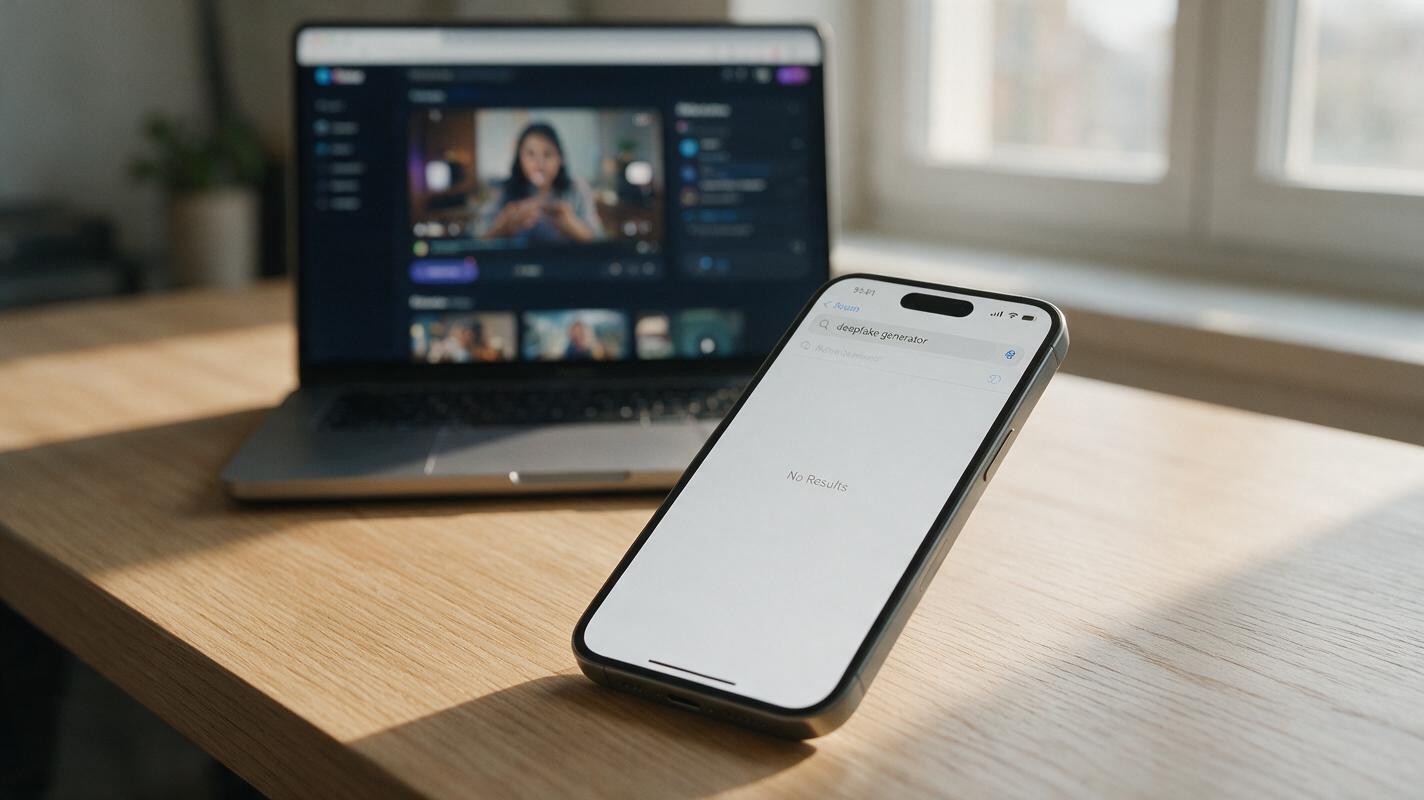
Table of contents
Apple’s App Store Deepfake Ban: What We Know
Apple’s October 2026 move to ban deepfake generator apps from the App Store marks one of the most sweeping platform restrictions on synthetic media tools to date, sending immediate ripples across the AI creator and tech communities.
Reported on October 18, 2026, the policy change bars deepfake generator applications from Apple’s iOS and iPadOS App Store. Initial reports do not include additional details such as specific eligibility criteria for exempt apps, enforcement timelines, whether tools with partial deepfake functionality (like face filters or voice cloning) are affected, or how Apple plans to review existing apps for compliance.
The ban arrives amid growing global scrutiny of synthetic media tools, with policymakers and platform operators weighing concerns about non-consensual deepfakes, misinformation, and privacy risks against the legitimate creative, educational, and accessibility use cases for the technology. Apple’s move follows similar policy updates from other major tech platforms in 2026, though its strict ban on dedicated deepfake generators stands out as one of the most aggressive measures taken by a major app store operator.
For users who relied on App Store deepfake tools for personal or creative projects, the change means immediate uncertainty around access to their preferred apps, as well as potential loss of app-specific projects, presets, or subscription benefits that cannot be transferred to other platforms.
Why This Matters for AI Content Creators
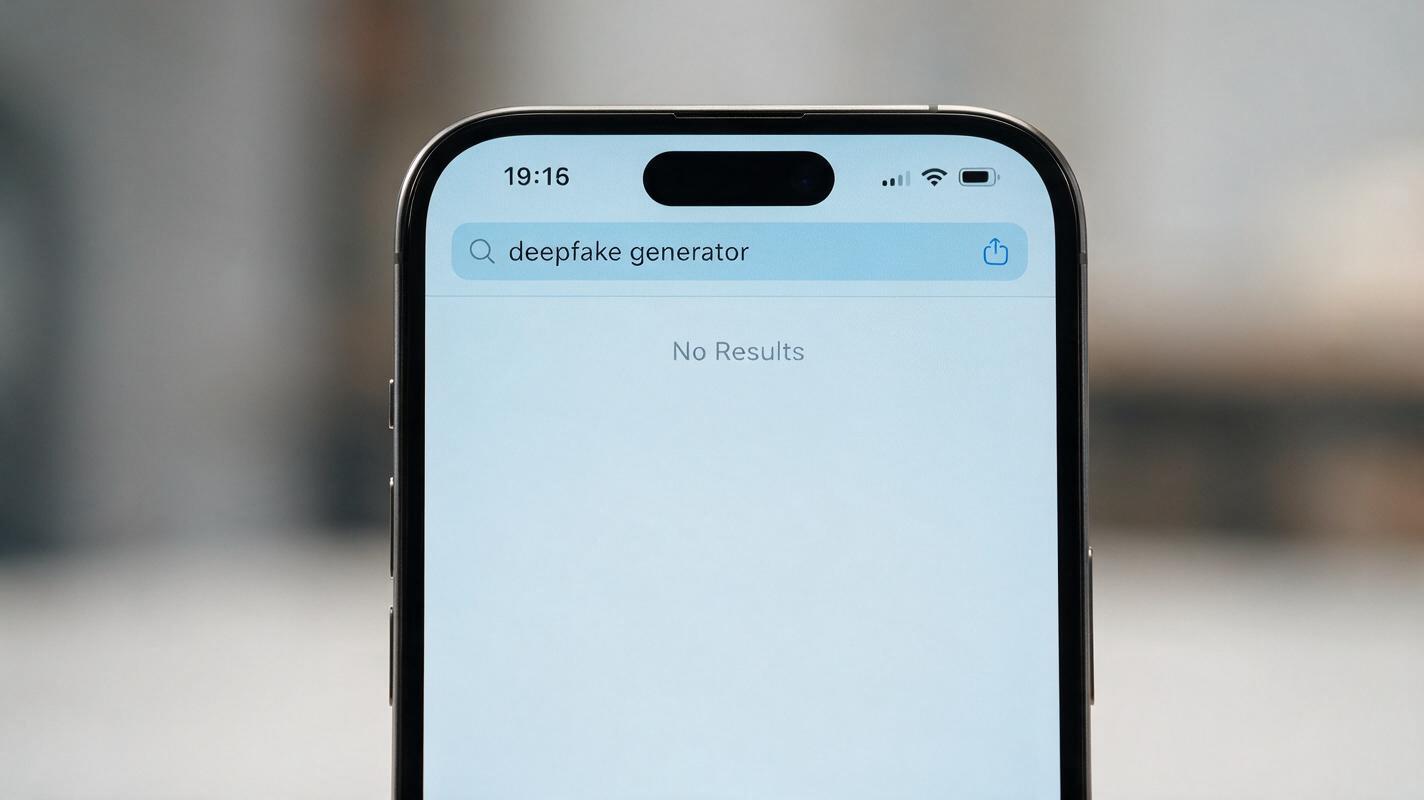
While the ban is framed as a safety measure, it carries tangible consequences for independent content creators who build their workflows around mobile AI tools. Many short-form content creators, social media influencers, and hobbyist creators use iOS-based deepfake and synthetic media apps to produce quick, engaging content on the go, often without access to desktop-grade software.
For these creators, the removal of deepfake generator apps from the App Store can disrupt established production pipelines, delay content schedules, and force a costly or time-consuming switch to alternative tools. Creators who have invested in paid subscriptions, custom presets, or app-specific training for these tools may face sunk costs with no easy migration path.
The policy shift also highlights a broader risk for creators who rely exclusively on app store-distributed AI tools: platform policies can change overnight, with little warning or recourse. Unlike web-based tools, which are accessible directly through a browser, app store tools are subject to the rules and whims of the platform operator, which can restrict or remove apps at any time for any reason outlined in their developer guidelines.
This is not an isolated trend. Throughout 2026, major app stores and social platforms have rolled out a patchwork of conflicting policies around AI content tools, leaving creators to navigate a constantly shifting landscape of restrictions that vary by platform, region, and tool type. For creators who publish across multiple channels or use a range of AI tools, this fragmentation adds unnecessary complexity and risk to their work.
The Case for Web-Based, Multi-Model AI Platforms
As app store restrictions and platform-specific policies become more common, many creators are shifting to web-based AI creation platforms that offer greater stability, flexibility, and control over their workflows. Unlike app store tools, web-based platforms are accessible through any modern browser on desktop or mobile, making them immune to app store removal or policy changes that restrict app distribution.
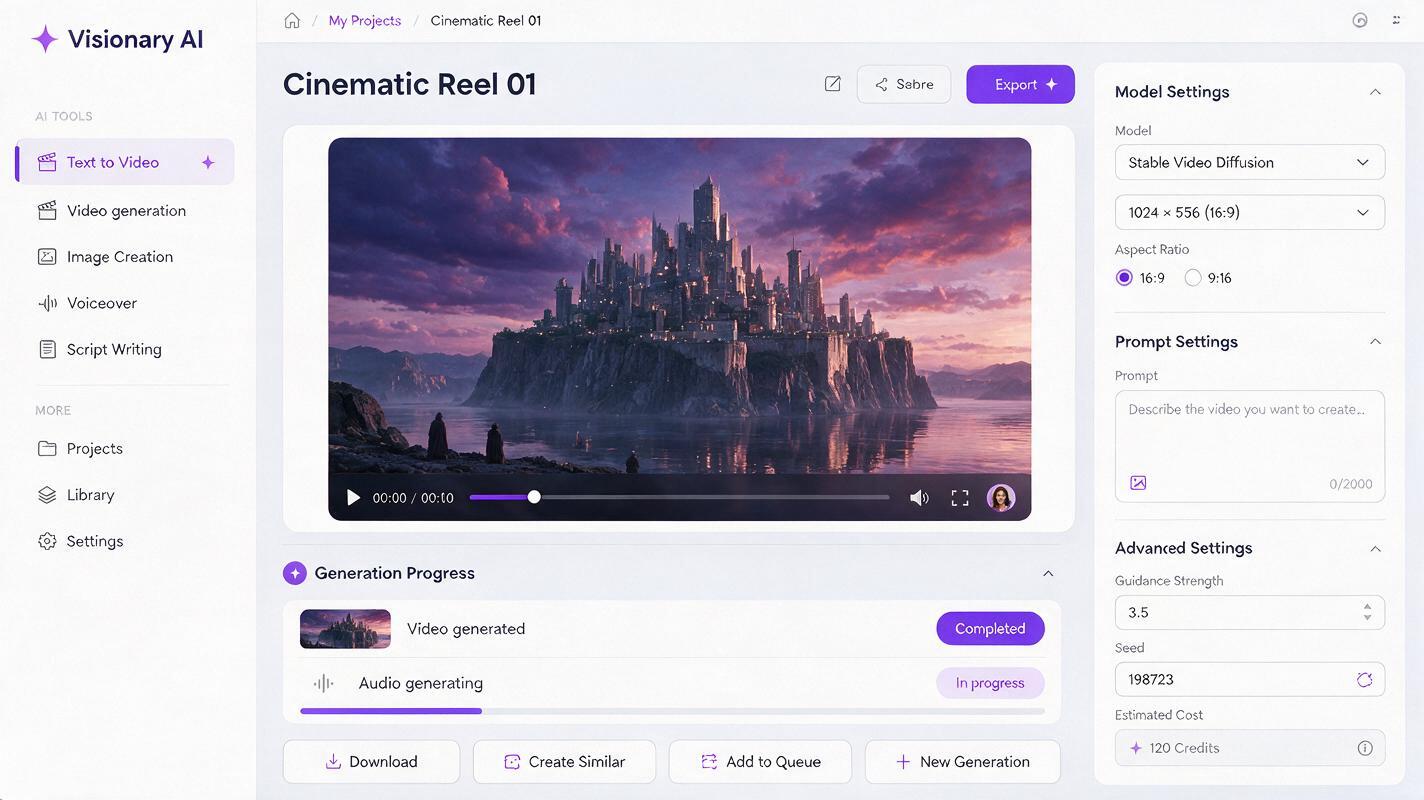
Multi-model platforms take this flexibility a step further by consolidating a wide range of AI creation tools under a single account, so creators don’t have to rely on a single app or provider for their work. For example, ai video generator tools on MagicBoat support everything from quick text-to-video clips to more complex edited projects, all accessible directly through a browser with no app download required.
Creators can also leverage text to video capabilities, image generation, voiceover, lip sync, and script writing tools all within the same platform, eliminating the need to juggle multiple separate apps or subscriptions. This integrated approach not only streamlines workflows but also reduces the risk of disruption if any single tool or app becomes unavailable.
Another key benefit of web-based multi-model platforms is portability. Creator assets, projects, and prompts are stored in the cloud and accessible from any device, so creators don’t lose their work if they switch devices or if a specific app is removed from an app store. This portability also makes it easier to collaborate with team members or switch between tools as project needs change.
For creators navigating the uncertainty of shifting AI policies, building a workflow around a stable, web-based multi-model platform is a proactive way to reduce risk and ensure long-term access to the tools they need. try these models for free to explore a full suite of AI creation tools that work across devices and aren’t subject to app store restrictions.
Key Takeaways
- Apple banned dedicated deepfake generator apps from the App Store in a policy change reported on October 18, 2026, with no additional details on enforcement or exemptions available in initial reports.
- Creators who rely on iOS-based deepfake tools may face workflow disruptions, lost subscriptions, and sunk costs as apps are removed or restricted.
- The ban highlights the broader risk of building creative workflows around app store-distributed tools, which are subject to sudden policy changes from platform operators.
- Web-based, multi-model AI platforms offer greater stability and flexibility, with tools accessible via any browser and no dependence on app store policies.
- Consolidating AI creation tools on a single platform like MagicBoat helps creators reduce risk, streamline workflows, and maintain access to their projects across devices.
Keywords
apple app store, deepfake generators, ai news, ai tools, synthetic media, ai content creation, ai video generator