Apple Bans Deepfake Generator Apps From the App Store
On October 18, 2026, Apple reportedly banned deepfake generator apps from its App Store, marking a significant shift in mobile AI tool policies. While specific details about affected apps and enforcement parameters remain unconfirmed, the move has direct implications for content creators who rely on mobile deepfake and face-swap tools for video production. Web-based multi-model AI platforms like MagicBoat offer a stable alternative for creators seeking uninterrupted access to AI creative tools.
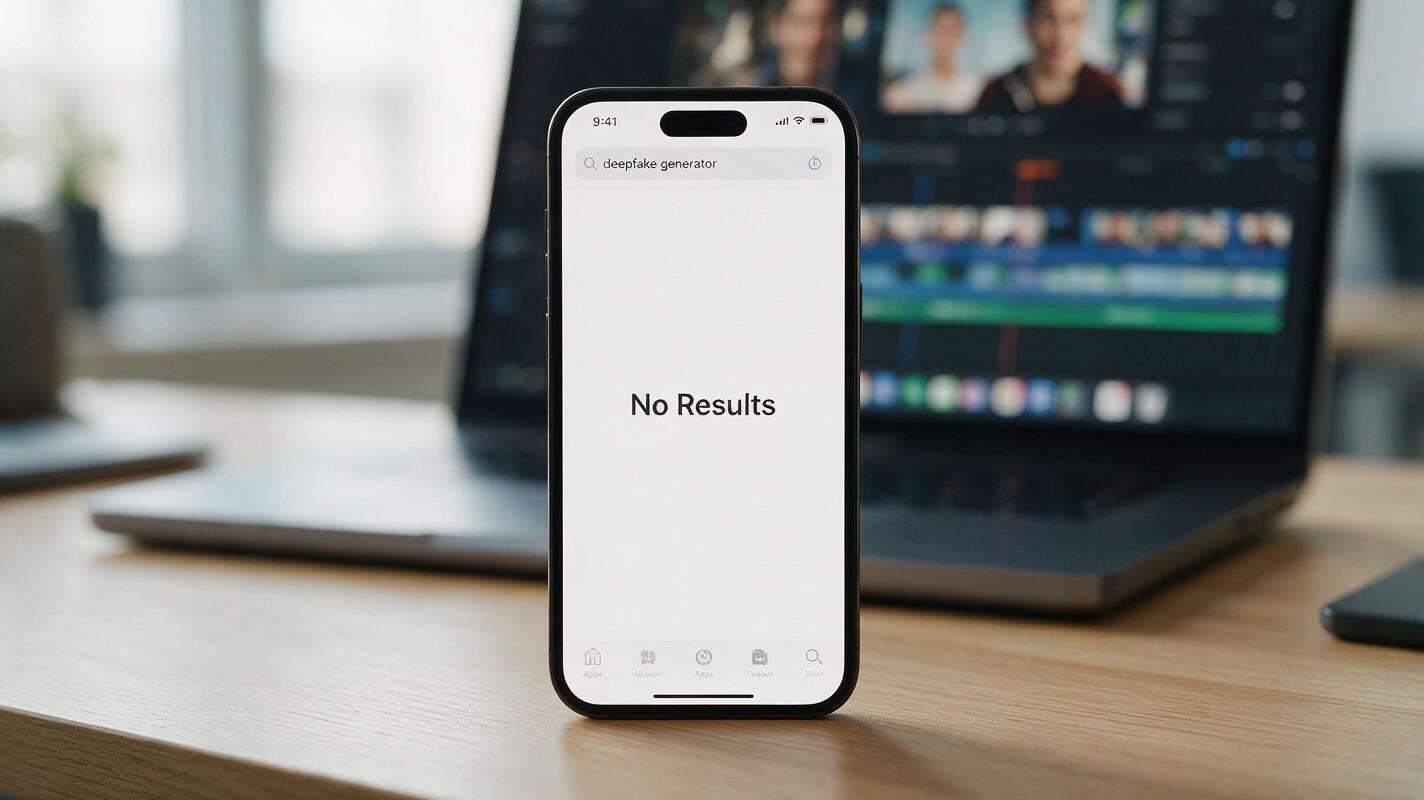
Table of contents
Introduction
A new App Store policy change is shaking up mobile AI tools, with Apple banning deepfake generator apps from its platform as of mid-October 2026.
The reported ban, dated October 18, 2026, marks one of the most sweeping restrictions on AI-generated synthetic media tools by a major app store operator to date. While full details of the policy have not been publicly outlined in available reporting, the move signals growing scrutiny of deepfake technology amid concerns about misinformation, non-consensual content, and privacy violations.
What We Know About the App Store Deepfake Ban
Available reporting confirms that Apple has moved to ban deepfake generator apps from the App Store, with the change first emerging in October 2026. Deepfake tools use AI to synthesize or manipulate facial features, voices, and other personal attributes in video and audio content, often with highly realistic results.
At this stage, key details about the ban remain unconfirmed, including the exact scope of affected apps, whether there are exceptions for professional creative or educational tools, the enforcement timeline, and the specific App Store guidelines being invoked. The ban appears to target apps primarily designed to create deepfake content, though the line between dedicated deepfake tools and broader AI video or photo editors with face-altering features remains unclear.
Note: All details are based on available headline reporting; official policy language from Apple has not yet been released to the public.
Why This Matters for AI Content Creators
For content creators who use AI tools for video production, social media content, or digital art, the App Store deepfake ban raises immediate practical and strategic questions. Many independent creators rely on mobile apps for quick, on-the-go content creation, including face-swap effects, character animation, and synthetic media for skits, educational content, or marketing materials.
The ban highlights a broader risk for creators who build workflows around single-platform apps or tools distributed exclusively through app stores. Policy changes, removal of apps, or platform restrictions can disrupt production schedules, erase access to paid tools, and force teams to rebuild workflows on short notice. This is especially true for creators who produce content that walks the line between legitimate creative use and prohibited deepfake content, as platform policies can vary widely and change without advance warning.
Creators also face cascading risks: if app stores restrict deepfake tools, social media platforms may follow suit with stricter content policies for synthetic media, requiring creators to adapt their output to stay compliant across distribution channels.
Navigating AI Tool Restrictions as a Creator
As app store policies and platform rules around AI tools continue to evolve, creators can reduce disruption risk by building flexible, platform-agnostic workflows that don't depend on a single app or distribution channel. Web-based AI tools, for example, are not subject to App Store removal and can be accessed from any device with a browser, giving creators more control over their toolset.
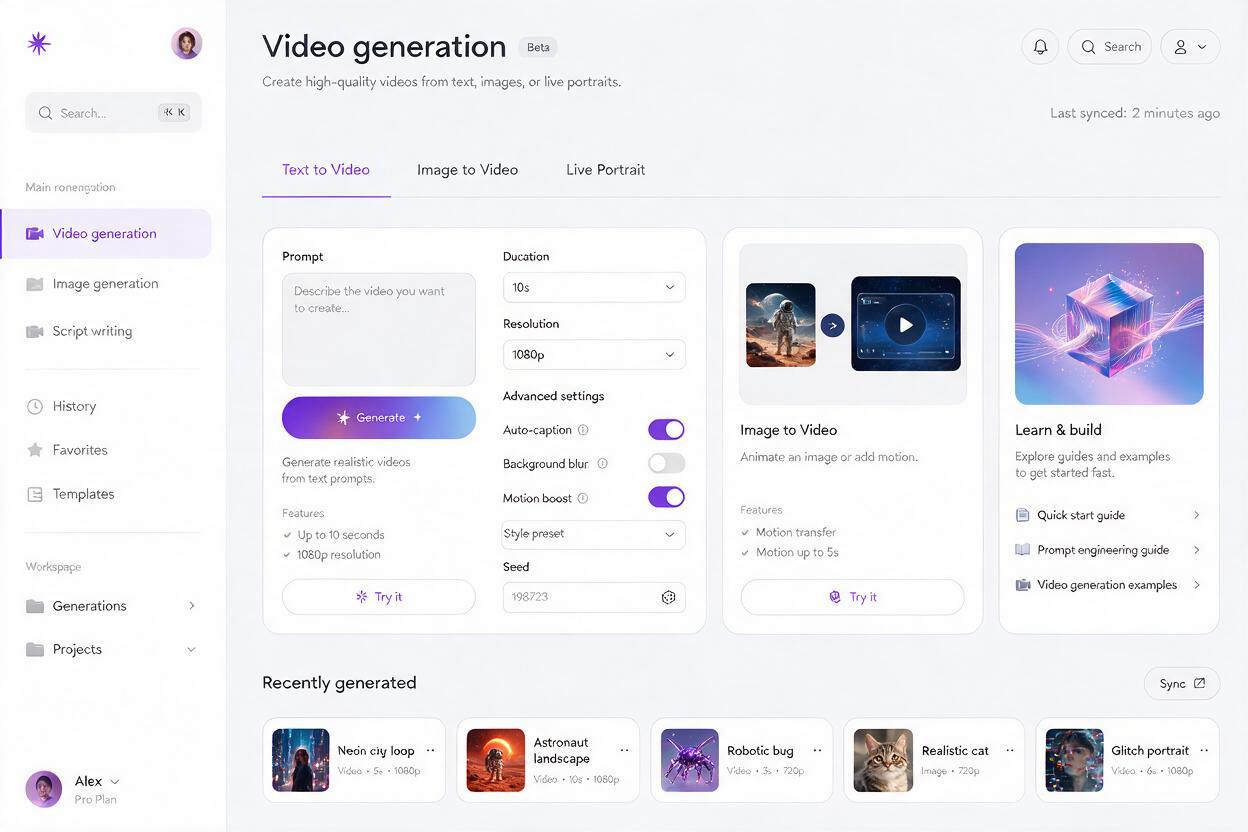
MagicBoat offers a full suite of AI creative tools accessible directly through a web browser, including an ai video generator, image to video capabilities, AI art generation, and script writing tools — all available from a single account. Because the platform runs in the browser, there's no need to download apps from app stores, and updates and new features are rolled out directly without waiting for platform approval.
A multi-model approach also lets creators switch between different AI tools and models to fit their project needs, whether they're producing short-form social content, animated explainer videos, or promotional materials. This flexibility means creators aren't locked into a single tool that could be restricted or removed later.
Creators can try these models for free to test how web-based AI tools fit into their workflow, without the risk of losing access due to app store policy changes.
Key Takeaways
- Apple has reportedly banned deepfake generator apps from the App Store, with the change dated October 18, 2026.
- Key details about the ban's scope, exceptions, and enforcement remain unconfirmed as of this reporting.
- Creators who rely on mobile deepfake apps face potential workflow disruptions and should evaluate alternative tools.
- Web-based, multi-model AI platforms offer a more stable alternative, with no app store dependency and access to a range of creative tools from one account.
Keywords
apple app store deepfake ban, ai news, ai tools, ai video generator, image to video, deepfake generators, ai content creation