Apple Launches $299 HomeView Smart-Home Hub With Siri AI
Apple launched HomeView on October 14, 2026, introducing a $299 smart-home hub with a 7-inch square display and Siri AI alongside Apple Home Collection accessories. The launch highlights the growing role of unified interfaces and offers a useful model for building more coherent, portable AI content workflows.
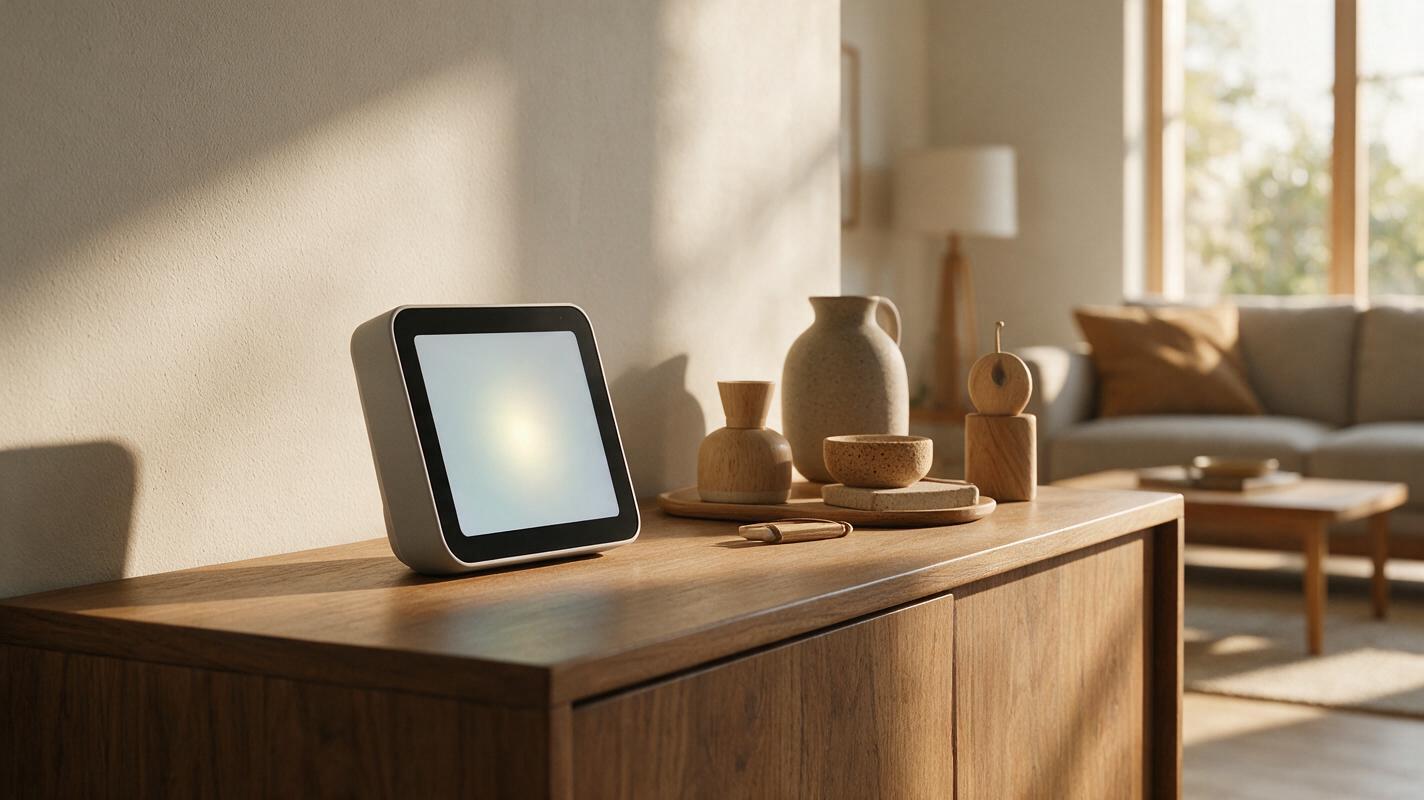
Table of contents
Apple HomeView Arrives as a $299 Smart-Home Hub
Apple launched HomeView on October 14, 2026, positioning the new device as a central smart-home hub. The product has a 7-inch square display, costs $299, and includes Siri AI. Apple also introduced Apple Home Collection accessories alongside the hub, expanding the announcement from a single screen into a broader connected-home offering.
The launch turns earlier reporting about Apple’s smart-home ambitions into a defined product centered on one visible interface. HomeView’s square display, Siri AI integration, price, and companion accessory collection are the central confirmed details of the announcement. Those details also show Apple treating the smart home as an organized system rather than a collection of unrelated devices.
For people producing digital content, the larger lesson is not that a household display automatically becomes a production studio. It is that increasingly complex technology becomes easier to use when commands, context, and connected functions meet in one consistent environment. The same principle can make an AI workflow more manageable.
Why the HomeView Launch Matters Beyond Hardware
HomeView represents a familiar Apple ecosystem strategy: establish a central product and surround it with related accessories. In this case, the center is a 7-inch smart-home display with Siri AI, while Apple Home Collection broadens the physical ecosystem around it.
The importance of that structure is coordination. A hub creates a recognizable place from which users can interact with a larger system. Siri AI adds an AI interface to that center, although the announcement details provided do not establish additional functions beyond its inclusion.
The clearest signal from HomeView is architectural: connected tools become more approachable when they share a central interface and a coherent operating context.
This is relevant to AI content production because fragmentation is one of its most persistent problems. A campaign may involve research, writing, images, narration, video, and revisions. When each activity lives in isolation, creators spend more time transferring instructions and reconstructing context.
What a Hub Model Suggests for AI Production
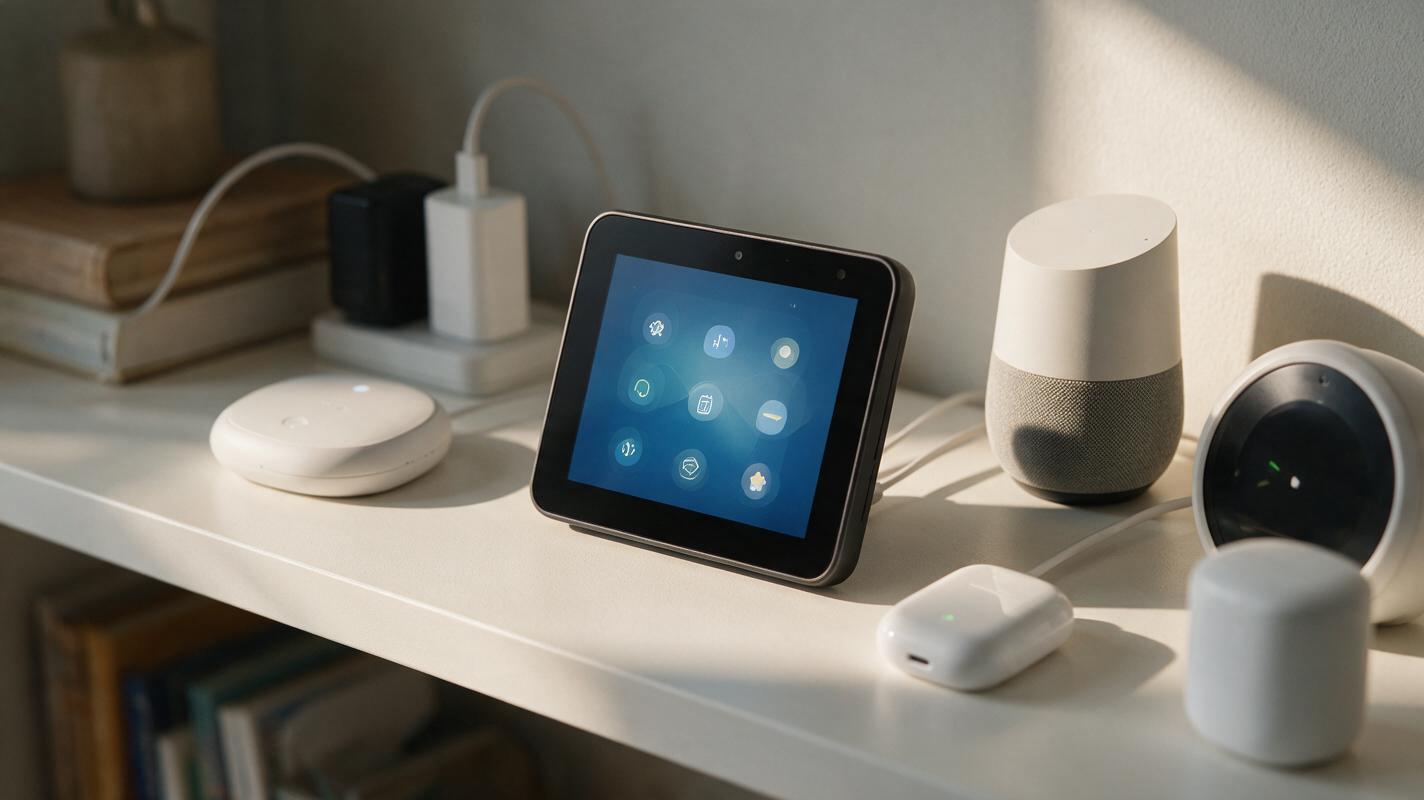
The smart-home hub concept offers a useful analogy for creative systems. An effective production hub does not need to make every individual tool identical. It needs to keep the project’s intent visible while allowing different capabilities to contribute at the appropriate moment.
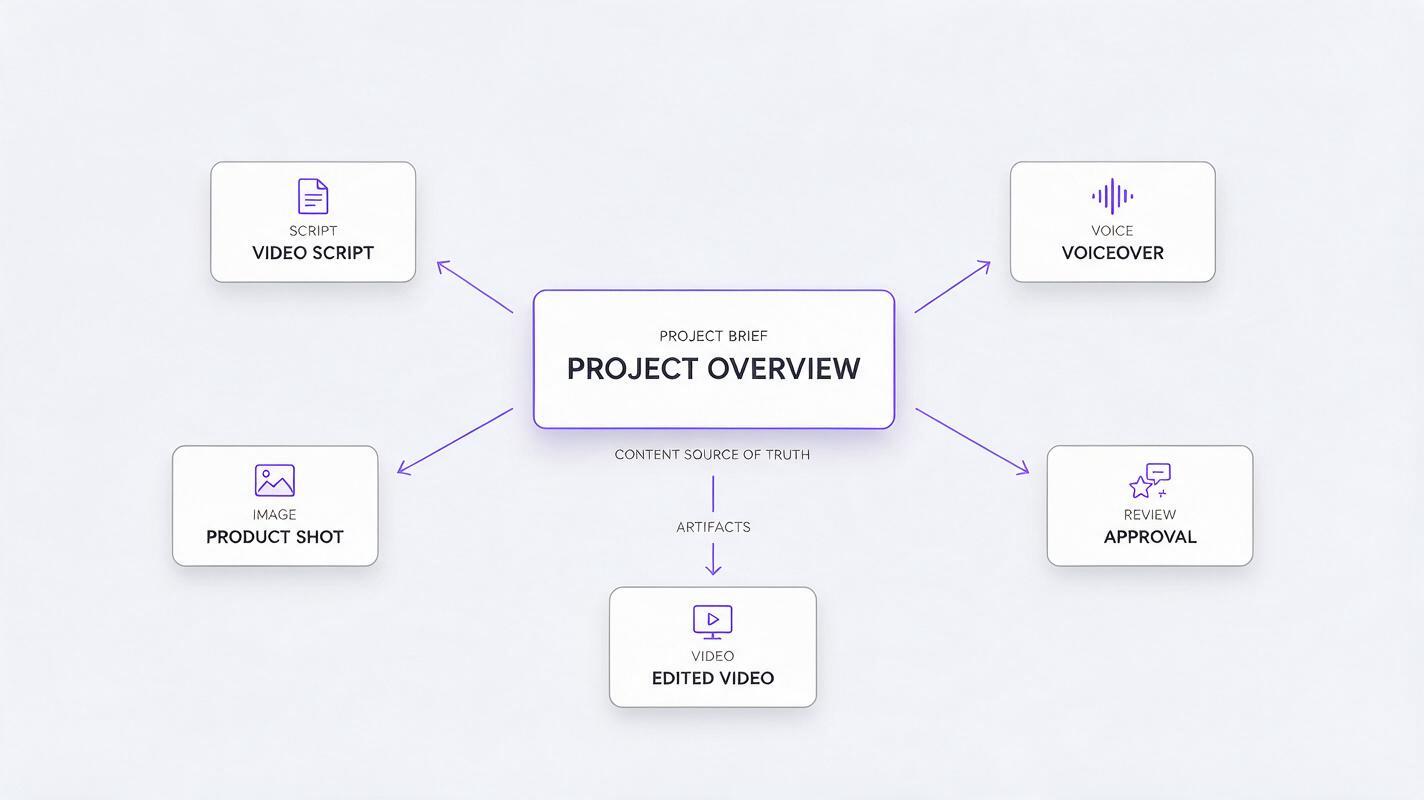
For example, a content brief can remain the shared reference while an ai script generator develops narrative material and an ai video generator turns approved visual direction into motion. The value comes from preserving the relationship between those outputs rather than treating each generation as an unrelated experiment.
| HomeView ecosystem idea | Parallel in an AI workflow | Practical value |
|---|---|---|
| Central display | Shared project brief | Keeps the main objective visible |
| Siri AI interface | AI assistant interaction | Provides a consistent way to express intent |
| Connected accessories | Specialized creative capabilities | Supports different production needs |
| Unified product family | Coordinated creative environment | Reduces unnecessary context switching |
This comparison does not imply that HomeView includes creative-generation functions that Apple did not announce. Instead, it identifies the organizational principle behind the product: a central layer can make a collection of technologies feel like one system.
Context Is the Core of a Coherent AI Workflow
A central interface is only useful when the information moving through it remains consistent. In content creation, that information includes tone, audience, visual references, required facts, platform format, and publication constraints.
Without a stable brief, AI automation can generate individually polished assets that do not belong together. A script may use one tone while the visuals imply another. A video may omit the factual limitation that shaped the article. An AI assistant may rewrite approved language because it does not have the latest context.
A hub-oriented production method keeps several records together:
- The source record: the confirmed facts that must remain unchanged.
- The creative brief: the audience, message, tone, and desired response.
- The visual direction: concrete subjects, environments, framing, and exclusions.
- The approval record: the assets and language that a human has accepted.
- The revision history: the reason each meaningful change was made.
These records make it easier to move between models or capabilities without losing the project’s identity. They also keep human editorial judgment at the center of the process.

MagicBoat as a Unified Creative Environment
HomeView’s launch draws attention to the value of bringing multiple functions into a more coherent experience. MagicBoat applies a similar organizational idea to AI creation: creators can work across content formats without building an entirely separate environment for every output.
This matters because no single generation is the whole project. A concept develops into a script, visual direction, scenes, motion, voice, and final revisions. Keeping those activities closer together can reduce repeated setup and make it easier to preserve tone and factual boundaries.
A multi-model environment also supports continuity. If one model is temporarily unavailable, changes its behavior, or proves unsuitable for a particular asset, the project brief can remain stable while another option is evaluated. Model flexibility becomes more useful when it is paired with organized context and human review.
The objective is not maximum automation. It is controlled coordination: let AI accelerate generation while people retain authority over claims, selection, sequencing, and publication.
What HomeView Signals About Interface Design
Apple’s decision to build HomeView around a 7-inch square display gives the smart-home system a visible focal point. Adding Siri AI indicates that conversational interaction is part of that focal point. The accompanying Apple Home Collection accessories extend the concept beyond software into a broader product family.
For AI platforms, the comparable design challenge is making varied capabilities feel connected without hiding their differences. Writing, image generation, and video generation do not produce interchangeable artifacts. A useful interface should help users move between them while maintaining a clear understanding of what each output is and where human approval is required.
That principle is especially important in an AI video workflow. Scripts, source images, motion outputs, voice tracks, and editorial notes must stay aligned. A unified environment can reduce friction, but consistency still depends on a strong brief and deliberate review.
A More Durable Approach to AI Automation
The HomeView announcement is ultimately a hardware and ecosystem story: Apple launched a $299 hub with a 7-inch square display, Siri AI, and Apple Home Collection accessories. Yet its structure reflects a broader technology trend toward centralized interfaces for increasingly complex systems.
Content teams can apply that insight without depending on one device or one model. Keep source facts separate from creative interpretation, preserve reusable briefs, connect specialized capabilities around a shared project, and require human approval before publication. That produces an AI workflow that is easier to inspect and adapt.
To explore a unified environment for scripts, images, video, and other creative outputs, try these models for free on MagicBoat.
Key Takeaways
- Apple launched HomeView on October 14, 2026.
- The smart-home hub costs $299 and has a 7-inch square display.
- Siri AI is included in the product.
- Apple Home Collection accessories were introduced alongside HomeView.
- The hub structure offers a useful analogy for coordinated, context-aware AI production.
- Human review remains essential even when tools share a unified environment.
Keywords
apple homeview, smart-home hub, siri ai, apple home collection, ai workflow, ai assistant, ai automation