Apple Intelligence China Beta Approved, Built on Alibaba Qwen
Apple has received regulatory approval to launch a beta version of Apple Intelligence in China, built on Alibaba’s Qwen large language model, with a rollout scheduled for later in October 2026. The initial beta includes live translation, writing tools, and photo cleanup features, though Siri AI will not be available in the first batch. The launch highlights growing regional fragmentation in the AI industry and has key implications for cross-market content creators.
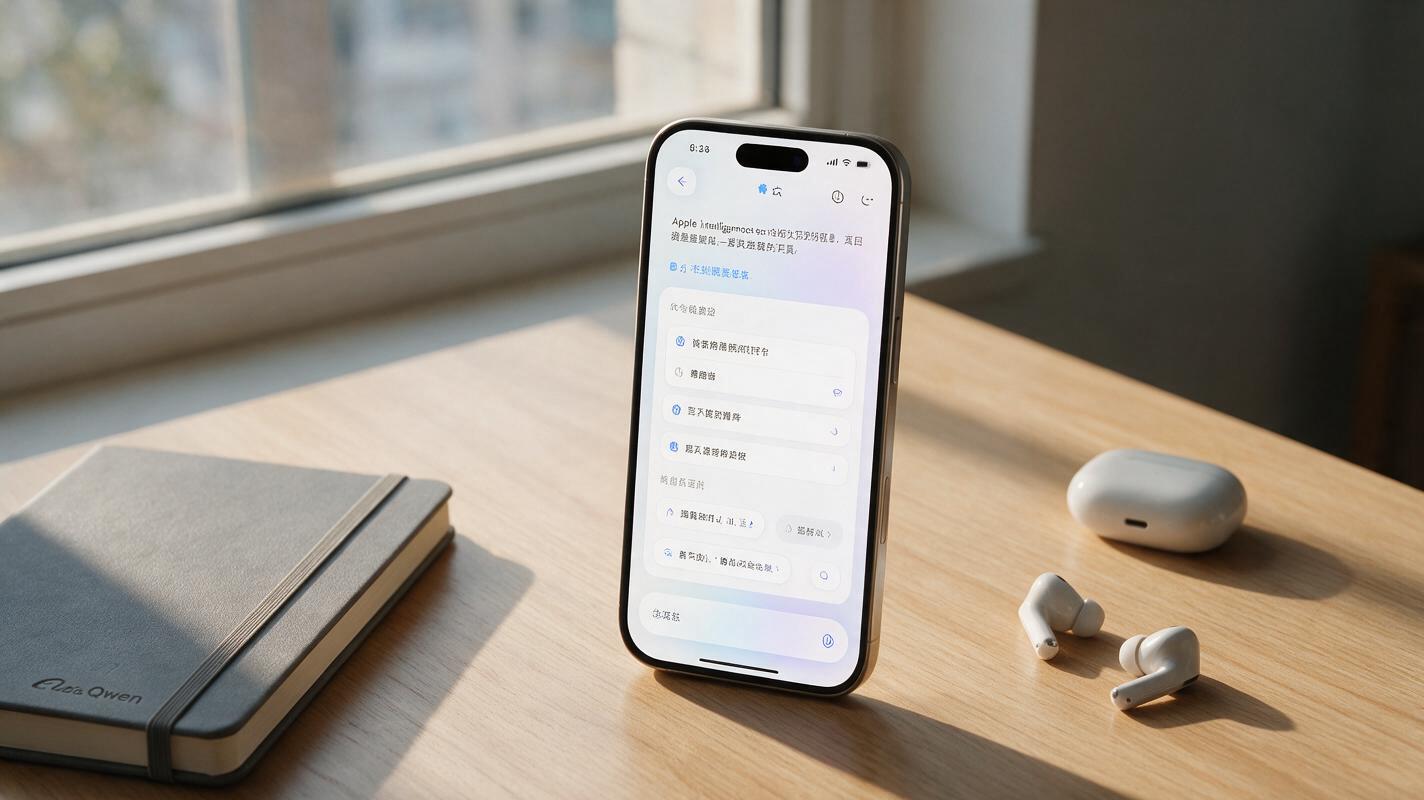
Table of contents
Apple Intelligence Cleared for China Beta Launch
Apple has received regulatory approval to launch a beta version of its Apple Intelligence suite in China, according to a report from IT Times. The beta, built on Alibaba’s Qwen large language model, is scheduled to roll out later in October 2026, marking Apple’s first major AI feature release for the Chinese market. The approval comes after months of speculation about how Apple would adapt its generative AI features to comply with China’s strict data security and AI content regulations, which require domestic model partnerships for many AI services.
Unlike Apple’s global Apple Intelligence rollout, which relies heavily on on-device processing and Apple’s own internal models, the Chinese beta will use Alibaba’s Qwen as its foundational model. This partnership approach aligns with common practice for foreign tech firms operating in China’s AI space, where local model providers have already gone through required regulatory reviews and data localization checks. Apple has not yet disclosed the full scope of the beta’s availability or how many users will be invited to participate in the initial rollout.
Key Details of the Initial Beta Release
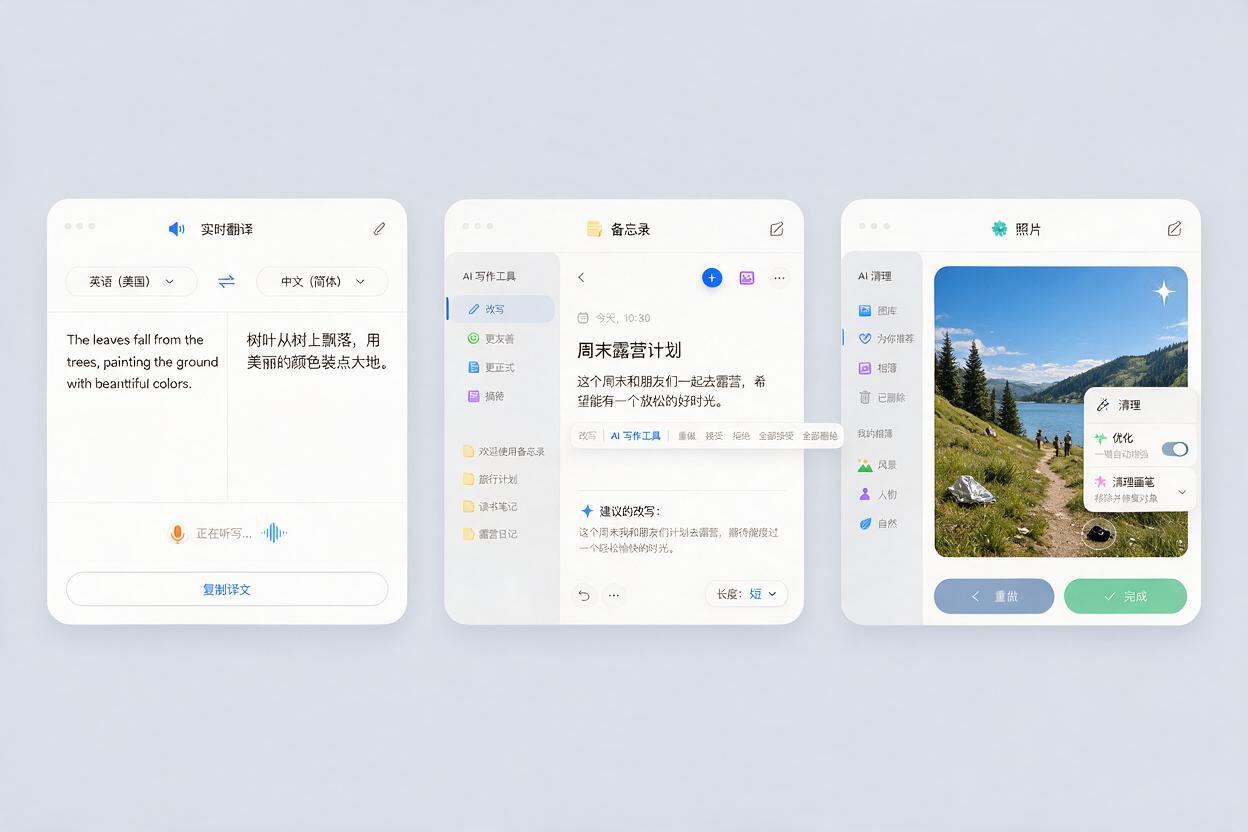
The first batch of the Apple Intelligence China beta will include three core feature sets, tailored to common user needs while staying within approved use cases.
- Live translation: Real-time translation support across Apple apps, designed to help users communicate across languages and access international content.
- Writing tools: AI-powered writing assistance for text editing, rewriting, and formatting, integrated into native Apple apps like Notes and Pages.
- Photo cleanup: AI-powered photo editing tools that can remove unwanted objects, adjust lighting, and enhance image quality directly in the Photos app.
Notably, Siri AI will not be included in the first batch of the beta. Apple has not provided a timeline for when Siri’s AI features might launch in China, but the omission suggests that voice-based AI assistants face additional regulatory scrutiny or technical adaptation requirements in the market. The beta’s focus on text, translation, and image editing aligns with the types of AI features that have already been approved for domestic Chinese AI platforms.
The decision to build the beta on Alibaba’s Qwen also highlights the growing dominance of domestic AI models in the Chinese market. Qwen, developed by Alibaba Cloud, is one of China’s most widely used large language models, with versions optimized for everything from consumer apps to enterprise deployments. By partnering with an established local provider, Apple can reduce regulatory risk and speed up its time to market for AI features in China, one of its largest regional markets.
Why This Matters for the Broader AI Industry
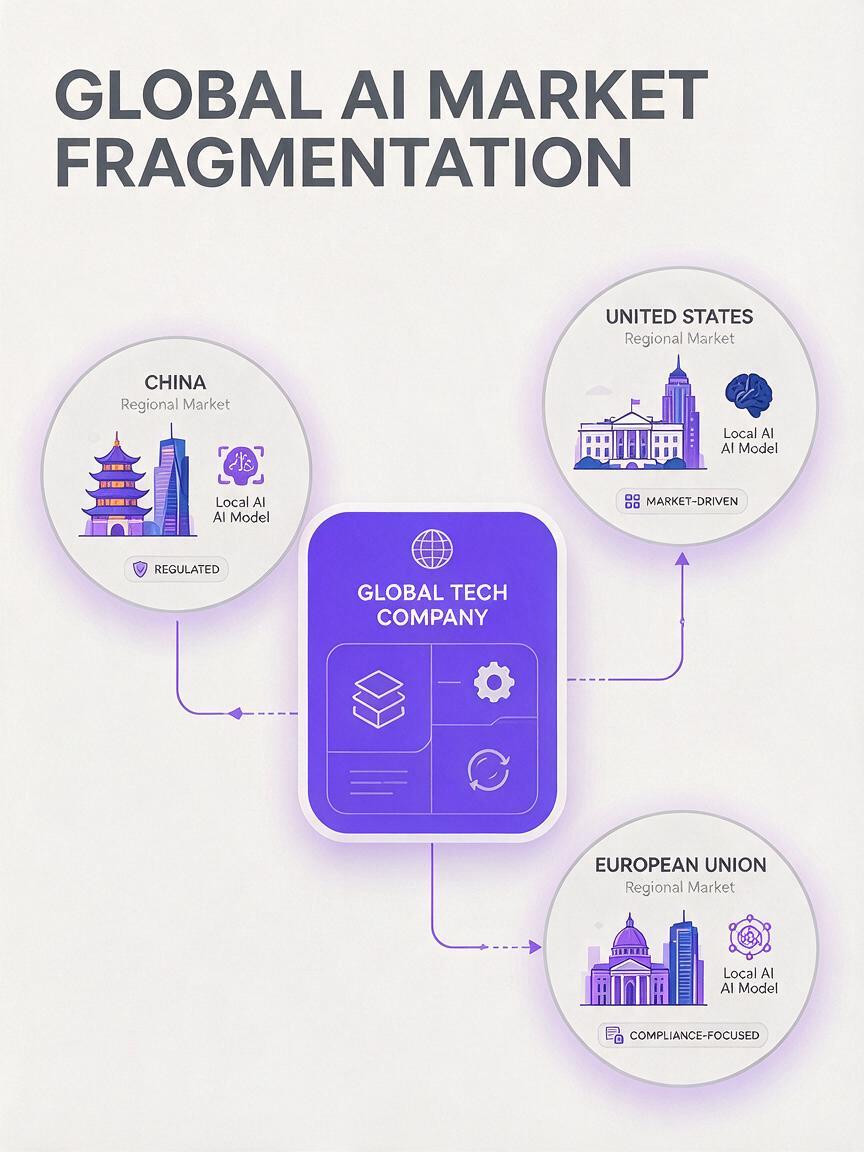
Apple’s China beta approval is a significant milestone for the global ai industry, as it underscores the ongoing fragmentation of AI access across regional markets. For global tech companies, launching AI features in different regions increasingly requires navigating distinct regulatory frameworks, data localization rules, and local model partnerships. This trend contrasts with the early days of consumer AI, where a single model or feature set could be rolled out globally with minimal adaptation.
The move also signals that Apple is prioritizing market access over full control of its AI stack in key regions. For years, Apple has emphasized on-device AI and internal model development as core differentiators, but the Chinese market’s regulatory environment has forced a more flexible approach. This shift could set a precedent for other markets where regulatory requirements or local competition make internal AI rollouts impractical.
From an investment perspective, the approval reinforces the value of regional AI leaders like Alibaba’s Qwen, which benefit from both domestic regulatory support and partnerships with global tech firms. As ai capital expenditure continues to rise globally, regional model providers are positioned to capture a growing share of market value by serving as the local foundation for global companies’ AI offerings.
What This Means for Content Creators
For content creators and content teams that work with Chinese audiences or operate across regional markets, the Apple Intelligence China beta has both practical benefits and important limitations. On the positive side, the built-in writing tools, photo cleanup, and live translation features will make it easier for creators using Apple devices in China to edit content, translate copy, and touch up visuals on the go, without needing to download separate third-party apps.
At the same time, the beta’s limited feature set and ecosystem lock-in create gaps for professional content teams. The lack of Siri AI in the first batch means voice-based content workflows are not supported, and the writing and photo tools are designed for basic consumer use rather than professional content production. Additionally, the features are tied exclusively to Apple devices, so creators working across Windows, Android, or web-based tools won’t be able to access them.
This is where multi-model AI platforms offer a more flexible alternative for creators with diverse workflow needs. An ai image generator can handle advanced photo editing, custom asset creation, and concept art far beyond basic cleanup tools, with support for multiple aspect ratios and styles optimized for social media, marketing, and video production. An ai script writer can generate long-form content, video scripts, social media copy, and multilingual translations, all accessible from any device with a web browser.
For teams that work across multiple regional markets, a unified multi-model platform eliminates the need to juggle different regional AI tools and ecosystem-specific features. Creators can access the same set of tools whether they’re working in China, the US, or Europe, with consistent output quality and centralized workflow management.

Key Takeaways
- Apple has received approval to launch a beta version of Apple Intelligence in China, built on Alibaba’s Qwen large language model, with a rollout scheduled for later in October 2026.
- The initial beta includes live translation, writing tools, and photo cleanup features, but Siri AI will not be available in the first batch.
- The launch highlights the growing fragmentation of the global AI industry, with regional markets requiring distinct model partnerships and regulatory compliance strategies.
- For content creators, the beta offers basic on-device AI tools for Apple users in China, but professional teams benefit from more flexible, cross-platform multi-model AI solutions.
- try these models for free to access a full suite of AI content tools that work across regions and device ecosystems.
Keywords
apple intelligence, qwen, alibaba, ai industry, china ai, writing tools, photo cleanup