Apple Intelligence Approved for China Beta, Built on Alibaba Qwen
Apple has received regulatory approval to launch a beta version of its Apple Intelligence platform in China, with the rollout scheduled for later in October 2026. The beta is built on Alibaba's Qwen large language model and includes live translation, writing tools, and photo cleanup features, though Siri AI integration is not included in the first batch. The launch has implications for content creators navigating regional AI ecosystems and multi-model workflows.
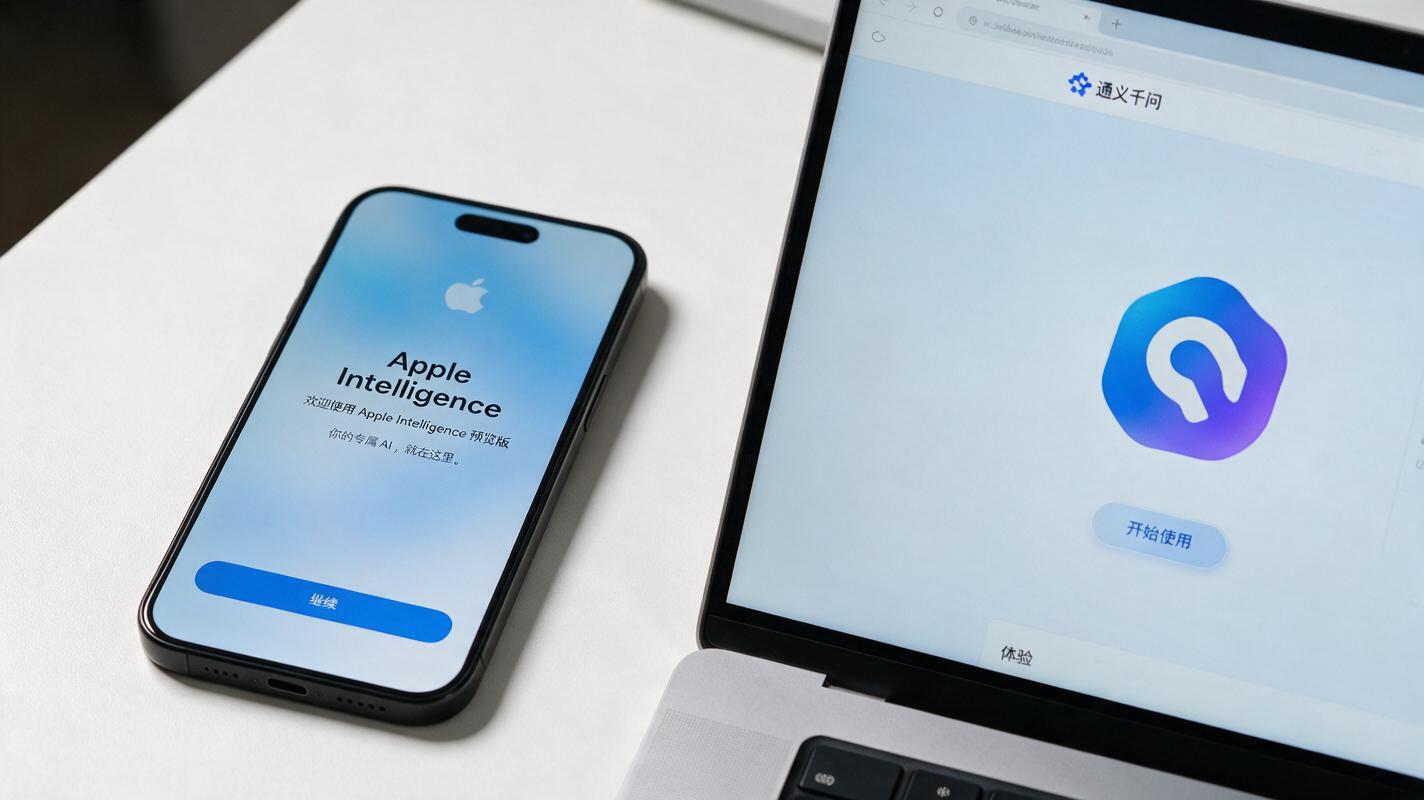
Table of contents
Apple Intelligence Cleared for China Beta Launch
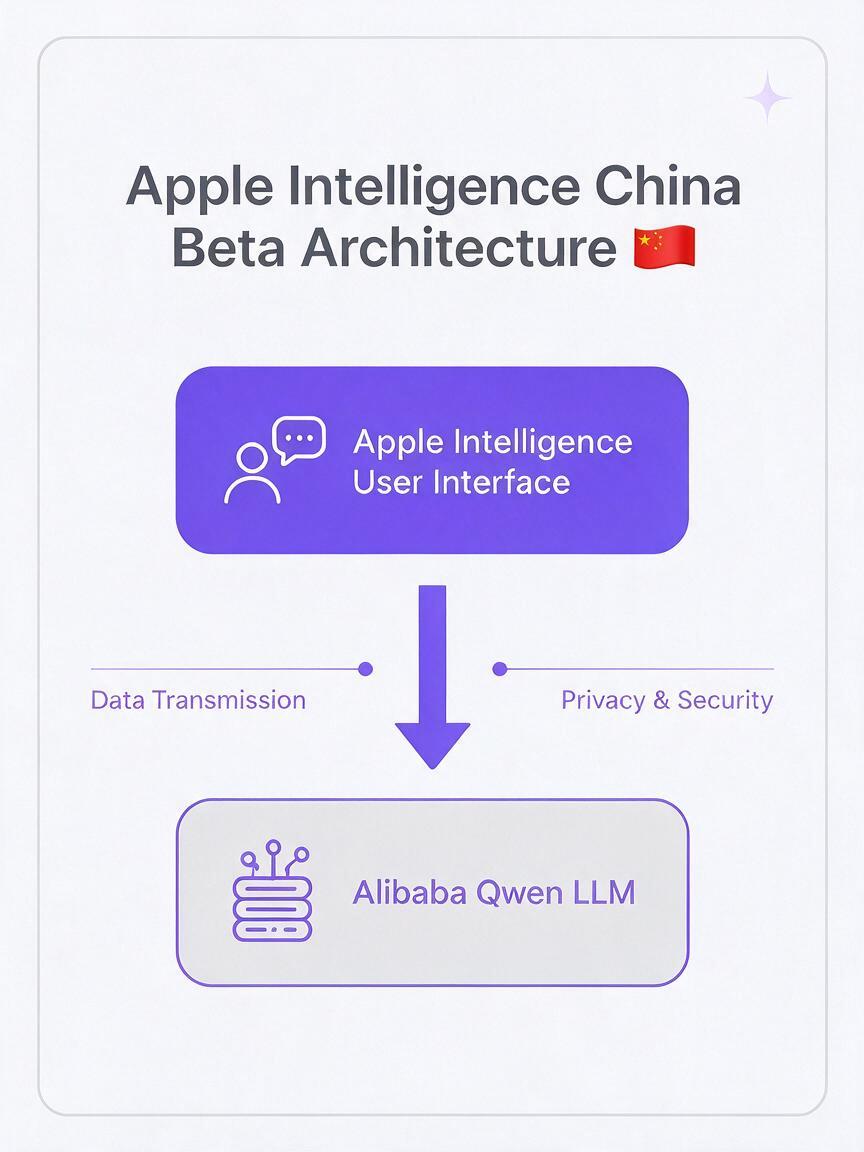
Apple has secured approval to launch a beta version of its Apple Intelligence platform in China, with the rollout expected to begin later in October 2026, according to a report from IT Times. The beta marks Apple's first public AI assistant release in the Chinese market, and it is built on top of Alibaba's Qwen large language model rather than Apple's own core models used in other regions.
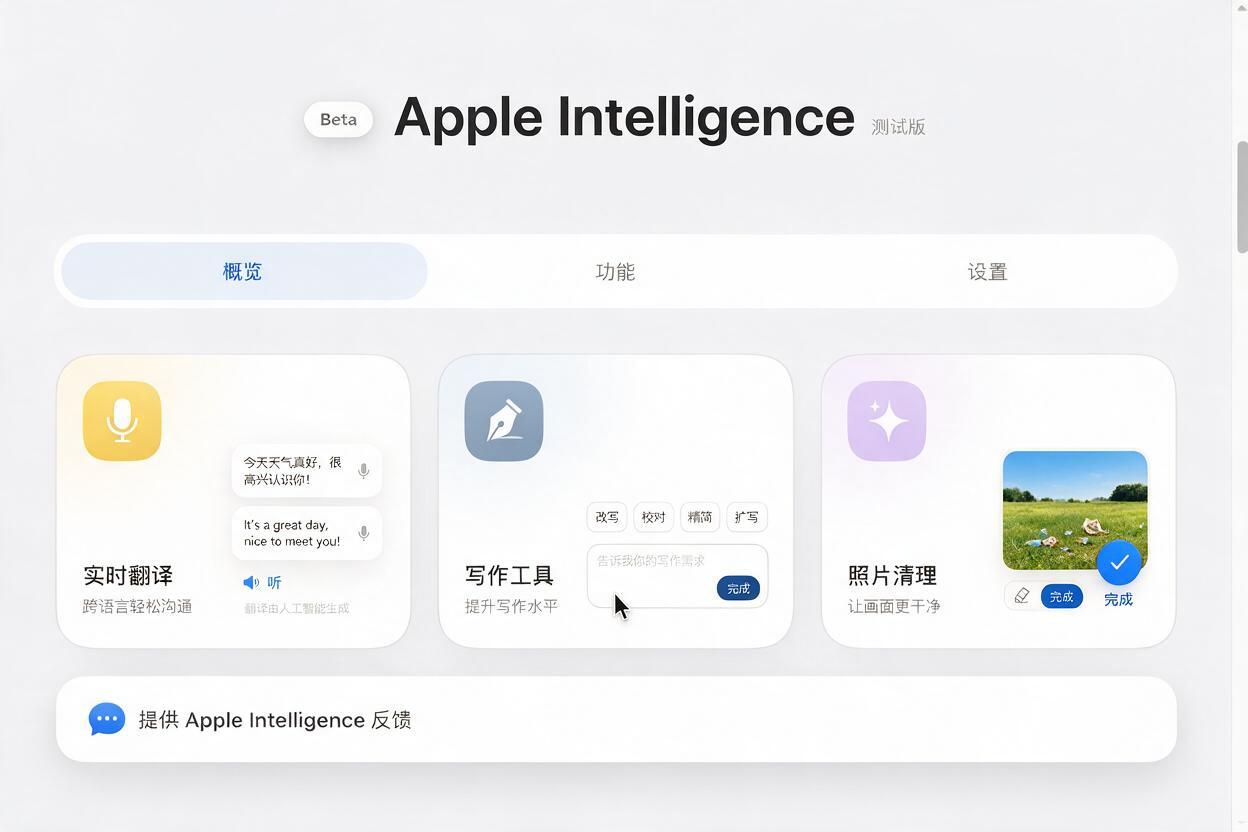
The initial beta bundle includes three core feature sets: live translation, writing tools, and photo cleanup functionality. Notably, Siri AI integration is not part of the first batch of the beta, with no additional details provided about its potential inclusion in later releases. The beta represents a localized rollout of Apple's broader AI platform, adapted for the Chinese market through the use of Alibaba's Qwen model.
The Role of Alibaba Qwen in the Localized Beta
Apple's decision to build the China beta of Apple Intelligence on Alibaba's Qwen highlights the growing role of regional AI models in global platform rollouts. Qwen is Alibaba's in-house large language model, as referenced in the approval details. By leveraging a local model for the Chinese beta, Apple is aligning its AI offering with the regional AI ecosystem.
This approach also underscores a broader industry pattern of AI platforms partnering with local providers for specific markets, rather than deploying a single global model everywhere. For users, this can mean AI tools that are more finely tuned to local language, context, and use cases, compared to generic global models.
What This Means for Content Creators
The launch of Apple Intelligence in China introduces a new set of AI tools and distribution dynamics for content creators working with or targeting Apple's user base in the region. The included features — live translation, writing tools, and photo cleanup — are directly relevant to content creation workflows, from drafting social media captions to editing visual assets and adapting content for multilingual audiences.
Beyond the tools themselves, the rollout of a major new ai assistant on a leading consumer platform signals a shift in how users interact with digital content. As ai agents become more integrated into everyday device use, creators will need to adapt their content strategies to align with AI-powered discovery and consumption patterns. This adds another layer of complexity to content creation, especially for creators working across multiple regional markets.
At the same time, the localized nature of the beta — built on a regional model rather than a global one — highlights the risk of over-reliance on a single platform's AI ecosystem. Creators who build their entire ai workflow around one provider's tools may face limitations when expanding to new markets, or when platform features change unexpectedly.
Multi-Model Platforms for Flexible Content Creation
For creators navigating an increasingly fragmented AI ecosystem, a multi-model approach offers flexibility and resilience. Instead of being locked into a single platform's AI tools, creators can access a range of specialized models for different tasks, from text and image generation to full video production. This means they can pick the best tool for each specific job, regardless of which company built it or which region they're targeting.
For example, an ai video generator can handle short-form social media content, while an ai image generator can create custom visuals to accompany written pieces. MagicBoat brings these tools together in a single, unified platform, so creators don't have to juggle multiple accounts, subscriptions, and interfaces to get their work done.
Whether you're creating content for global audiences or focusing on specific regional markets, having access to a diverse set of AI models ensures you can adapt quickly to new platform launches and changing user behavior. You can try these models for free to see how a multi-model workflow can streamline your content production process.
Key Takeaways
- Apple has received approval to launch a beta of Apple Intelligence in China, with rollout scheduled for later in October 2026.
- The beta is built on Alibaba's Qwen model and includes live translation, writing tools, and photo cleanup, with no Siri AI in the first batch.
- The launch introduces new AI tools and content dynamics for creators targeting Apple's Chinese user base.
- A multi-model AI platform like MagicBoat gives creators the flexibility to adapt to evolving regional AI ecosystems.
Keywords
apple intelligence china beta, ai assistant, alibaba qwen, apple ai, ai ecosystem, ai workflow, ai content creation