Apple Intelligence Approved for China Beta, Built on Alibaba's Qwen
Apple has received regulatory approval to launch Apple Intelligence in beta in China, with a rollout expected later this October. Built on Alibaba's Qwen large language model, the initial release will include live translation, writing tools, and photo cleanup, while Siri AI will not be part of the first batch. The approval signals Apple's growing AI ambitions in China and highlights broader trends in the global AI industry around localization and regulatory compliance.

Table of contents
Apple Intelligence Approved for China Beta Launch
Apple has received regulatory approval to launch Apple Intelligence in beta in China, marking a significant milestone for the company's AI ambitions in the world's largest smartphone market. The beta rollout is scheduled for later this October and will run on Alibaba's Qwen large language model as its foundation. The initial release will include live translation, writing tools, and photo cleanup features, though Siri AI capabilities will not be part of the first batch.
The approval comes after months of anticipation around Apple's AI strategy in China, where local players like Alibaba, Baidu, and ByteDance have already established strong positions in the generative AI space. By partnering with Alibaba and using the Qwen model as its technology base, Apple is taking a localization-first approach that aligns with China's regulatory requirements for AI services and data governance.
What the Apple Intelligence China Beta Includes
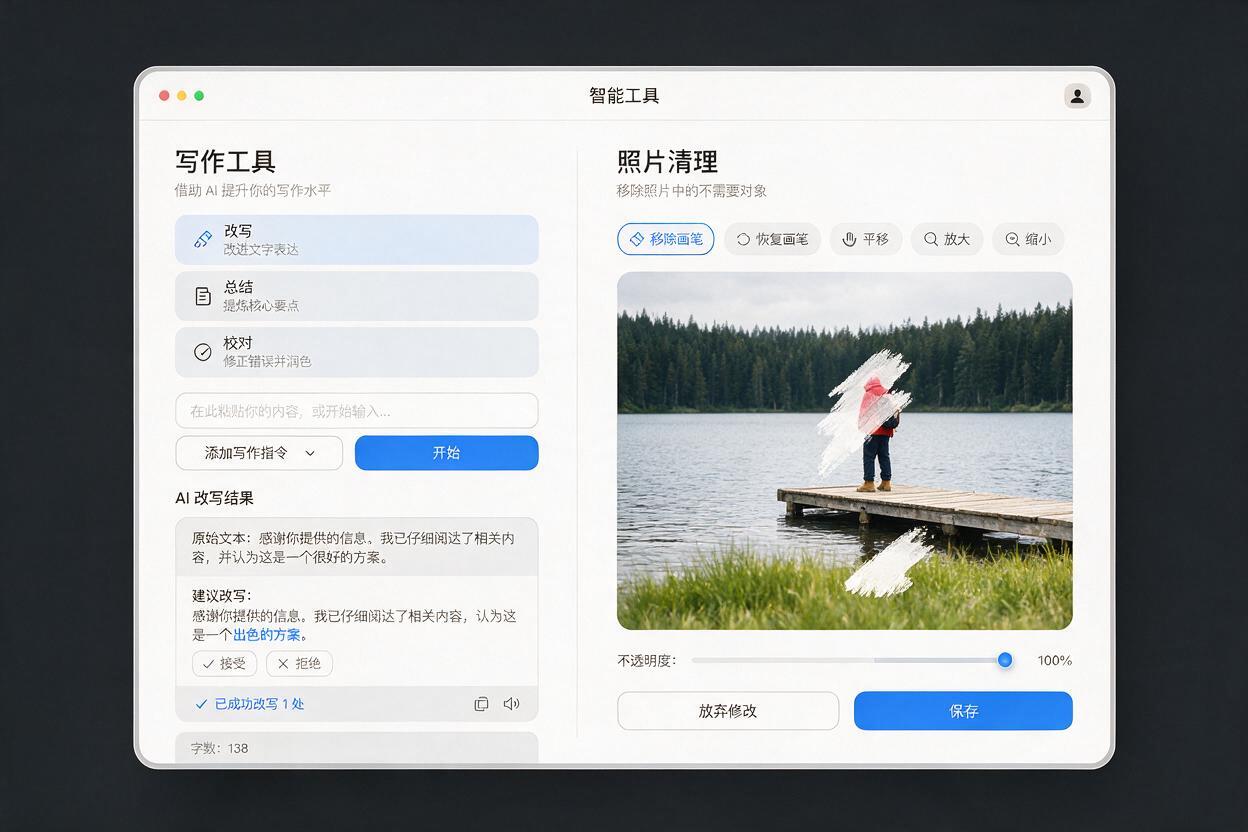
The first beta release of Apple Intelligence in China will focus on three core feature areas, with a deliberate phased rollout that excludes more advanced conversational AI capabilities for the initial launch window.
Live translation will be available across system-level interactions, allowing users to translate text, conversations, and content across apps. Writing tools will provide proofreading, rewriting, and summarization features integrated into Apple's native apps like Notes, Mail, and Pages. Photo cleanup will bring intelligent object removal and image enhancement tools directly to the Photos app, leveraging on-device processing where possible to maintain user privacy.
Notably, Siri AI — the more advanced conversational version of Siri powered by Apple Intelligence — will not be included in the first beta batch. The omission suggests Apple is taking a cautious approach to the China rollout, starting with features that have clearer use cases and potentially simpler regulatory pathways before introducing full conversational AI capabilities to the market.
Why Alibaba's Qwen Model Matters
Apple's decision to build Apple Intelligence on Alibaba's Qwen model for the China market is both a practical and strategic choice. Qwen is one of China's most widely adopted open-source foundation models, with strong performance in Chinese language understanding, generation, and cultural context. By using a locally developed model, Apple can ensure better linguistic accuracy and more relevant results for Chinese users than a Western-trained model might deliver.
The partnership also reflects the broader reality of the AI industry: deploying AI services in China requires working with domestic technology partners and complying with local data residency and content regulation requirements. For Apple, which has historically maintained tight control over every layer of its software ecosystem, the Qwen integration represents a notable shift toward more localized technology partnerships in key international markets.

What This Means for the AI Industry
The approval of Apple Intelligence in China sends several important signals about the direction of the global AI industry. First, it confirms that China remains a critical market for AI deployment, with even the world's largest consumer technology company willing to adapt its technology strategy and partner with local players to meet market access requirements. The Qwen partnership also underscores the growing importance of regional foundation models, rather than a single global model, as the AI industry matures and regulatory environments diverge across countries.
For the broader ai industry landscape, the rollout highlights the ongoing tension between platform control and market-specific localization. Apple's approach — using a local model foundation while maintaining its own user experience layer and integration framework — could become a template for other Western AI companies looking to enter or expand in heavily regulated markets. The phased rollout strategy, starting with less controversial productivity features before introducing open-ended conversational AI, is also likely to be studied by other vendors navigating complex regulatory environments around the world.
Implications for AI Content Creators
For content creators and content teams working with Chinese audiences or operating in the China market, the arrival of Apple Intelligence brings both opportunities and practical considerations. On-device writing tools, translation features, and photo editing capabilities will make it easier for creators using Apple hardware to produce and refine content directly on their devices, without switching between multiple apps or third-party services.
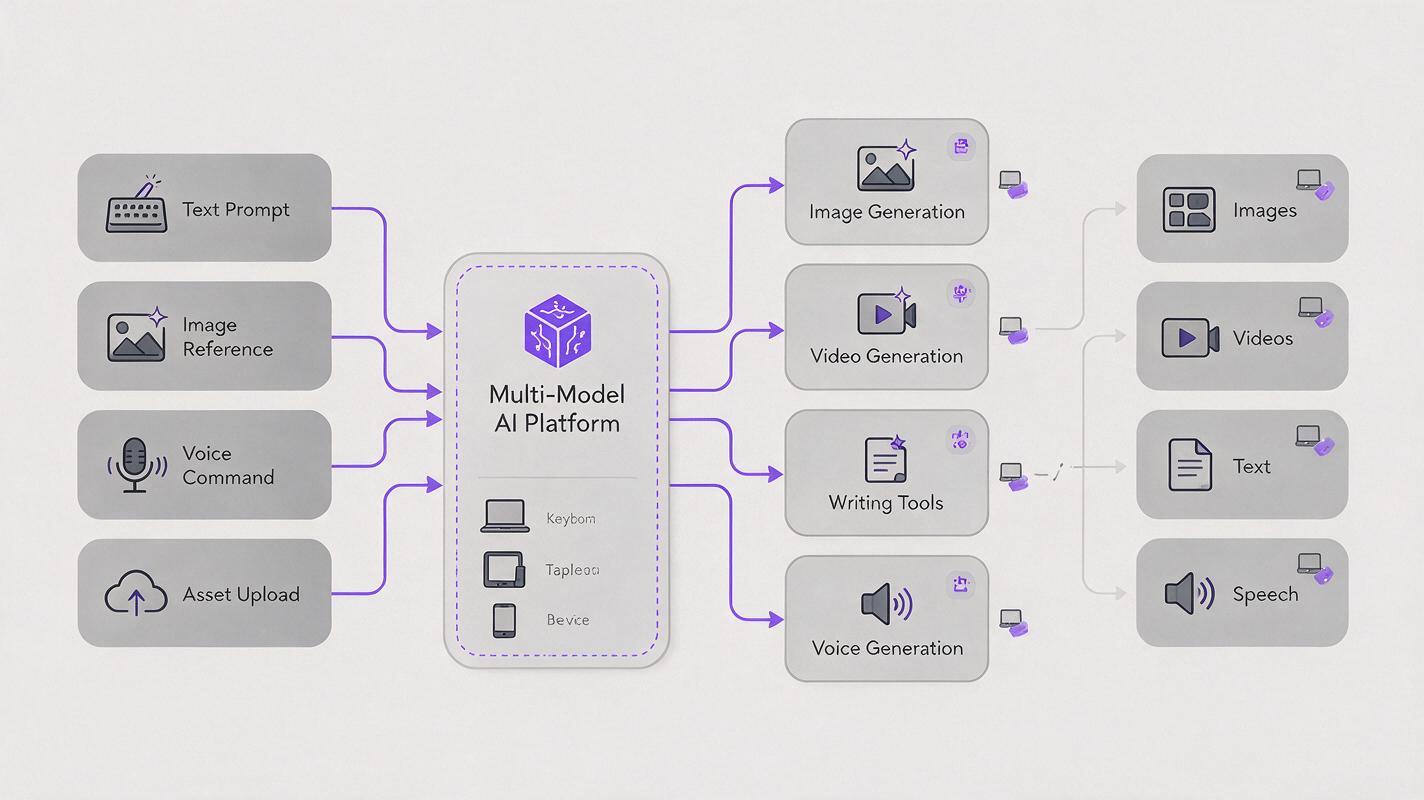
However, relying exclusively on device-specific AI tools has meaningful limitations. Feature availability can vary significantly by region, model capabilities are tied to hardware generations and upgrade cycles, and creators working across multiple platforms or device ecosystems may find inconsistent experiences that slow down production. That's why many professional content teams are turning to multi-model AI platforms that provide consistent access to tools like ai image generator and ai video generator regardless of device, operating system, or geographic location.
A unified platform approach also helps teams manage ai video cost and overall production budgets more predictably, since pricing and access remain consistent across regions and do not depend on specific hardware purchases. For teams producing content for both Chinese and global audiences, having a single set of AI tools that work everywhere reduces workflow friction, simplifies team collaboration, and ensures output quality stays consistent across every market you serve.
Key Takeaways
- Apple Intelligence has received approval for a China beta launch later this October, built on Alibaba's Qwen large language model
- Initial features include live translation, writing tools, and photo cleanup; Siri AI will not be included in the first beta batch
- The localization strategy reflects broader ai industry trends toward regional models and market-specific regulatory adaptation
- Content creators should consider platform-agnostic AI tools to ensure consistent capabilities across devices, operating systems, and geographic markets
- Multi-model platforms provide reliable access to creative AI tools without regional restrictions or hardware upgrade dependencies
Ready to explore a full suite of AI creative tools that work across all your devices and every market you serve? try these models for free and see how a multi-model platform can streamline your entire content workflow.
Keywords
apple intelligence china beta, ai industry, qwen, alibaba qwen, apple china ai, siri ai, ai image generator