Apple Intelligence Approved for China Beta, Built on Alibaba Qwen
Apple has received regulatory approval to launch a beta version of its Apple Intelligence service in China, with rollout expected later in October 2026. The beta will run on Alibaba’s Qwen large language model and include live translation, writing tools, and photo cleanup, with Siri AI not included in the first batch. The rollout marks a key milestone for Apple’s AI expansion in one of its largest global markets.
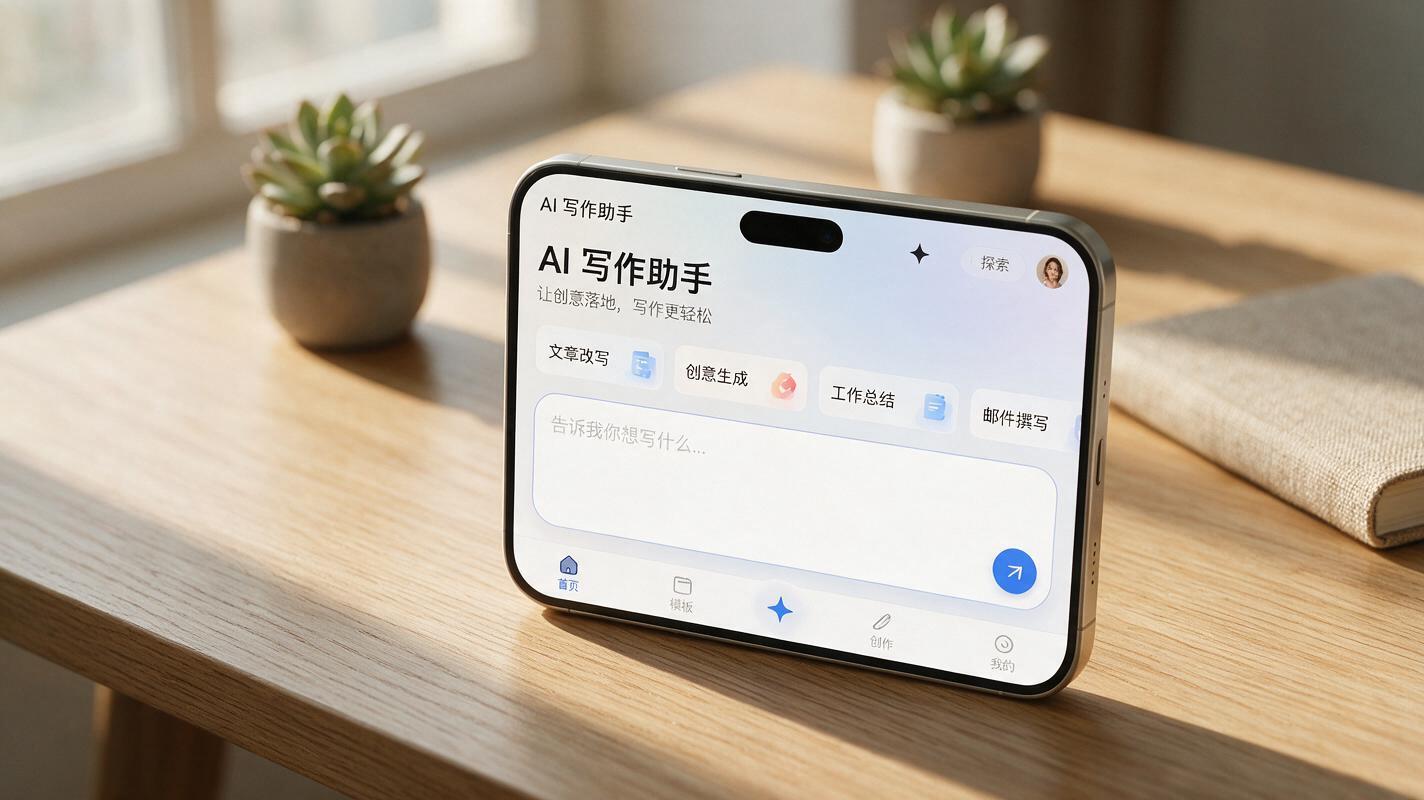
Table of contents
Apple’s long-awaited AI service is nearing launch in the world’s largest smartphone market.
Apple has received official approval to launch a beta version of its Apple Intelligence service in China, with rollout scheduled to begin later in October 2026. The milestone represents a significant advance for Apple’s global AI strategy, as it brings its in-house AI feature set to one of its most important consumer markets, where local tech giants have already established widespread AI-powered services across mobile devices.
Notably, the China beta of Apple Intelligence will be powered by Alibaba’s Qwen large language model, marking a high-profile partnership between Apple and one of China’s leading AI developers. The initial feature set focuses on productivity and creativity tools tailored for Chinese users, with live translation, writing assistance, and photo cleanup all included in the first beta release. Siri AI will not be part of the initial beta batch, with additional features expected to roll out as testing progresses.
What’s Included in the First Apple Intelligence China Beta
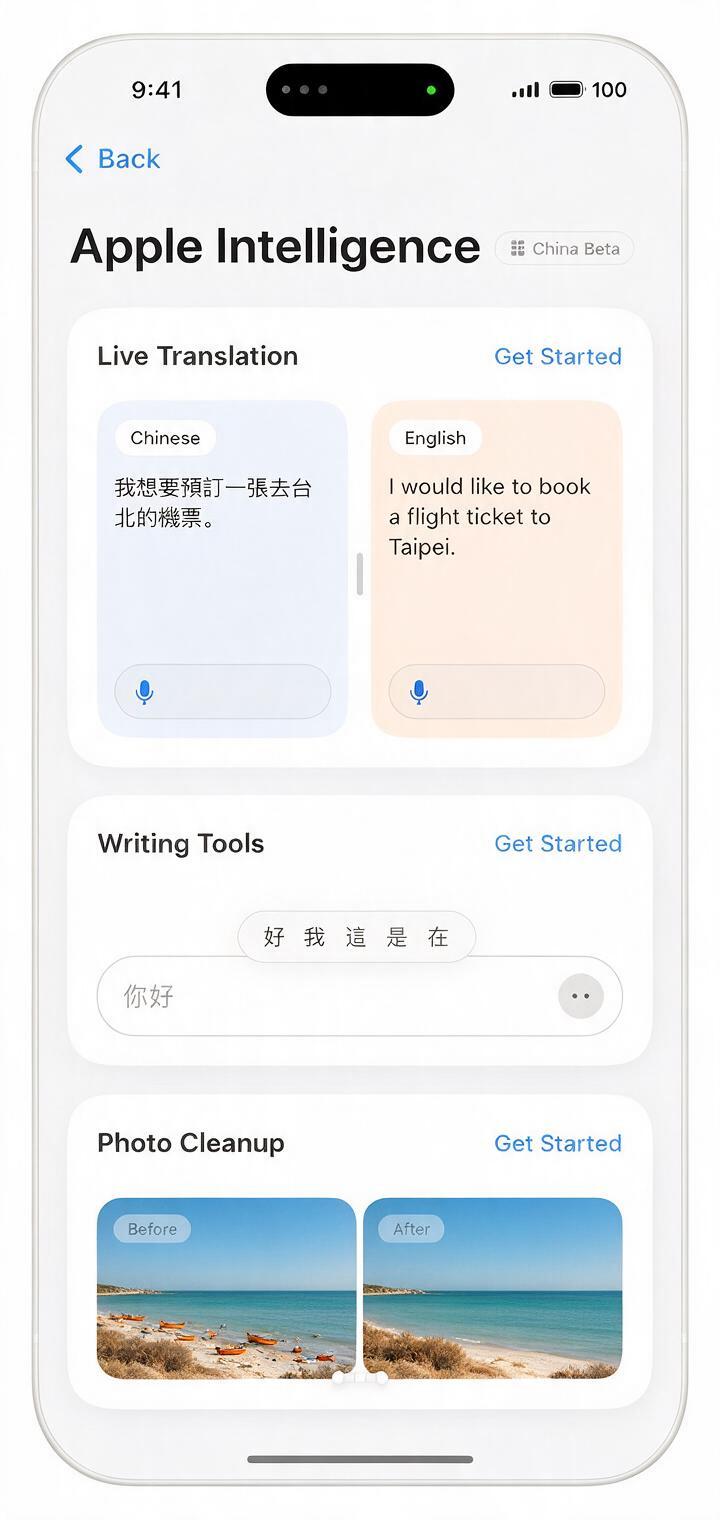
The first beta release of Apple Intelligence for China centers on three core feature areas designed to integrate seamlessly with daily device use. Live translation capabilities will let users translate text, speech, and conversations across Chinese and multiple other languages directly within system apps and third-party applications that support the feature.
Writing tools will offer grammar and style suggestions, text expansion, and content drafting support for Chinese-language writing, across apps like Notes, Mail, and third-party productivity tools. Photo cleanup features will let users remove unwanted objects, adjust lighting, and enhance image quality directly in the Photos app, with on-device processing for privacy where possible.
Notably absent from the first beta batch is Siri AI integration. Apple has not shared a timeline for when Siri AI will be added to the China version of Apple Intelligence, but the phased rollout approach aligns with the company’s typical beta testing strategy for new features in regulated markets.
Why Alibaba’s Qwen Model Powers the China Rollout
The use of Alibaba’s Qwen model for the China beta of Apple Intelligence represents a significant collaboration between two global tech leaders. Qwen is Alibaba’s flagship large language model family, with variants optimized for everything from consumer chatbots to enterprise AI workflows. The model is widely used across China’s tech ecosystem, powering services from e-commerce tools to productivity apps.
For Apple, partnering with a local AI provider for the China market allows the company to deliver AI features tailored to local user needs and language requirements, while leveraging a model already well-established in the region. The partnership also reflects the broader pattern of global AI companies working with local providers to deliver region-specific AI services, as different markets have unique content, language, and operational requirements.
What This Means for AI Content Creators
The launch of Apple Intelligence in China opens up new opportunities for content creators who produce content for Chinese audiences, or who manage cross-market content strategies across global and Chinese platforms. The built-in translation and writing tools will make it easier for creators to draft and localize Chinese-language content directly from their Apple devices, reducing the need for separate translation or writing tools.
For video creators, the photo cleanup and editing features can speed up visual asset production for short-form video platforms, which remain hugely popular in China. Creators who already use Apple devices for their workflow will be able to integrate these new AI tools directly into their existing process, without switching between multiple devices or services.
At the same time, the rollout highlights the growing fragmentation of global AI ecosystems, with different regions relying on different underlying models and feature sets. Creators serving multiple markets need workflows that can adapt to different AI tools and models, rather than being locked into a single platform or device ecosystem. Pairing on-device AI tools with a cloud-based ai video generator lets creators scale localized content production while maintaining flexibility across markets.
Building Resilient Cross-Market AI Workflows
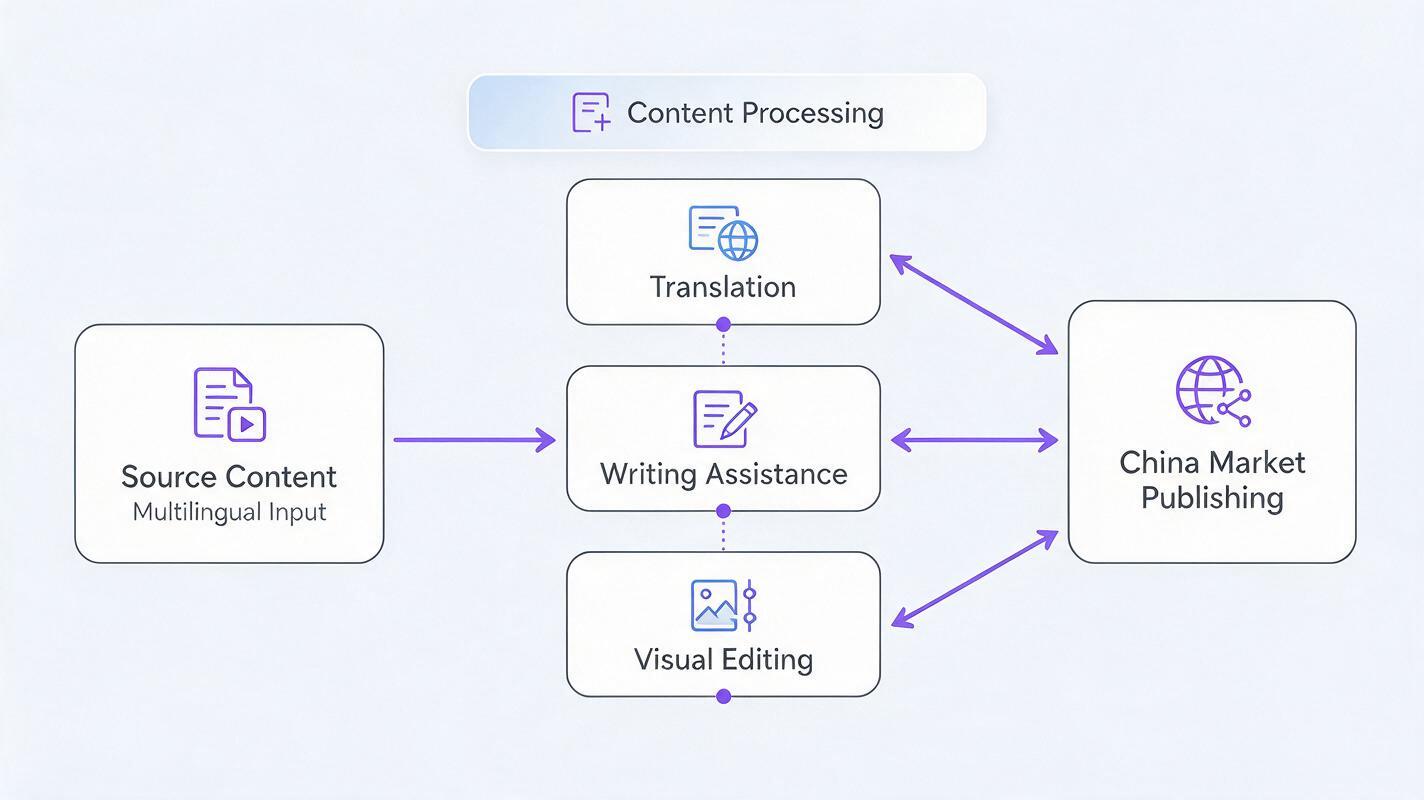
As AI ecosystems continue to diverge across regions, creators who work across multiple markets benefit from flexible, multi-model AI platforms that bring a range of tools together in one place. Instead of managing separate subscriptions and accounts for writing tools, translation services, video generation, and image editing, a unified platform lets creators access all the tools they need from a single dashboard.
This approach also reduces the risk of workflow disruption if a specific model or feature is unavailable in a certain region, or if a platform changes its feature set. Creators can switch between different models and tools depending on the content type and target market, ensuring consistent output regardless of regional AI ecosystem differences.
For example, a creator producing content for both global and Chinese audiences can use an ai script writer to draft initial content, use translation tools to adapt it for Chinese audiences, generate video assets with region-appropriate visuals, and edit the final product — all within the same platform. This streamlines the entire production process and reduces the time spent switching between tools.
MagicBoat offers a full suite of AI content creation tools, from image and video generation to script writing, voiceover, and more, all accessible from a single account. The platform supports multiple models and use cases, making it easy for creators to build flexible workflows that work across different markets and content types. If you’re ready to build a more resilient cross-market content workflow, you can try these models for free and find the combination of tools that works best for you.

Key Takeaways
- Apple has received approval to launch a beta version of Apple Intelligence in China, with rollout expected later in October 2026.
- The China beta is powered by Alibaba’s Qwen large language model and includes live translation, writing tools, and photo cleanup, with no Siri AI in the first batch.
- The rollout creates new opportunities for content creators serving Chinese audiences, with built-in AI tools for translation, writing, and visual editing on Apple devices.
- Multi-model AI platforms help creators build resilient, cross-market workflows that adapt to different regional AI ecosystems and reduce reliance on any single platform or device.
Keywords
apple intelligence, qwen, ai assistant, china ai beta, apple ai, alibaba qwen, ai ecosystem