Apple Intelligence China Beta Approved With Alibaba Qwen
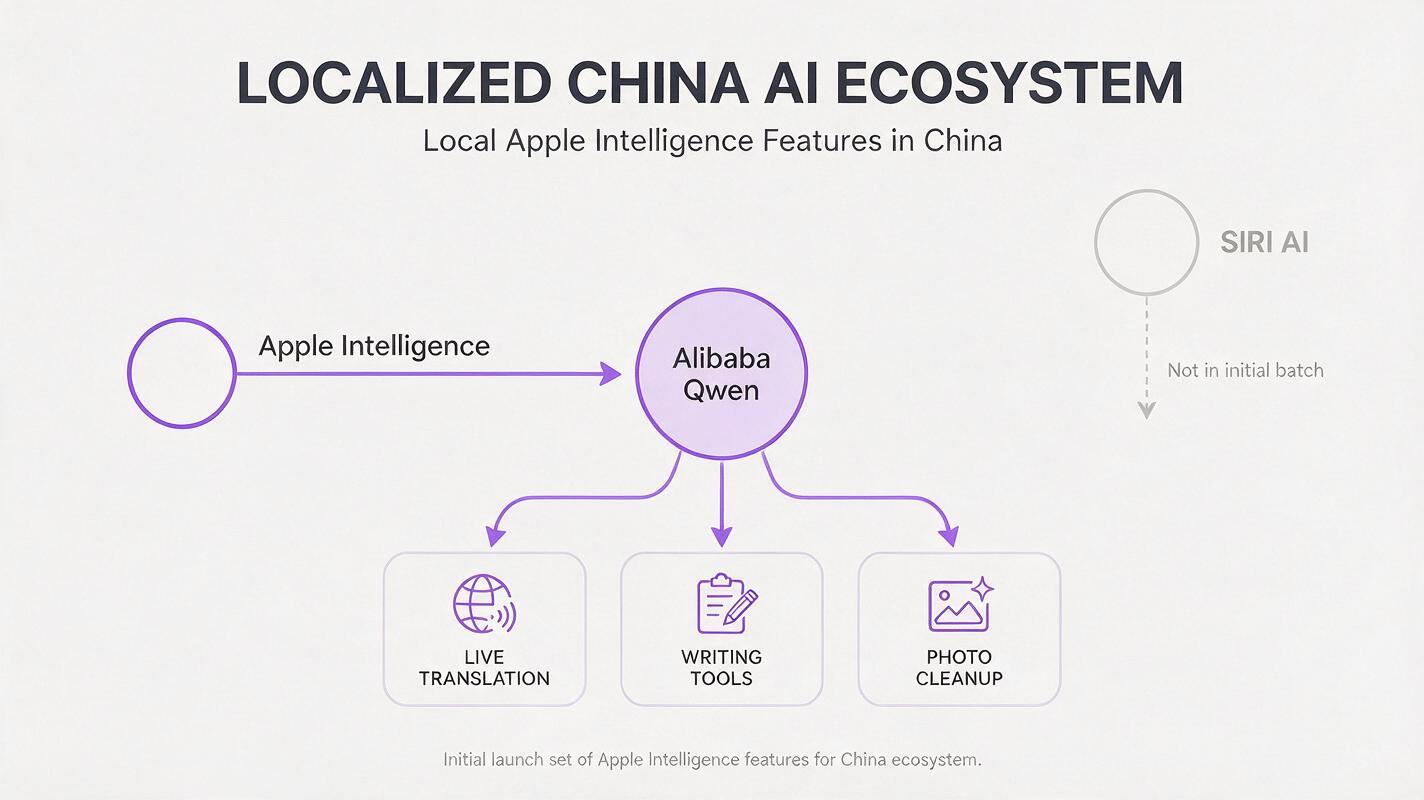
Apple Intelligence has reportedly received approval for a beta launch in China, with Alibaba’s Qwen supporting the localized system. The late-October rollout is set to include live translation, writing tools and photo cleanup, while Siri AI will not appear in the first batch.

Table of contents
Apple Intelligence China Beta Moves Toward a Late-October Rollout
Apple Intelligence has reportedly received approval to launch in beta in China, clearing the way for a rollout later in October 2026. The localized system is built on Alibaba’s Qwen, making the Chinese AI model a central part of Apple’s planned entry into this market.
The first batch is expected to include live translation, writing tools and photo cleanup. Siri AI, however, will not be part of that initial release. That distinction matters because the approval covers a defined collection of practical AI functions rather than a simultaneous introduction of every element associated with Apple’s broader intelligence strategy.
The report therefore carries two separate signals. Apple is advancing a locally supported AI system for China, but it is also staging availability by launching selected capabilities first. Approval, beta access and complete feature availability should not be treated as interchangeable milestones.
For creative teams, the immediate significance lies in the arrival of familiar production functions inside a major device ecosystem. Translation, writing assistance and image cleanup can influence how multilingual copy, visual assets and regional campaign materials move through an everyday AI workflow.
Why Alibaba Qwen Is Central to the Announcement
The reported use of Alibaba’s Qwen is not a minor technical footnote. It identifies the model foundation supporting Apple Intelligence in China and places the launch within a localized AI ecosystem rather than presenting it as a direct copy of Apple’s approach elsewhere.
That localization has editorial consequences. Coverage should clearly connect Qwen to the China beta without extending the report into unsupported claims about performance, model versions or additional functions. The confirmed capability list is narrow: live translation, writing tools and photo cleanup.
The essential news: Apple Intelligence received approval for a China beta built on Alibaba’s Qwen, with selected features expected later in October and Siri AI excluded from the first batch.
This also illustrates a wider change in the AI assistant market. A visible consumer-facing assistant may depend on different model and platform arrangements across regions, even when users encounter those capabilities under one product family. For publishers and production teams, model provenance, regional availability and feature timing are becoming part of routine technology assessment.
What the Initial Feature Mix Means for Content Production
The three reported functions correspond to distinct parts of content work, but they should not be conflated with a complete autonomous production system.
| Reported capability | Relevant content task | Editorial boundary |
|---|---|---|
| Live translation | Reviewing or adapting material across languages | Human review remains important for tone and context |
| Writing tools | Drafting, revising and condensing copy | The report does not specify every supported format or function |
| Photo cleanup | Refining visual assets before publication | It should not be described as a complete image-generation suite |
| Siri AI | Potential assistant-led interaction | Explicitly absent from the first batch |
The staged feature set favors focused assistance over a single all-encompassing ai agent. A marketer might use translation when localizing copy, writing support when developing variants and cleanup when preparing an existing image. Those activities can reduce friction, but they still require a coherent editorial brief and quality control.
Creative teams can apply the same principle beyond device-level tools. A dedicated ai script writer can support narrative development, while an ai image generator can address visual ideation. Keeping each capability tied to a defined production need makes the overall process easier to review.
Siri AI’s Absence Defines the First Release
One of the most important details is what the first batch will not contain. Siri AI is excluded, so describing the late-October beta as a complete Siri-centered launch would overstate the report.
This gap also separates two kinds of AI experience. Writing, translation and photo cleanup are bounded tools with relatively clear inputs and outputs. A broader ai assistant can become a coordinating layer that interprets intent and connects multiple activities. Apple’s reported rollout begins with the former category rather than delivering the latter in full.
For newsrooms and brand teams, that distinction should shape both headlines and production planning. A beta approval confirms movement toward availability, but it does not guarantee that every anticipated assistant function is ready. Campaigns should be based on capabilities that are actually included, not on assumptions about what may arrive later.
A Multi-Model Workflow Reduces Platform Dependence
Apple’s China plan highlights why content operations should not depend entirely on one device assistant or one regional release schedule. AI services can differ by market, and capabilities may arrive in separate batches. Even when a platform has received approval, individual functions can remain unavailable.
A multi-model environment offers a practical alternative for production continuity. MagicBoat brings several creation capabilities into one account, allowing teams to move between scripting, imagery and video-oriented work without building the entire pipeline around a single assistant launch.
This does not make local platform developments irrelevant. Device-level writing, translation and cleanup may become useful entry points. The stronger approach is to combine those conveniences with a portable content brief containing the approved facts, audience, tone, visual direction and required deliverables.
That structure also helps teams manage ai automation responsibly. Human reviewers can verify translations, check that cleaned images preserve important details and confirm that generated copy does not introduce claims absent from the source material. Automation then accelerates production without becoming the final editorial authority.
Building Accurate Coverage Around a Beta Launch
The Apple Intelligence China report contains several labels that should remain visible in derivative content: approved, beta, later this October and first batch. Removing those qualifiers can turn a limited, staged rollout into an inaccurate claim of universal availability.
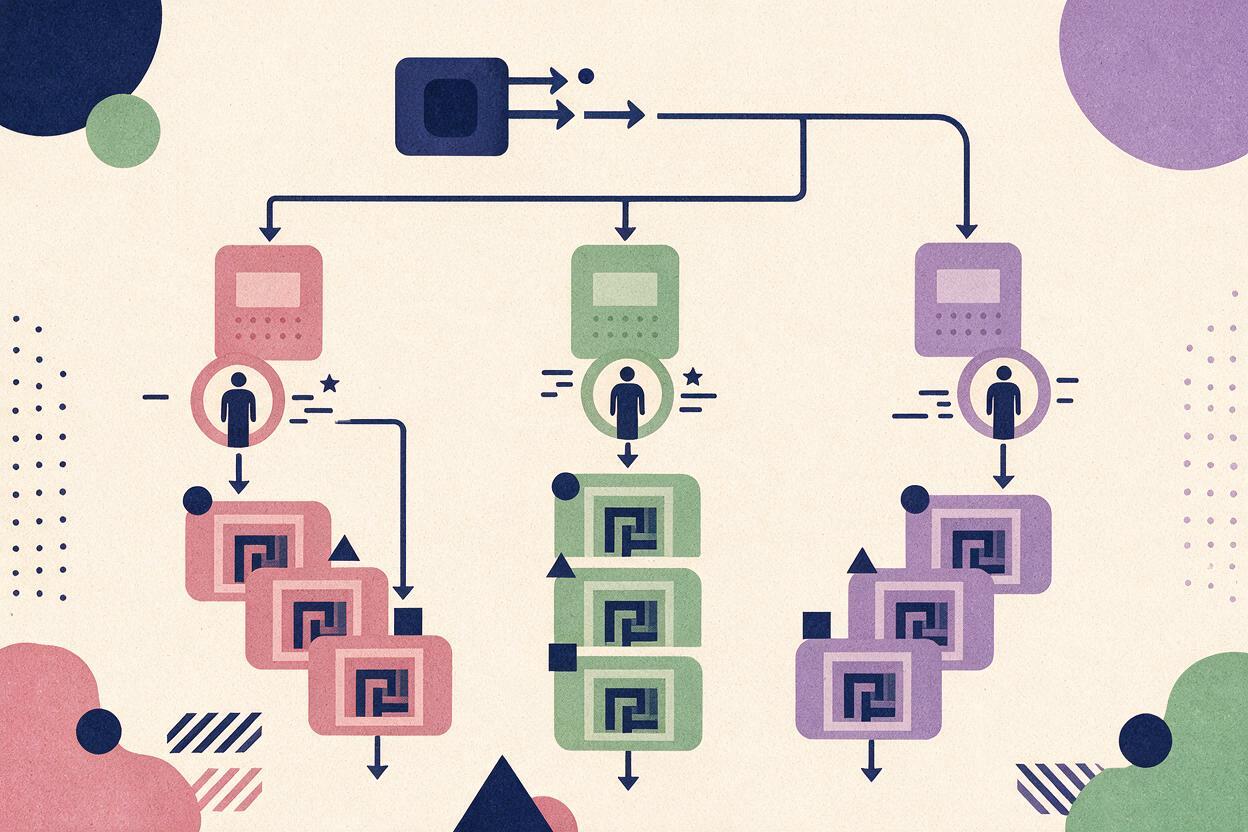
A disciplined content package can reuse the same verified fact set across multiple formats:
- A concise news post focused on the approval and Qwen partnership.
- A social caption emphasizing the initial capability list.
- A visual card separating included functions from Siri AI.
- A short commentary explaining why regional AI launches may use localized model infrastructure.
Each asset should preserve the boundary between confirmed information and interpretation. Commentary may discuss the implications of localized models or staged releases, but it should not invent benchmarks, pricing, hardware requirements or a date for Siri AI.
This fact-controlled approach is especially useful in an ai video workflow, where a mistaken line can spread into narration, captions and visuals at once. A verified source brief gives every production element the same factual foundation.
Why This Launch Matters Beyond Apple
The deeper story is the changing shape of global AI distribution. Major technology platforms are not merely shipping one identical assistant everywhere. They may work through regional model ecosystems, regulatory approvals and phased capability releases.
For audiences, that can create different experiences depending on location and timing. For content teams, it increases the value of flexible tools and explicit availability language. The relevant question is no longer only which ai assistant appears most capable. Reliability, regional access and the exact functions available today also influence platform selection.
Apple Intelligence entering beta in China with Alibaba’s Qwen is therefore both a product event and an ecosystem event. Its opening feature set is practical but limited, and the absence of Siri AI keeps expectations grounded. As the personal-assistant market expands, teams that maintain portable briefs and multi-model production options will be better prepared for changing release schedules.
Key Takeaways
- Apple Intelligence reportedly received approval for a beta launch in China.
- The localized system is built on Alibaba’s Qwen.
- The rollout is expected later in October 2026.
- Live translation, writing tools and photo cleanup are included in the first batch.
- Siri AI is not included in that initial release.
- Creative teams should distinguish beta approval from complete feature availability.
- A portable, multi-model workflow can reduce dependence on one regional platform rollout.
To explore a flexible production environment for scripts, images and video projects, try these models for free.
Reporting note: The launch details discussed here are attributed to the October 16 report identified as IT Times in the supplied hot-topic material.
Keywords
apple intelligence china, alibaba qwen, apple ai china, live translation, writing tools, photo cleanup, ai workflow