Apple iPhone + HomeView Combos Sell Out After Welcome Home Event
Following Apple's October 2026 'Welcome Home' smart-home event, iPhone bundles paired with the new HomeView hub, HomePod mini, and Apple TV 4K have reportedly sold out, signaling strong consumer reception for the company’s AI-powered connected home ecosystem. The sellout validates early demand for integrated Apple smart-home setups, with direct implications for content creators adapting to square glanceable displays and AI-enabled household devices. This analysis breaks down the report details, industry context, and actionable takeaways for content teams building for multi-device AI ecosystems.
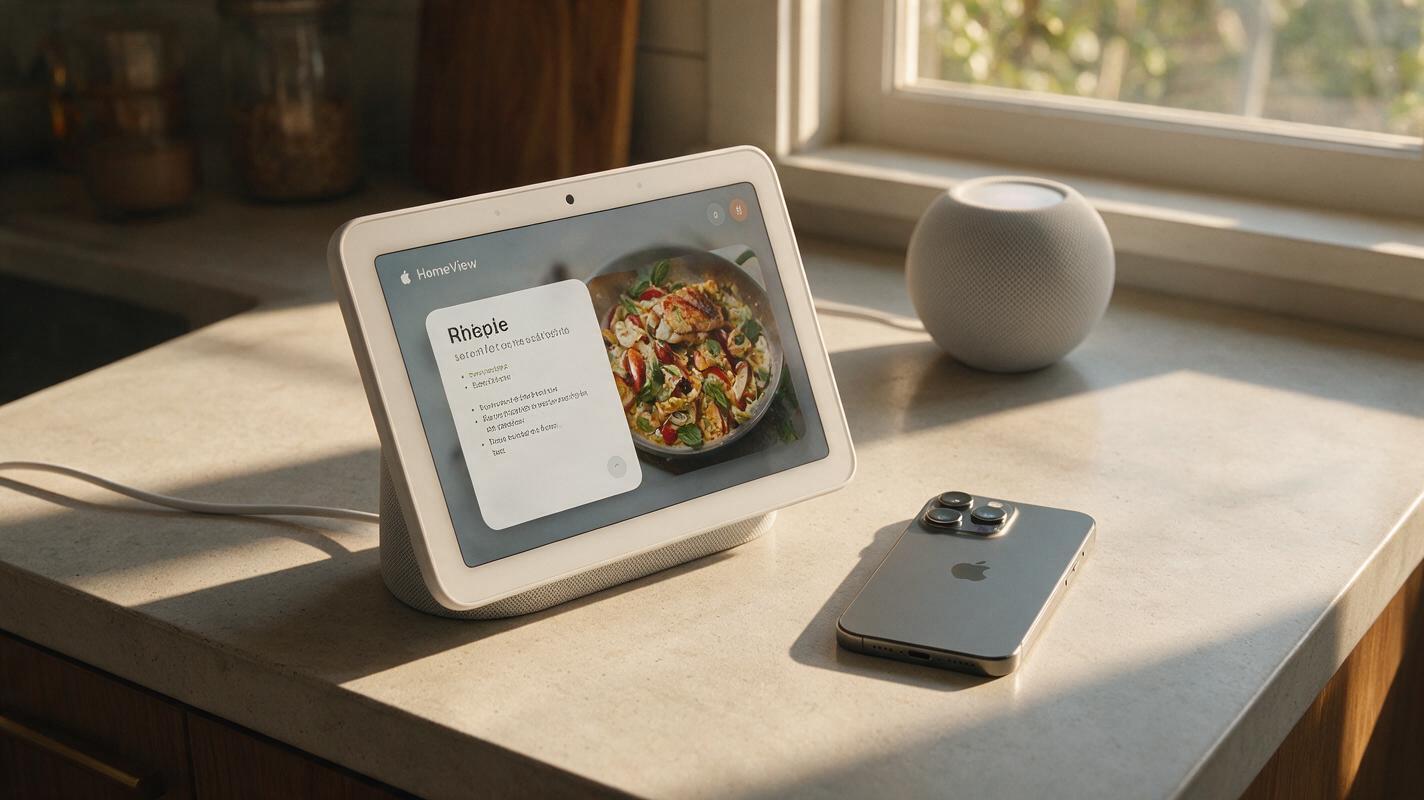
Table of contents
Reported sellouts of Apple iPhone + HomeView smart-home combos following the company’s 2026 “Welcome Home” event signal a major win for its AI-powered connected home strategy — and a new set of content opportunities for creators and content teams.
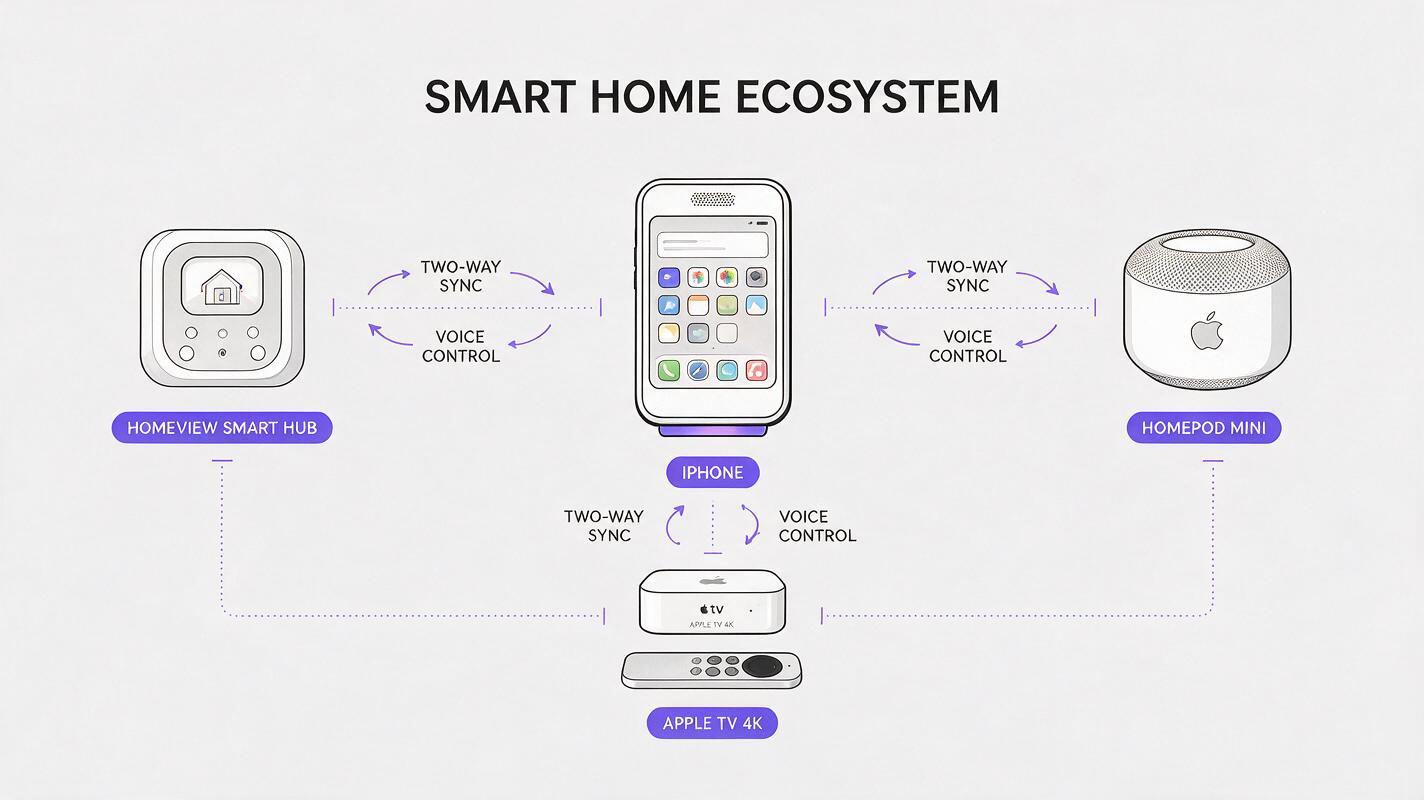
According to a YANAC weekly report, bundles pairing iPhones with newly announced smart-home products from Apple’s October “Welcome Home” event have sold out in the wake of the launch. The event unveiled three core smart-home devices: the HomeView smart-home hub, a new HomePod mini, and an updated Apple TV 4K, all designed to work seamlessly within Apple’s device ecosystem. The sellout is being framed as an early validation of the smart-home category’s opening reception among Apple’s customer base, particularly as the company leans into AI integration across its hardware lineup.
While the report does not include specific sales figures, regional breakdowns, or exact bundle configurations, the sellout signal suggests strong consumer interest in integrated Apple smart-home setups that tie together mobile, audio, television, and hub devices. The HomeView hub, a $299 7-inch square display with Siri AI built in, serves as the central control point for the ecosystem, marking Apple’s most dedicated push into smart-home display hardware to date.
What the Sellout Report Says
The YANAC weekly report highlights post-event demand for iPhone bundles that include one or more of the newly announced smart-home products. These combos are designed to give buyers a fully integrated Apple smart-home setup out of the box, with the iPhone acting as a companion device for setup, control, and content syncing.
Prior to the event, analysts had mixed expectations for Apple’s smart-home expansion, given the crowded market of existing smart displays and speakers from Google, Amazon, and other vendors. The reported sellout suggests Apple’s ecosystem integration and AI-powered features (including Siri support across all new devices) are resonating with consumers who already own iPhones and other Apple products.
It’s important to note that the report does not specify which bundle configurations sold out first, how many units were allocated, or whether the sellout is global or limited to specific regions. Additional details on sales performance and demand trends will likely emerge in Apple’s next quarterly earnings update.
Why This Matters for the AI Industry
The sellout of Apple’s smart-home combos is a notable milestone for the broader AI industry, as it demonstrates consumer willingness to adopt AI-integrated hardware for the home. Smart-home devices have long been positioned as a major growth area for AI, but mass adoption has been slowed by fragmented ecosystems, limited use cases, and privacy concerns.
Apple’s approach — tying smart-home devices directly to its iPhone ecosystem and building AI features into the core experience — offers a blueprint for other AI and hardware vendors looking to break into the connected home space. The success of these bundles also signals that AI features like voice control, automated routines, and personalized content recommendations are no longer niche selling points, but expected features for mainstream consumers.
This growth in AI-powered smart-home hardware also aligns with wider industry trends around ai capital expenditure, as vendors invest in both the hardware devices themselves and the cloud infrastructure needed to support AI features at scale. As more households adopt AI-enabled smart-home devices, the demand for cloud-based AI processing and content optimized for these devices will continue to rise.
What This Means for Content Creators
For content creators and content teams, the rapid adoption of Apple’s smart-home devices opens up a new set of distribution channels and content formats to optimize for. The HomeView hub’s 7-inch square display, in particular, creates demand for glanceable, square-format content that works well on small, stationary screens in kitchens, living rooms, and bedrooms.
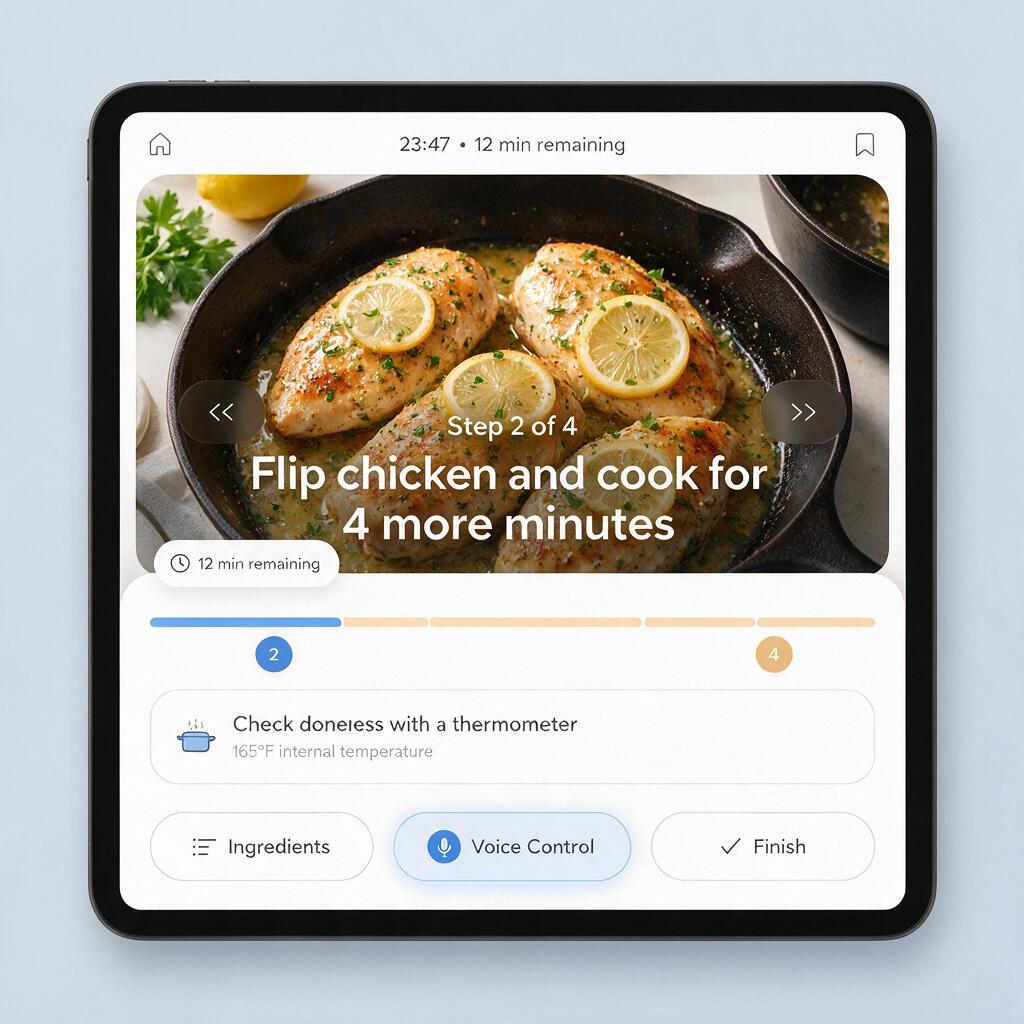
Beyond display format, smart-home devices are often controlled via voice assistants like Siri, so content that works well with voice queries and hands-free consumption will have an advantage. This includes short-form video clips, visual news updates, recipe guides, workout snippets, and other content types that can be consumed quickly while users are doing other tasks around the home.
Creators looking to test content for these new formats can use an ai image generator to create square-format visuals optimized for HomeView and other smart displays, or leverage text to video tools to produce short, engaging clips tailored for smart-home viewing. Multi-model AI platforms like MagicBoat make it easy to repurpose existing content across multiple formats and aspect ratios without needing separate tools or subscriptions.
Adapting Your Content Strategy for Smart-Home AI Devices
As smart-home AI devices become more common, content teams can adjust their workflows to reach audiences on these new screens. A few key focus areas can help creators stay ahead of the curve as the market grows.
First, prioritize square and vertical format options for visual content. Unlike traditional landscape TV or mobile video, smart displays like HomeView are often square or portrait-oriented, so content designed for these aspect ratios will look better and be more engaging for viewers. This applies to everything from social media graphics to short video clips and informational visuals.
Second, design content for glanceable consumption. Smart-home displays are often used for quick checks — weather, news, calendar updates, recipe steps — so content that conveys key information at a glance will perform better than long-form, deeply immersive content. Use bold text, clear visuals, and simple layouts that are easy to understand from a distance.
Third, optimize for voice interaction. Many smart-home devices are controlled primarily by voice, so content that can be accessed via voice queries and read aloud by AI assistants will reach more users. This includes structured content with clear headings, concise answers to common questions, and audio-friendly formats that work well with text-to-speech tools.
Finally, build a multi-device content strategy that works across phones, TVs, smart displays, and speakers. Consumers use multiple devices throughout the day, so content that syncs seamlessly across devices — for example, starting a recipe on your phone and following it on your kitchen smart display — will provide a better user experience and drive higher engagement.
Key Takeaways
- Apple iPhone + HomeView smart-home combos have reportedly sold out following the 2026 “Welcome Home” event, validating early consumer interest in Apple’s AI-powered connected home ecosystem.
- The sellout signals broader growth for the AI industry’s smart-home segment, with AI features becoming a mainstream expectation for consumer hardware.
- Content creators should adapt their strategies for square smart displays, glanceable content, and voice-controlled consumption as these devices become more common.
- Multi-model AI platforms like MagicBoat make it easy to create and repurpose content across the formats needed for new smart-home devices.
Ready to Create Smart-Home Optimized Content?
Whether you’re designing square visuals for smart displays or creating short video clips for voice-controlled devices, MagicBoat gives you access to a full suite of AI content tools in one platform. try these models for free to start building content that reaches audiences across every screen.
Keywords
apple welcome home event, iphone homeview combos sell out, homeview smart hub, ai smart home, ai industry, multi-device content, smart home content