Apple M5 Pro Benchmark Surfaces for 14-Inch MacBook Pro 2026
An Apple M5 Pro benchmark listing has surfaced for a 14-inch MacBook Pro 2026 identified as Mac17,9, showing a 15-core CPU and 48GB of RAM ahead of Apple’s expected late-October hardware event.
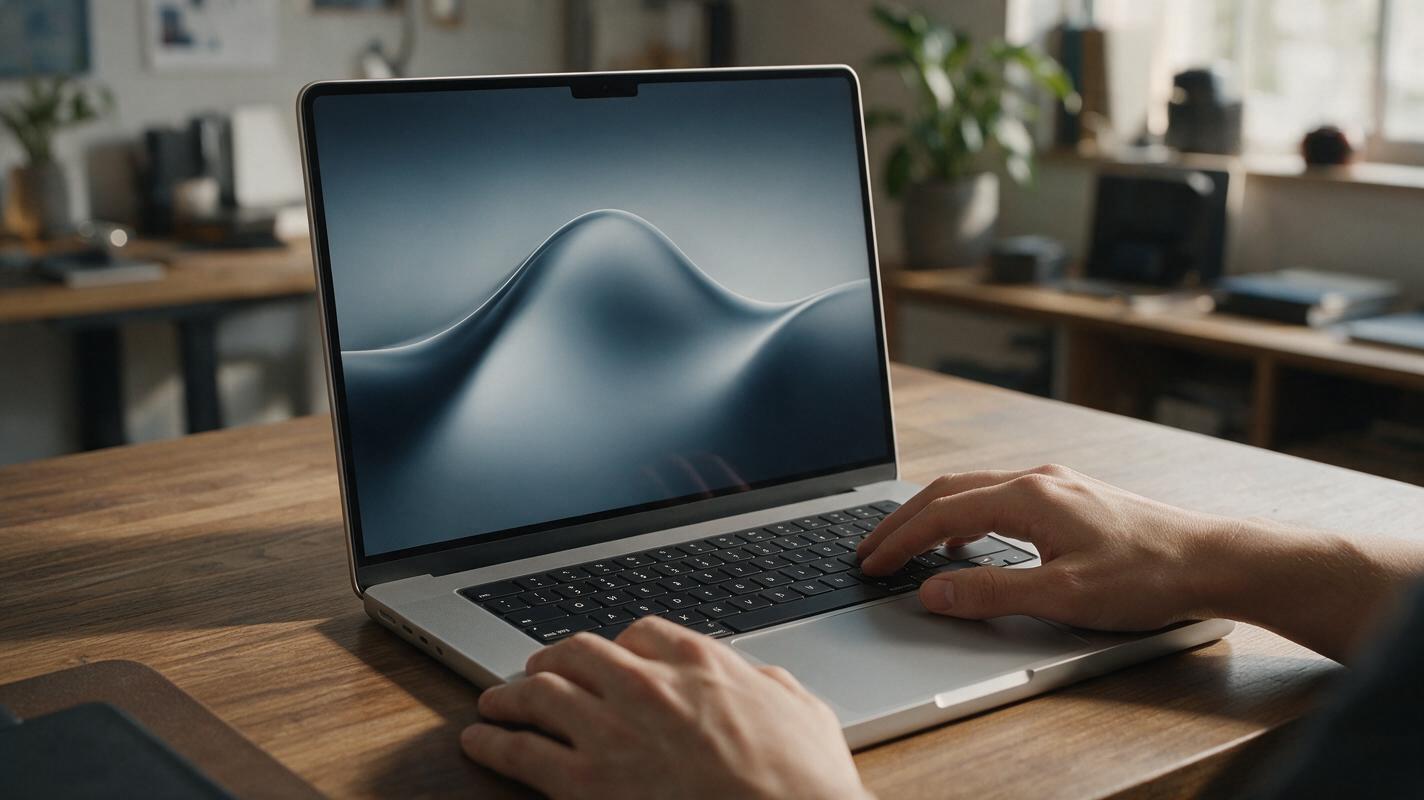
Table of contents
Apple M5 Pro Benchmark Surfaces for 14-Inch MacBook Pro 2026
A Geekbench listing points to a Mac17,9 system with a 15-core CPU and 48GB of RAM as attention turns toward Apple’s late-October hardware event.
Apple hardware news · October 20, 2026
Apple M5 Pro Appears in a New MacBook Pro Benchmark
An Apple M5 Pro benchmark has surfaced on Geekbench for what is identified as a 14-inch MacBook Pro 2026. The listed machine carries the model identifier Mac17,9 and is shown with a 15-core CPU and 48GB of RAM.
The appearance comes as Apple prepares for a late-October hardware event, giving the listing additional significance. Rather than revealing a complete product lineup, the benchmark offers a narrow preview of one possible MacBook Pro configuration associated with Apple’s next professional chip generation.
The available information does not include an announced retail price, shipping date or complete set of configurations. It also does not establish which other Macs might use the M5 Pro. For now, the traceable details are the 14-inch MacBook Pro 2026 designation, Mac17,9 identifier, 15-core CPU and 48GB memory figure.
The confirmed benchmark details:
- Product identified as a 14-inch MacBook Pro 2026
- Machine identifier listed as Mac17,9
- Apple M5 Pro processor name
- 15-core CPU configuration
- 48GB of RAM
- Timing ahead of Apple’s late-October hardware event
For creators and content teams, the listing matters because workstation decisions affect production capacity, software compatibility and hardware budgets. It is also a reminder to separate surfaced specifications from features Apple has not yet announced.
What the Geekbench Listing Reveals—and What It Does Not
Pre-event benchmark appearances can offer useful clues, but they are not substitutes for a full product announcement. This Apple M5 Pro listing is most valuable as a record of a specific observed configuration rather than proof of the entire 2026 MacBook Pro range.
| Detail | What is available | What remains unconfirmed |
|---|---|---|
| Computer | 14-inch MacBook Pro 2026 | Other sizes or models |
| Identifier | Mac17,9 | Final retail naming beyond the listed product |
| Processor | Apple M5 Pro with a 15-core CPU | Other processor configurations |
| Memory | 48GB of RAM | Minimum and maximum retail memory options |
| Launch context | Apple has a late-October hardware event ahead | Price, availability and complete event lineup |
No benchmark score is included in the available source material, so comparisons with earlier chips would go beyond the documented facts. The listing likewise provides no basis for claims about battery life, graphics performance, thermal behavior or gains in individual creative applications.
The strongest reading of the news is also the simplest: a 15-core Apple M5 Pro configuration with 48GB of RAM has surfaced for a Mac17,9 14-inch MacBook Pro 2026, just before Apple’s anticipated hardware event.
Why the 15-Core CPU and 48GB Memory Configuration Draw Attention
The 15-core CPU is the central processor detail in the listing, while the 48GB memory figure identifies the capacity of this particular machine. Together, those specifications frame the surfaced device as a professional MacBook Pro configuration, although the listing alone cannot establish how it will perform in any particular workload.
That distinction is important for video editors, designers and AI content teams evaluating future purchases. Core count and memory capacity are relevant planning inputs, but they do not independently answer questions about rendering time, model compatibility or sustained performance. Those conclusions require additional product information and workload-specific testing.
Hardware Planning Should Follow the Workload
A production team considering new hardware can use the benchmark as an early signal without treating it as a purchase recommendation. The practical questions remain tied to the team’s real work: the size of active projects, the number of applications used concurrently, local storage needs and whether generation happens locally or through online services.
Cloud-based creative tools can also reduce the need to make every AI workflow depend on one computer configuration. A browser-accessible ai image generator, for example, can support visual ideation without making the surfaced M5 Pro specification a prerequisite.
The Broader AI Industry Context
Apple’s benchmark appearance lands at a time when the AI industry is placing greater emphasis on computing infrastructure, from cloud systems and AI capital expenditure to the devices used by individuals and production teams. New hardware attracts attention because AI-assisted media work can involve large source files, multiple applications and repeated revisions.
Yet hardware specifications are only one part of the operating cost. Content teams must also consider software access, subscriptions, model availability and AI video cost. A powerful laptop can improve the local editing environment, but it does not automatically determine which generation model, visual style or content workflow will best suit a campaign.
This is where platform flexibility becomes valuable. Teams may want to draft concepts, create still images and produce motion assets without rebuilding their process around every hardware or model announcement. Using an ai video generator through MagicBoat can complement a Mac-centered editing setup while keeping generation work accessible from one online platform.
What Content Teams Should Watch at Apple’s Hardware Event
The late-October event should provide the context the Geekbench listing cannot. The most useful information will be Apple’s confirmed product lineup, official configurations, availability and pricing. Those details will allow buyers to place the Mac17,9 benchmark entry within an actual purchasing range.
Creative professionals should also look for verified information relevant to their existing software and production environment. The benchmark does not document application support or creative performance, so claims in those areas should wait for official details and independent testing.
For teams working on purchasing plans, patience can prevent an early listing from being mistaken for a final specification sheet. The surfaced configuration is notable, but it represents one data point ahead of a broader announcement.
Key Takeaways
- An Apple M5 Pro benchmark has surfaced on Geekbench for a 14-inch MacBook Pro 2026.
- The listed machine uses the identifier Mac17,9.
- The configuration shows a 15-core CPU and 48GB of RAM.
- The appearance precedes Apple’s late-October hardware event.
- The available information does not establish price, availability, benchmark scores or other configurations.
- Content teams should evaluate hardware alongside cloud access, software costs and workflow flexibility.
Keep AI Production Flexible Across Hardware Cycles
New Mac hardware may shape future production setups, but content schedules cannot always wait for the next device launch. MagicBoat brings AI creation options into one accessible environment, helping teams continue developing images and videos while hardware details evolve.
try these models for free and build a creative workflow that is not tied to a single computer announcement.