Apple Stock Hits Record High After ‘Welcome Home’ Event
Apple stock reached a new record high on October 14 following the company’s ‘Welcome Home’ smart-home event. The market reaction highlights growing interest in Apple’s HomeView, HomePod mini, Apple TV 4K and Siri AI ecosystem—and offers useful lessons for building adaptable AI content workflows.
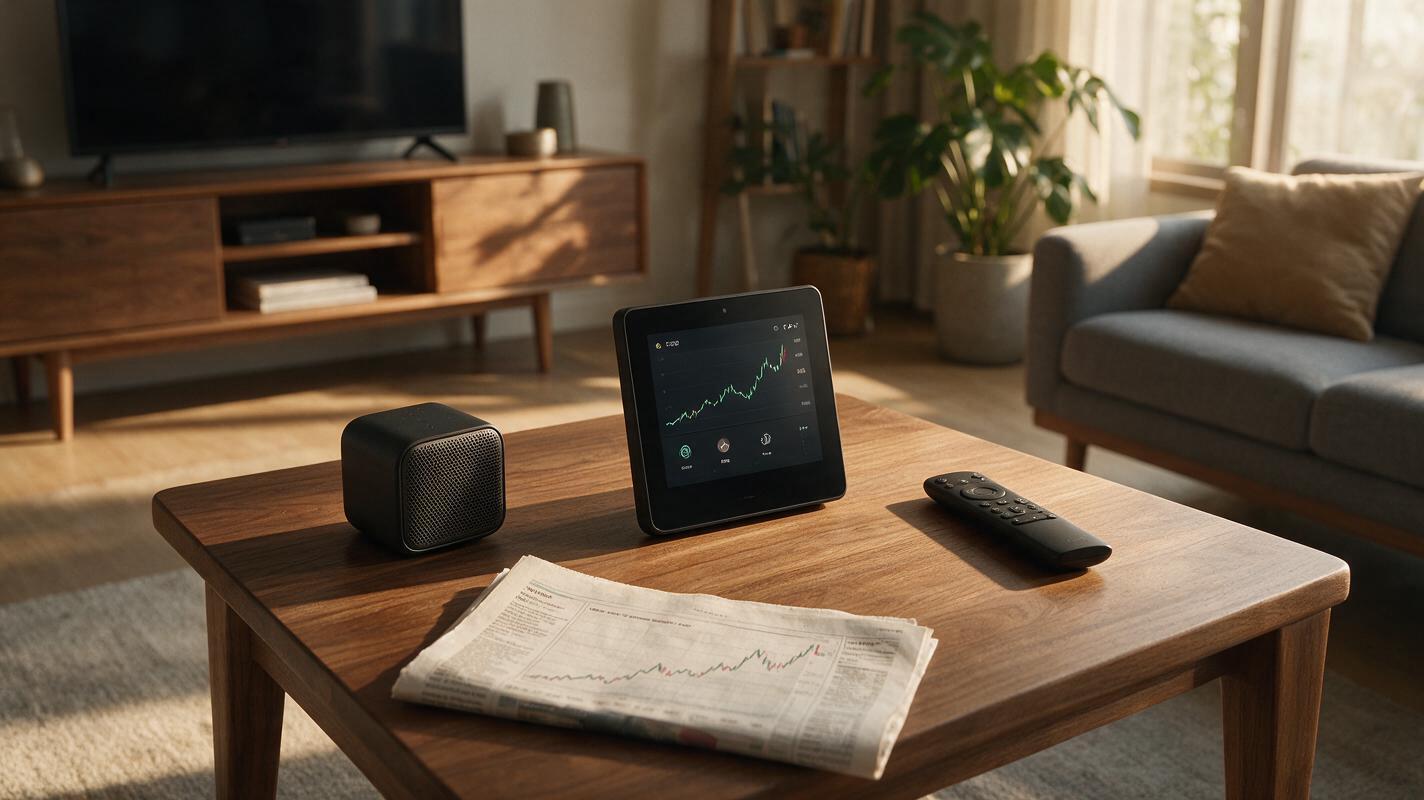
Table of contents
Apple Reaches a New Stock-Market High
Apple stock rose to a new record high on October 14 after the company’s “Welcome Home” smart-home event put its expanding home ecosystem in the spotlight.
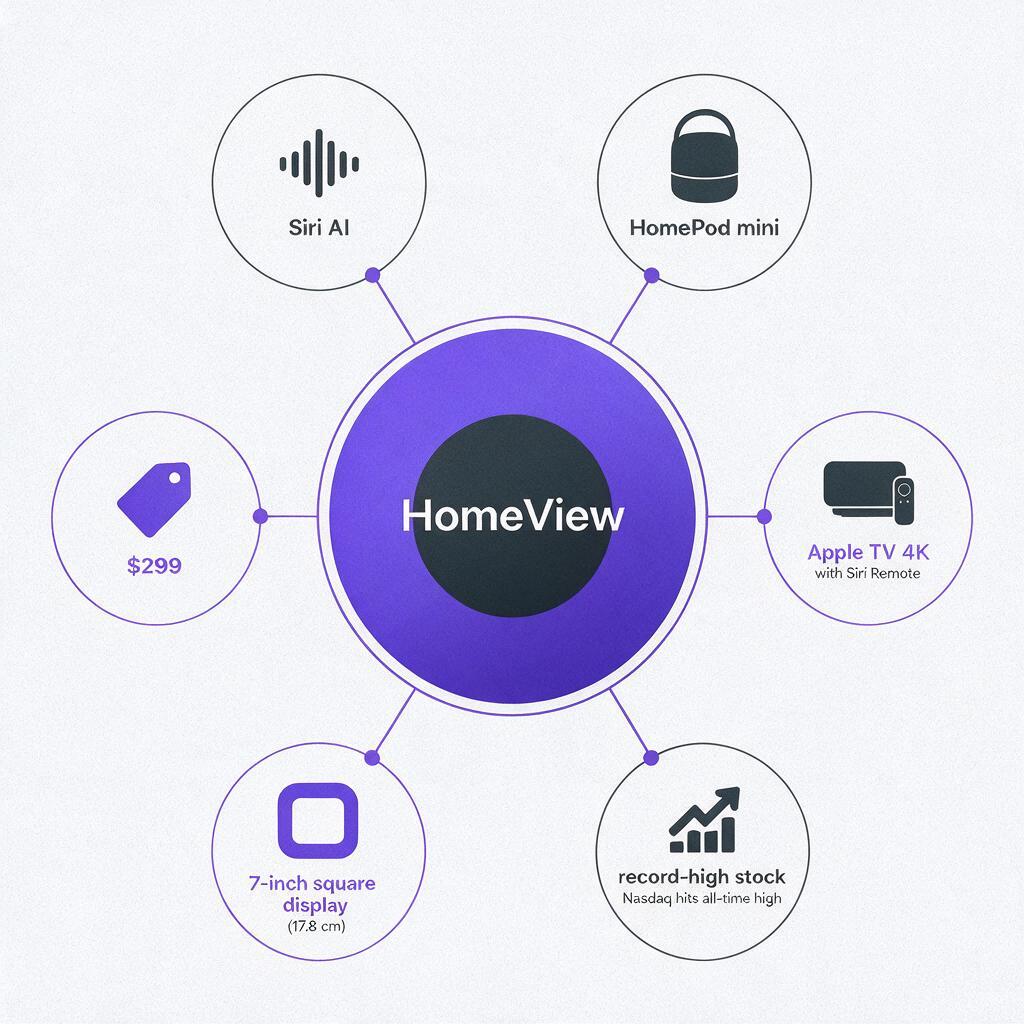
The event, held on October 13, introduced the HomeView smart-home hub alongside a new HomePod mini and Apple TV 4K. Apple then launched HomeView as a $299 device built around a 7-inch square display and Siri AI, accompanied by Apple Home Collection accessories.
The following day’s record share price gave the event a clear market dimension. Rather than treating the presentation as an isolated hardware announcement, investors appeared to respond to a broader ecosystem story connecting a central display, voice-based intelligence, entertainment hardware and home accessories.
The report did not provide a closing share price or percentage gain, so the most important confirmed point is the milestone itself: Apple stock established a fresh record after the “Welcome Home” event. That timing made HomeView, Siri AI, HomePod mini and Apple TV 4K part of the immediate narrative surrounding Apple’s valuation.
For content teams, the news is a reminder that a product event can generate multiple connected stories: the hardware announcement, the AI interface, the ecosystem strategy and the financial-market response. Covering those angles accurately requires a controlled AI workflow that keeps confirmed facts separate from interpretation.
Why the “Welcome Home” Event Mattered to the Market
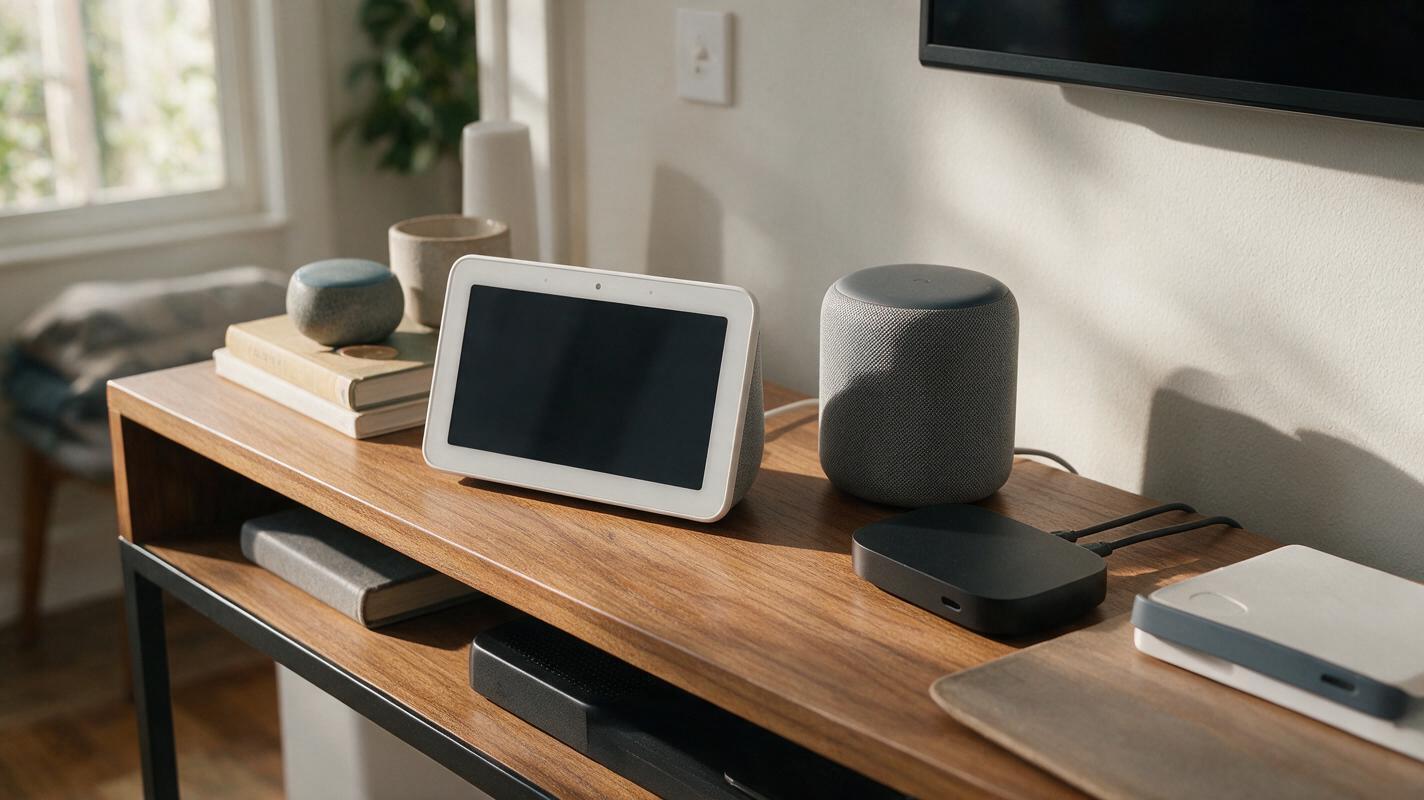
Apple’s presentation centered on a connected collection rather than a single device. HomeView supplied the visual hub, while HomePod mini and Apple TV 4K extended the smart-home and entertainment context. Siri AI provided the event’s explicit artificial-intelligence component.
This structure matters because ecosystems can create a more durable narrative than standalone product specifications. A display hub may be discussed in relation to household controls, a speaker in relation to voice interaction, and a television device in relation to home entertainment. The Apple Home Collection accessories add another layer to that connected-product framing.
The record high is the financial headline, but the underlying story is Apple’s effort to connect hardware, Siri AI and home accessories under one recognizable ecosystem.
That does not prove how customers will receive the products or how they will perform over time. A record share price is a market event, not a product review. It does, however, show why publishers should follow the relationship between AI announcements and investor sentiment instead of covering each development in isolation.
What the News Reveals About AI Ecosystem Storytelling
The HomeView news illustrates how AI increasingly appears inside a larger product environment. Siri AI is one element of the announcement, but the complete story also includes the $299 price, the 7-inch square display, HomePod mini, Apple TV 4K and the accessory collection.
That creates a useful editorial distinction between confirmed information and narrative context:
| Confirmed event detail | Responsible editorial interpretation |
|---|---|
| Apple stock hit a new record high on October 14 | The market milestone followed the company’s smart-home presentation |
| The “Welcome Home” event was held on October 13 | The event placed renewed attention on Apple’s home ecosystem |
| HomeView costs $299 and has a 7-inch square display | The hub serves as the central visual element in the announced collection |
| The lineup includes Siri AI, HomePod mini and Apple TV 4K | Apple presented AI, audio and entertainment hardware as connected parts of the home experience |
This distinction is especially important when an ai assistant helps draft fast-moving coverage. It can organize facts, suggest headlines and reshape copy for different channels, but human editors should retain authority over claims that go beyond the available reporting.
A More Reliable AI Content Workflow for Product and Market News
A strong production brief for this story should preserve a compact factual core: Apple, the October 13 event, the October 14 record high, HomeView, $299, a 7-inch square display, Siri AI, HomePod mini, Apple TV 4K and Apple Home Collection accessories. Every derivative asset can then refer back to that same record.
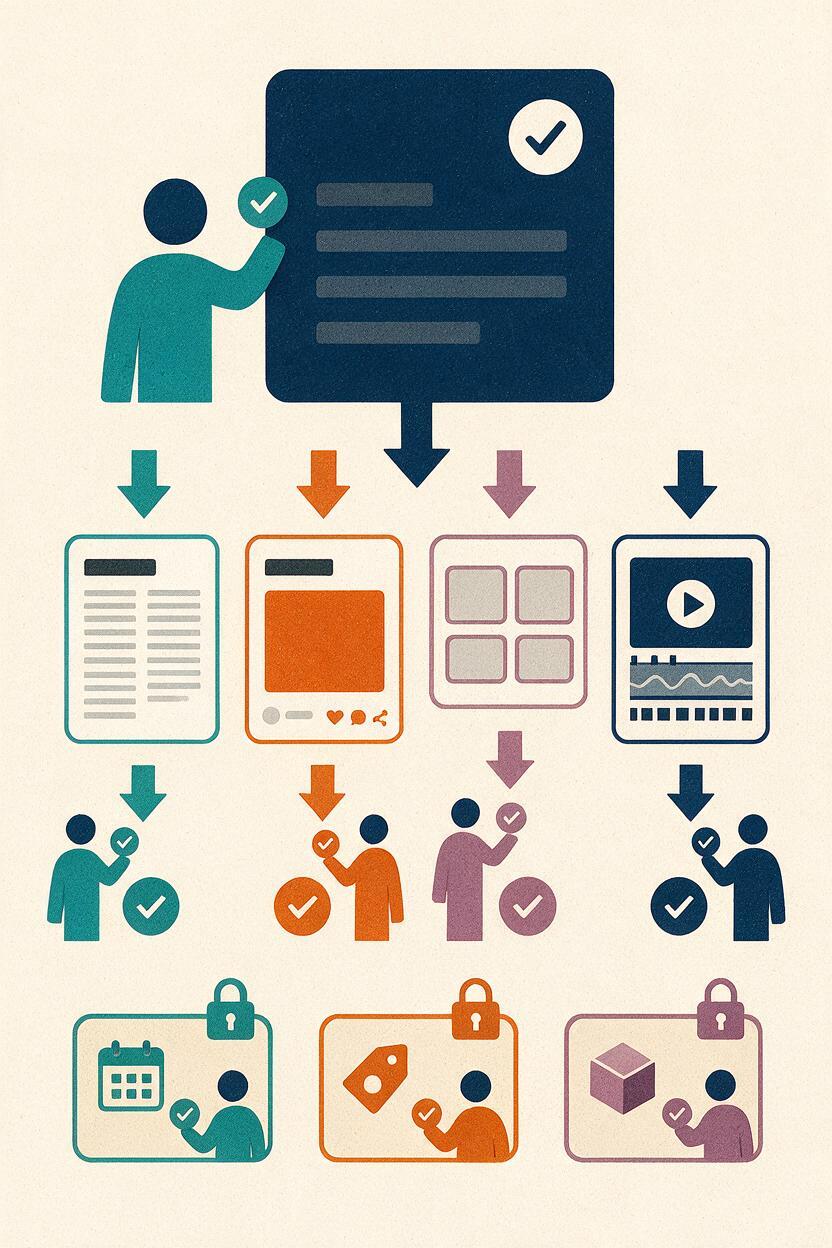
From one verified brief, a team could prepare a market-news article, a concise social post, a product-event recap and an ai storyboard. The tone may change across formats, but the underlying facts should not.
A practical content matrix can keep the angles distinct:
- Financial angle: Apple stock established a new record after the event.
- Product angle: HomeView is a $299 hub with a 7-inch square display and Siri AI.
- Ecosystem angle: The event also featured HomePod mini, Apple TV 4K and home accessories.
- Editorial angle: Market enthusiasm should not be presented as proof of future product performance.
This structure also makes ai automation safer. Automated systems can adapt approved text into shorter formats without being invited to fill factual gaps with unsupported prices, performance claims or market forecasts.
Keeping Visual Production Grounded in Confirmed Details
Video coverage can focus on the relationship among a home display, speaker, television device and accessories without pretending to show unconfirmed interfaces. An ai video generator can help translate the verified brief into scenes, but the final review should check every on-screen label, number and product reference.
The same discipline applies to an ai video workflow built for financial news. A rising market graphic may communicate the record-high headline, yet it should not display a fabricated closing price or percentage. Product imagery should likewise avoid invented controls, dashboards or capabilities that were not included in the source material.
Why Model Flexibility Matters After a Major AI Event
High-interest announcements often create an immediate demand for several kinds of output. One model may be useful for condensing the market angle, while another may better organize a script or visual brief. Locking every task into a single ai agent can make the production chain unnecessarily fragile.
MagicBoat supports a unified production environment for developing scripts, storyboards and visual assets without rebuilding the entire project around one model. Keeping the verified event brief outside any single generation makes it easier to compare outputs while maintaining continuity across the campaign.
This approach is particularly valuable when coverage combines financial language with product and AI terminology. Editors can preserve the confirmed facts, use different models for specific creative tasks and keep publication approval with a human reviewer.
Key Takeaways
- Apple stock hit a new record high on October 14 after the “Welcome Home” event.
- The October 13 presentation featured HomeView, a new HomePod mini and Apple TV 4K.
- HomeView launched at $299 with a 7-inch square display and Siri AI.
- The market milestone and the product announcement are connected news angles, but investor reaction is not a substitute for product evaluation.
- AI-assisted coverage should maintain one verified factual brief across articles, social posts, scripts and video concepts.
- Human review remains essential for prices, dates, product names and financial claims.
Build the Next Version of Your AI Workflow
Apple’s record high shows how quickly hardware, AI and market narratives can converge. To turn a verified news brief into scripts, storyboards and visual concepts while keeping your production flexible, try these models for free on MagicBoat.
Keywords
apple stock record high, welcome home event, apple homeview, siri ai, homepod mini, apple tv 4k, ai workflow, ai video workflow