Apple Reportedly Preparing First Touch-Screen MacBook and New iPad
Apple is reportedly preparing a second major launch for later in October 2026, centered on its first touch-screen MacBook and a new iPad. The report could signal a closer relationship between laptop and tablet interaction, while giving content teams another reason to keep their AI production workflows portable across devices.
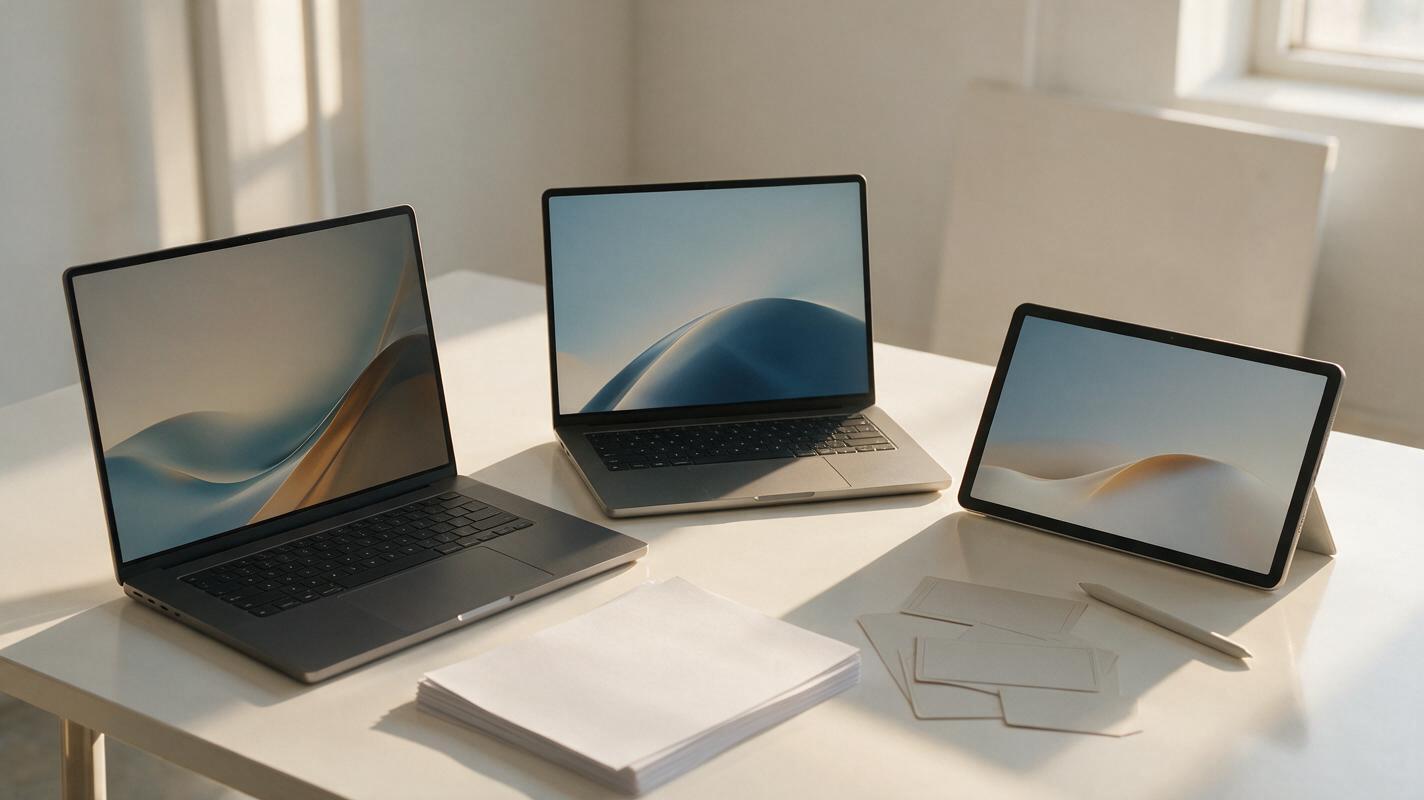
Table of contents
Apple’s Reported Second Major October Launch
Apple is reportedly preparing a second major product launch for later in October 2026, with its first touch-screen MacBook and a new iPad expected to headline the announcement. The report, dated October 16, identifies the touch-enabled MacBook as a first for Apple’s laptop line and places it alongside another iPad release within the same launch window.
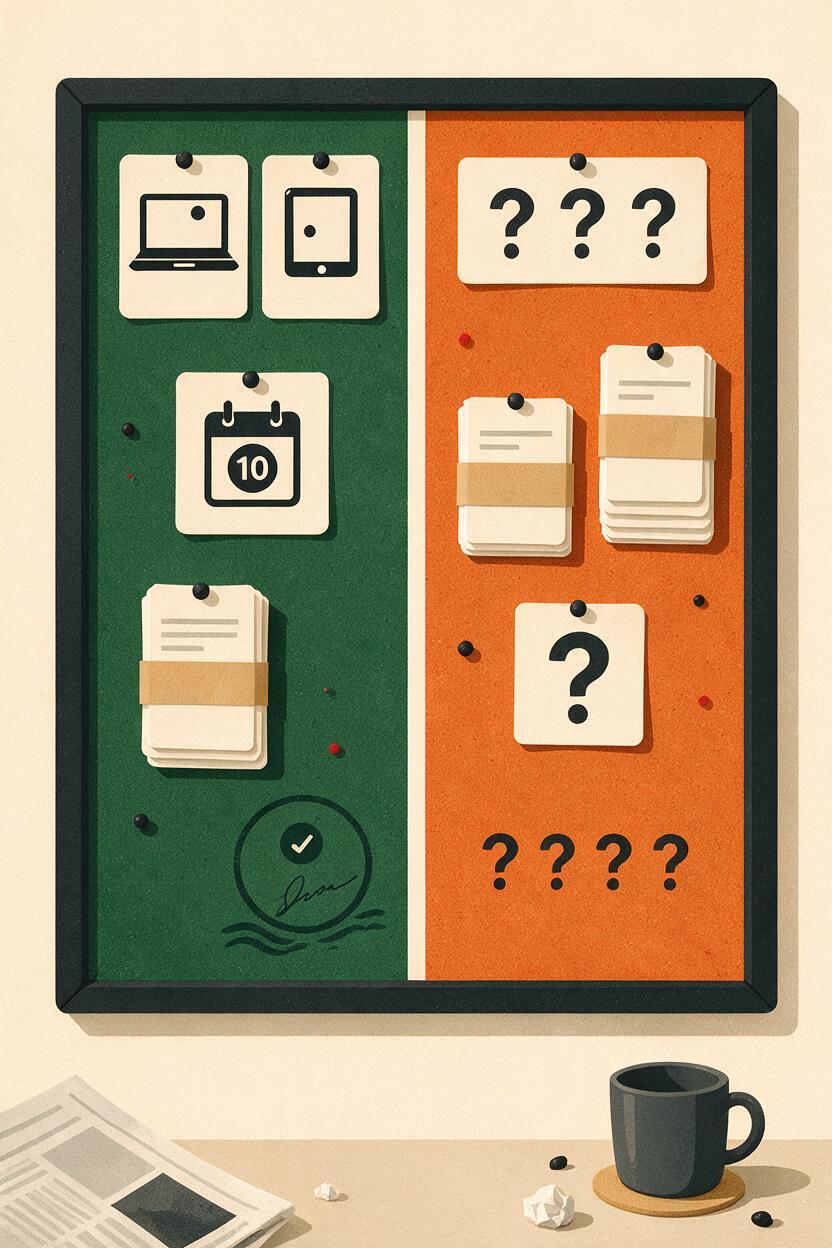
The available report does not specify product prices, screen sizes, processor configurations or an exact announcement date. It also does not confirm when either device would reach customers. Those omissions matter: this remains a reported launch plan rather than a complete product announcement, so the touch-screen MacBook, new iPad and later-October timing are the central facts available for analysis.
Even within those boundaries, the pairing is notable. A MacBook built around touch input would introduce a new interaction method to Apple’s laptop category, while the new iPad would arrive as part of the same reported product push. Putting both devices in one launch could place renewed attention on the overlap between portable computing, direct manipulation and visual work.
For content teams, the immediate issue is not whether an unreleased device will transform production. It is whether an existing AI workflow can move cleanly among laptops, tablets and cloud tools without losing briefs, prompts, visual references or approval context.
Why the Touch-Screen MacBook Report Matters
The phrase “first touch-screen MacBook” is the defining element of the report. Apple’s reported move would add direct screen interaction to a product category traditionally associated with keyboards and trackpads. The report does not describe the interface or name any touch-specific software, so claims about gestures, applications or creative performance would be premature.
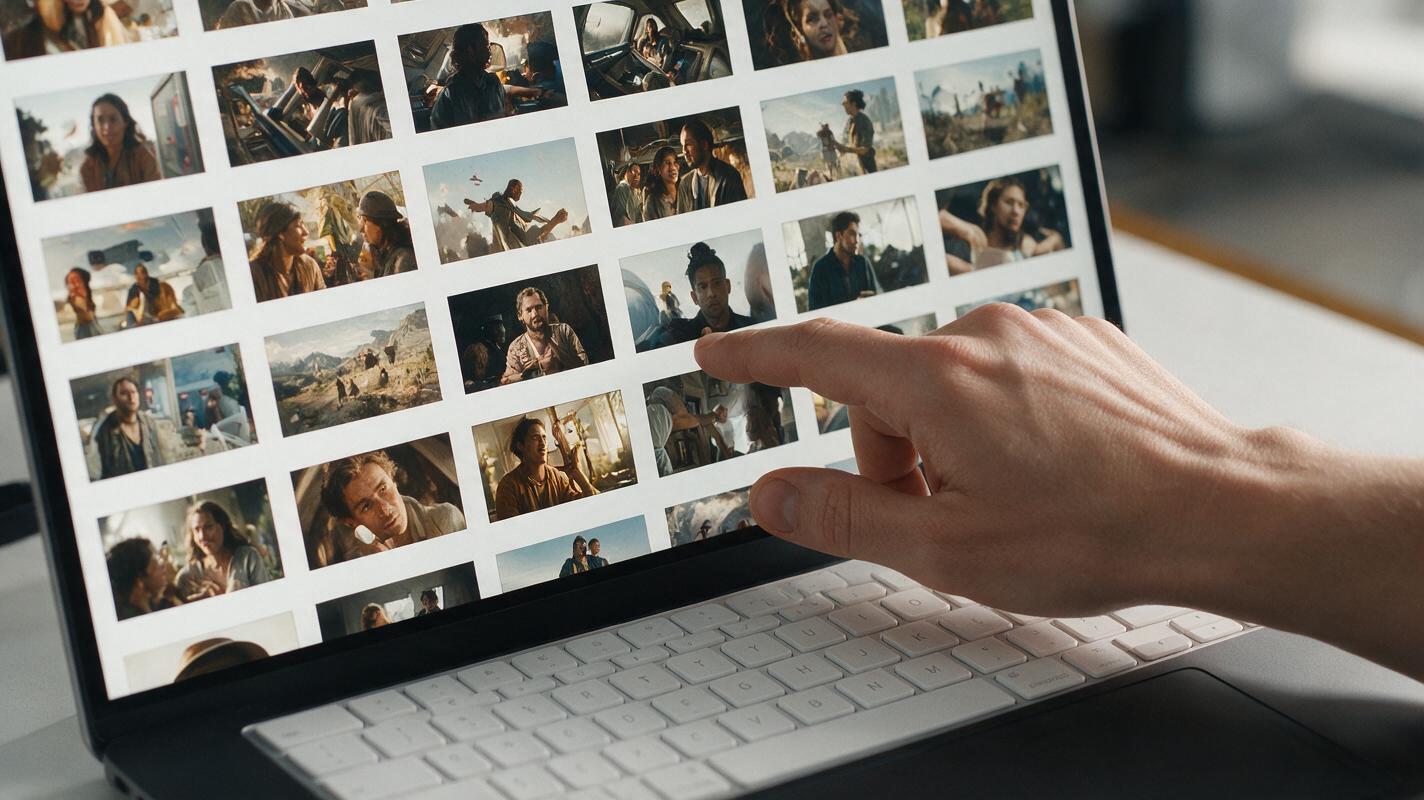
What can be evaluated is the broader interaction shift. Touch can be useful when work involves selecting visual elements, reviewing compositions, arranging references or communicating revisions. Keyboard and pointer input remain valuable for writing, file management and detailed editing. A device that combines these interaction modes could encourage software teams and users to reconsider where different creative actions feel most natural.
The important question is not whether touch replaces established input methods. It is whether direct interaction reduces friction at the moments when visual judgment matters most.
That distinction is especially relevant to AI content creation. An AI assistant may generate text, images or planning options, but people still choose what fits the brief. Reviewing candidates, rejecting weak output and marking the preferred direction are human decisions. New hardware can change how those decisions are expressed without changing who remains responsible for them.
MacBook and iPad Are Being Framed Together
The reported launch groups two related but distinct products. One is described through a major interaction change; the other is identified simply as a new iPad. No additional specifications are provided for either device.
| Reported product | Known detail | Information not provided |
|---|---|---|
| MacBook | Reported as Apple’s first touch-screen MacBook | Price, size, processor, interface details and availability |
| iPad | A new iPad is reportedly included | Model name, price, specifications and availability |
| Launch timing | Reported for later in October 2026 | Exact date and release schedule |
This fact boundary is useful for anyone publishing fast-moving technology coverage. A responsible article, social post or video should separate what the report says from what audiences might infer. “Reportedly preparing” is more accurate than presenting the devices as officially launched, while “first touch-screen MacBook” should not become a list of imagined capabilities.
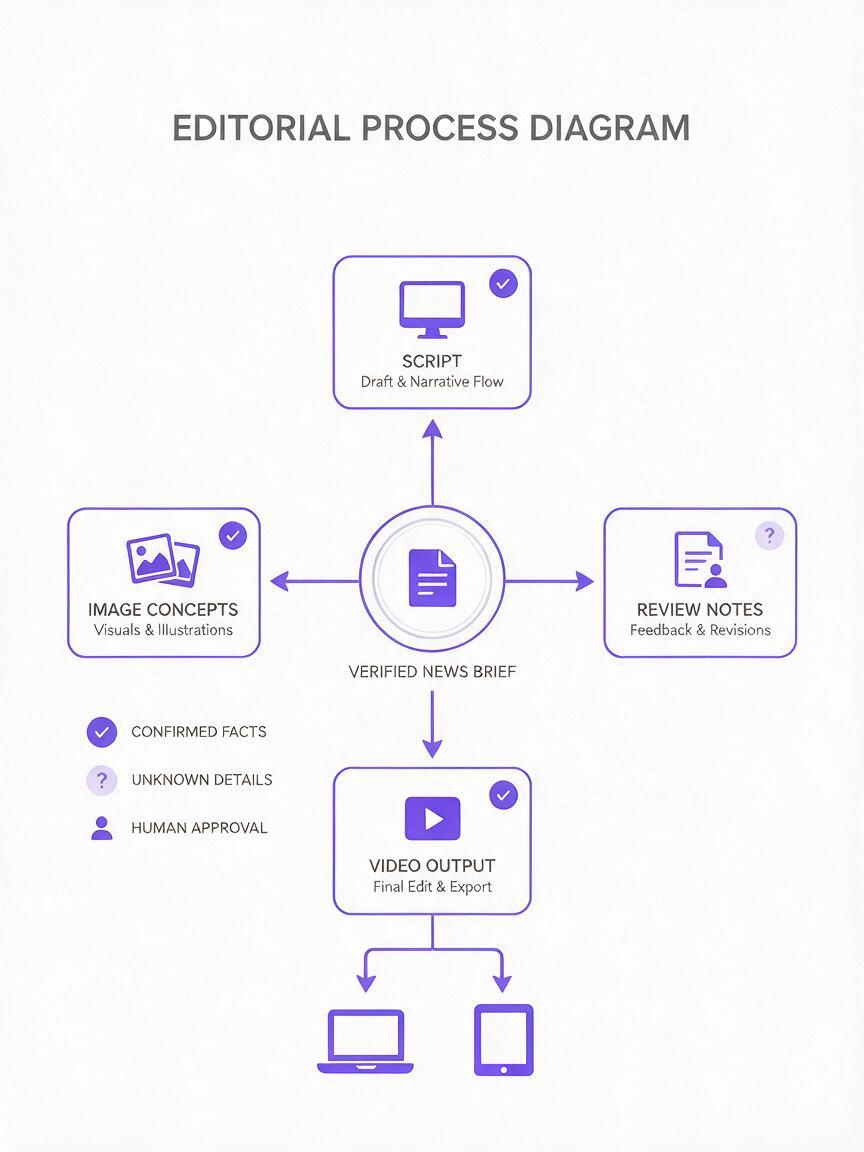
The same discipline applies to an ai agent or ai automation system. Automation can reformat a verified brief into multiple outputs, but it should not quietly fill missing specifications with plausible-sounding details. Human review remains essential before publication.
Portable Creative Context Matters More Than the Device
A laptop-tablet launch naturally invites discussion about hardware, but creative continuity often depends on less visible assets: the approved script, prompt history, source notes, reference images, shot order and revision decisions. If those materials live only inside one device or one isolated application, changing screens can interrupt production.
A portable brief reduces that risk. It can record the facts that may be stated, the details that remain unknown, the intended audience and the approved visual direction. The brief can then support writing, an ai image generator or an ai video generator without allowing the factual core to drift.
Topic: Apple’s reported later-October product launch
Confirmed details:
- First touch-screen MacBook reported
- New iPad reported
- Second major launch expected later this month

Do not invent:
- Prices
- Screen sizes
- Processor details
- Exact launch or shipping dates

Creative direction:
- Show laptop and tablet work moving through one production brief
- Keep unconfirmed hardware details out of narration and visuals
This kind of compact record is valuable in an ai video workflow because visual production creates many opportunities for unsupported details to appear. A concept image might imply a particular port layout, interface or product design that the report never described. Keeping the visual direction generic and labeling the news as reported protects accuracy while still allowing a useful story to be told.
What the Report Means for AI Content Production
If Apple introduces the reported touch-screen MacBook and new iPad, production teams may have more choices about where they draft, review and approve work. But hardware flexibility is most useful when the creative system behind it is equally flexible.
For example, one person could develop a script on a laptop, another could review visual references on a tablet, and an editor could continue the project from a different machine. The devices may change, but the project should retain the same facts, naming conventions and approved narrative. This is where a model-independent ai workflow becomes more important than dependence on a single screen.
MagicBoat supports that approach by bringing AI creation options into one account. Instead of rebuilding a project whenever hardware, location or preferred generation model changes, teams can preserve their brief and move among creative tasks. That makes the platform relevant whether a project begins with reporting, expands into visual concepts or becomes a short-form video.
The practical advantage is continuity. A new device can improve an individual interaction, but a connected production environment helps preserve the project itself. It also gives teams room to compare outputs rather than treating one model or interface as the only route to completion.
Editorial Opportunities Without Unsupported Claims
The reported Apple launch offers several responsible content angles. Publishers can examine the significance of touch entering the MacBook category, compare the known descriptions of the two reported products, or discuss why laptop and tablet workflows are converging. They can also explain what remains unknown instead of turning speculation into certainty.
- News analysis: Focus on the reported first for the MacBook line and the later-October launch window.
- Workflow commentary: Explore how direct screen interaction could affect review and approval, while clearly labeling the discussion as conditional.
- Visual storytelling: Show a creative brief moving between an unbranded laptop and tablet rather than fabricating an unreleased Apple interface.
- Short-form coverage: Separate confirmed report details from open questions using clear on-screen labels.
This approach keeps the Apple launch at the center of the story while connecting it to a wider change in content production: creators increasingly need workflows that survive movement between devices, formats and AI models.
Final Checklist
- Describe the MacBook and iPad launch as reported, not confirmed.
- Identify the MacBook as Apple’s reported first touch-screen model.
- Use later October 2026 as the reported window without inventing an exact date.
- Do not add prices, specifications, interfaces or release dates absent from the report.
- Keep scripts, references and approval notes portable across devices.
- Maintain human review before an ai assistant publishes or distributes content.
To turn a verified news brief into visual concepts, scripts and video variations from one account, try these models for free.
Keywords
touch-screen MacBook, new iPad, Apple launch, AI content creation, ai workflow, ai assistant, ai video workflow