Apple Preparing First Touch-Screen MacBook and New iPad for October Launch
Apple is reportedly planning a second major product launch for later this October, featuring its first touch-screen MacBook alongside a new iPad, according to MacDailyNews. The rumored launch underscores Apple's aggressive fall product roadmap and comes amid broader AI industry investment in on-device AI capabilities and new form factors for creative work.
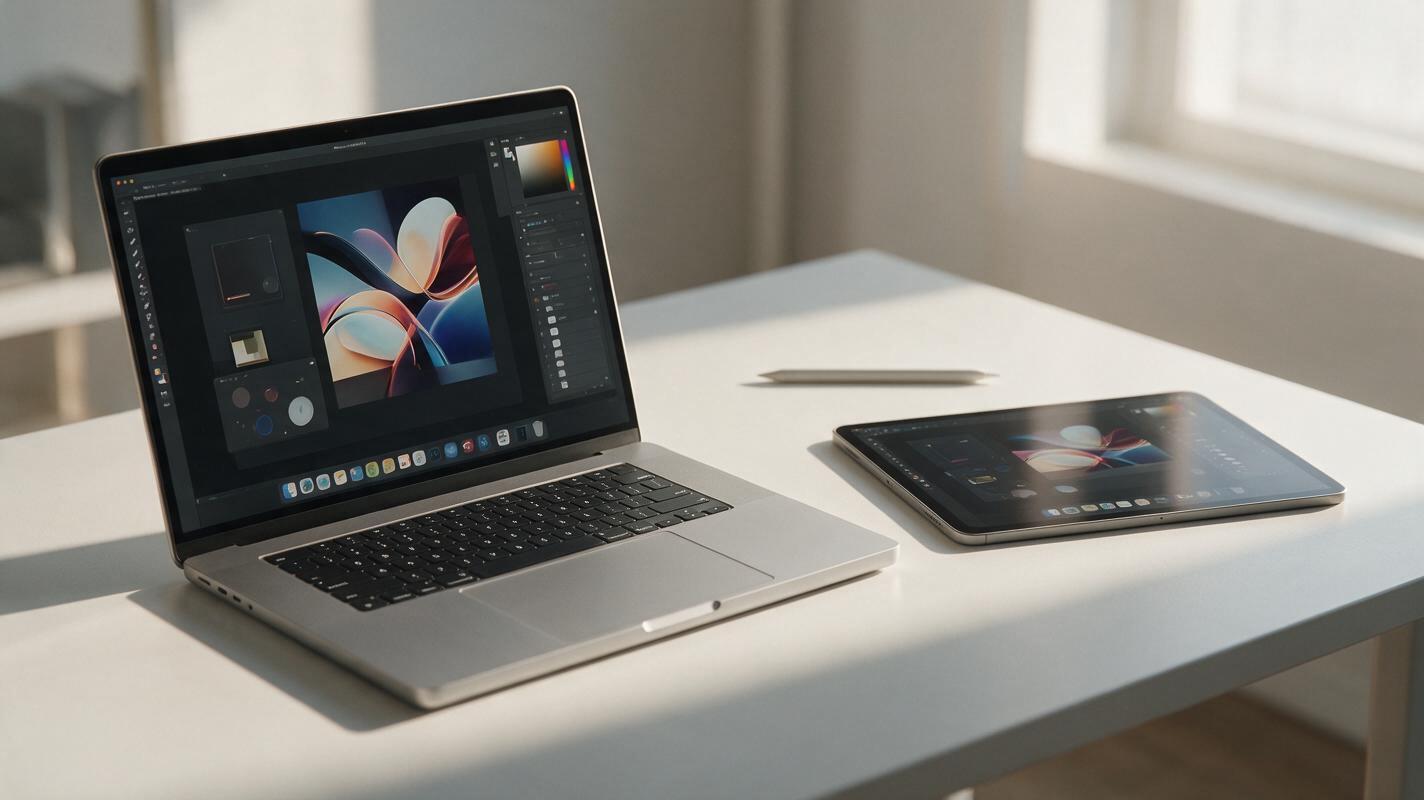
Table of contents
Apple's Second October Launch: Touch-Screen MacBook and New iPad
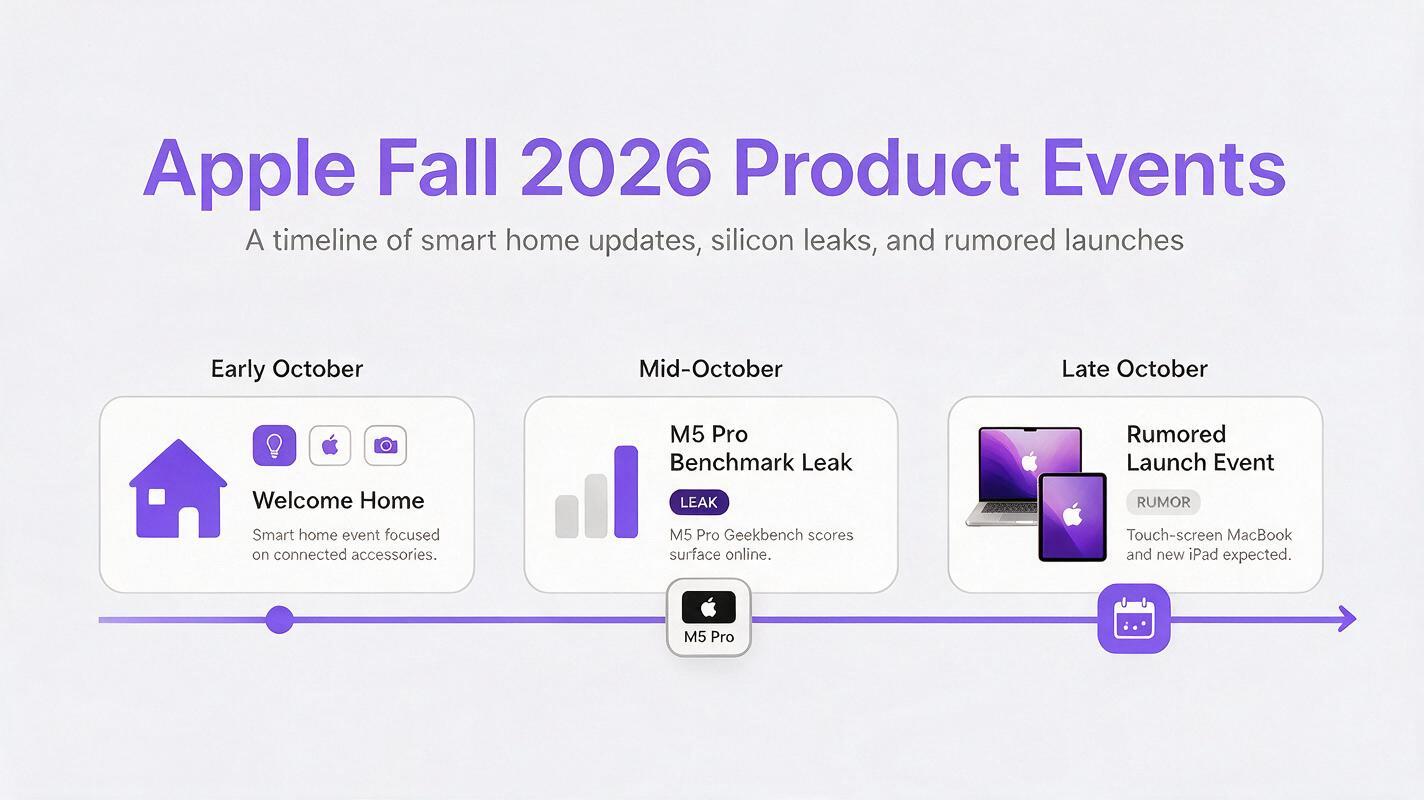
Apple is reportedly preparing a second major product launch for later this October, featuring its first touch-screen MacBook alongside a new iPad, according to a report from MacDailyNews. The news arrives amid a packed fall product season for Apple, which already held its "Welcome Home" smart-home event earlier in the month and has a rumored final 2026 hardware event scheduled for late October.
The reported touch-screen MacBook would mark a significant shift in Apple's product strategy, breaking from the company's long-standing position that touch-screen laptops do not deliver an optimal user experience. Paired with a new iPad model, the dual launch underscores Apple's aggressive push into both computing and tablet categories as it expands its AI capabilities across devices.
What the Report Reveals
The MacDailyNews report outlines two key products expected at the upcoming launch. The first is Apple's inaugural touch-screen MacBook, a product that has been the subject of industry speculation for years but never officially confirmed by the company. The second is a new iPad model, though specific details about which iPad line will receive the update remain limited in the initial report.
Word of a second major October launch follows earlier reporting from Bloomberg's Mark Gurman, who indicated Apple would hold its final 2026 event between October 27 and 28 featuring the iPad mini 8 and three new Macs. Whether the touch-screen MacBook and new iPad referenced in the MacDailyNews report are the same products in Gurman's reporting or an additional set of releases remains a point of industry discussion as more details emerge.
Adding fuel to the rumor mill, a recent Geekbench benchmark leak revealed an M5 Pro chip powering a 14-inch MacBook Pro prototype, designated Mac17,9, with a 15-core CPU and 48GB of RAM. That benchmark discovery had already teed up expectations for Apple's late-October hardware event, suggesting significant performance upgrades are on the way for the MacBook lineup regardless of touch capability.
Why a Touch-Screen MacBook Matters
A touch-screen MacBook would represent one of the biggest design changes in the history of Apple's laptop line. For years, Apple executives have argued that touch interfaces work better on tablets than on traditional laptop form factors, pointing to the iPad as the company's answer to touch-based computing. A shift in this position would signal that the company sees genuine market demand for touch capabilities on its premium laptops.
From an AI industry perspective, a touch-screen MacBook could enable new interaction models for AI-powered creative tools. Designers, video editors, and content creators could benefit from more direct manipulation of AI-generated assets, from refining outputs from an ai image generator to making precise adjustments to video timelines and effect parameters with a finger or stylus.
The move would also align with broader trends in the AI industry toward more natural, multimodal interactions. As AI models become increasingly capable of understanding gestures, sketches, and spatial input, hardware that supports more intuitive forms of creativity becomes increasingly valuable to professional and hobbyist creators alike.
Industry Context and AI Capital Expenditure
Rumors of new Apple hardware arrive against a backdrop of massive AI capital expenditure across the technology sector. Major cloud and technology companies are investing heavily in both data center infrastructure and on-device AI capabilities, with Goldman Sachs estimating that five cloud giants' AI capex will grow more than 50% to $1.2 trillion next year.
Apple's approach to AI has historically leaned toward on-device processing rather than cloud dependence, a strategy reflected in the company's custom silicon roadmap. The M-series chips powering Macs and iPads include increasingly powerful neural engines, and each new generation brings faster AI inference capabilities directly to the user's device. This strategy can reduce ai video cost and image generation costs for users who can run lighter models locally, though heavy-duty creative work still typically requires cloud-scale compute resources.
The reported dual launch of a touch-screen MacBook and new iPad also fits into Apple's broader product ecosystem strategy. By bringing touch capabilities to its laptop line, Apple could create a more unified experience across iPhone, iPad, and Mac — an important consideration as Apple Intelligence rolls out across the company's full product lineup.
What This Means for Content Creators
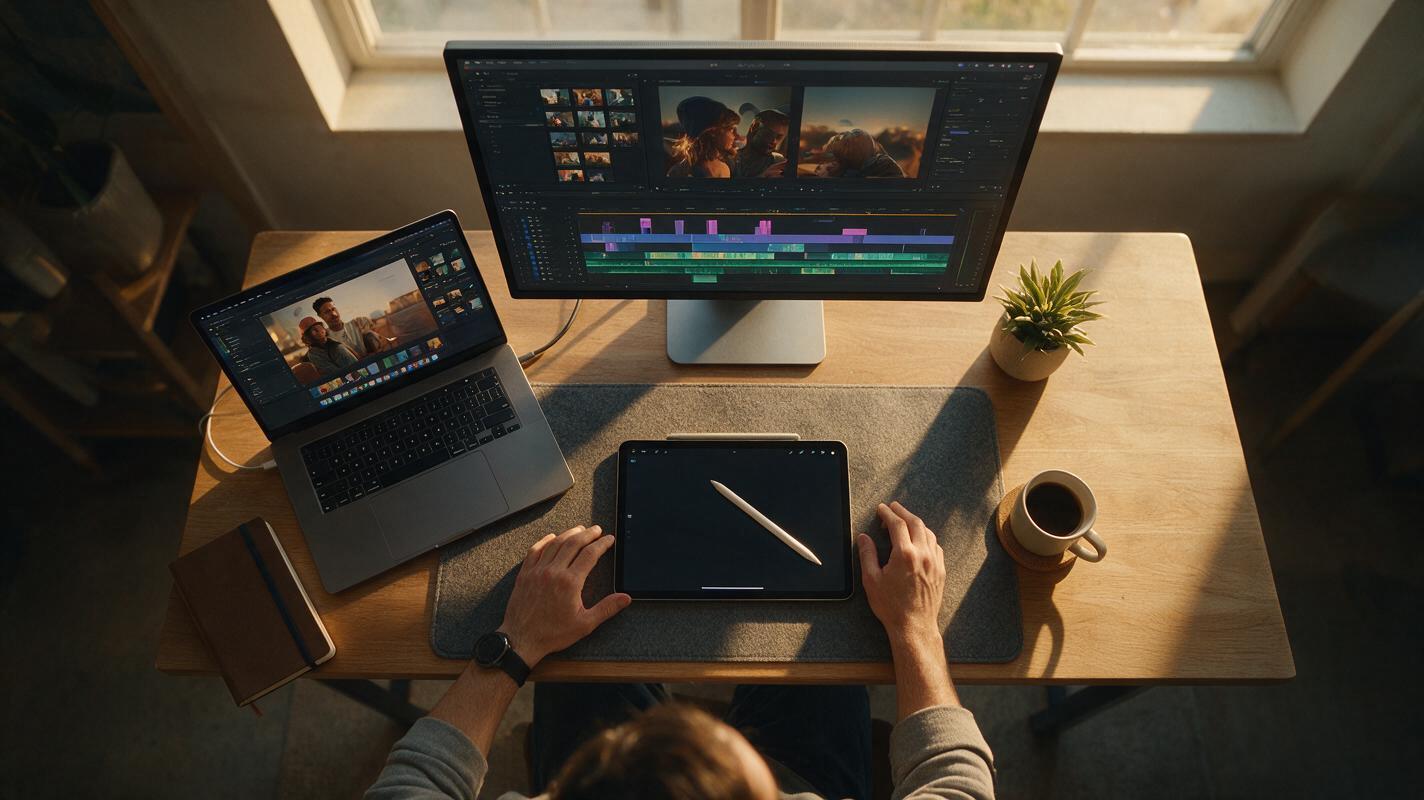
For AI content creators and creative teams, new Apple hardware brings both opportunities and practical considerations. More powerful devices with better displays and input methods can improve virtually every stage of the creative workflow, from ideation and sketching to editing and final production. Touch capabilities on a MacBook could make it easier to sketch storyboard ideas, make quick visual edits, or interact with AI generation tools in more intuitive ways than a trackpad or mouse alone allows.
However, creators should also keep perspective on what on-device AI can and cannot do compared to cloud-based platforms. While M-series chips deliver impressive local inference performance, the largest and most capable AI models for high-quality image and video generation still run on dedicated data center hardware. Whether you're working with an ai video generator for short-form social content or producing detailed visual assets for marketing campaigns, cloud-based AI generation platforms deliver consistent performance and access to the latest models without requiring hardware upgrades.
This flexibility helps control ai video cost and ensures teams can collaborate effectively even when using different devices and operating systems. A cloud-first, multi-model approach means creators are never locked into a single vendor's hardware ecosystem or limited by the specifications of their local machine.
Key Takeaways
- Apple is reportedly preparing a second major October launch featuring its first touch-screen MacBook and a new iPad, according to MacDailyNews.
- A touch-screen MacBook would mark a significant strategic shift for Apple, which has long resisted touch interfaces on its laptop line.
- The rumored launch aligns with a broader pattern of AI industry investment in both hardware capabilities and new interaction models.
- While new Apple devices improve on-device AI performance, cloud-based multi-model platforms remain essential for heavy-duty creative AI work.
- Creators can combine the best of new hardware and cloud AI to build flexible, cost-effective workflows. try these models for free
Keywords
apple touch-screen macbook, new ipad, ai industry, ai capital expenditure, ai image generator, ai video cost, apple hardware event