Apple Reportedly Preparing First Touchscreen MacBook and New iPad
Apple was reportedly preparing a second major product launch for later in October 2026, centered on its first touchscreen MacBook and a new iPad. The report points toward a potentially important change in Apple’s device strategy while giving AI content teams a timely subject for carefully attributed visual coverage.
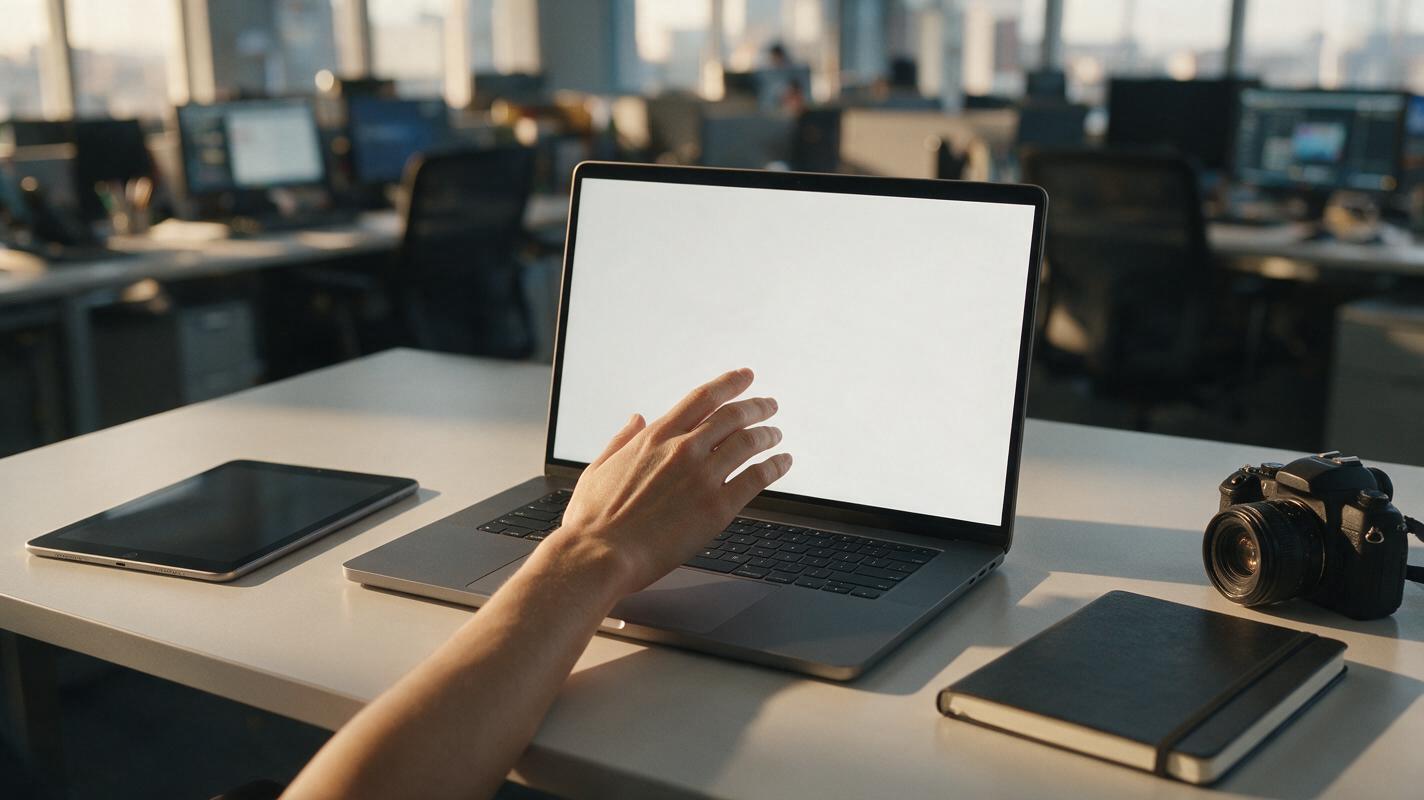
Table of contents
Apple’s Reported Second October Launch
Apple was reportedly preparing a second major product launch for later in October 2026, according to a report published under the October 16 news cycle. The two products identified in the report were the company’s first touchscreen MacBook and a new iPad.
The touchscreen MacBook is the central news angle because it would represent a notable change for Apple’s laptop line. The report described it as the first MacBook built around touch-screen interaction, while presenting the new iPad as the other major device expected in the launch. It did not provide a model name, price, technical specifications or a precise event date.
The timing is also significant. Rather than describing an isolated product update, the report characterized the announcement as Apple’s second major launch later that month. That framing suggests a broader hardware push, although the limited information means that any claims beyond the reported touchscreen MacBook, new iPad and late-October timing would be premature.
For content teams, the story offers a strong visual and editorial theme: the boundary between laptop and tablet interaction may be getting less distinct. It also illustrates why an AI workflow covering product rumors needs both speed and disciplined attribution.
Why a Touchscreen MacBook Would Matter
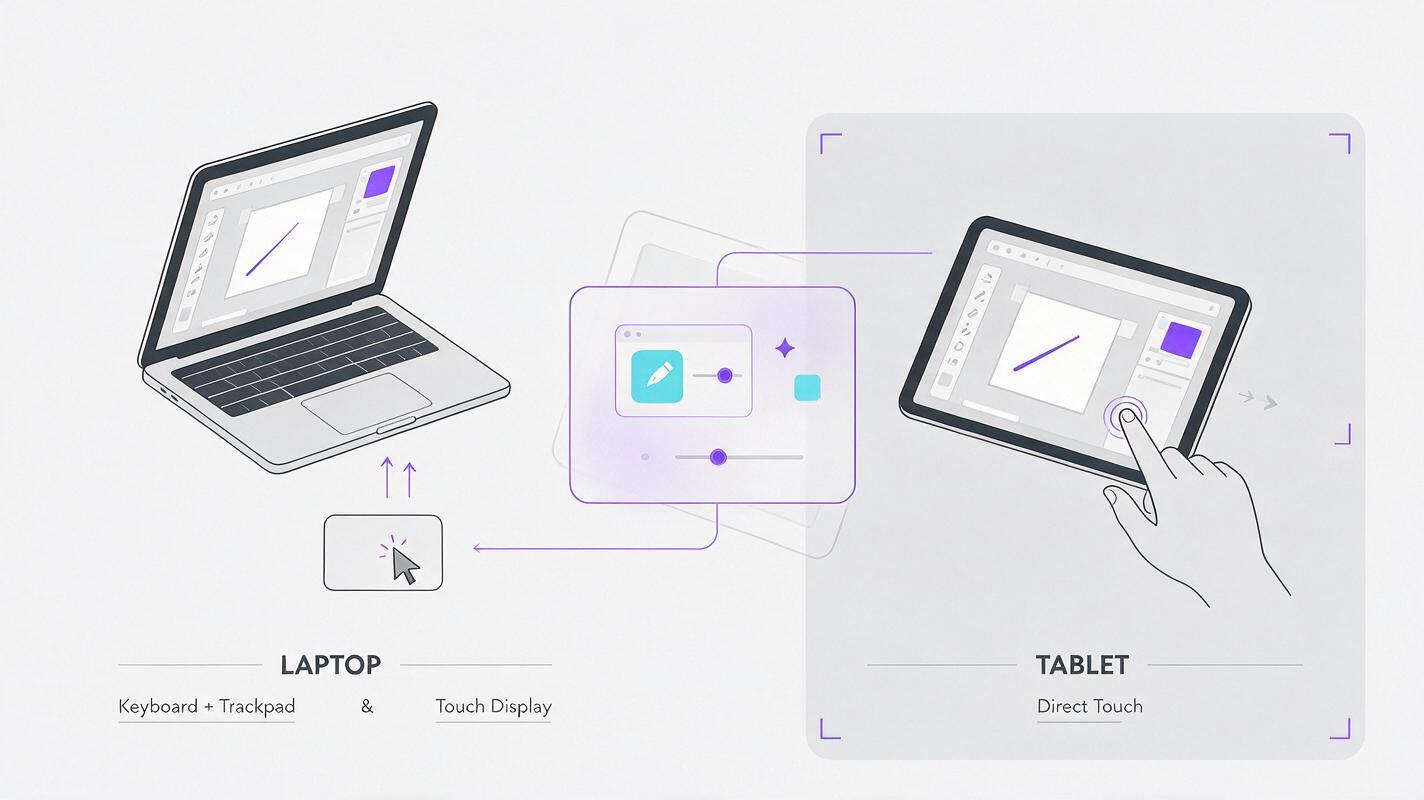
MacBooks and iPads have traditionally represented different interaction patterns. A laptop emphasizes its keyboard and trackpad, while a tablet puts direct screen interaction at the center. A touchscreen MacBook would bring those patterns closer together without automatically making the two product categories identical.
The important word remains reported. The available news entry identifies a first touchscreen MacBook, but it does not establish what the interface will look like, which applications will support touch input or how Apple might position the device against the iPad. Those unanswered questions are part of the story, not gaps that should be filled with speculation.
The strongest coverage separates confirmed details from plausible interpretation: a touchscreen MacBook and new iPad were reported, while specifications, pricing and exact availability remained unstated.
This distinction is especially valuable in fast-moving technology coverage. Headlines can communicate the importance of the reported change without turning an early report into a fully specified product announcement.
The MacBook and iPad Could Tell One Larger Story
Reporting the touchscreen MacBook and new iPad together creates a natural comparison. Both are screen-based computing devices, but their established roles lead audiences to ask different questions about mobility, input and creative production.
| News element | What the report states | What remains unknown |
|---|---|---|
| MacBook | Apple was reportedly preparing its first touchscreen MacBook | Model name, specifications, price and interface details |
| iPad | A new iPad was reportedly part of the same major launch | Model, size, specifications and price |
| Timing | The second major launch was expected later in October 2026 | Precise announcement and availability dates |
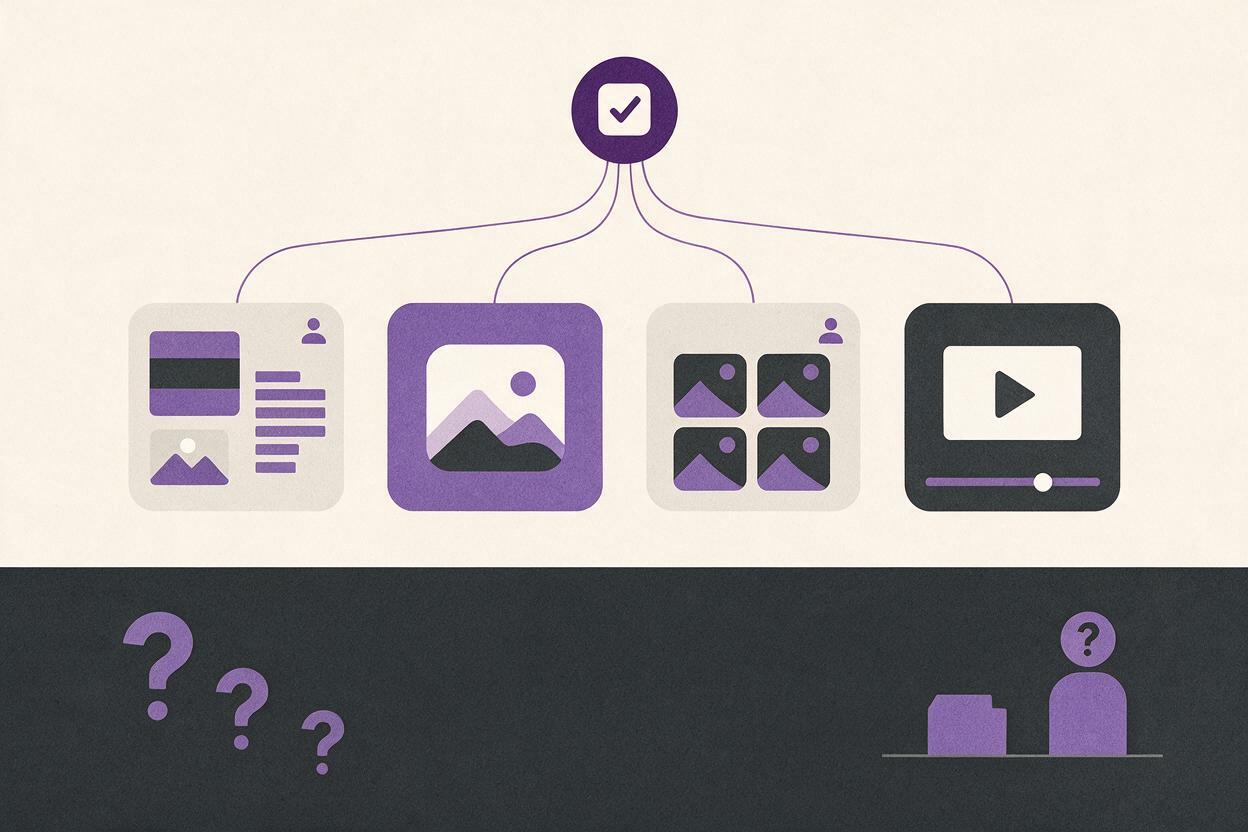
That evidence boundary should shape every format derived from the story. A short article can emphasize the reported product pairing. A social post can focus on the possibility of direct touch input on a MacBook. A video can compare established laptop and tablet interaction without pretending to demonstrate an unreleased interface.
The product pairing is also useful for audience segmentation. Laptop users may focus on whether touch could change everyday navigation, while iPad users may wonder how Apple intends to distinguish the new tablet. These are reasonable editorial questions, but they should remain questions until additional details are reported.
Building Visual Coverage Without Fabricating the Product
Product rumors create a particular challenge for visual storytelling. An image that looks too specific can be mistaken for an authentic photograph of an unreleased device. A mock interface can similarly imply that unconfirmed software or controls already exist.
A safer creative direction is to visualize the underlying interaction concept. Editorial imagery might show a hand moving between a laptop display, keyboard and tablet, with neutral screens and no fabricated Apple interface. A comparison graphic can distinguish what was reported from what remains unknown. These treatments communicate the news while preserving the uncertainty surrounding the product.
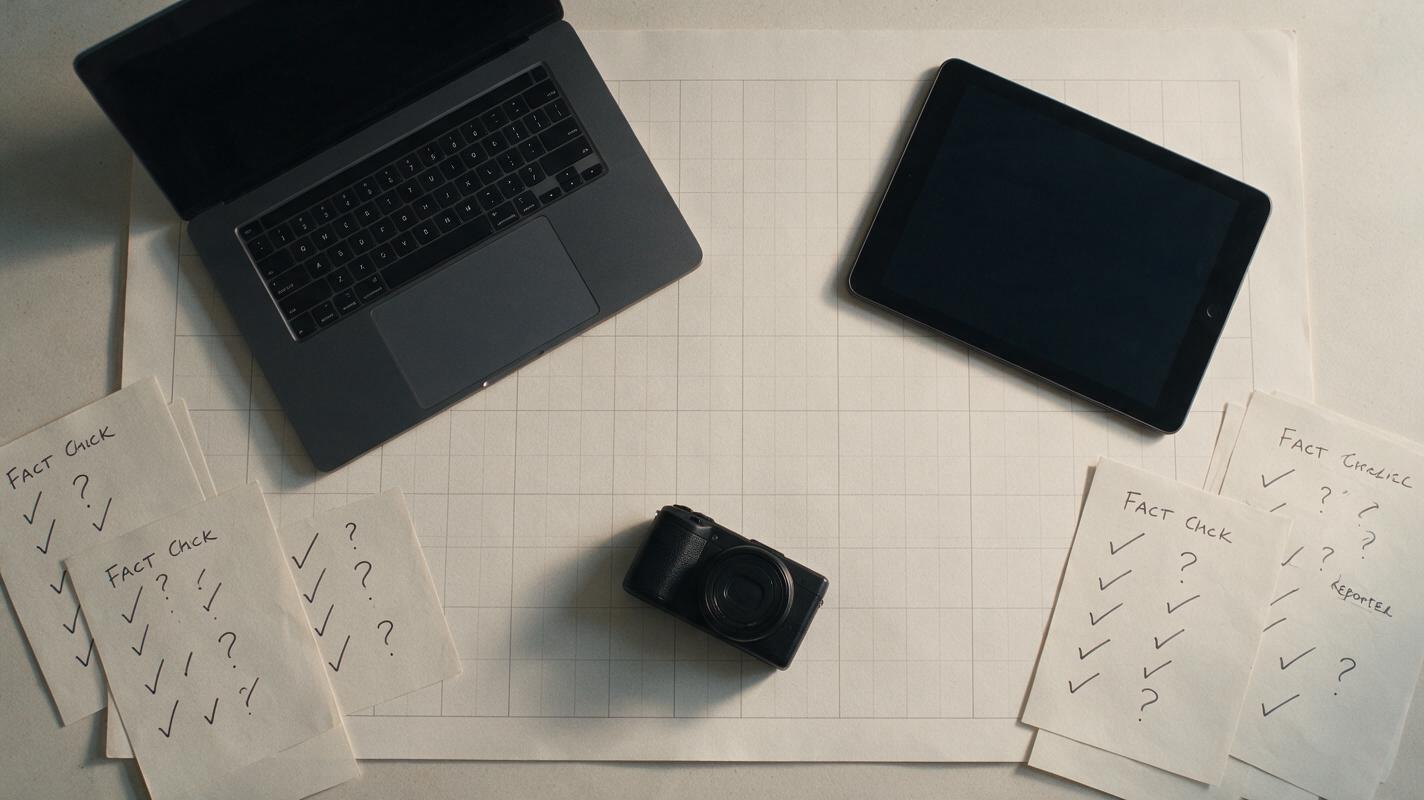
An ai storyboard can help organize that narrative around the reported facts before images or motion scenes are produced. The opening frame can establish the late-October report, the middle can contrast touch, keyboard and tablet interaction, and the conclusion can return to the unanswered questions.
For motion coverage, an ai video generator can support a concise news package built around generic real-world devices rather than an invented MacBook design. Human review remains essential so that captions, narration and visuals do not introduce specifications absent from the report.
What This Signals for AI Content Production
The reported Apple launch demonstrates why news-focused AI automation should not be treated as permission to publish every generated detail. An AI assistant may be useful for organizing a brief, comparing formats or adapting copy, but the source boundary must remain visible throughout the production process.
A practical editorial brief for this story has only a few fixed elements:
- Company: Apple
- Reported products: the first touchscreen MacBook and a new iPad
- Timing: later in October 2026
- Context: described as a second major launch that month
- Unknowns: exact date, model names, prices and specifications
That compact fact set can anchor an article, newsletter, narrated clip and social graphic. The creative treatment can vary, but the factual core should not. This is where a unified production environment becomes useful: writers and visual teams can preserve one approved brief while adapting it into several formats.
MagicBoat connects that kind of multi-format production with a broader AI video workflow. Instead of presenting an imagined device as real, teams can focus on editorial comparisons, physical interaction and clearly labeled analysis while retaining control over the final message.
Why Flexible Tools Matter Around Hardware News
Hardware stories develop quickly as reports, event announcements and product details appear. A rigid content pipeline can leave teams repeatedly rebuilding the same concept for different channels. A flexible platform makes it easier to revise narration, replace uncertain visuals and update a sequence when more information becomes available.
This flexibility is not about predicting Apple’s announcement. It is about responding responsibly to the information already reported. The current story is compelling because it points to a possible change in the MacBook experience, not because every product detail is known.
For publishers, marketers and independent producers, the strongest angle is therefore controlled curiosity. The headline can lead with the first touchscreen MacBook and new iPad, while the body explains both the significance and the limitations of the report. Visuals should explore the laptop-tablet relationship without presenting speculative renders as official hardware.
Key Takeaways
- Apple was reportedly preparing a second major launch for later in October 2026.
- The reported products were the first touchscreen MacBook and a new iPad.
- The report did not state a precise event date, model names, prices or technical specifications.
- The touchscreen angle creates a strong editorial comparison between laptop and tablet interaction.
- Visual coverage should avoid fabricated hardware designs, interfaces and unsupported features.
- Teams can try these models for free to develop evidence-bounded articles, storyboards and video concepts from one approved brief.
Keywords
touchscreen MacBook, new iPad, Apple hardware launch, AI workflow, AI assistant, AI video workflow, AI automation