Avengers: Doomsday Credits List Ryan Reynolds, Hugh Jackman as Writers
Marvel fans uncovered Writers Guild of America directory credits for Avengers: Doomsday listing Ryan Reynolds and Hugh Jackman among ten contributing writers, marking Jackman’s first official writing credit. The film, reworked from The Kang Dynasty after Jonathan Majors’ firing, leverages the pair’s proven on-screen chemistry to shape their characters in the ensemble Avengers event. This star-driven writing strategy holds actionable lessons for independent AI content creators using AI script and short drama tools to build ensemble stories.
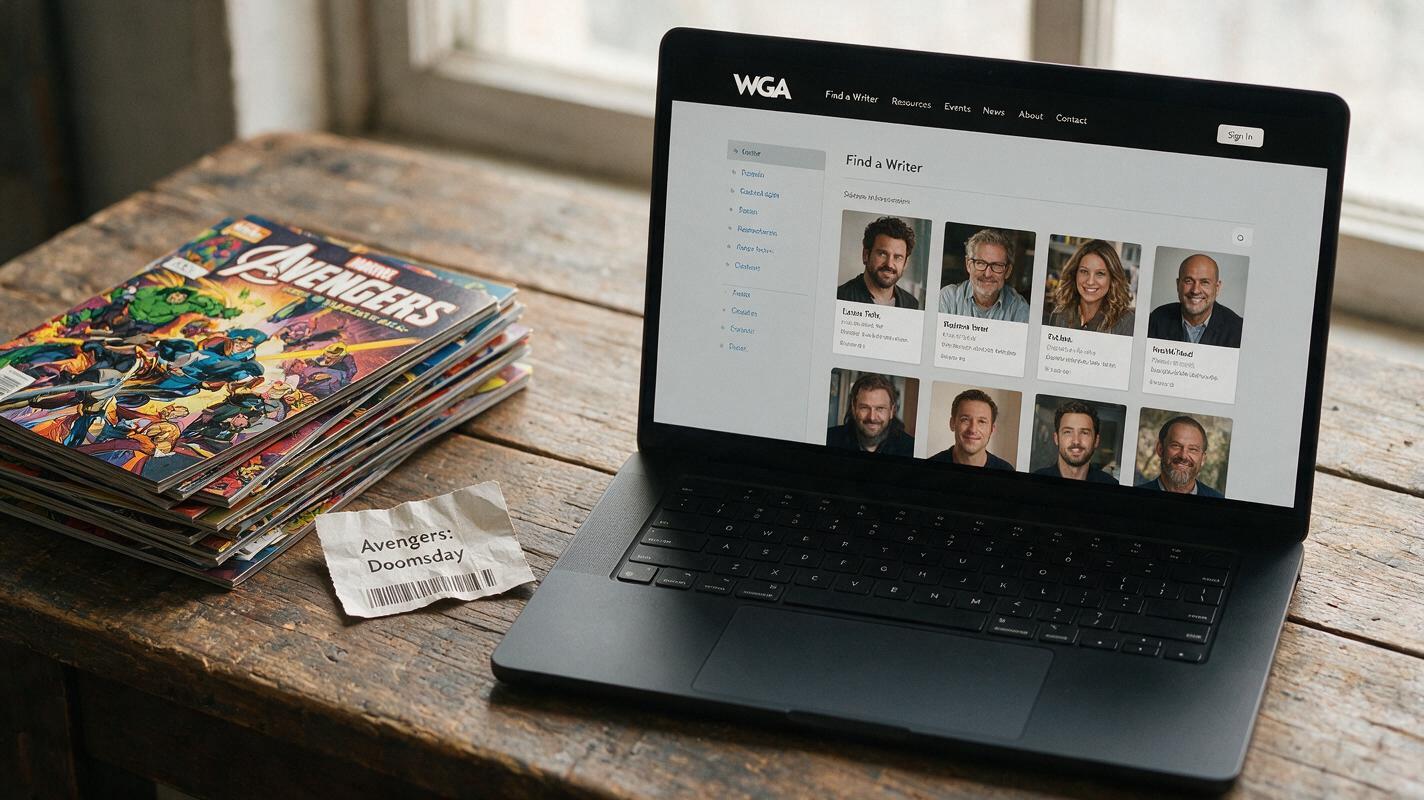
Table of contents
Avengers: Doomsday WGA Credits List Ryan Reynolds and Hugh Jackman
Marvel fans uncovered a surprising detail about the upcoming Avengers ensemble film in early November 2026, when Writers Guild of America directory listings for Avengers: Doomsday revealed a 10-person writing team that includes two of the franchise’s biggest on-screen stars. Variety first reported the find on Nov 12, after fans spotted the credits in the WGA’s public “Find a Writer” database.
Primary screenwriting credit for the film goes to long-time Marvel writer Stephen McFeely and Loki creator Michael Waldron. The official “additional literary material” credits — a guild designation for writers who contributed contracted work but did not qualify for top billing, and which do not appear on screen — list eight more names: Eric Pearson, Chris McKenna, Erik Sommers, Jeff Loveness, Andrew Lanham, Destin Daniel Cretton, Ryan Reynolds, and Hugh Jackman.
The star pair’s inclusion is particularly notable. Reynolds has prior writing credits on Deadpool 2 and Deadpool & Wolverine, but this marks Jackman’s first official writing credit of his career. WGA rules define additional literary material as formal recognition for guild-contracted writers who provided writing services on a project but did not meet the threshold for a primary screenwriting credit. Reynolds responded to the news with a cryptic X post sharing a clip from Deadpool & Wolverine on Nov 12; Variety reached out to Marvel and both actors’ representatives for comment but received no reply.
The film has undergone significant creative upheaval since its original announcement. First developed as Avengers: The Kang Dynasty with Cretton directing and Loveness writing, the project was reworked entirely after Jonathan Majors — the actor set to lead the franchise as Kang — was fired. The Russo Brothers stepped in to restructure the story around Robert Downey Jr.’s Doctor Doom as the central villain, and Cretton moved on to direct Spider-Man: Brand New Day. The WGA database carries an explicit warning that some credit data is self-reported and not independently verified.
Why a Star-Studded Writing Team Matters for Marvel
Bringing on A-list talent as writers is an unusual move even for a franchise as massive as the MCU, but it aligns with a broader strategy of leaning into proven character chemistry. Reynolds and Jackman’s on-screen dynamic in Deadpool & Wolverine was a major box office draw, and giving the pair input on their characters’ dialogue and story beats in the Avengers ensemble helps ensure that fan-favorite voices feel authentic in a crowded, high-stakes film.
The 10-person writing roster also reflects the scale of Avengers: Doomsday as a cross-franchise event. Ensemble films with dozens of core characters often rely on teams of writers to manage separate character arcs, comedic beats, and action set pieces, with primary scribes pulling all the threads together into a cohesive narrative. For Marvel, which is navigating a soft patch of audience reception for some recent projects, the combination of veteran franchise writers and star talent is a calculated bet to re-energize the Avengers brand.
Lessons for Independent AI Content Creators
You don’t need a nine-figure budget or a roster of A-list stars to apply the same core strategy to your own content. The logic behind Marvel’s stacked writing team — bringing in multiple perspectives to sharpen distinct character voices and lean into proven chemistry — is exactly the kind of workflow that modern ai script generator tools make accessible to independent creators working alone or in small teams.
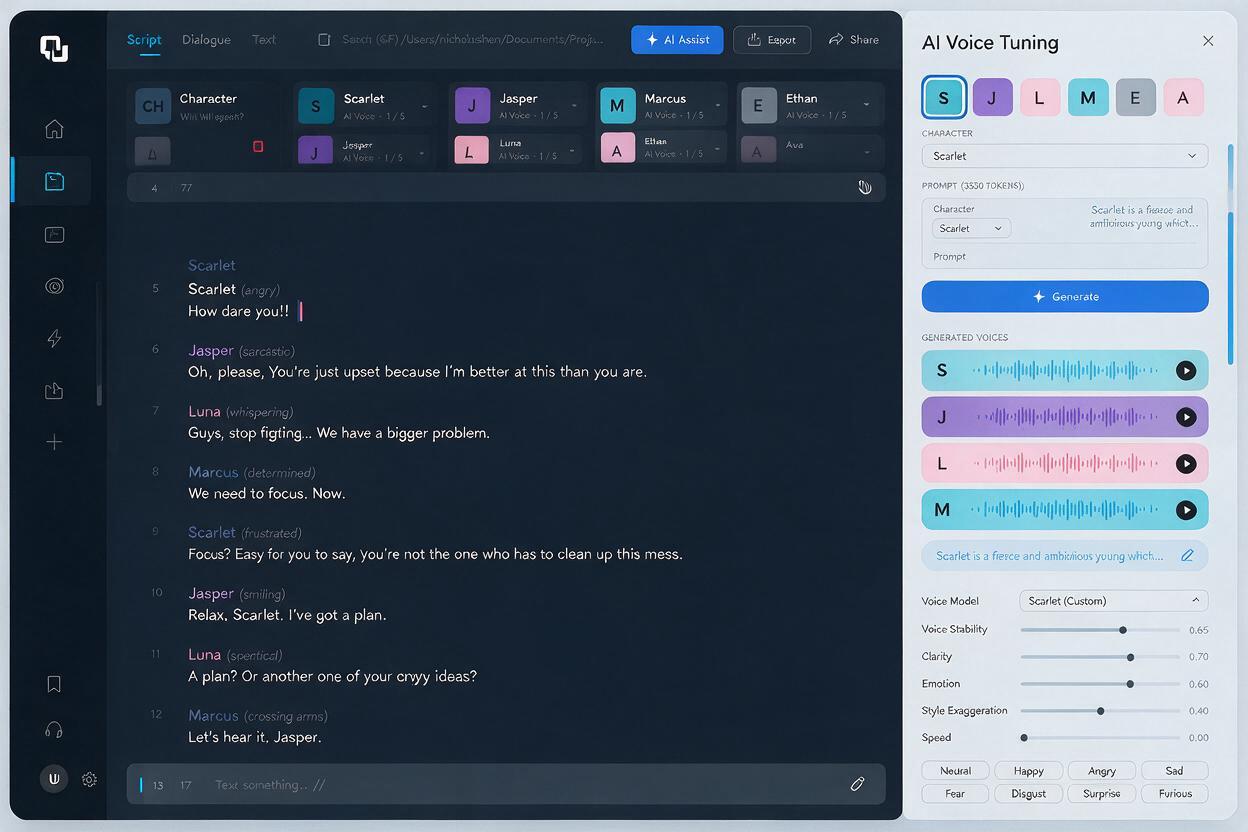
For creators building ai short drama series or ensemble-driven micro-content, you can simulate the effect of a multi-writer room by running multiple AI drafting passes, each tuned to a different character’s voice or narrative perspective. This approach lets you test banter, refine character dynamics, and catch tonal inconsistencies that might slip through in a single draft — all without hiring a full writing staff.
This is especially valuable for serialized content, where consistent character voice across multiple episodes directly impacts viewer retention. Just as Marvel brought in Reynolds and Jackman to make sure Deadpool and Wolverine feel like themselves across different franchises, AI tools let you lock in distinct, consistent voices for every member of your cast, no matter how many episodes you produce.
How to Apply This to Your Own AI Film Projects
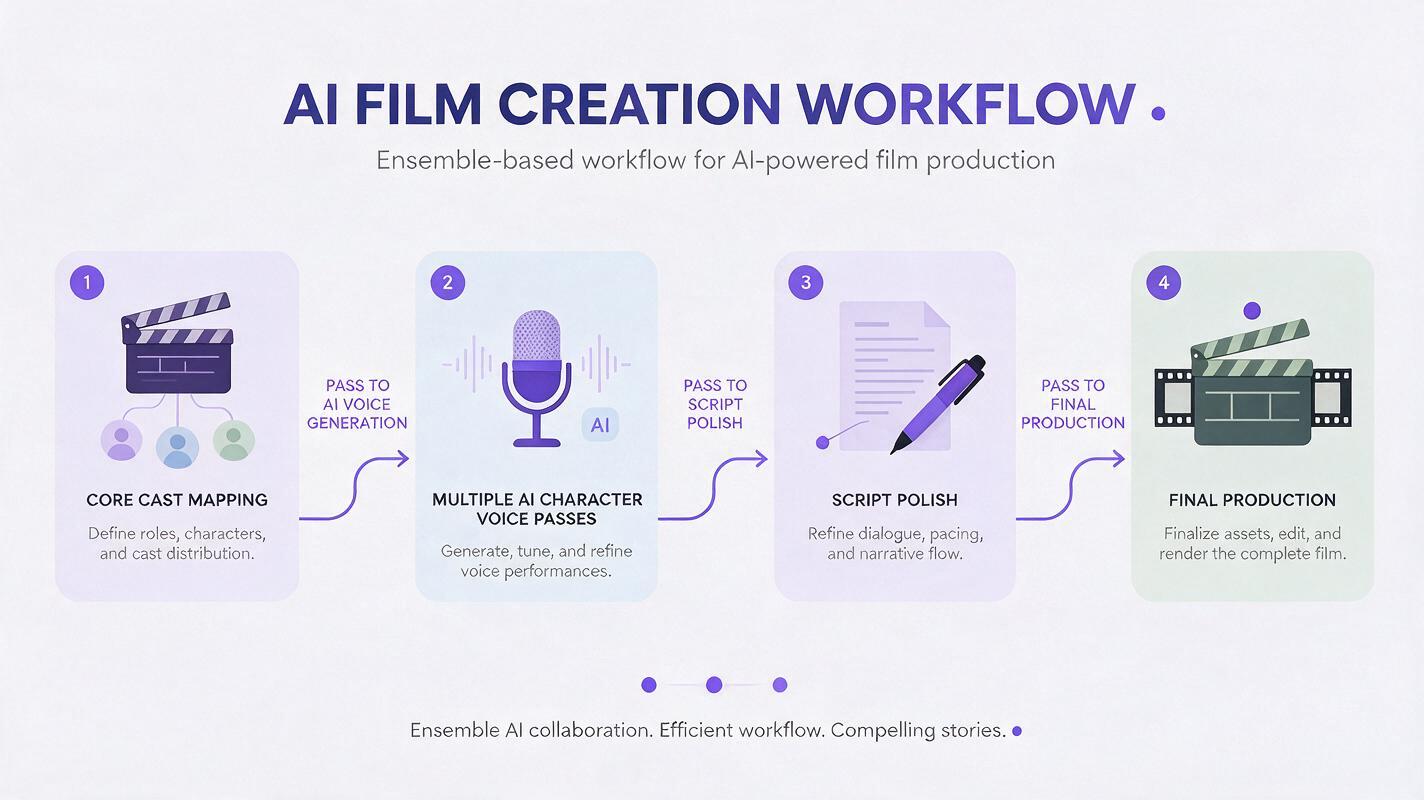
Start by mapping out your core cast and the key beats each character needs to hit in your story, just as the Avengers team would have done for Doctor Doom, Deadpool, Wolverine, and the rest of the ensemble. Use an AI story generator to draft a first pass of the script, then run targeted revisions focused on individual characters: prompt the tool to rewrite a scene from one character’s perspective, adjust dialogue to match their established voice, or add beats that play to their most popular traits.
For projects with a standout character dynamic — the same way Reynolds and Jackman’s chemistry is a draw for Avengers: Doomsday — spend extra time refining those shared scenes. Run multiple AI drafts of their banter, test different comedic or dramatic beats, and pick the versions that feel the most authentic. This level of iteration was once only feasible for big-budget productions with large writing teams, but it is now available to any creator with access to AI writing tools.
You can also use the same “additional literary material” framework to organize your own AI-assisted workflow. Use AI for early brainstorming, scene ideation, and first-draft dialogue (the equivalent of additional material), then do a final pass yourself to pull everything together and add your unique creative voice (the primary writer role). This balance lets you move fast while retaining full creative control over the final product.
Key Takeaways
- Star input strengthens character authenticity: Bringing in talent with deep ties to specific characters — even in a writing capacity — helps keep fan-favorite voices consistent across franchise projects.
- Ensemble stories benefit from multiple perspectives: Large casts with distinct voices are easier to manage with multiple writing passes, each focused on different characters or beats.
- AI tools democratize multi-writer workflows: Independent creators can use AI script tools to simulate the effect of a full writing room, testing multiple character voices and dialogue passes on a small budget.
- Proven character chemistry is a valuable asset: Leaning into dynamic, well-received character pairs can boost engagement for both blockbusters and indie AI short drama projects.
Ready to test a multi-pass writing workflow for your next project? try these models for free and see how AI tools can help you sharpen every character’s voice.
Keywords
avengers doomsday, ryan reynolds, hugh jackman, wga writing credits, marvel cinematic universe, ai content creation, ai script generator, ai short drama