BIS Closes Cloud Compute Backdoor With New AI Chip Export Rule
The U.S. Commerce Department's Bureau of Industry and Security issued an interim final rule on November 15, 2026, closing the cloud compute backdoor by requiring licenses for advanced AI chip exports to data centers in five countries and for restricted remote compute access. The rule, aimed at preventing Chinese firms from accessing restricted AI compute via third-country data centers, triggered sharp selloffs in Asian tech markets led by Taiwan's 6.03% Taiex decline. For AI content creators, the rule introduces new compute availability uncertainty, reinforcing the value of multi-model platforms with diversified infrastructure backing.
Table of contents
What the New BIS Cloud Compute Export Rule Covers
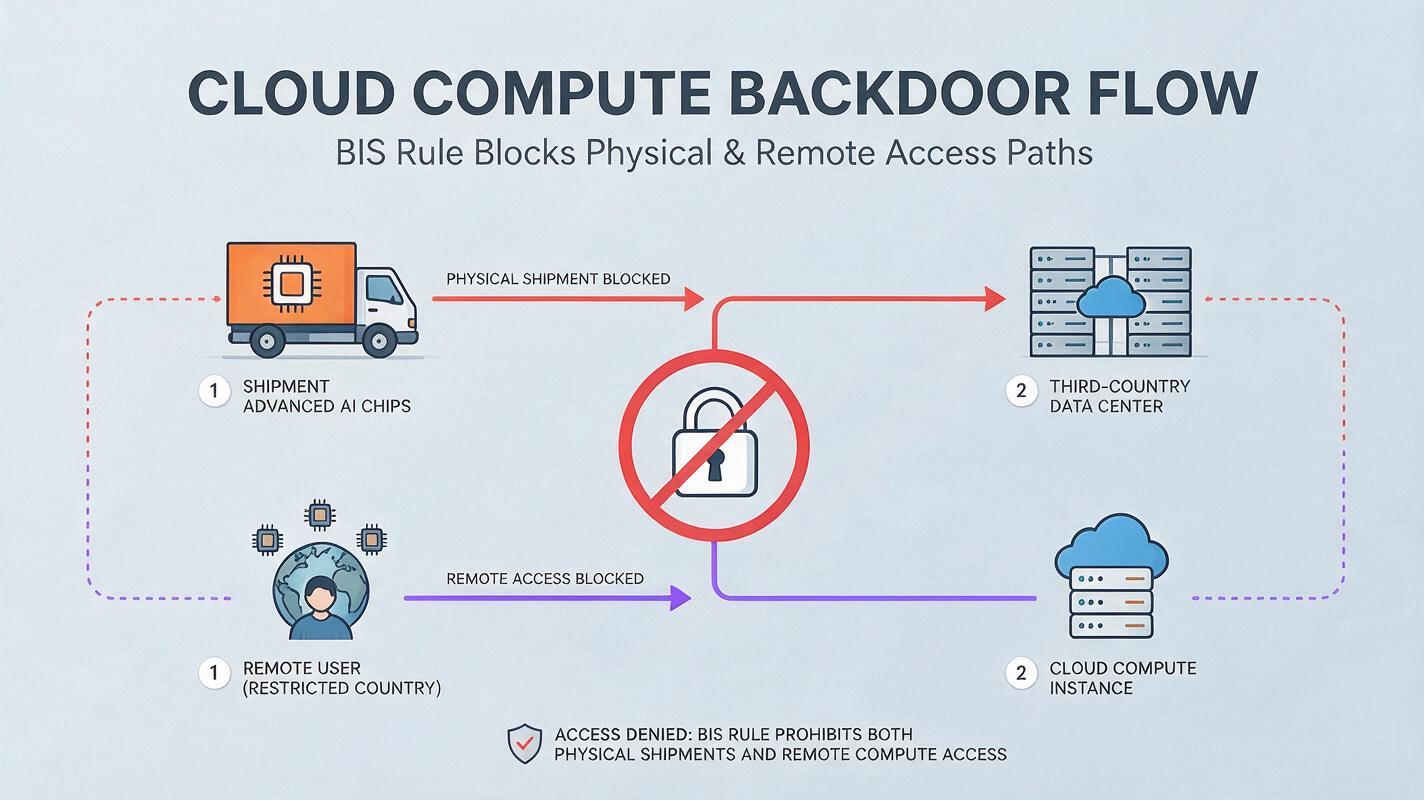
The U.S. Commerce Department's Bureau of Industry and Security (BIS) issued an interim final rule on November 15, 2026, closing what officials call the "cloud compute backdoor" in existing AI chip export controls. The rule expands regulatory oversight beyond physical chip shipments to cover remote access to advanced AI compute, a gap that had allowed firms to circumvent prior restrictions by renting processing power from third-country data centers.
Under the new rule, export licenses are required for two key activities: shipping advanced AI chips to data centers located in five unnamed countries, and providing remote access to restricted compute capacity from those same locations. The rule is explicitly targeted at stopping firms from routing Chinese access to restricted AI chips through data centers in third jurisdictions, according to official summaries of the interim final measure.
Immediate Market Reaction Across Asian Tech Hubs
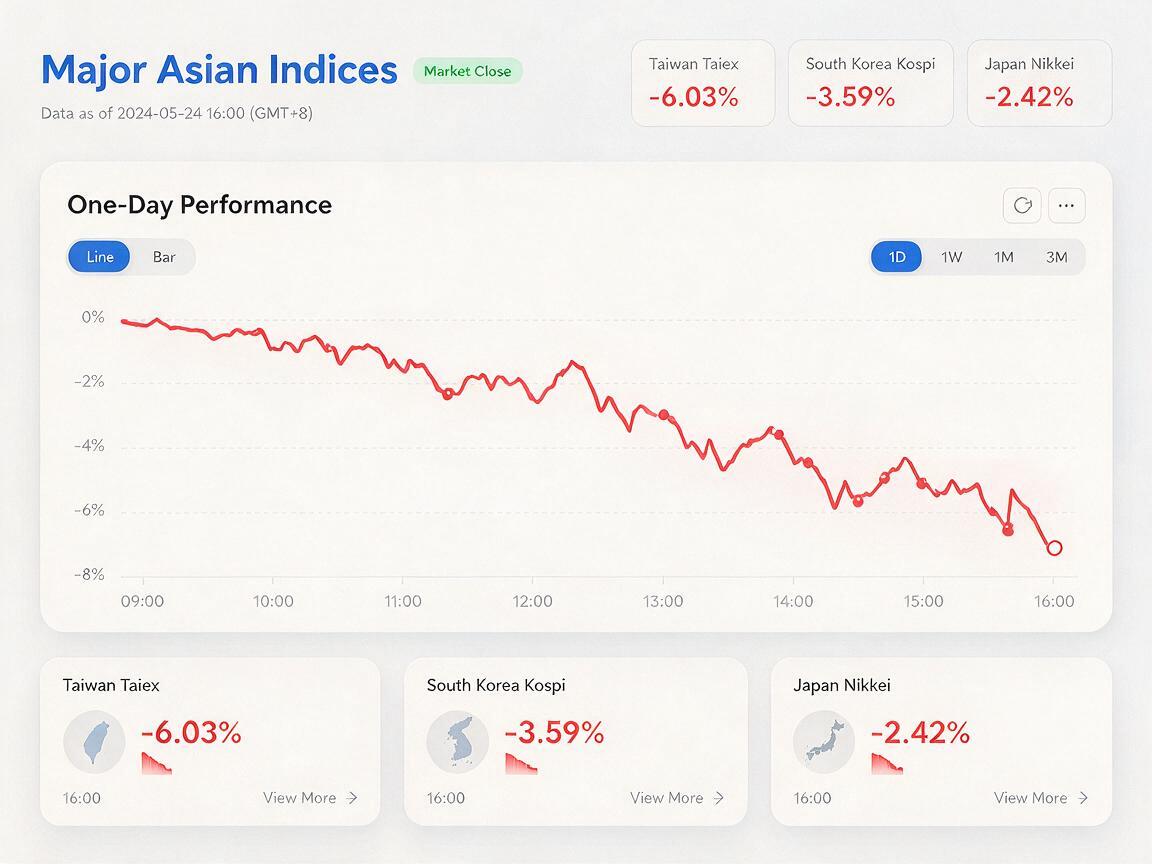
The rule’s announcement triggered sharp selloffs in Asian technology markets first, as investors priced in potential impacts on semiconductor supply chains and cloud compute demand. Taiwan’s Taiex index fell 6.03% in its first trading session after the news, reflecting the island’s central role in global AI chip manufacturing. South Korea’s Kospi dropped 3.59%, and Japan’s Nikkei 225 declined 2.42%, with semiconductor and tech hardware stocks leading the losses in both markets.
The selloff later spread to U.S. markets, where AI-related stocks joined a broader correction on November 16, though the BIS rule was only one of several catalysts including lingering fallout from Nvidia’s CEO resignation and pre-earnings de-risking ahead of Nvidia’s November 17 earnings report.
What This Means for AI Content Creators
For AI content creators who rely on cloud-based models for everything from drafting scripts to generating visuals, the rule introduces new layers of uncertainty around global compute availability and pricing. Many popular tools for text to video and ai image generator run on advanced AI chips hosted in data centers around the world, and regulatory shifts can alter which models are accessible in which regions, or change the cost of compute over time.
Creators who build their entire ai workflow around a single cloud provider or model vendor may face disruptions if that provider’s capacity is impacted by export rule changes, regional data center restrictions, or supply chain shifts. Even small changes in compute availability can delay production timelines, raise costs, or limit access to specific model capabilities that creators depend on for their work.
A diversified, multi-model approach to AI content creation reduces this risk by spreading reliance across multiple providers, model families, and infrastructure regions. Platforms like MagicBoat centralize access to a wide range of AI tools for ai video workflow, image generation, scriptwriting and more, so creators don’t have to manage multiple vendor accounts or track regional access rules for every tool they use. You can try these models for free to build a more resilient creative pipeline that isn’t dependent on any single provider or infrastructure hub.

Key Takeaways
- The BIS interim final rule closes the cloud compute backdoor by requiring licenses for both advanced AI chip exports to data centers in five countries and remote access to restricted compute from those locations.
- Asian tech markets saw immediate sharp declines following the rule announcement, led by semiconductor-heavy indices in Taiwan, South Korea and Japan.
- AI content creators can reduce workflow risk by using multi-model platforms that spread compute and model access across multiple providers and regions.
- Diversified AI toolkits help insulate creative production from regulatory shifts, supply chain changes, and single-provider outages.
Keywords
ai agent, ai workflow, ai automation, cloud compute, bis ai chip rule, ai infrastructure, ai video workflow