Blue Eye Samurai Season 2 Adds Jonathan Pryce, Joel Kim Booster, Sherry Cola
Netflix’s Blue Eye Samurai has added three high-profile voice actors to its Season 2 cast: Jonathan Pryce, Joel Kim Booster, and Sherry Cola. The October 15 casting announcement highlights the ongoing importance of voice performance in animated storytelling. For AI content creators, the news offers clear takeaways for building character-driven AI video and short drama projects.
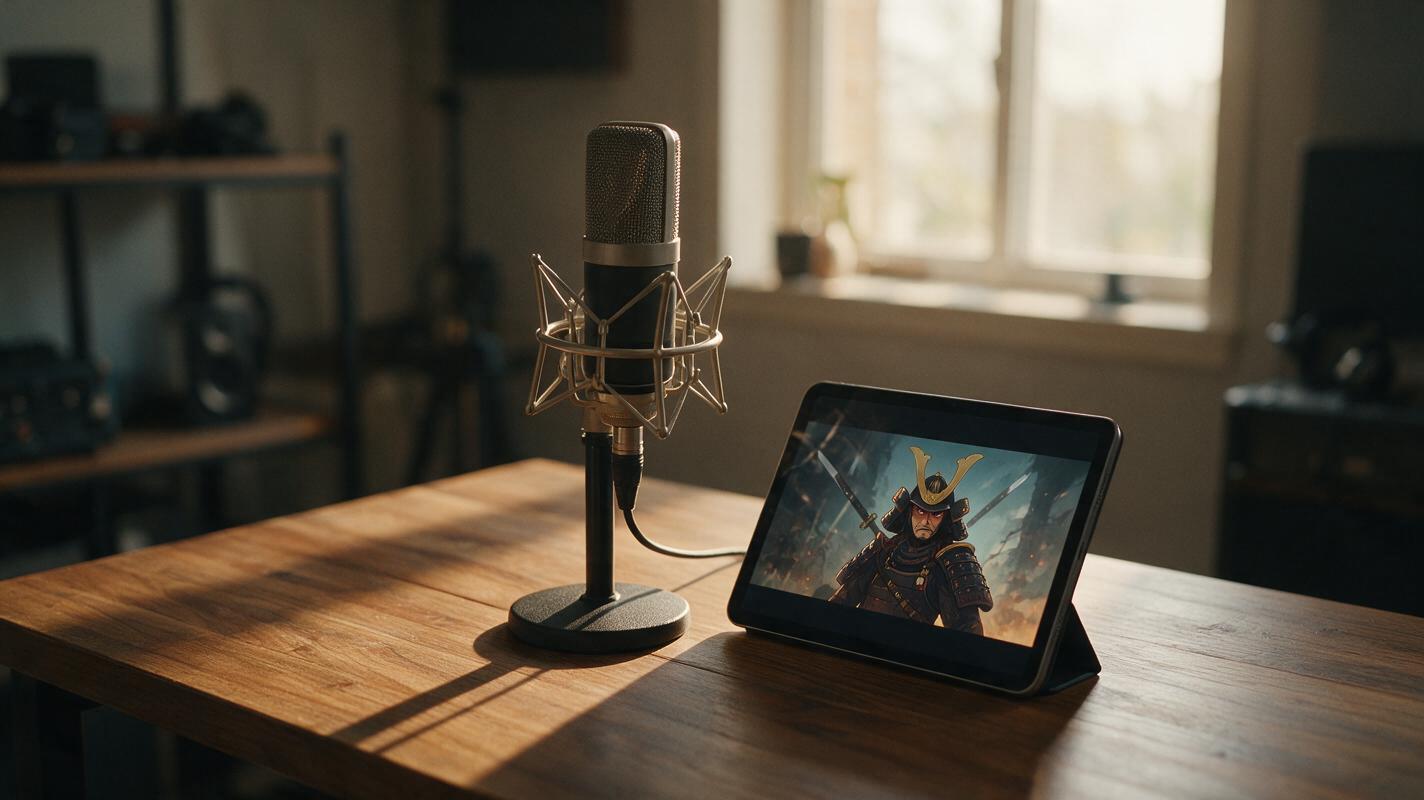
Table of contents
Blue Eye Samurai Season 2 Casting News
On October 15, a major casting update dropped for the upcoming second season of Netflix’s Blue Eye Samurai: three notable performers are joining the show’s voice cast. The new additions include Jonathan Pryce, Joel Kim Booster, and Sherry Cola, marking a high-profile expansion of the series’ ensemble. The news was first reported by What’s on Netflix, as part of the streamer’s ongoing buildout of its animated content slate.
While no character details or official Season 2 release date have been revealed alongside the casting announcement, the addition of recognizable and versatile voice talent signals a continued investment in the series’ creative scope. Voice casting is a core pillar of animated storytelling, with performer choices directly shaping how audiences connect with on-screen characters and the overall narrative world.
Why Voice Casting Matters for Animated Storytelling
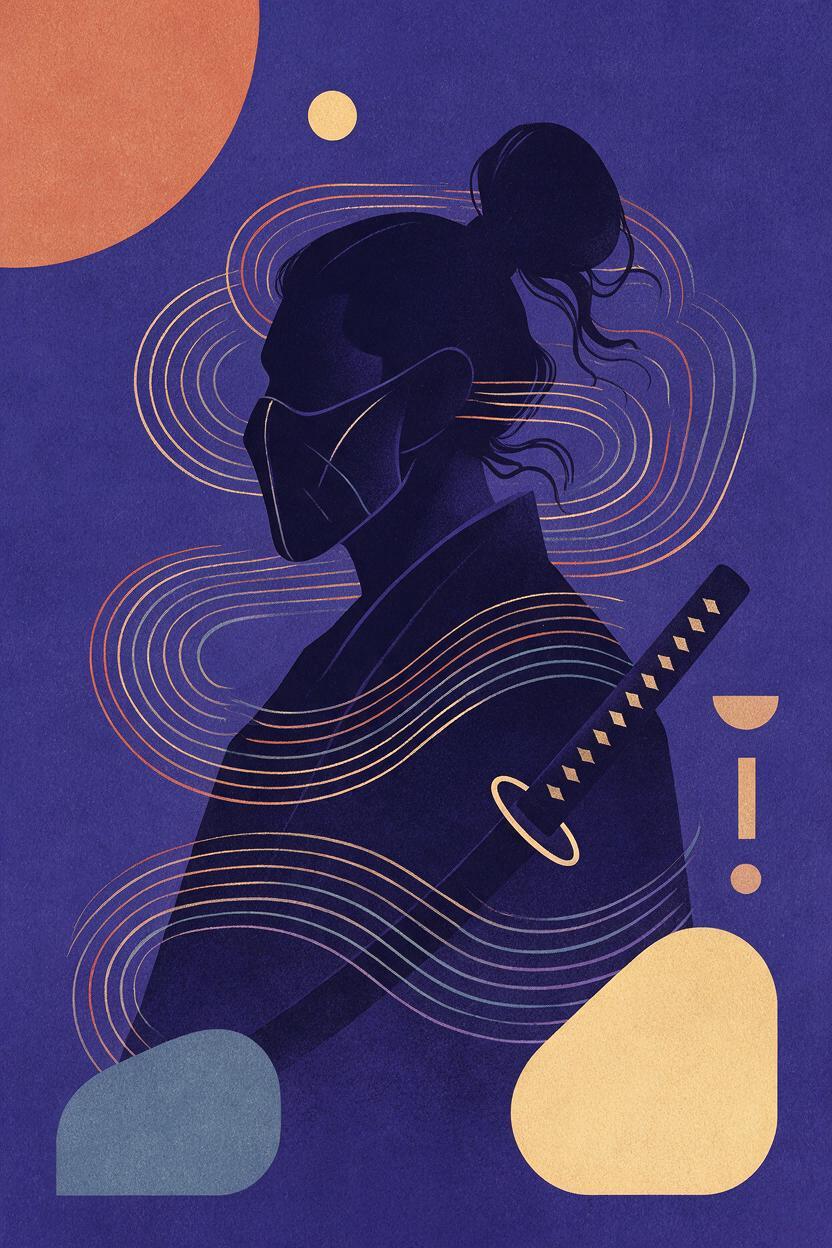
For any animated project — whether a big-budget streaming series or an independent short film — voice performance is one of the most impactful tools for building character depth and audience engagement. A well-cast voice actor can bring nuance, emotion, and memorability to a character, turning a visual design into a fully realized personality that viewers care about. This is why top streaming platforms like Netflix invest heavily in assembling talented, recognizable voice ensembles for their animated slate.
The casting choices for Blue Eye Samurai Season 2 also highlight the value of range in a voice cast. Pryce, Booster, and Cola each bring distinct vocal styles and performance backgrounds, from dramatic depth to comedic timing, giving the creative team more flexibility to craft diverse, compelling characters for the new season.
Lessons for AI Content Creators
For independent creators working on animated and AI-driven projects, the principles behind high-profile voice casting translate directly to modern ai content creation. Even when working with smaller budgets or faster turnaround times, the quality and fit of a character’s voice can make or break audience investment in your story.
Many new creators focus solely on visual quality when using text to video tools, but neglecting voice performance can leave even the most visually striking projects feeling flat. Just as traditional animated series carefully match voice actors to character personalities, AI creators should prioritize vocal tone, delivery style, and emotional range when selecting or generating voices for their projects.
This is especially relevant for creators working on ai short drama series, where consistent, memorable character voices help build viewer loyalty across multiple episodes. A distinct voice cast can become one of your project’s most recognizable and marketable assets, just as it does for hit streaming shows on netflix.
Building Character-Driven AI Video Projects
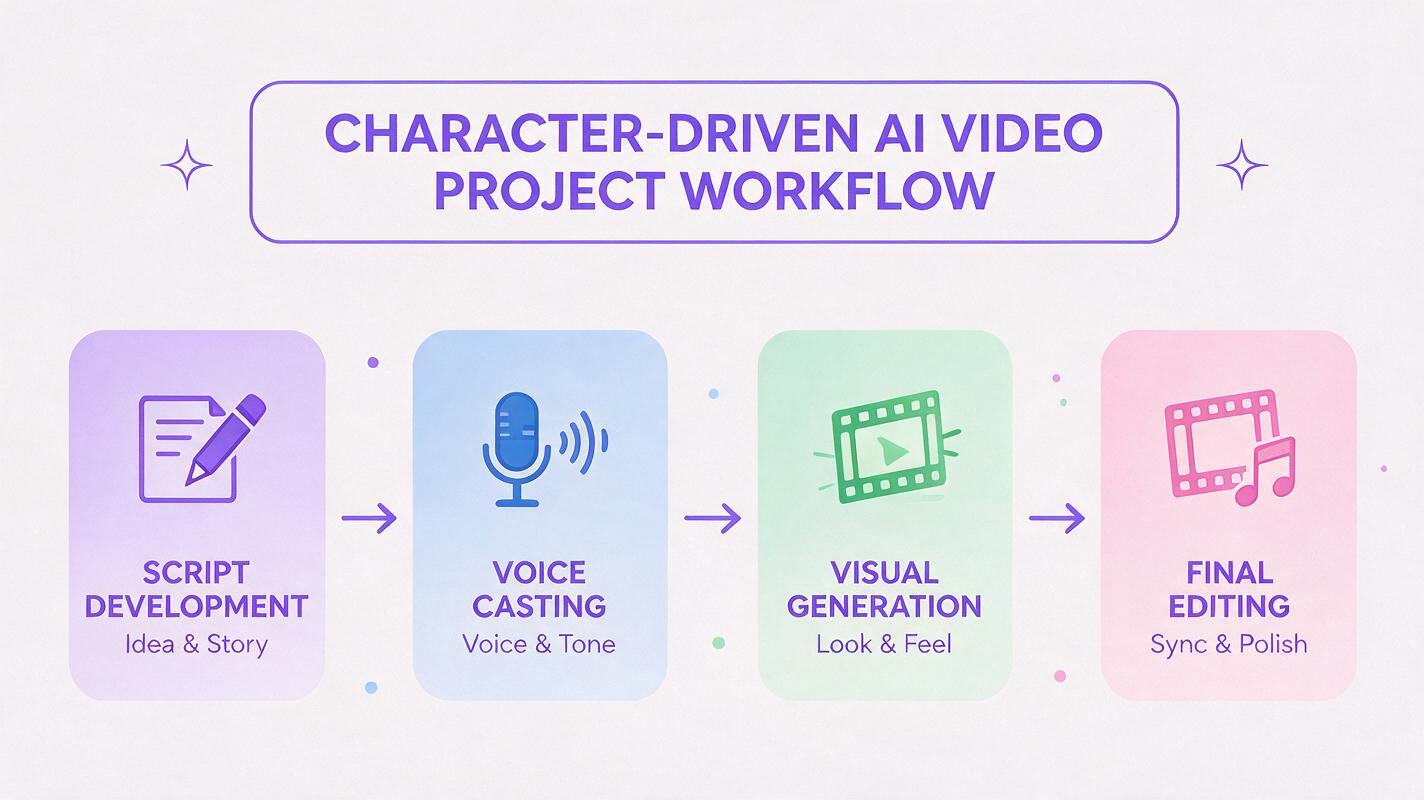
Great voice work is only one piece of the puzzle when it comes to creating engaging ai video content. The best animated projects — from Blue Eye Samurai to independent short films — combine strong character design, compelling writing, and cohesive visual style to immerse viewers in their world. AI tools make it easier than ever for independent creators to execute all of these elements without a large production team.
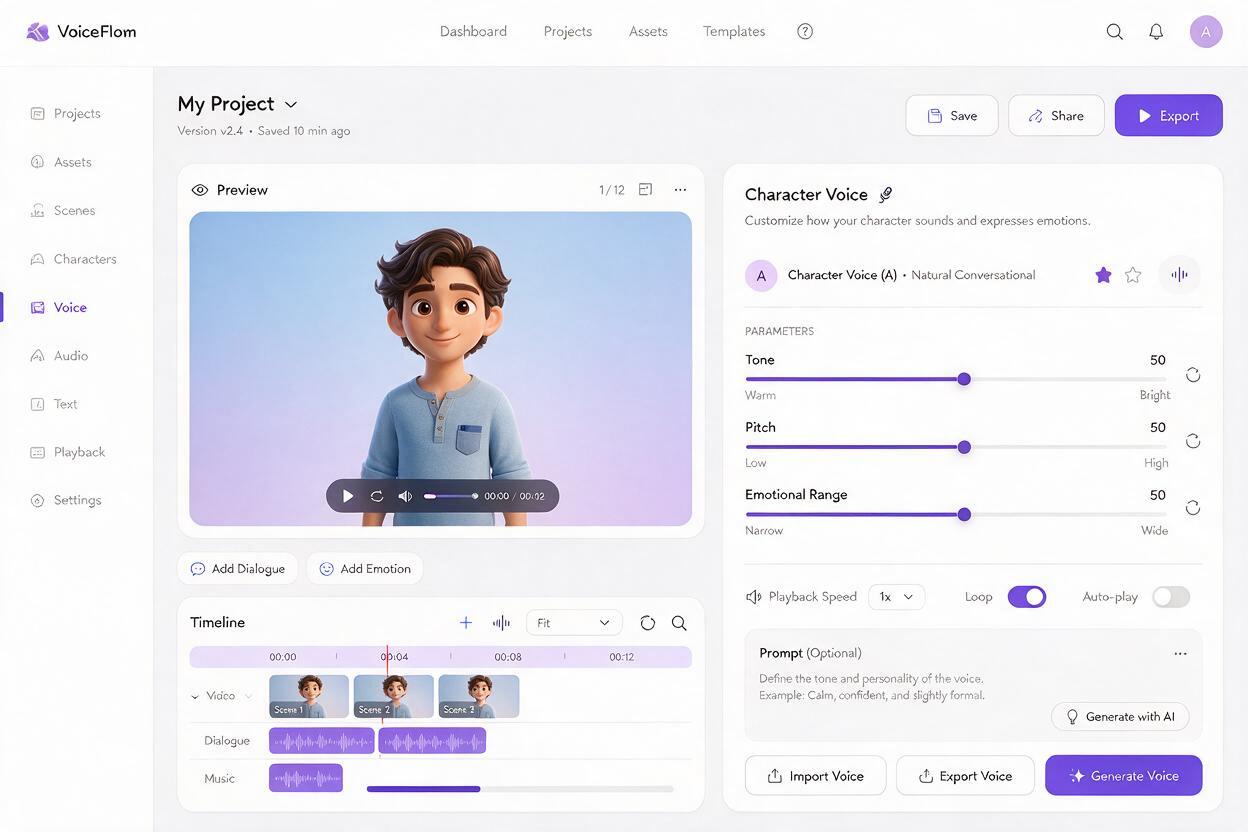
For example, you can use an ai voice generator to test out different vocal performances for your characters during the pre-production phase, helping you lock in the right tone before you move to full visual production. You can also experiment with different character designs and scene compositions using AI image tools, iterating quickly to find the right look for your project.
Platforms like MagicBoat bring all of these tools together in one place, so you can move seamlessly from script writing to voice generation to visual production without switching between multiple services. This integrated workflow makes it easier to maintain consistency across every element of your project, from character voice to visual style.
Key Takeaways
- Prioritize voice performance as a core creative element of animated and AI video projects, not an afterthought.
- Match vocal tone and delivery style to each character’s personality to build stronger audience connection.
- Use integrated AI tools to iterate on voice, visual, and story elements quickly and consistently.
- Look to hit streaming series as a blueprint for casting and character design choices, even for small independent projects.
Whether you’re working on a short animated film, a multi-episode drama series, or a quick social media clip, the right tools and creative choices can help you create content that resonates with audiences. try these models for free to start building your own character-driven AI video project today.
Keywords
blue eye samurai season 2, netflix, voice cast, ai content creation, text to video, ai short drama, ai video, animated series