Iranian Operation Used ChatGPT to Plant Fake Articles, Washington Post Reports
A Washington Post report details an Iranian influence operation that used ChatGPT to generate and plant fake news articles in U.S. local media outlets, including a Florida weekly. The incident highlights growing risks of AI-generated misinformation, with actionable guardrails for AI video and image creators looking to protect their audiences and reputations.

Table of contents
The Washington Post Report on AI-Generated Fake News
On October 9, 2026, The Washington Post reported that an Iranian influence operation used ChatGPT to generate and plant fake news articles in U.S. media outlets, including a local Florida weekly. The disclosure marks a high-profile example of state-linked actors leveraging mainstream generative AI tools to seed misinformation in local U.S. news ecosystems, per publicly referenced reporting.
Confirmed details about the operation remain limited to core verified facts: the operation is tied to Iranian actors, it used OpenAI’s ChatGPT to produce fake article content, and the content was successfully placed in at least one U.S. local outlet (a Florida weekly) alongside other unnamed U.S. media targets. No further details about the volume of fake articles, their specific subject matter, or the full timeline of the operation have been confirmed in available public disclosures.
While the incident centers on political misinformation, its ripple effects extend to every corner of AI content creation—including the AI video and image creator communities that rely on generative tools like ChatGPT for scripting, research, and workflow planning.
Why This Incident Matters for AI Video and Image Creators
For creators who build their work around generative AI tools, the line between useful productivity aid and potential misinformation vector is thinner than many realize. ChatGPT and similar language models are staples of modern creative workflows: they’re used to draft video scripts, brainstorm visual concepts, write voiceover copy, research background details for historical or factual content, and even generate social media captions to promote finished work.
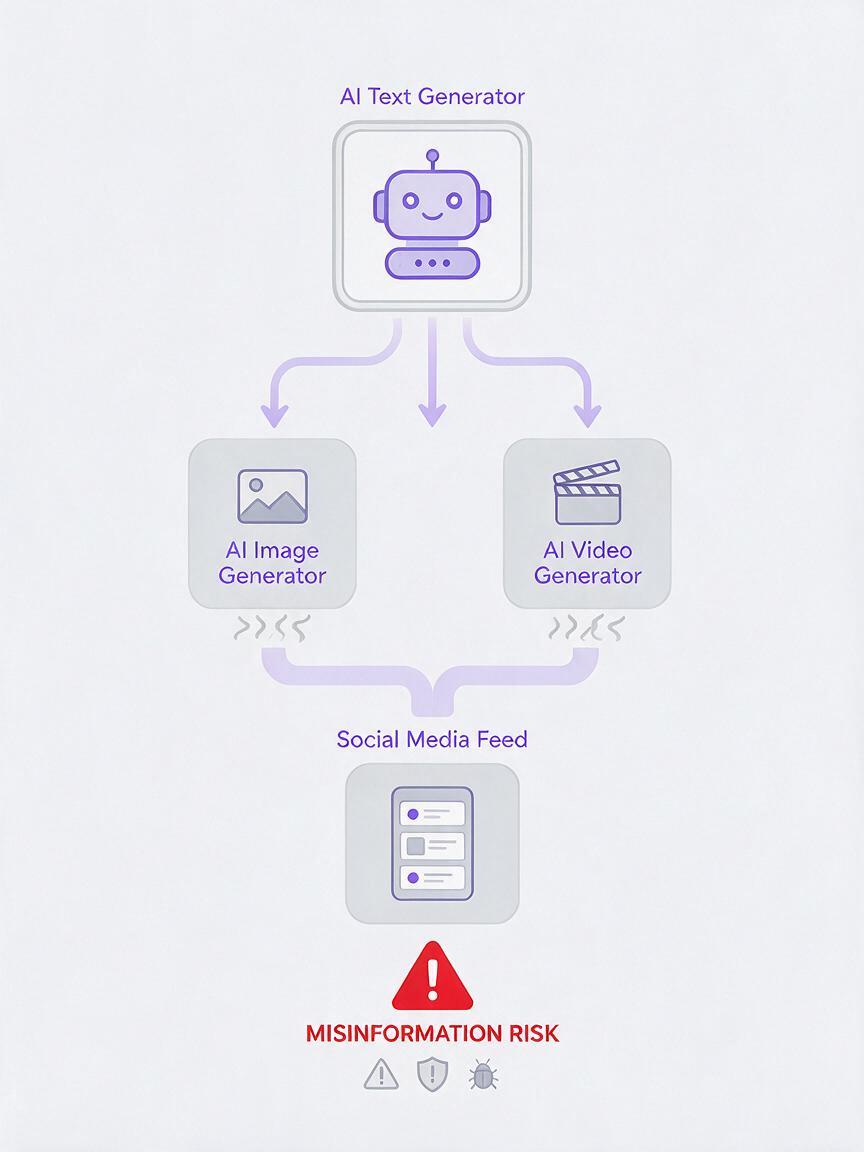
The same accessibility and versatility that makes these tools valuable for creators also makes them accessible to bad actors. A fake news article generated with ChatGPT can be easily paired with content from an ai image generator or text to video tool to create highly convincing multimedia misinformation that spreads rapidly across social platforms. For creators, this creates two distinct risks: accidental amplification of fake content, and having their own original AI-generated work misrepresented as part of bad-faith campaigns.
Accidental amplification happens when creators source reference material, quotes, or factual background from unvetted online content—including AI-generated fake articles—without cross-checking. A creator making a short documentary clip about a local news event, for example, might pull details from a fake local news article without realizing it, then publish a video that spreads false information to their audience. That can erode audience trust, lead to platform takedowns, and even expose creators to legal risk depending on the content.
The second risk is reputational: as AI-generated misinformation becomes more common, audiences and platforms are becoming more skeptical of all AI content. Creators who produce legitimate, ethical AI video and image work can face unfair scrutiny simply because bad actors are using the same categories of tools to spread fake content. Proactive transparency and content integrity practices are becoming non-negotiable for creators who want to build and maintain trust with their audiences.
Practical Guardrails for Responsible AI Creation
Fortunately, there are concrete, actionable practices creators can adopt to protect both their audiences and their own reputations from AI-generated misinformation risks. These guardrails integrate seamlessly into existing creative workflows, and they add minimal overhead while delivering significant protection.
Verify All Factual Claims Before Integration
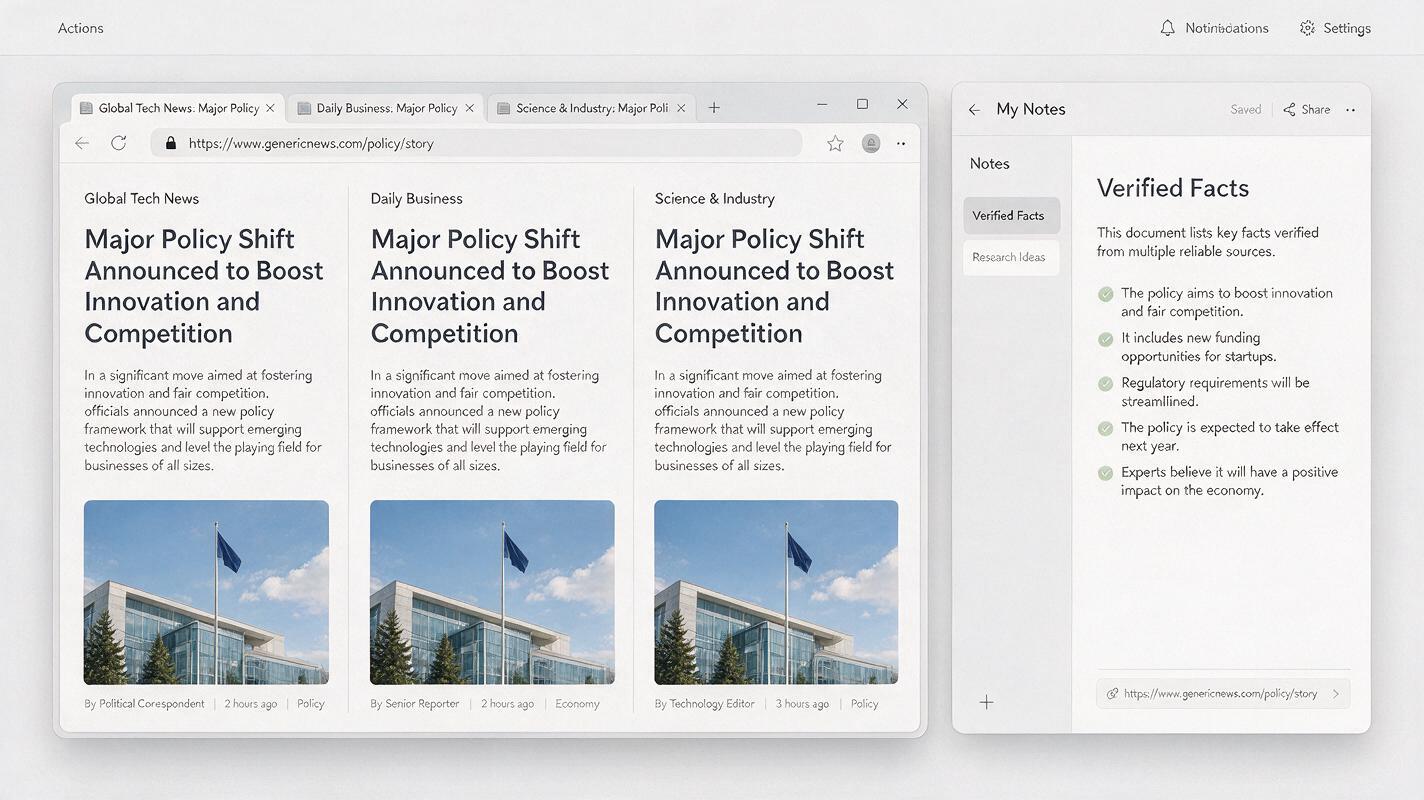
Any factual claim—whether it comes from an AI chatbot, a social media post, or a lesser-known news outlet—should be cross-checked against at least two independent, reputable primary sources before it appears in your creative work. This is especially critical for content about current events, public figures, legal matters, or health topics, where misinformation can cause real-world harm.
For AI-generated scripts or research notes, make a habit of flagging any specific factual claims (dates, names, statistics, event details) and verifying them through established news outlets, government sources, or peer-reviewed publications before you move into production. This simple check prevents you from accidentally becoming a vector for misinformation, even when you’re using AI tools to speed up your research process.
Label and Watermark AI-Generated Content
Clear labeling of AI-generated video, image, and audio content is one of the most effective ways to build audience trust and reduce the spread of misinformation. When viewers know that a piece of content was generated with AI, they can engage with it more critically, and they’re less likely to mistake fictional or satirical AI content for real footage.
Many platforms now require explicit labeling of AI-generated content, especially content that depicts real people or events. Even if a platform doesn’t require it, proactively labeling your AI work—either in the caption, on-screen text, or metadata—positions you as a transparent, ethical creator, which helps build a loyal, trusting audience over time.
Diversify Your AI Toolkit
Relying on a single AI tool for every part of your creative workflow creates unnecessary risk. If that tool is associated with a misinformation campaign, suffers a service outage, or introduces biased or inaccurate outputs, your entire production pipeline can be disrupted. Diversifying your toolkit gives you fallback options, and it lets you cross-check outputs across multiple models to catch errors or inconsistencies.
Multi-model platforms like MagicBoat are designed for this kind of flexible, resilient workflow. With one account, you can access a range of AI tools for scripting, image generation, video creation, audio production, and more, so you can pick the right tool for each task and verify results across different models. This reduces your dependence on any single provider, and it gives you the flexibility to adapt quickly as the AI landscape evolves. You can try these models for free to explore a multi-model AI toolkit built for creators of all sizes.
Key Takeaways
- A Washington Post report documents an Iranian operation that used ChatGPT to plant fake news articles in U.S. media outlets, including a Florida weekly.
- AI-generated misinformation poses direct risks to AI video and image creators, including accidental amplification of false content and reputational harm from association with bad-faith campaigns.
- Verifying factual claims against multiple reputable sources, clearly labeling AI-generated content, and diversifying your AI toolkit are critical guardrails for responsible creation.
- Multi-model platforms give creators the flexibility to cross-check outputs, reduce single-provider risk, and build more resilient, trustworthy creative workflows.

Keywords
chatgpt, ai misinformation, fake news, ai content creation, brand safety, ai video, ai image generator