China Expands AI Export Controls; GlobalFoundries NY Fab Gets Japanese Support
On October 19, 2026, two key developments reshaped the global AI supply chain: China expanded export controls to cover AI-related items alongside solar products, and GlobalFoundries' New York semiconductor fab project advanced with Japanese financing support. The dual moves signal ongoing shifts in AI hardware production and trade dynamics, with potential ripple effects for AI platform pricing and availability. For content creators relying on AI tools, the developments highlight the importance of building resilient, diversified AI workflows.
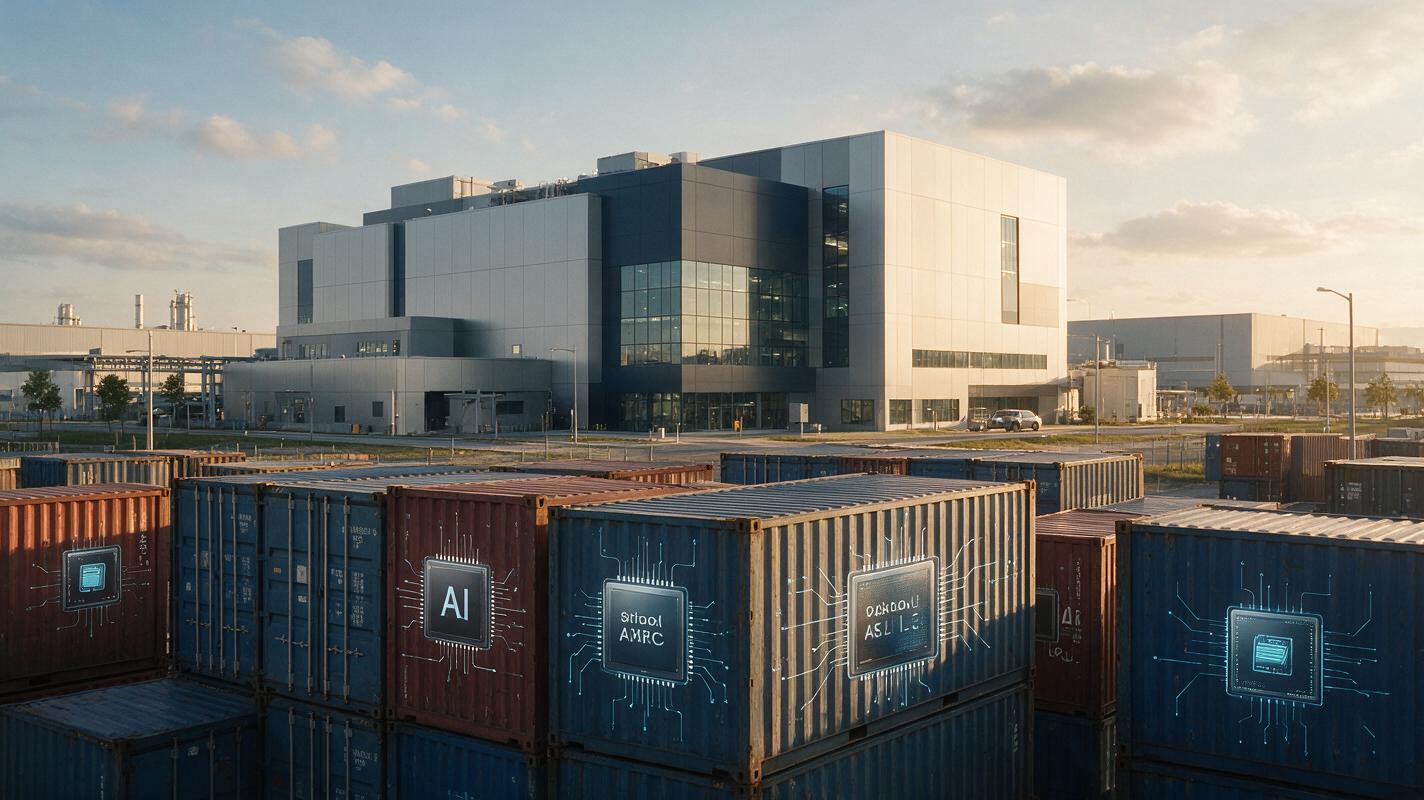
Table of contents
Two Major AI Supply Chain Developments Break on October 19
Two parallel developments reported on October 19, 2026, are reshaping the global AI hardware and supply chain landscape, with ripple effects expected across AI platforms, cloud services, and content creator workflows.
Per reporting from The Automated Daily, the first development is China's expansion of export controls to include both solar and AI-related items, marking a significant update to the country's technology export regulatory framework. The second development is the advancement of GlobalFoundries' New York-based semiconductor fab project, which has secured new financing support from Japanese partners. Taken together, the two moves highlight the growing geopolitical and economic stakes of AI hardware production and distribution worldwide.
China's Expanded AI Export Controls: Context and Early Implications
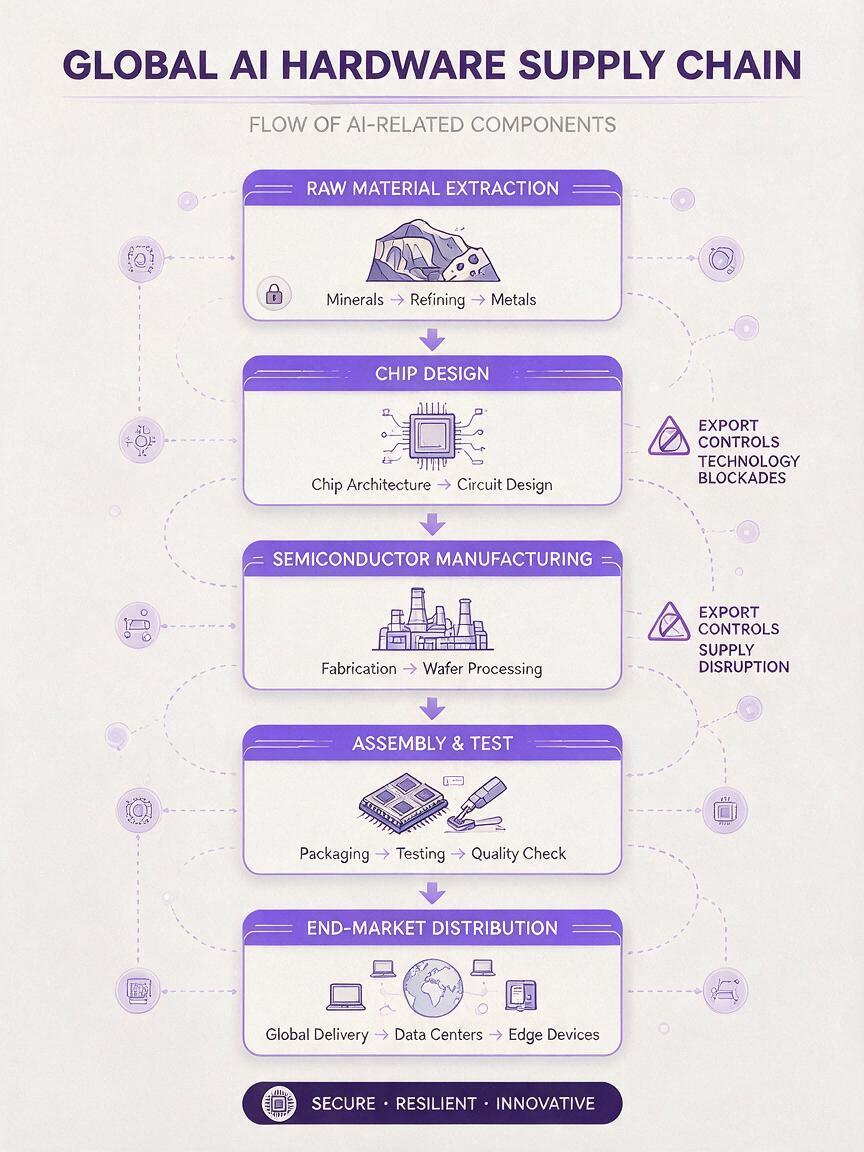
The expansion of China's export controls to cover AI-related items comes amid a broader global trend of nations tightening oversight of critical AI technology. While the full scope of affected AI-related products has been outlined as part of the broader regulatory update, the move signals a more restrictive approach to exporting technology tied to AI manufacturing and development.
For the global AI industry, the changes introduce new uncertainty into supply chains that rely on cross-border trade of components, materials, and production equipment. AI hardware production is a highly globalized process, with raw materials, chip design, manufacturing, and assembly spread across dozens of countries. Any disruption to that flow can lead to delayed production, higher costs, and constrained capacity for the cloud servers that power most consumer and enterprise AI tools.
Industry observers note that the AI-related export controls are part of a wider set of policy adjustments that also cover solar technology, reflecting a broader strategy to manage the export of strategically important sectors. The full impact of the controls will depend on their implementation details and the response of other major AI-producing nations.
GlobalFoundries New York Fab Project Moves Forward With Japanese Backing
Against the backdrop of tighter export controls, the advancement of GlobalFoundries' New York fab project with Japanese financing support represents a key step in expanding domestic semiconductor production capacity in the United States. The project is part of a broader push to onshore critical chip manufacturing capabilities, reducing reliance on overseas production hubs that may be vulnerable to geopolitical tensions or trade disruptions.
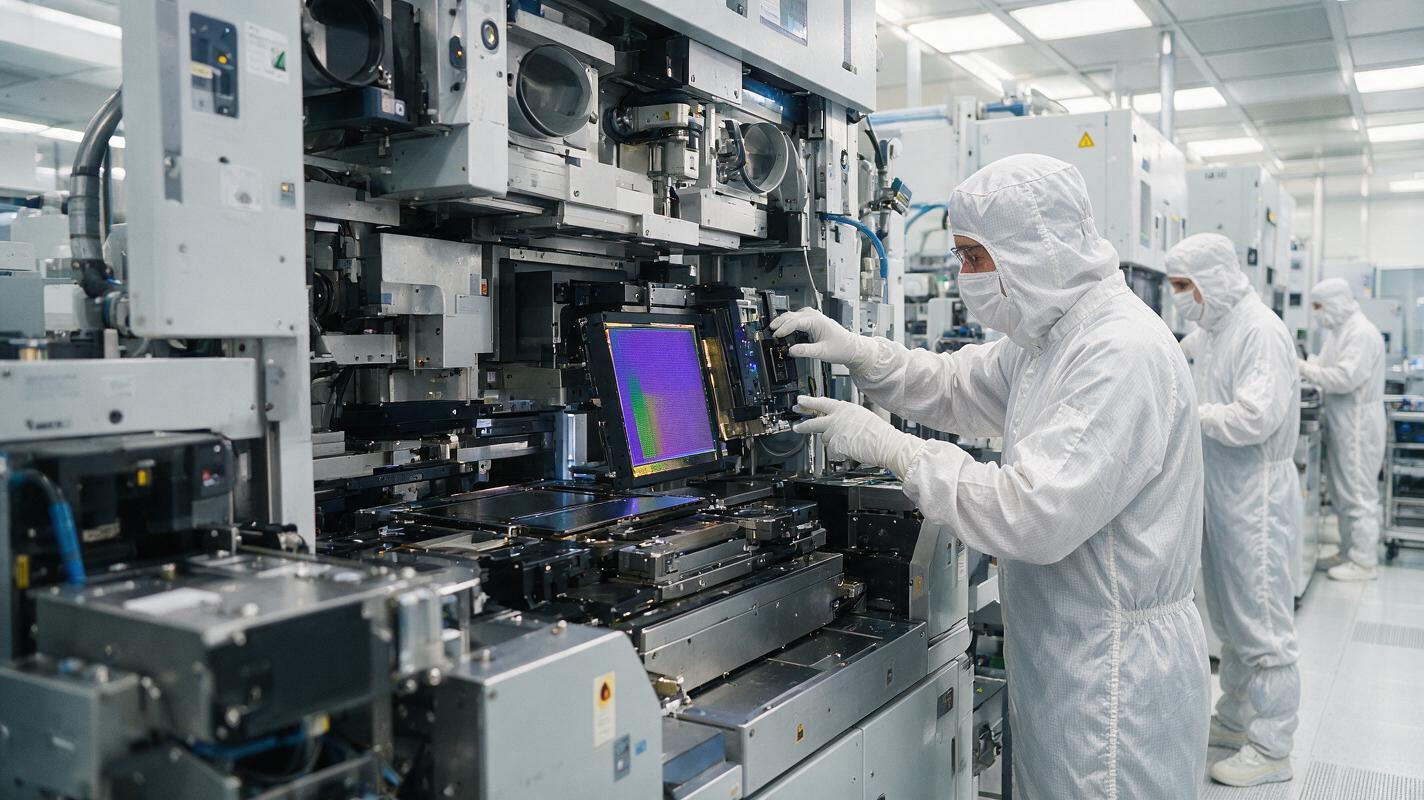
Semiconductor fabs produce the advanced chips that power AI models, cloud data centers, and end-user devices. Expanding domestic production capacity in the US could help stabilize supply for North American AI platforms and cloud providers over the long term, potentially reducing the impact of future export control changes or global supply chain shocks.
The Japanese financing support also underscores the growing trend of international collaboration on semiconductor infrastructure among allied nations. By pooling resources and expertise, countries are working to build more resilient supply chains for AI and other critical technologies, reducing the risk of single-point failures in the global production network.
What This Means for AI Platforms and Content Creators
While supply chain and semiconductor news may seem far removed from day-to-day content creation, the reality is that every AI tool creators use depends on a complex global hardware ecosystem. From the cloud servers that run large language models to the GPUs that power image and video generation, every part of the AI stack relies on semiconductors and the supply chains that produce them.
When supply chains are disrupted, the effects can trickle down to creators in the form of higher subscription prices, longer generation wait times, reduced access to premium models, or even temporary service outages. Creators who rely on a single AI platform or provider are particularly vulnerable, as they have no alternative if that provider's capacity is constrained.
Creators who use compute-intensive tools like an ai video generator or ai image generator are especially likely to feel the impact of supply chain shifts, since these tools require significant hardware resources to run. Even small increases in hardware costs can lead to higher pricing for AI content tools, eating into creator profit margins over time.
Building Supply Chain Resilience Into Your AI Workflow
For creators who depend on AI tools to produce content, building supply chain resilience into your workflow is no longer optional—it's a practical necessity to protect your productivity and income. The good news is that there are straightforward ways to reduce your exposure to supply chain disruptions without sacrificing the quality or efficiency of your work.
One of the most effective strategies is to use a multi-model AI content platform that aggregates tools from multiple providers under one account. By spreading your workloads across different models and infrastructure partners, you reduce the risk of being impacted by a single provider's supply chain issues. If one tool experiences slowdowns or price increases, you can switch to another without having to set up new accounts or learn entirely new workflows.
MagicBoat is a multi-model AI content platform designed for creators, with dozens of leading AI tools for video, image, audio, and text creation all accessible through a single dashboard. The platform's distributed infrastructure means workloads are spread across multiple cloud providers and hardware partners, reducing the impact of any single supply chain event on creator access to tools.
If you're looking to build a more resilient AI content workflow that can adapt to shifting supply chain dynamics, you can try these models for free and explore how a multi-model approach fits your creative process.
Key Takeaways
- China expanded export controls to include AI-related items on October 19, 2026, as part of a broader regulatory update covering solar and AI technology.
- GlobalFoundries' New York semiconductor fab project has advanced with Japanese financing support, boosting US domestic AI hardware production capacity.
- Both developments signal ongoing shifts in the global AI supply chain, with potential impacts on AI tool pricing, availability, and reliability for content creators.
- Compute-intensive AI tools like video and image generators are particularly vulnerable to supply chain disruptions, as they rely heavily on high-performance AI chips.
- Multi-model AI platforms like MagicBoat offer built-in supply chain resilience by distributing workloads across multiple providers and hardware architectures.
Keywords
ai ecosystem, ai hardware, export controls, globalfoundries, semiconductor fab, ai supply chain, ai platform