China Expands AI Export Controls; GlobalFoundries NY Fab Advances
Two major AI supply chain developments emerged on October 19, 2026: China expanded export controls on AI-related items, and GlobalFoundries' New York fab project advanced with Japanese financing. These shifts carry implications for AI hardware availability and costs, affecting the tools content creators rely on. This analysis breaks down the news and its impact on AI workflow planning for creators.

Table of contents
China Expands AI Export Controls as GlobalFoundries NY Fab Moves Forward
Two major developments shaping the global AI supply chain emerged on October 19, 2026. First, China has expanded export controls covering both solar and AI-related items, adding new layers of regulation to the flow of critical technologies across borders. Second, GlobalFoundries' New York-based semiconductor fab project has advanced with new financing support from Japanese partners, marking a key milestone in domestic U.S. chip manufacturing capacity.
The dual announcements come amid a period of intense volatility in AI hardware supply chains, with industry reports flagging AI-driven memory chip shortages pushing prices up and major cloud giants ramping up AI capital expenditure to record levels. Both developments carry direct implications for AI platform operators, model developers, and the broader creator ecosystem that relies on accessible, cost-effective AI tools.
What the Export Control Expansion Means for the AI Ecosystem
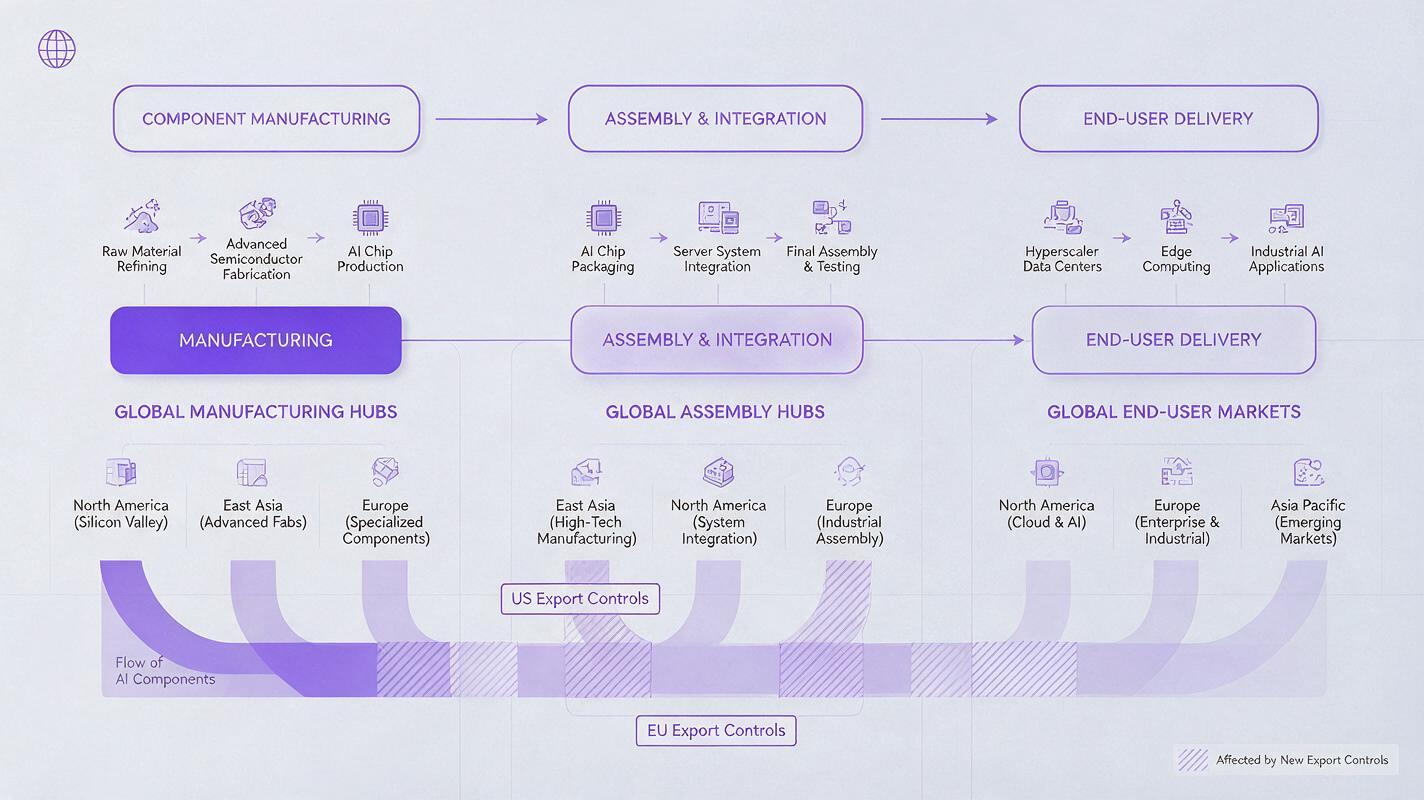
The expansion of export controls to cover AI-related items introduces new uncertainty into the global AI supply chain, which already faces strain from surging demand for AI-capable hardware. While specific details of the controlled items remain tied to official regulatory filings, the expansion is expected to impact a range of technologies critical to AI production and deployment, from specialized chip components to manufacturing equipment.
This shift comes at a time when demand for AI hardware is accelerating rapidly. Industry analysts estimate that five of the world's largest cloud giants will see their AI capital expenditure grow 50% or more to reach $1.2 trillion next year, as companies race to build out data center capacity for training and running advanced AI models. Any disruption to the supply of critical AI-related components could further tighten the market, potentially leading to longer lead times for hardware and higher costs for platform operators.
For the broader AI ecosystem, these controls highlight the growing geopolitical complexity of AI supply chains. Companies that rely on components or manufacturing from regions subject to new controls may need to diversify their sourcing strategies to maintain consistent operations, a process that can take months or even years to fully implement.
GlobalFoundries NY Fab Advances With Japanese Financing
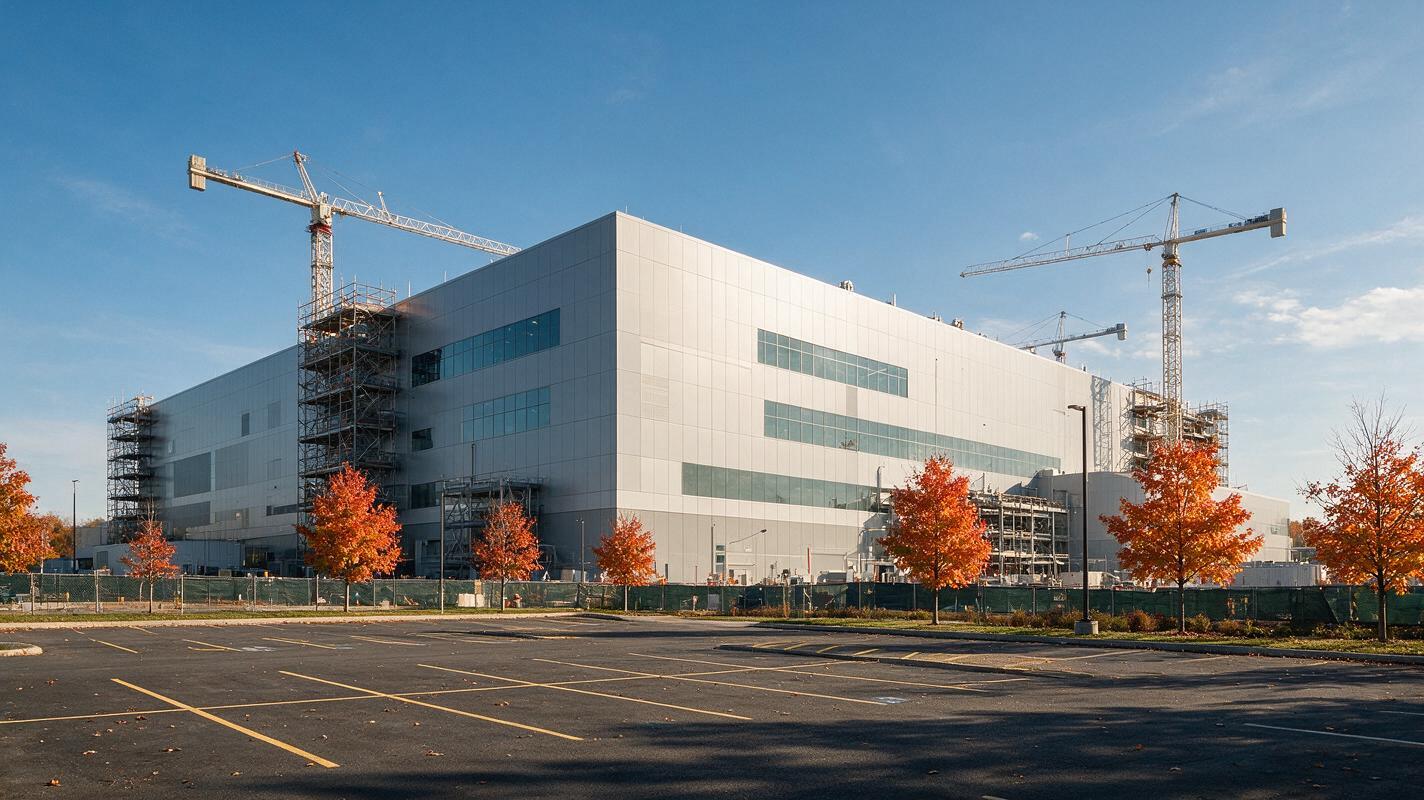
Against the backdrop of shifting export controls, GlobalFoundries' New York semiconductor fab project has reached a new milestone with financing support from Japanese partners. The project's advancement represents a significant step forward for U.S. domestic semiconductor manufacturing capacity, which has been a key focus of industry and policy efforts to reduce reliance on overseas chip production.
Expanded domestic fab capacity in the U.S. could help mitigate some of the supply chain risks posed by new export controls and regional trade shifts. By bringing more chip production onshore, U.S.-based AI platform providers and model developers may have greater access to stable, predictable supplies of critical components over the long term.
It is important to note that semiconductor fab projects require significant lead time to reach full production capacity, so the near-term impact on AI hardware supply may be limited. Even so, the project's progress signals ongoing investment in diversifying the global semiconductor supply chain, a trend that will shape the AI industry for years to come.
Implications for AI Content Creators
For AI content creators, supply chain shifts and regulatory changes may feel distant from day-to-day creative work, but their impacts can trickle down to the tools and platforms creators rely on. When AI hardware costs rise or supply becomes constrained, platform providers may adjust pricing tiers, limit access to high-demand models, or roll out new features more slowly as they navigate infrastructure challenges.
These risks make flexible, diversified ai workflow planning more important than ever. Creators who rely on a single tool or platform for their work may face disruptions if that provider encounters supply chain or infrastructure issues. Building a workflow that incorporates multiple tools and models gives creators the flexibility to pivot if one option becomes unavailable or too costly.
MagicBoat addresses this need by centralizing a wide range of AI creative tools in a single, easy-to-use platform. You can access text to video capabilities for producing short films and social media content, alongside an ai image generator for creating concept art, reference frames, and promotional graphics. The platform also includes scriptwriting, audio generation, and lip-sync tools, so you can build entire creative projects without relying on multiple separate subscriptions.
A consolidated multi-model platform also means you only need to manage one account and one billing setup, reducing administrative overhead and making it easier to adjust your tool mix as your needs or industry conditions change. Whether you're working on a YouTube series, a marketing campaign, or a personal creative project, having access to a diverse set of AI tools in one place helps you stay productive even amid industry uncertainty.
If you're looking to build a more resilient AI content workflow that can adapt to supply chain shifts and platform changes, you can try these models for free to see which tools fit your creative process.

Key Takeaways
- China has expanded export controls to cover AI-related items alongside solar products, adding new uncertainty to global AI supply chains already strained by surging demand.
- GlobalFoundries' New York fab project has advanced with Japanese financing support, boosting U.S. domestic semiconductor manufacturing capacity and long-term supply chain diversification efforts.
- AI hardware supply chain shifts can impact the cost and availability of AI tools used by content creators, making flexible, multi-tool workflows more valuable than ever.
- Multi-model AI platforms like MagicBoat help creators build resilient workflows by centralizing a range of creative tools in one accessible, easy-to-manage platform.
Keywords
ai export controls, globalfoundries, ai supply chain, ai hardware, china export controls, ai ecosystem, semiconductor manufacturing